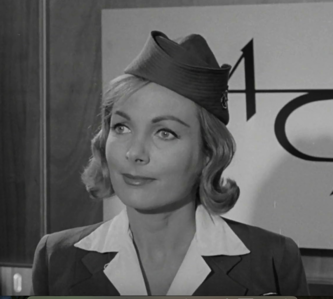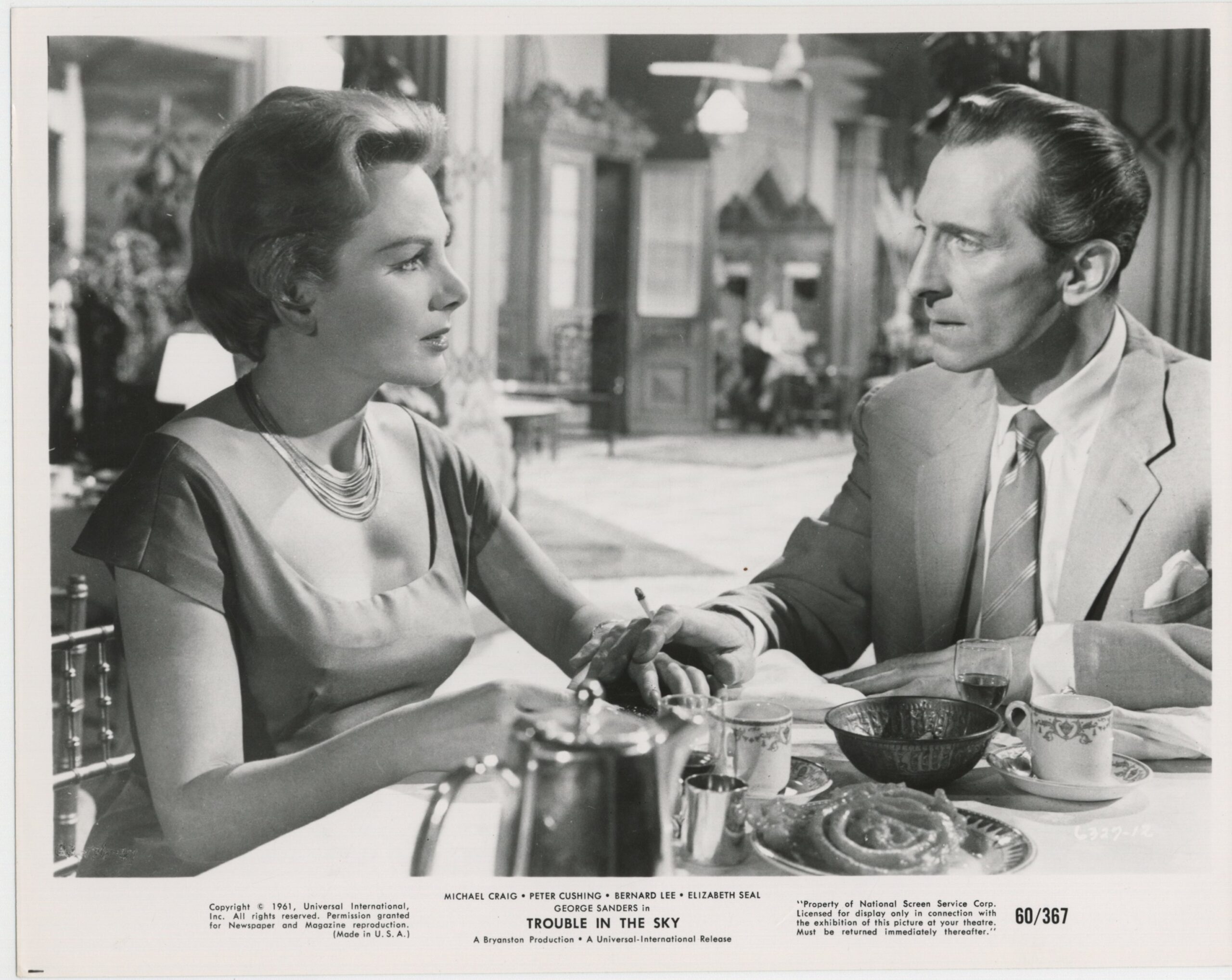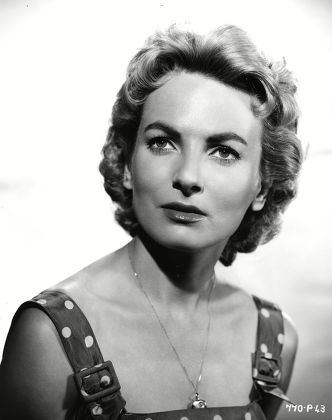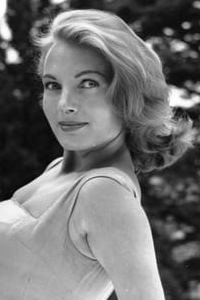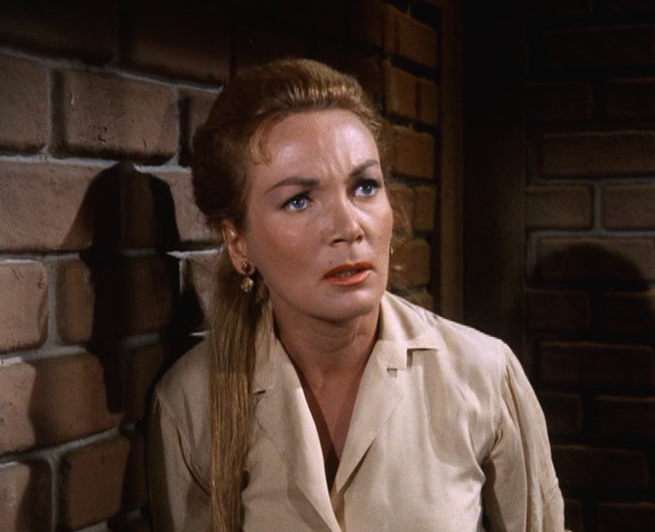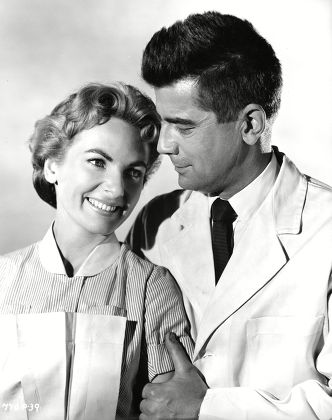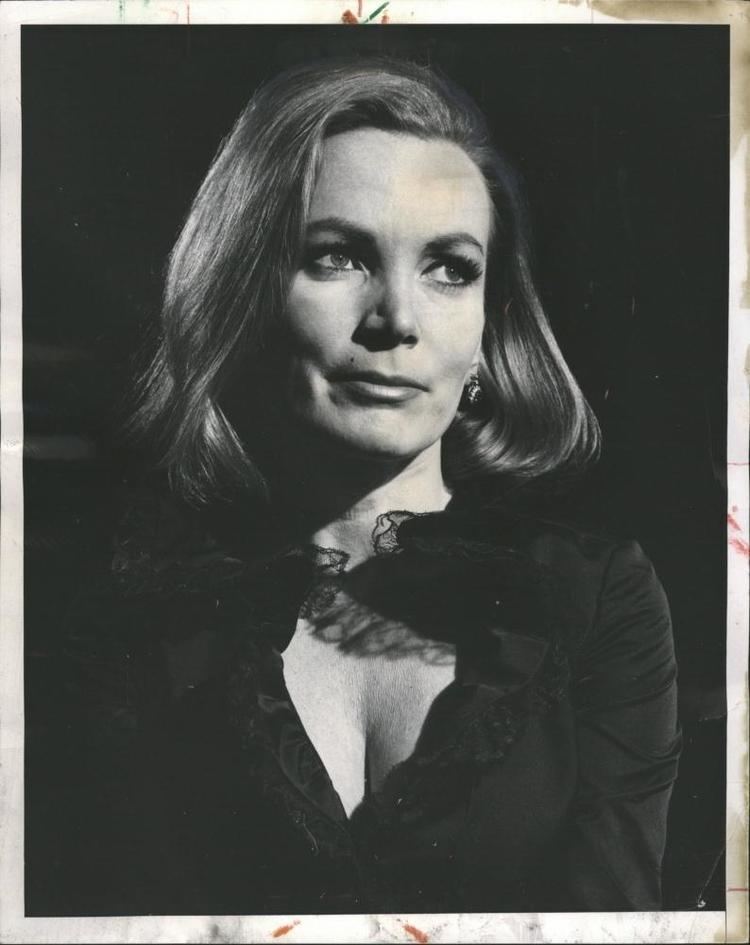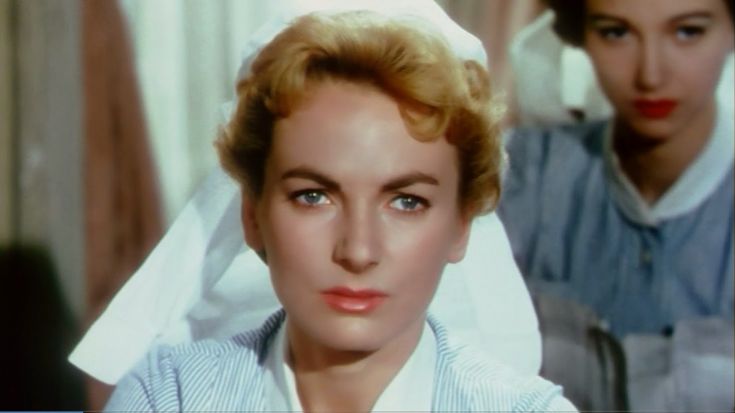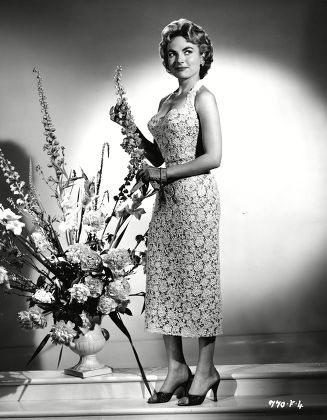

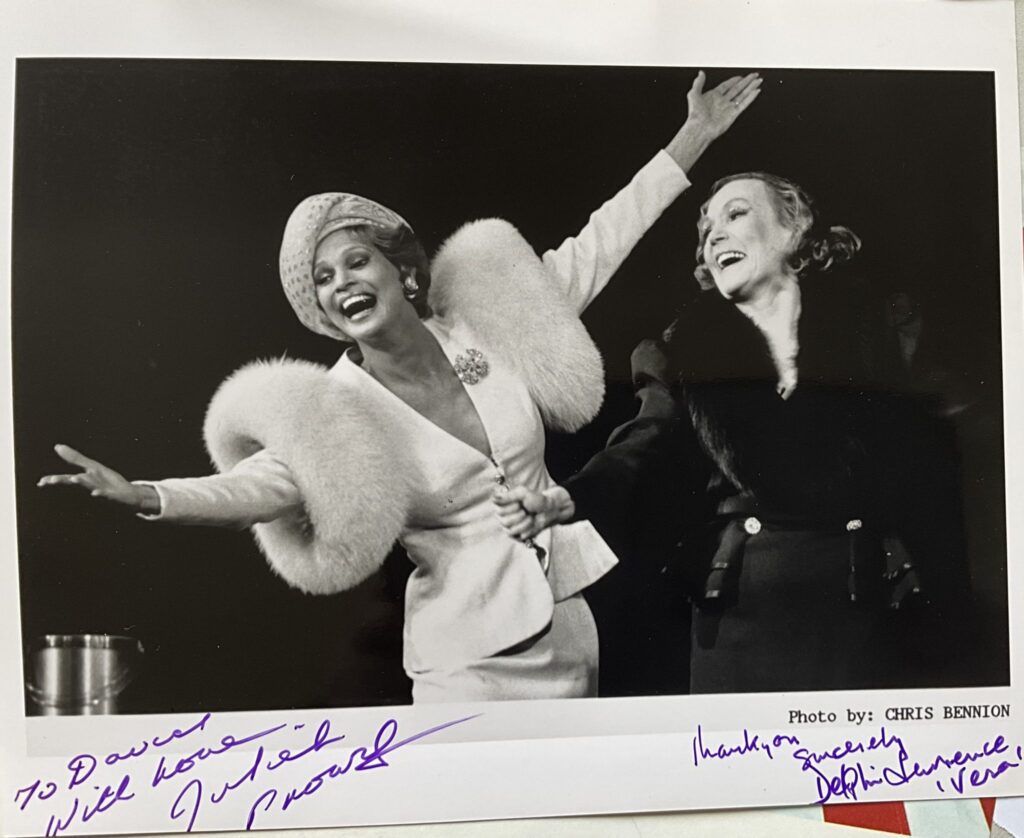
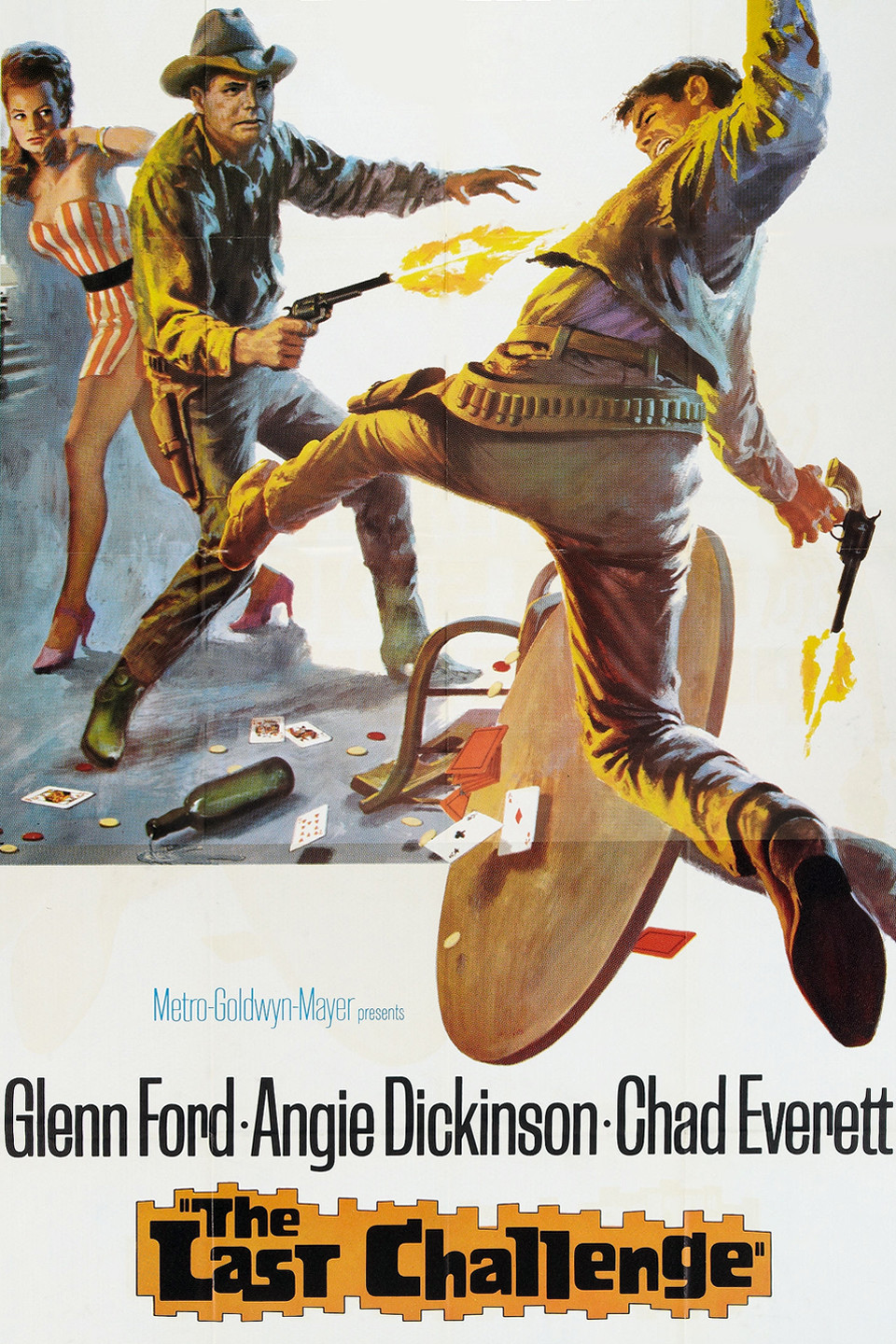
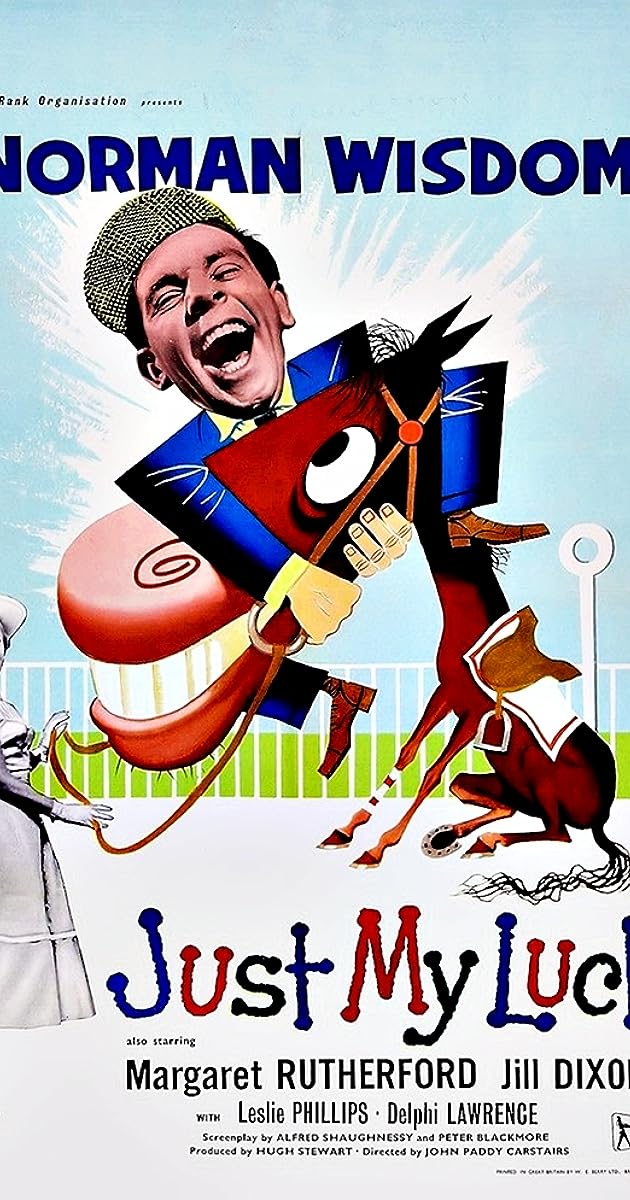
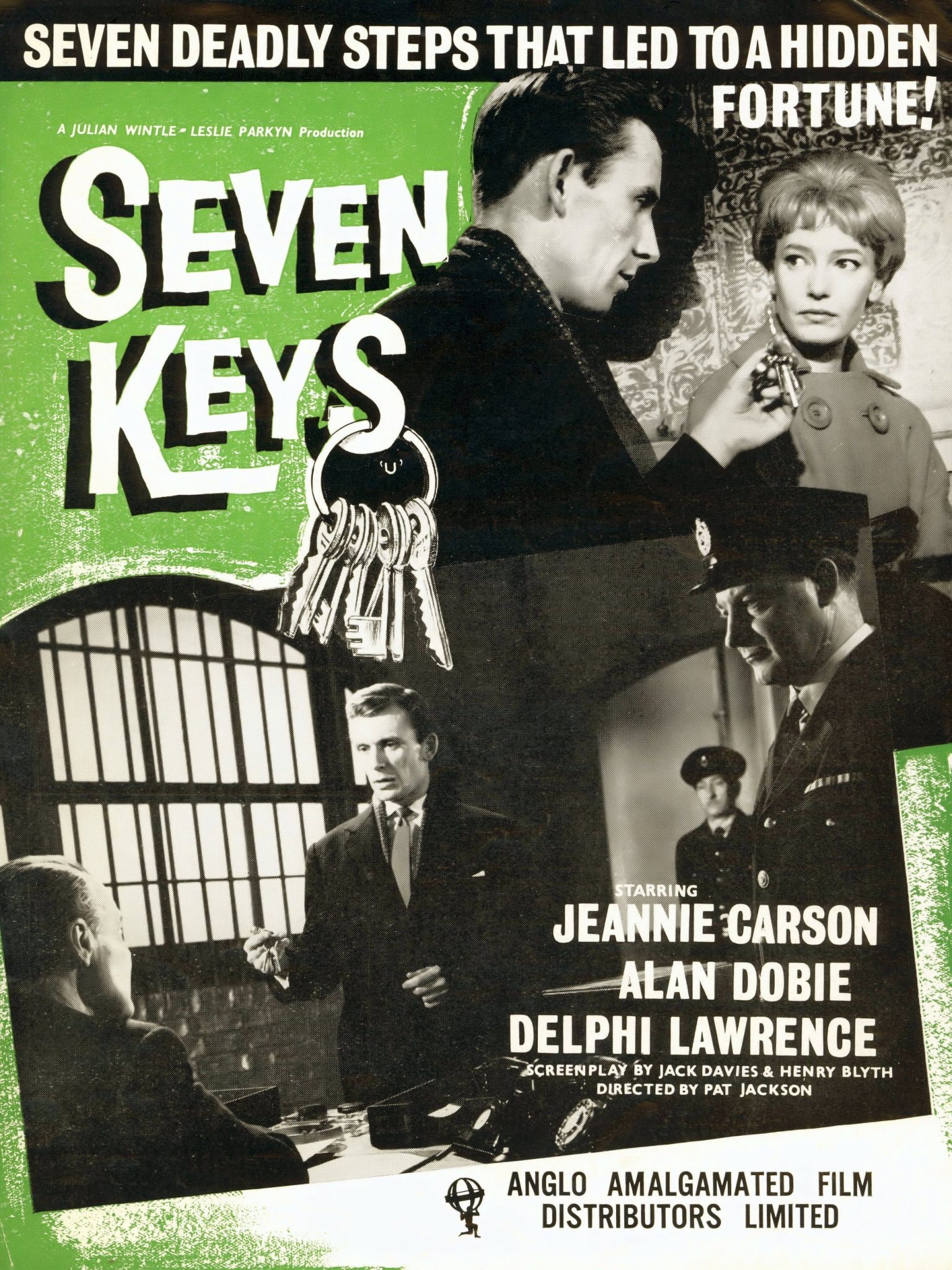
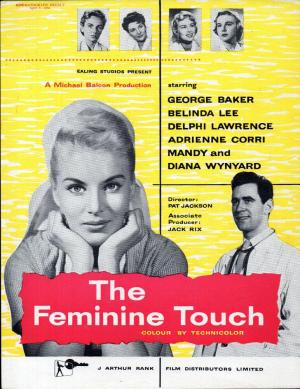
Delphi Lawrence was born in 1926 in Herfordshire. She made many films in England during the 1950’s including “The Feminine Touch” with Belinda Lee in 1956, “Just My Luck” with Norman Wisdom and “Son of Robin Hood”. In the 1960’s she went to Hollywood and made such movies as “The Last Challenge” with Glenn Ford and Angie Dickinson in 1967. She died in New York in 2002.
IMDB entry:
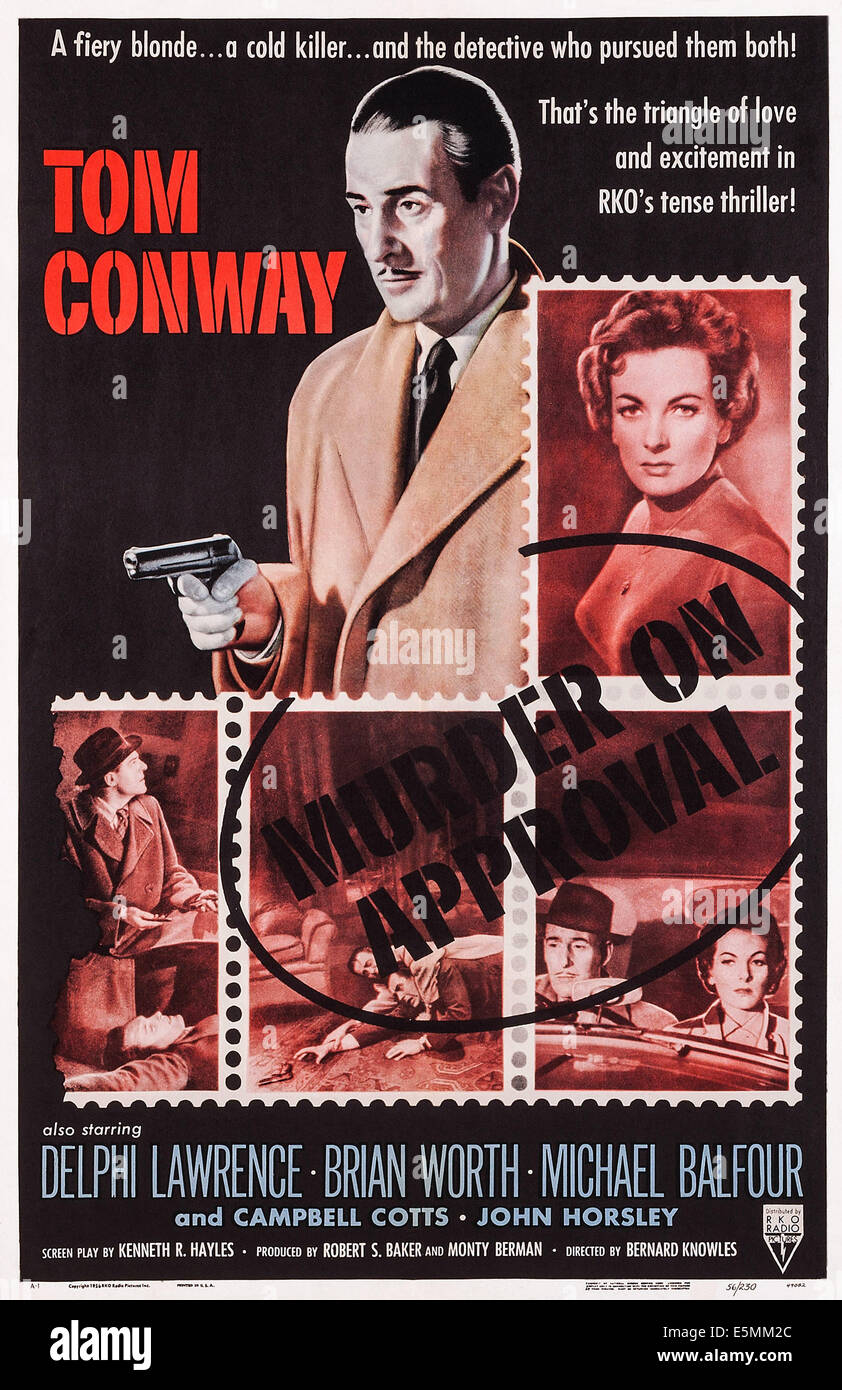
Delphi Lawrence was born on March 23, 1932 in Hertfordshire, England. She was an actress, known for Bunny Lake Is Missing (1965), Murder on Approval (1955) and Element of Doubt (1961). She died on April 11, 2002 in Northport, Long Island, New York, US In the film Wild for Kicks (1960), despite having several lines of dialogue and performing a task crucial to the plot, both her name and that of her character, Greta, are missing from the film’s closing credits! She was nominated for a 1974 Joseph Jefferson Award for Best Actress in a Principal Role for her performance in “Separate Tables”, at the Ivanhoe Theatre in Chicago, Illinois. Anglo-Hungarian leading lady of British B-films in the 1950’s and 60’s. Initially trained as a concert pianist
Appraisal:
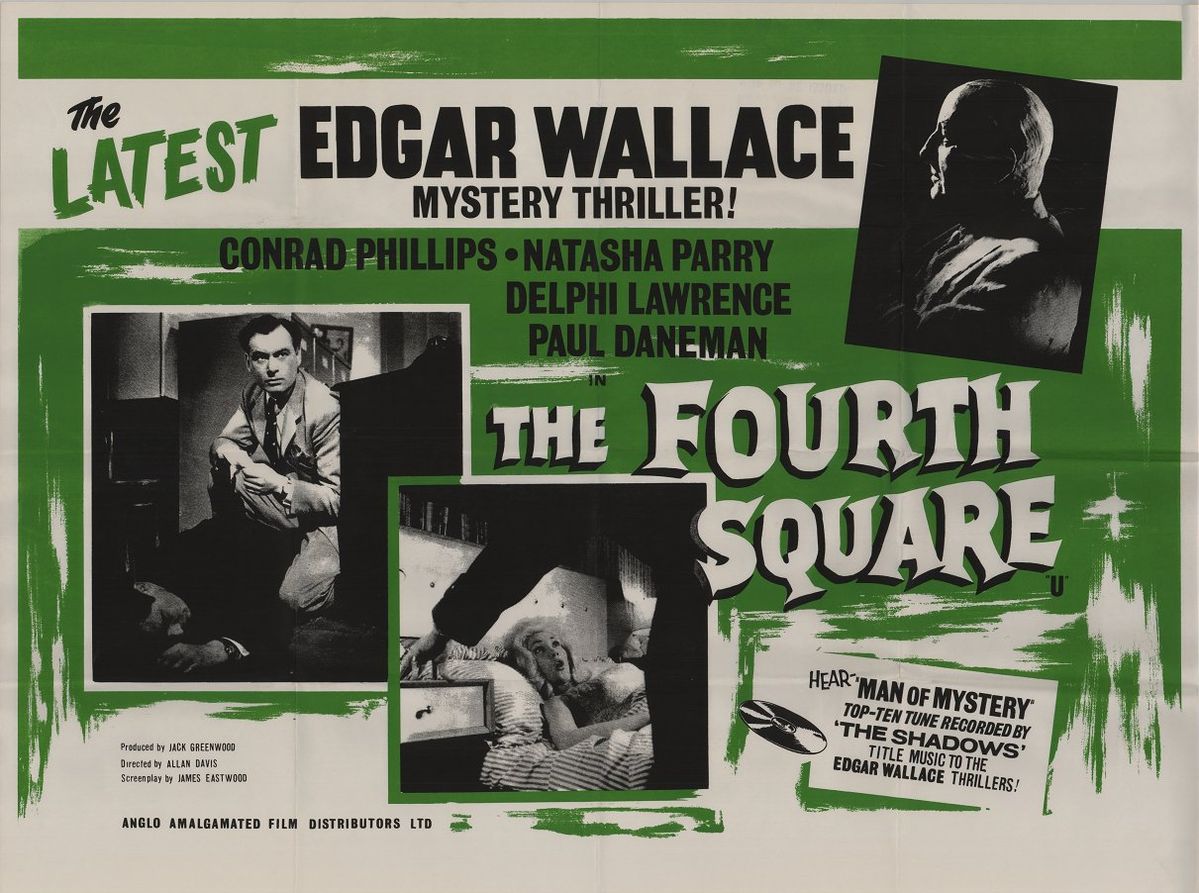
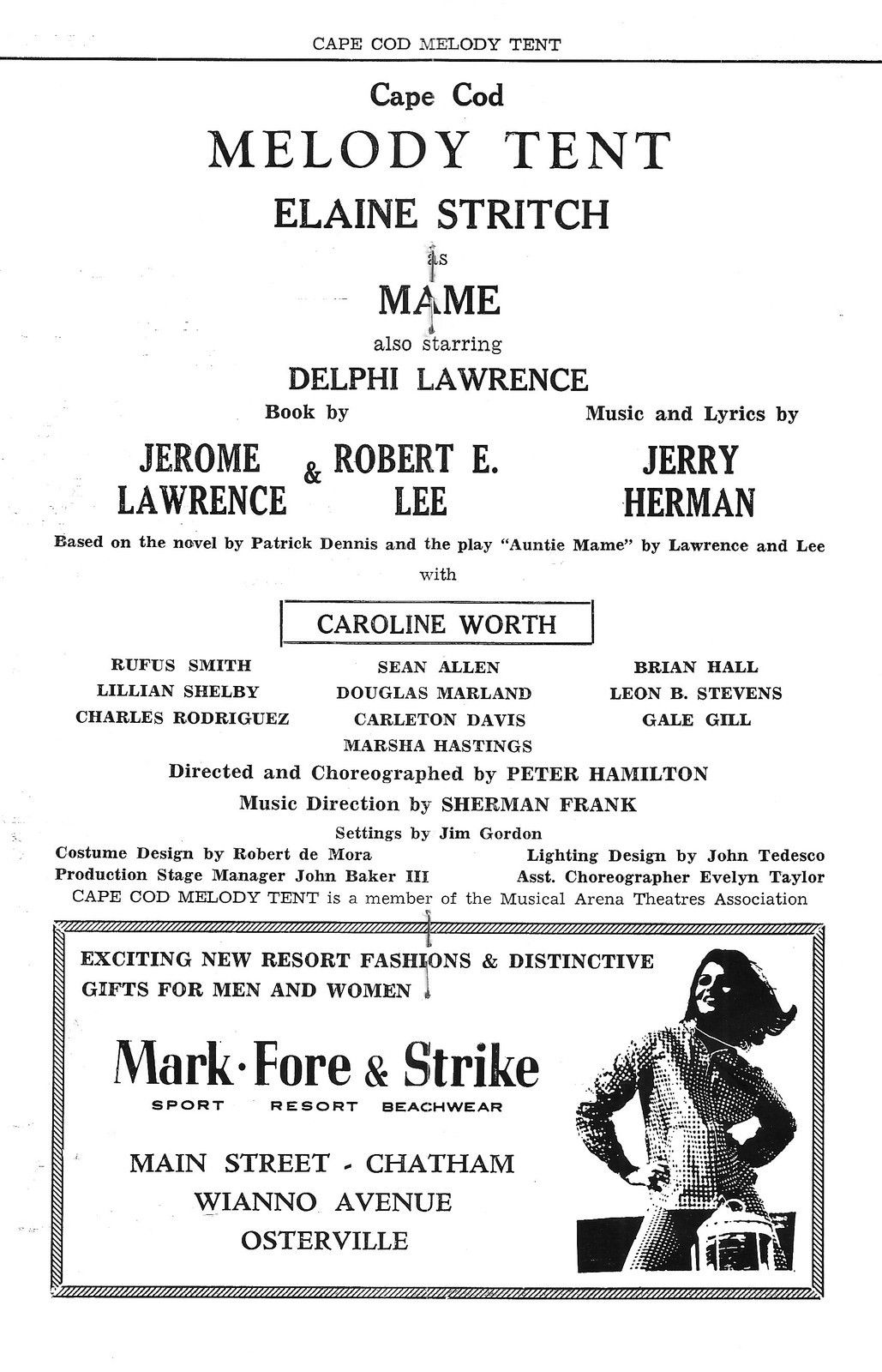
Delphi Lawrence (1932–2002) was a sophisticated, classically trained English actress who became a mainstay of British “B” movies and high-profile television guest spots throughout the 1950s and 60s. Often cast as the elegant “other woman” or a weary socialite, she possessed a refined screen presence that eventually transitioned into a successful second act in American television.
1. The Concert Pianist Turned Actress
Before her screen career, Lawrence was a trained concert pianist. She transitioned to acting by attending the Royal Academy of Dramatic Art (RADA), graduating in 1949. This musical background often informed her vocal delivery, which was noted for its melodic, precise, and distinctly “upper-class” quality.
2. The British “B” Movie Era (1952–1965)
For over a decade, Lawrence was one of the busiest faces in British cinema, though she was frequently relegated to “B” pictures—lower-budget films that served as the bottom half of a double feature.
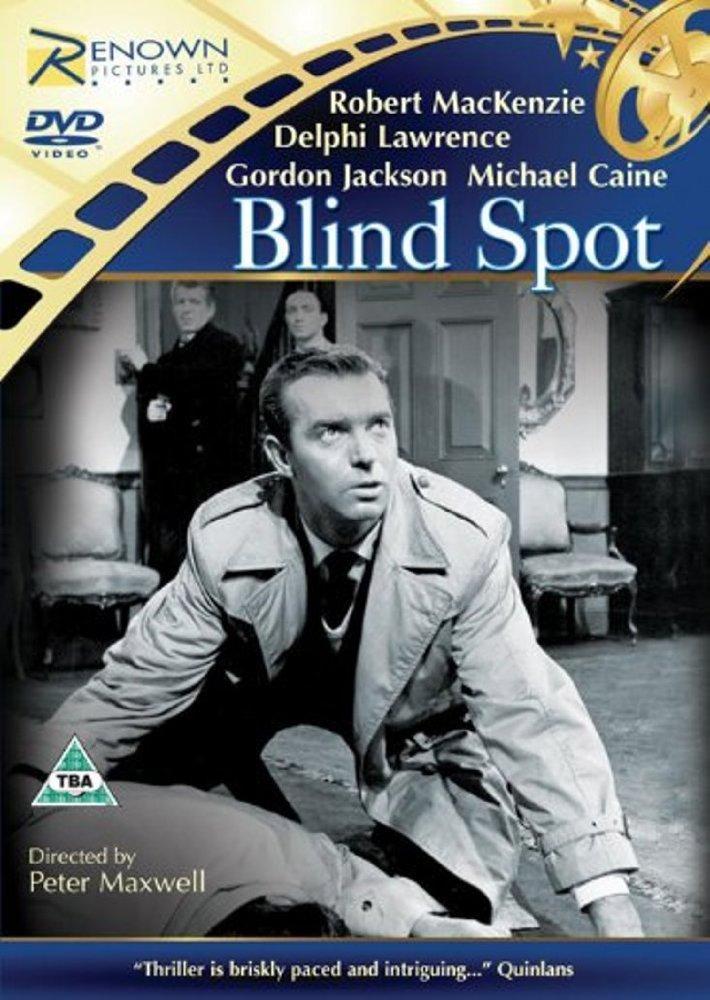
The “Tough Girl” in Silk: In films like Blind Spot (1958) and The Man Who Could Cheat Death (1959), she specialized in playing women who were more intelligent—and often more dangerous—than the men surrounding them.
Key Work: Farewell Performance (1963). In a departure from her usual poise, she was critically praised for playing a “pathetic,” aging woman desperate to hold onto a younger pop star—a performance that showed significant emotional range beyond her usual “ice queen” type.
3. The American Transition (1966–1975)
Like many British actors of her generation, Lawrence moved to the United States in the mid-60s. She quickly became a “go-to” guest star for cult television, where her British accent and statuesque bearing made her an ideal villain or exotic authority figure.
Cult Classics: She appeared in The Man from U.N.C.L.E., The Wild Wild West, and Voyage to the Bottom of the Sea.
Stage Return: In 1975, she appeared on Broadway in The Constant Wife alongside Ingrid Bergman, proving her theatrical ability remained sharp.
The Archetype of Sophisticated Melancholy
Critically, Lawrence’s work is defined by restraint. Unlike the “zany” or “bombshell” archetypes of the era, Lawrence leaned into a cool, almost detached persona. This made her particularly effective in film noir and suspense genres. She excelled at playing characters who were socially “correct” but emotionally compromised, using her eyes to convey a sense of world-weariness that her dialogue rarely explicitly stated.
The “B” Movie Limitation
The tragedy of Lawrence’s film career, in a critical sense, was the quality of her material. While critics often singled her out as the best part of a mediocre film (such as Son of Robin Hood or Frozen Alive), she rarely had the opportunity to work with top-tier directors like Hitchcock or Lean who could have utilized her specific brand of “chilly” charisma. She was a “leading lady” talent in a “supporting actress” market.
Musicality in Performance
Because of her training as a pianist, Lawrence had an impeccable sense of rhythmic timing. This is most evident in her television work (notably her episode of The Saint), where she could match the fast-paced, banter-heavy style of the 1960s adventure series without losing her character’s gravitas