

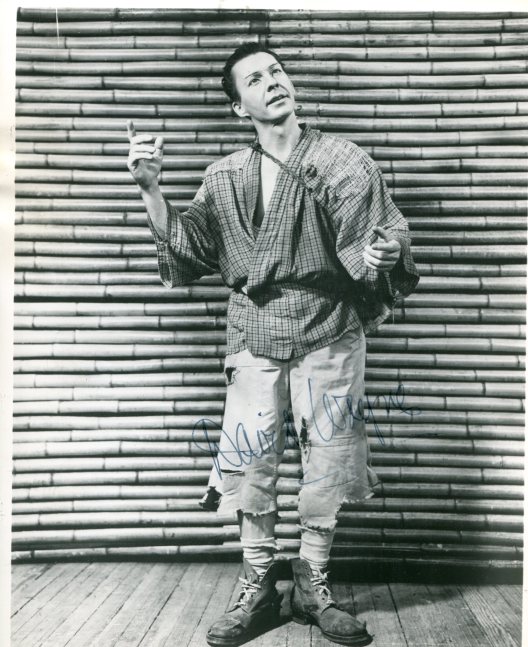
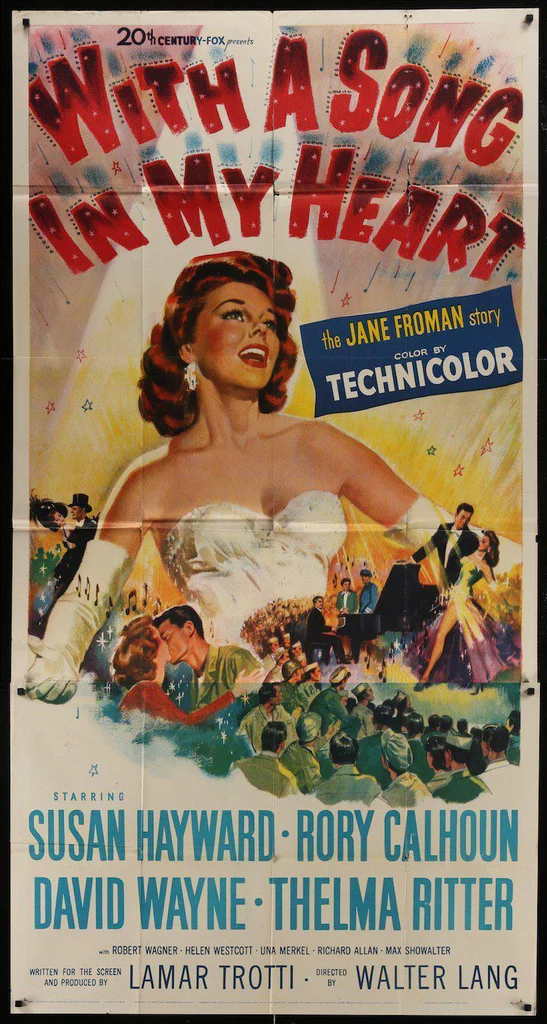
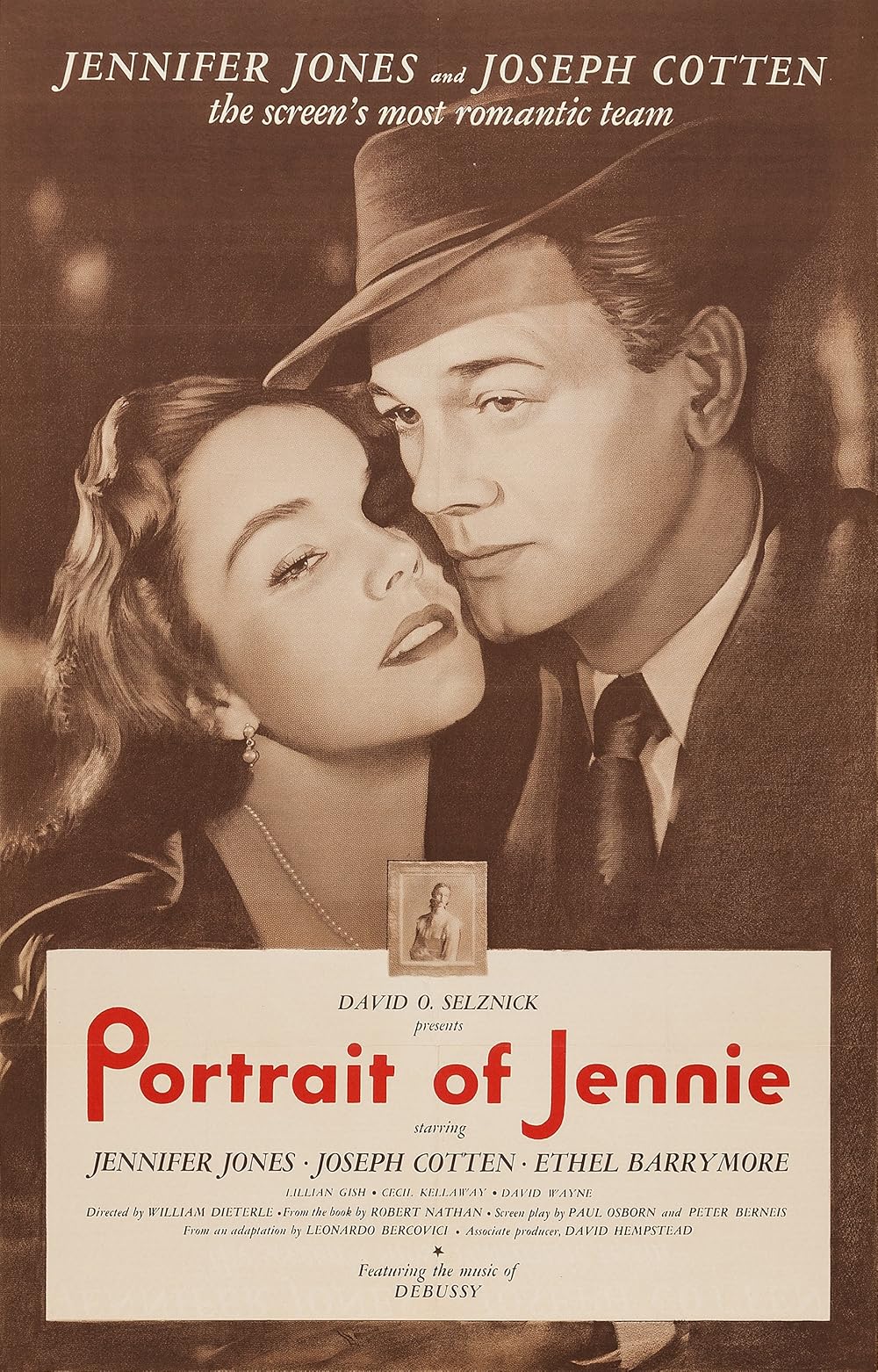
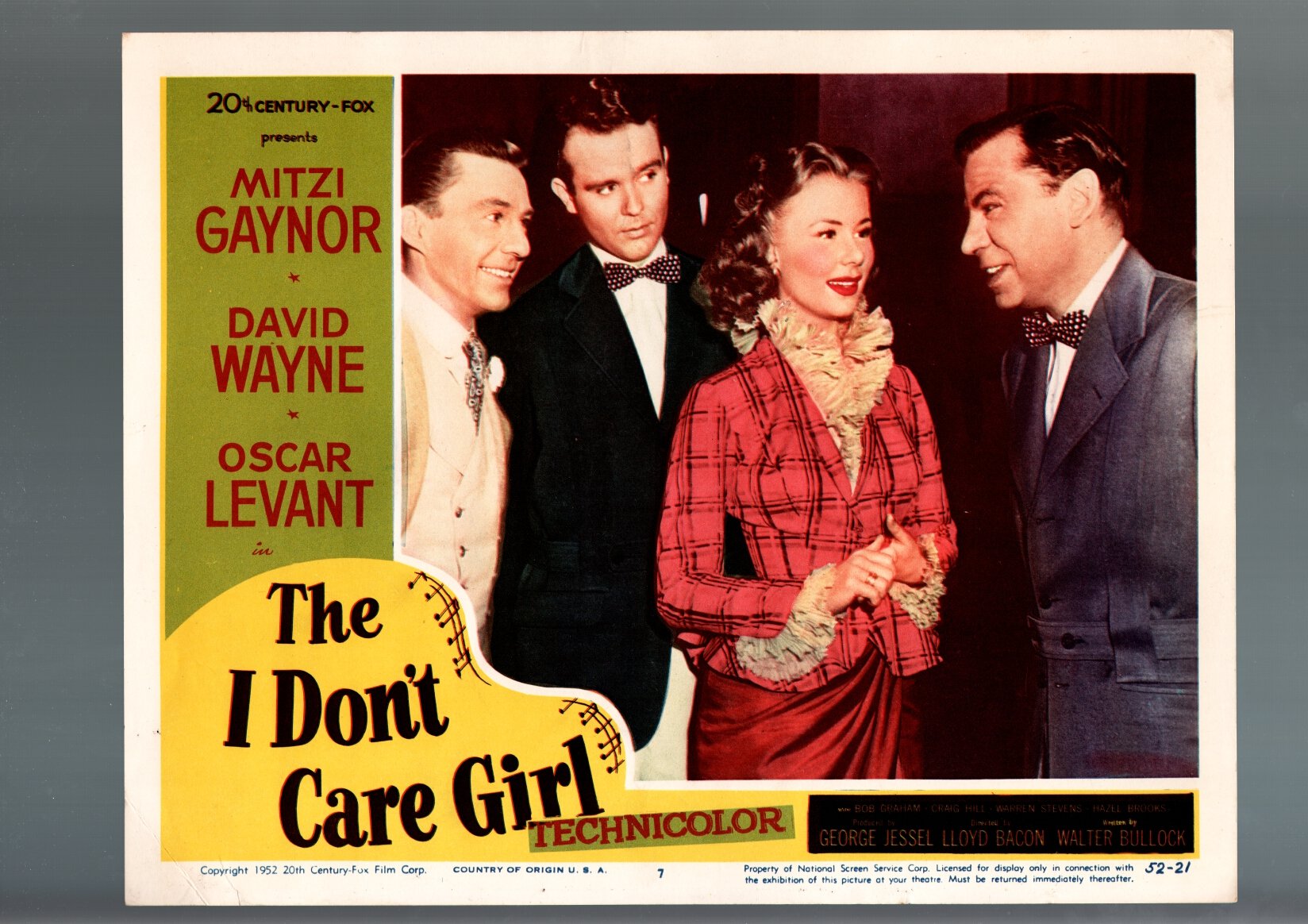
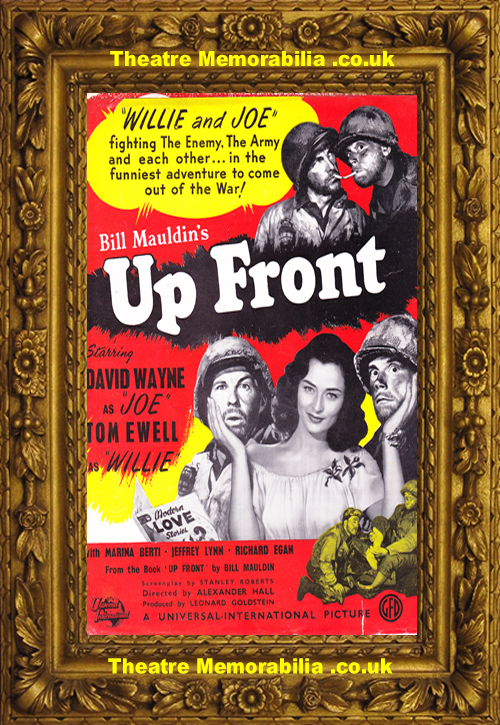
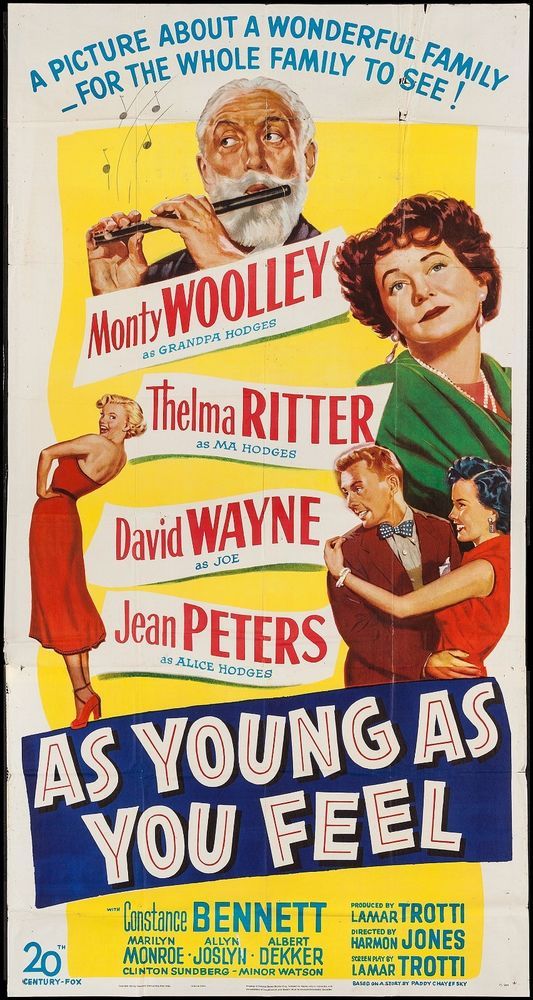
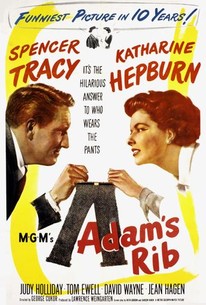
David Wayne was born in 1914 in Michigan. His first film was “Adam’s Rib” in 1949 with Spencer Tracy and Katharine Hepburn. He went on to film “Portrait of Jeannie” with Jennifer Jones, “As Young As You Feel”, “We’re Not Married” and “How to Marry A Millionaire”. David Wayne died in 1995 aged 81.
“New York Times” obituary:
David Wayne, an actor who played widely divergent roles on Broadway, in television and in films for almost 50 years and who was the first recipient of a Tony Award for acting, died on Thursday at his home in Santa Monica, Calif. He was 81.
The cause was lung cancer, said his daughter Melinda.
Mr. Wayne navigated his sprightly 5-foot-7-inch frame through a half-century of turbulent changes in American acting. He portrayed, and won acclaim for, performances ranging from the precocious ensign in the 1948 stage version of “Mr. Roberts” to the Mad Hatter in the 1960’s “Batman” series on television.
One of his most memorable performances was as a leprechaun in the 1947 stage version of “Finian’s Rainbow,” for which he was given the nation’s first Tony Award for acting.
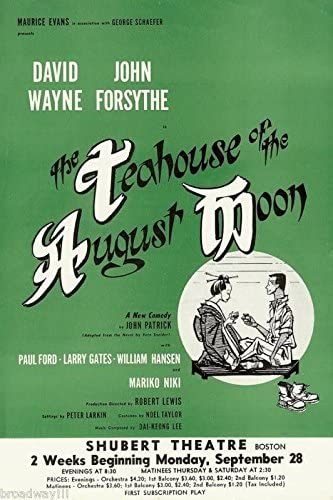
It was not his only Tony. Seven years later, he received another for his role as Sakini, a man from Okinawa trying to meld cultures, in “The Teahouse of the August Moon.”
“David Wayne is an actor of more than one dimension,” wrote Brooks Atkinson in a 1956 New York Times review of Mr. Wayne’s performance as a character 20 years older than he was at the time, in “The Ponder Heart.” “He can depart from realism into imaginative characterizations,” Mr. Atkinson said.
Mr. Wayne, whose original name was Wayne McKeekan, was born on Jan. 30, 1914, in Traverse City, Mich. His father was an insurance executive. His mother died when he was 4 years old, and he was raised by close family friends.
After two years at Western Michigan University in Kalamazoo, he moved to Cleveland, taking work as a statistician. In 1936, he joined that city’s Shakespearean repertory company, a troupe that also gave such actors as Arthur Kennedy and Sam Wanamaker their theatrical starts.
He moved to New York City in 1938, won a minor role the next year in “The American Way,” and in 1941 married Jane Gordon, an actress. When World War II began he was rejected by the Army, but volunteered to serve as an ambulance driver in North Africa with the American Field Service.
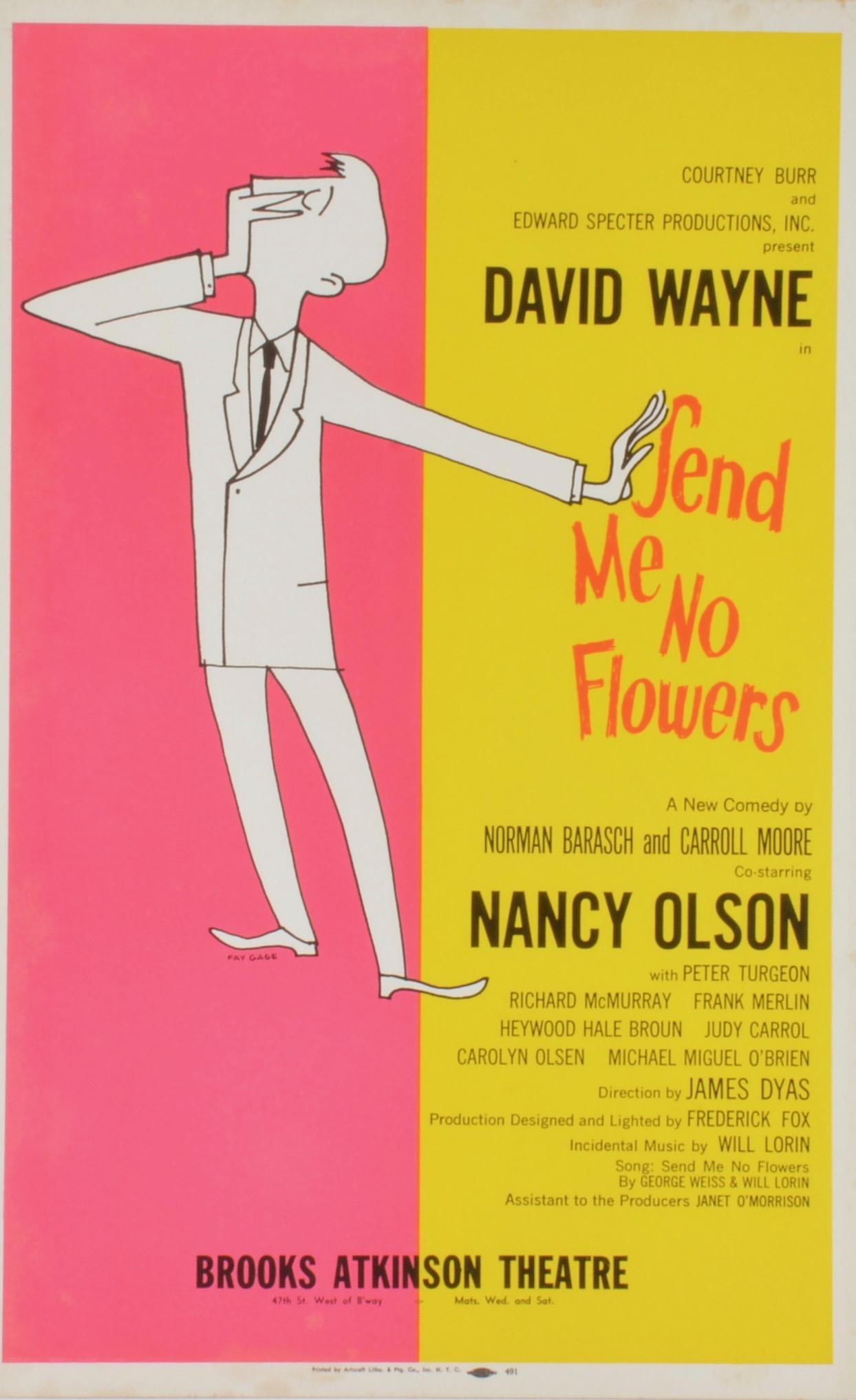
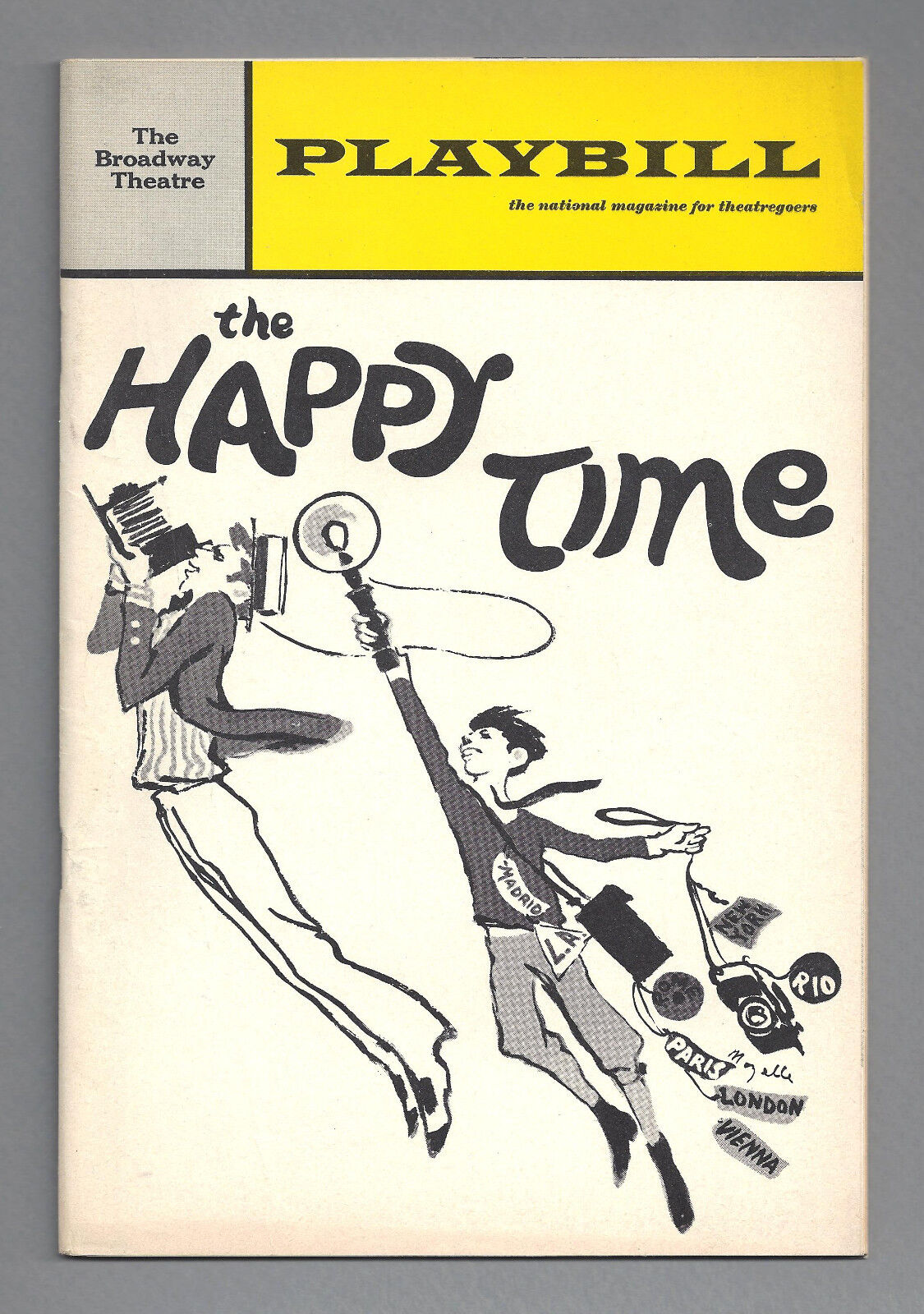
Mr. Wayne resumed his stage career soon after the war ended and quickly won critical praise. His Broadway performances included major roles in such plays as Arthur Miller’s “Incident at Vichy” and Eugene O’Neill’s “Marco Millions.” He starred in the Broadway productions of “Say Darling” and “Send Me No Flowers” and received his third Tony nomination for “The Happy Time.”
He lived in Manhattan during the 1950’s and in Westport, Conn., in the 1960’s. Despite his belief that the stage was where an actor truly exercised his craft, his growing interest in film and television lured him and his family to Los Angeles in 1977.
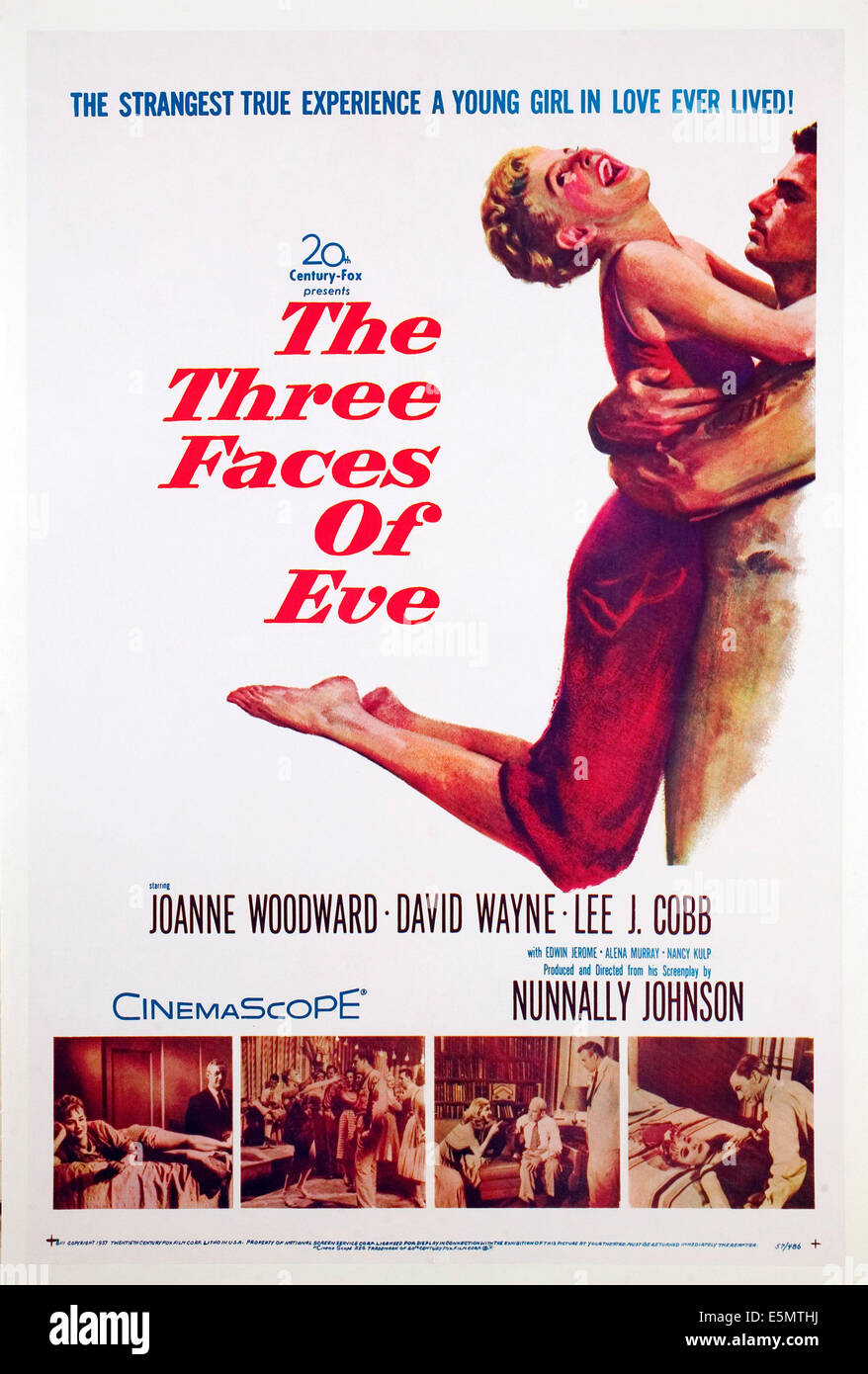
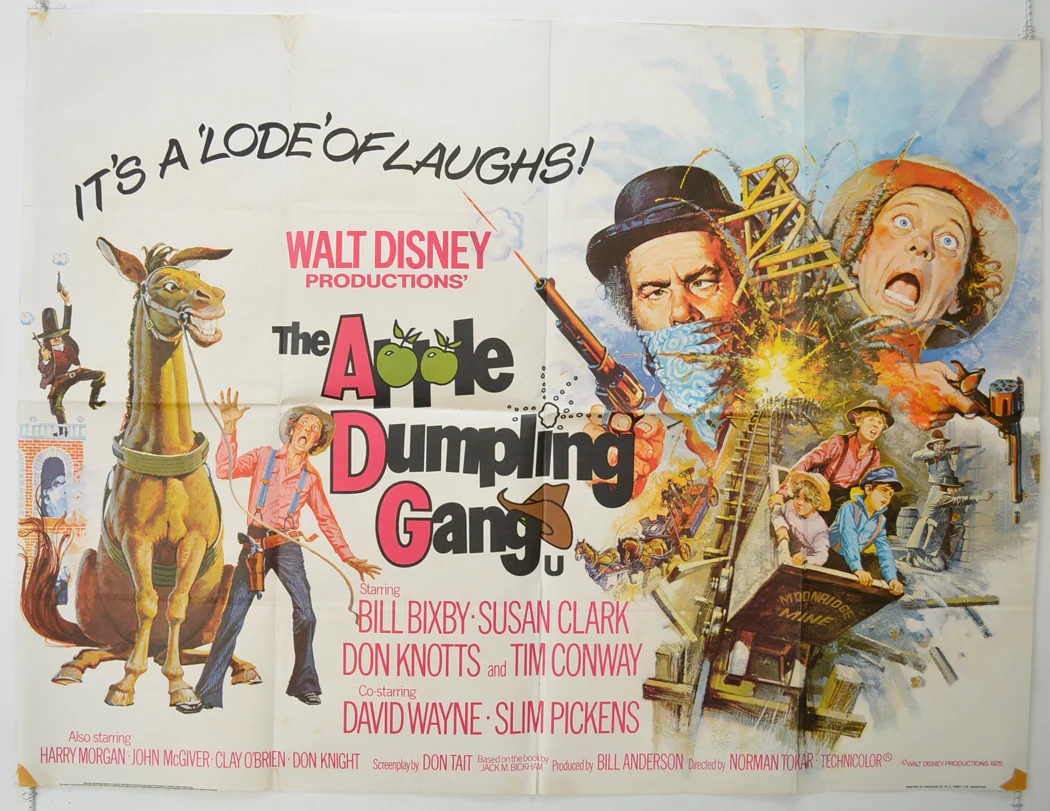
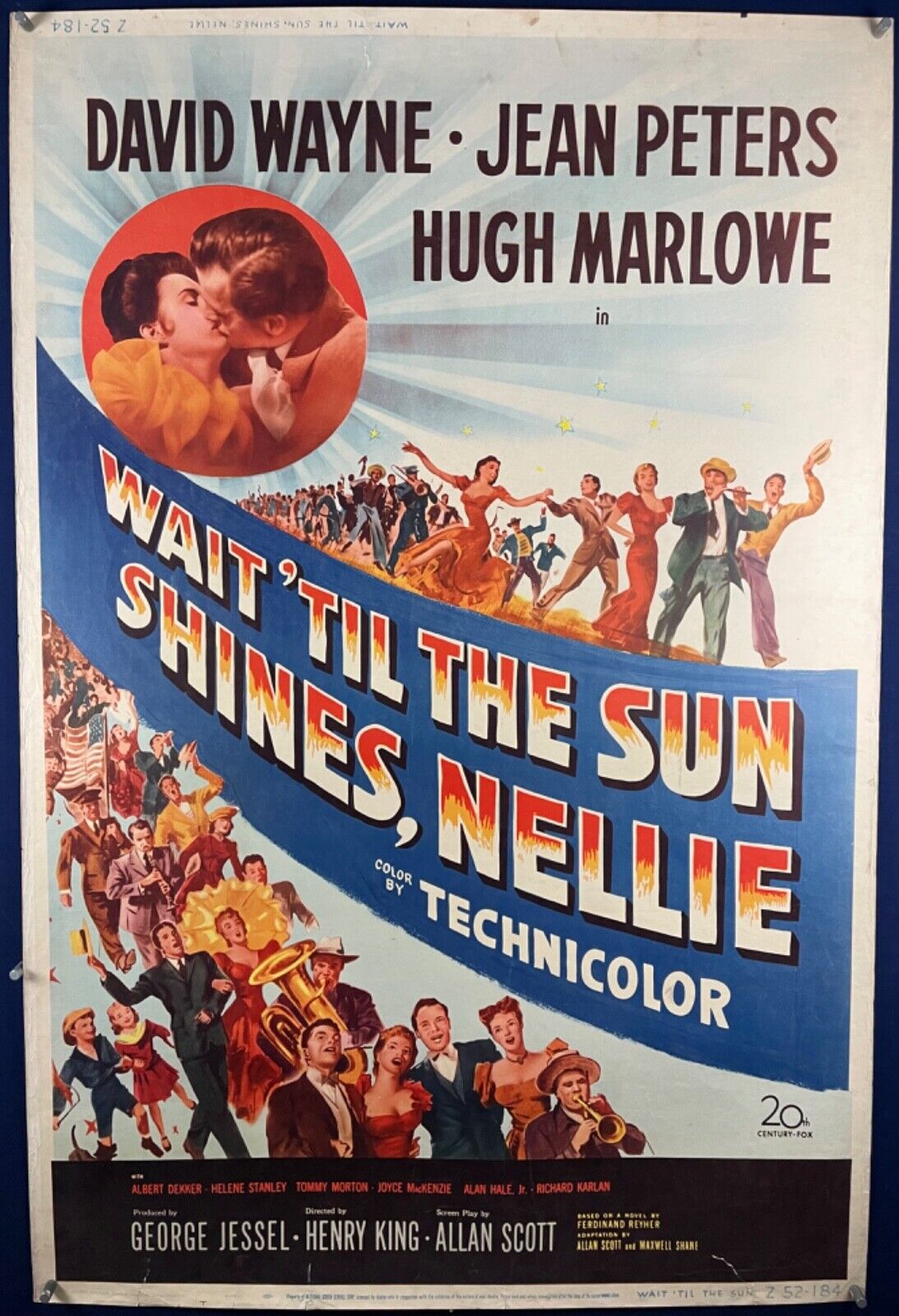
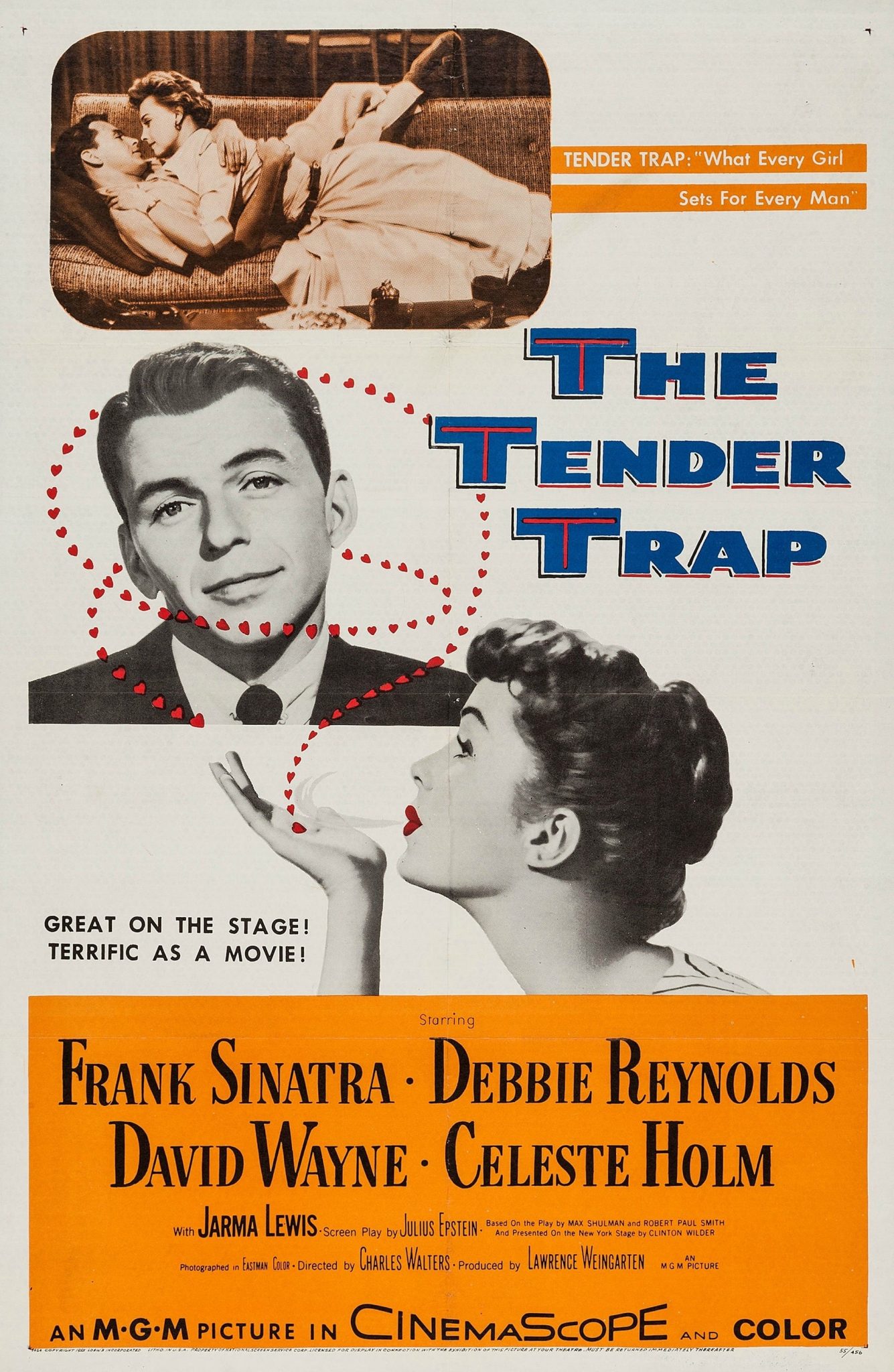
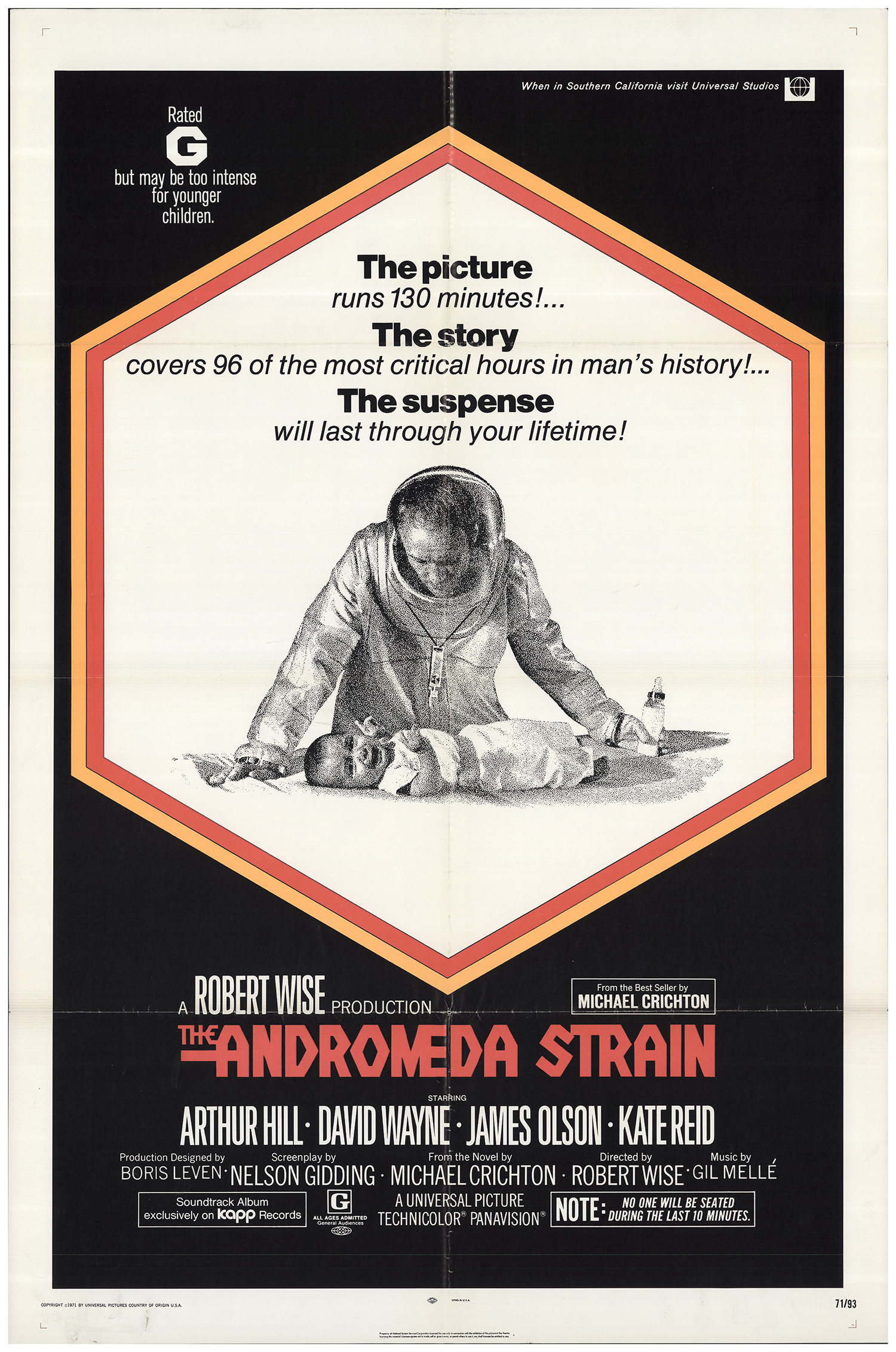
His movie credits include roles in “Portrait of Jennie” and “Adam’s Rib” (1949), “Wait Till the Sun Shines, Nellie” (1952), “How to Marry a Millionaire” (1953), “The Tender Trap” (1955), “The Three Faces of Eve” (1957), “The Last Angry Man” (1959), “The Front Page” (1974), “The Apple Dumpling Gang” (1975), “The Andromeda Strain” (1971) and “The Survivalist” (1987).
His work on television included the starring role in the 1955 series “Norby,” a leading role in “The Good Life” (1971-72), the role of Inspector Richard Queen in “The Adventures of Ellery Queen” (1975-76), the part of Willard (Digger) Barnes in “Dallas” in 1978 and the role of Dr. Amos Weatherby in “House Calls” (1980-82). He was nominated for Emmy Awards for guest appearances in “Suspicion” and “Gunsmoke.”
Mr. Wayne’s wife died in 1993. He is survived by his twin daughters, Susan Kearney and Melinda, both of Thousand Oaks, Calif., and two grandchildren.
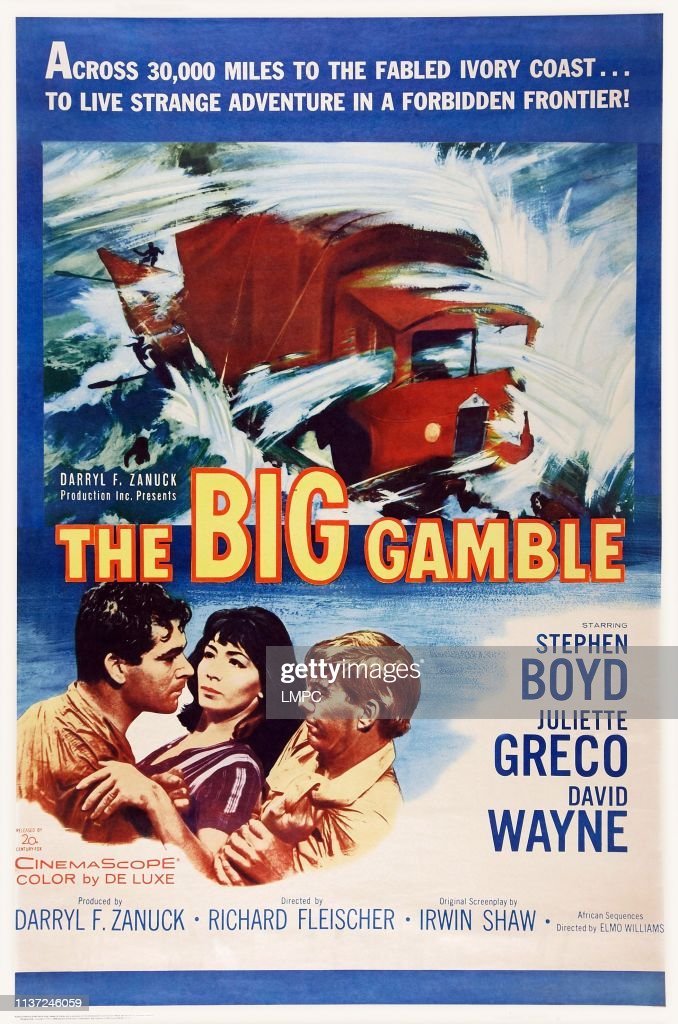
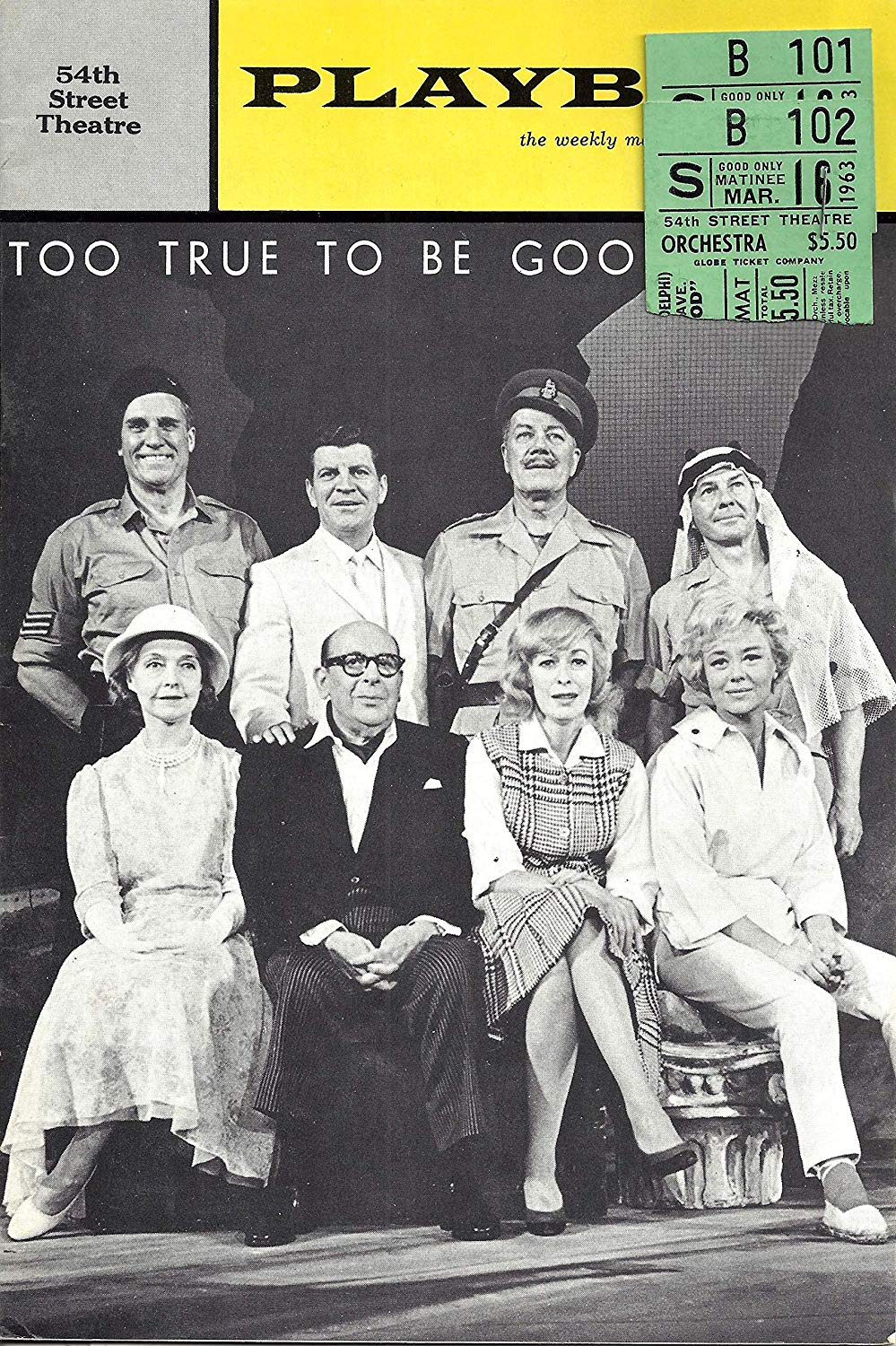
Gemini said
David Wayne (1914–1995) was a versatile American actor who achieved the rare distinction of being a true “actor’s actor” across three mediums. He is historically significant as the first person to ever win a Tony Award (1947), and he remains one of the most respected character actors of Hollywood’s Golden Age.
Known for a “sprightly” energy and a keen intellectual wit, Wayne’s career was defined by his ability to oscillate between whimsey and profound, chilling realism.
1. The Broadway Pioneer
Wayne’s foundation was the stage, where he was a dominant leading force compared to his more supportive roles in film.
Finian’s Rainbow (1947): Playing Og the Leprechaun, Wayne won the inaugural Tony Award for Best Featured Actor in a Musical.
Critical Analysis: Critics marveled at his physicality. He managed to ground a fantastical, magical character with a relatable, “human” yearning. His performance of “When I’m Not Near the Girl I Love” is still cited as a masterclass in comic timing and charm.
The Teahouse of the August Moon (1953): Playing Sakini.
Analysis: He won a second Tony for this role, with the New York Times describing his performance as “wise and pure.” He served as the play’s philosophical narrator, bridge-building between cultures with a “forgiving humor” that prevented the character from becoming a caricature.
2. The Hollywood “Second Banana” and Hidden Range
In Hollywood, Wayne was often the witty, slightly cynical best friend or the sophisticated “cad” who never quite got the girl.
Adam’s Rib (1949): Playing Kip Lurie.
Critical Analysis: Facing off against the powerhouse duo of Spencer Tracy and Katharine Hepburn, Wayne held his own by leaning into a flamboyant, Cole Porter-esque urbanity. He played the “threat” to Tracy’s marriage not with muscles, but with a sharp, musical intellect.
M (1951): Playing the child murderer (the role originated by Peter Lorre).
Analysis: This is Wayne’s most significant departure. Critics who only knew his “affable” persona were shocked by his “uber-creepy” and “chilling” turn. He replaced Lorre’s frantic desperation with a cold, lanky stillness that suggested a deeply disturbed internal world. This role proved his dramatic range was far darker than his musical comedy roots suggested.
How to Marry a Millionaire (1953): Playing Freddie Denmark.
Analysis: Appearing with Marilyn Monroe, Wayne utilized his “underdog charm.” He played the only man in the film who won a woman through genuine kindness and wit rather than money, solidifying his status as the definitive “likable cad.”
3. The Television Elder Statesman
In the latter half of his career, Wayne transitioned into “mature authority figures” and iconic genre roles.
The Andromeda Strain (1971): Playing Dr. Charles Dutton.
Analysis: In this sci-fi classic, Wayne provided the film’s scientific gravity. He stripped away his usual wit for a performance of clinical, high-stakes intelligence, grounding the high-concept plot in believable human anxiety.
Batman (1966) & The Twilight Zone:
As The Mad Hatter on Batman, he leaned back into his theatrical roots, providing a “diabolical brio” that made him a fan-favorite villain.
In the Twilight Zone episode “Escape Clause,” he played a nasty hypochondriac, demonstrating his ability to play unlikable, self-serving characters with a pathetic, tragic edge.
Critical Style & Performance Analysis
| Characteristic | Acting Technique | Effect on Audience |
| Status Play | Mastered the “high-status” intellectual or the “low-status” underdog. | Made him the perfect foil for leading men like Frank Sinatra or Spencer Tracy. |
| Vocal Precision | Crisp, melodic diction with a slight “sly” inflection. | Allowed him to deliver complex, wordy dialogue with effortless clarity. |
| Physical Whimsy | A lanky, energetic movement style (honed in musicals). | Gave even his darker roles a sense of unpredictable, kinetic energy. |
| Reactive Listening | Known as a “watching” actor who stayed in the moment. | Created a deep sense of realism in ensemble scenes; he never “stole” focus, he enhanced it. |
Legacy Summary: David Wayne was the “Architect of the Sophisticated Supporting Role.” While he was a titan on Broadway, his film career is a lesson in how to bring theatrical rigor to character acting. He didn’t just play roles; he “re-thought” them, ensuring that whether he was a leprechaun