



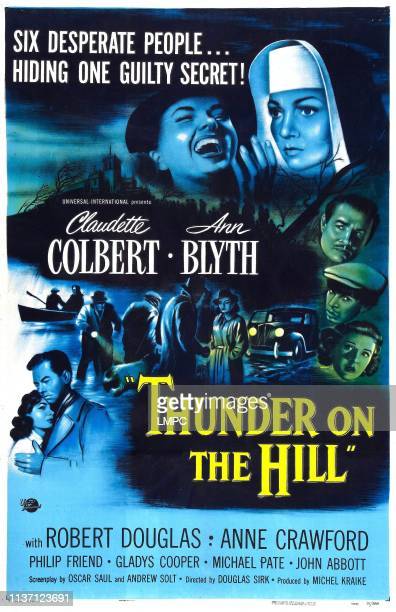
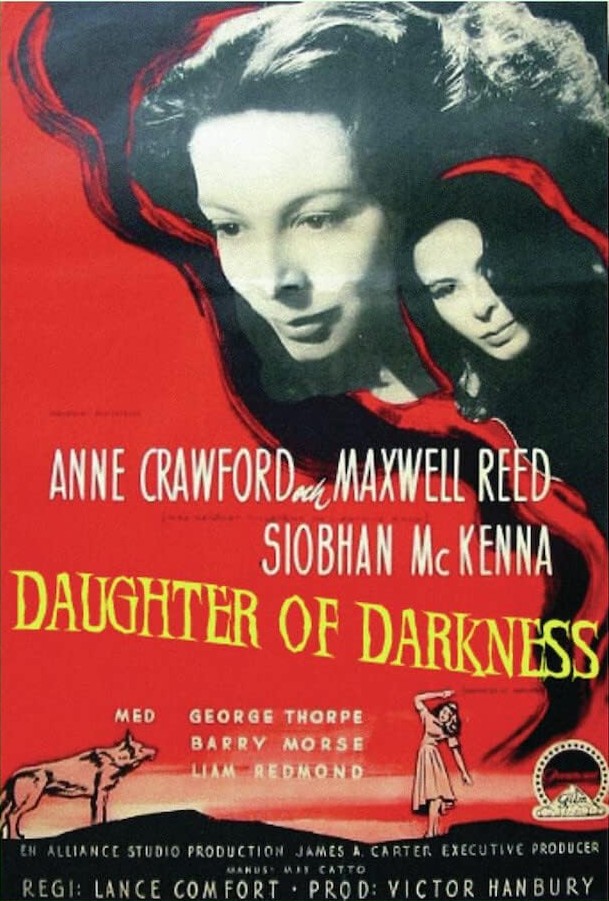
Anne Crawford was born in Haifa, Palestine (now Israel) in 1920.She starred in some terrific British films e.g. “Millions Like Us”, “Daughter of Darkness”, “Bedelia” and “Two Thousand Women”. She made one film in Hollywood “Thunder On the Hill” with Claudette Colbert and Ann Blyth. She died in 1956 aged only 35.
Wikipedia entry:
Anne Crawford was born on November 22, 1920 in Haifa, Palestine as Imelda Crawford. She was an actress, known for Knights of the Round Table (1953), Daughter of Darkness(1948) and The Peterville Diamond (1943). She was married to James Hartley and Wallace Douglas. She died on October 17, 1956 in London, England. Beautiful, sadly short-lived British leading lady with a gentle, good-humoured personality. She was born in Palestine to Scottish parents and raised in Edinburgh.
BFI Tribute to Anne Crawford in 2020.
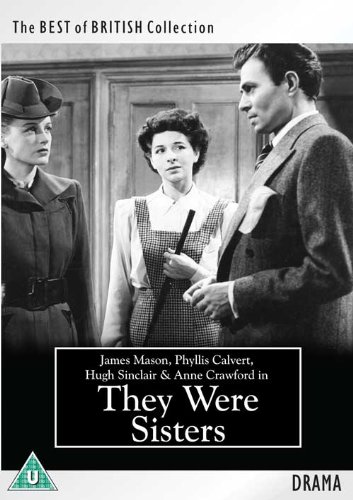
Gainsborough’s 1945 feature film They Were Sisters opens with a close-up of a woman’s thighs clad in stocking-top and suspenders. As the camera pulls back, the owner of the legs so intimately displayed is revealed as Anne Crawford (1920-1956), by then a contract star at the studio. .Her character in the film, the flighty but well-meaning Vera, is typical of the way Gainsborough presented her. While Margaret Lockwood was cultivated as the ‘bad girl’ and Phyllis Calvert was sold as her wholesome counterpart, Crawford was less easily pigeonholed and so was cast as more nuanced characters
Her first film contract was with Warner’s First National, who gave her rewarding roles in some nifty low-budget features. She was paired with masculine heartthrob David Farrar 3 times, most notably in The Dark Tower (1943), in which she plays a circus acrobat hypnotised by Herbert Lom’s character into performing death-defying stunts. When her contract with First National ran its course she was snapped up by Gainsborough, who had already shown their interest by casting her in perfectly formed propaganda feature Millions like Us (1943). As the pampered Jennifer, she arrives at a hostel for female factory workers with cigarette holder in mouth and luggage-toting chauffeur in tow, and some of the film’s best scenes contrast her refined habits with those of her less privileged workmates. Jennifer gradually has the silver spoon prised from her mouth and learns to muck in and mingle with women from all walks of life for the good of the country.
Anne Crawford came from a comfortable background herself. Born Imelda Anne Crawford in Haifa, where her father was paymaster for Palestine Railways, she relocated to Scotland with her family at a young age. Acting and writing were always passions and, after attending RADA on the advice of Alastair Sim, she did repertory theatre in Manchester and York until cinema beckoned.
Her expressive face, her strong, reassuring features softened by blonde waves and her low, rich voice were ideal for film acting. On screen she exuded a laconic, no-nonsense air that belied an intensely professional approach and a kind-heartedness much remarked on by colleagues. A fellow actor described her as “the first, and very nearly the only, female star I have ever met who was completely natural and without affectation or false bonhomie”. Alvin Rakoff recalled the consideration she showed him on his first television directing job, the prime-time serial Strictly Personal (1953), boosting his career by commending his work to the BBC’s head of drama.
She was subsequently cast her in the play Waiting for Gillian (1954), which contributed to her being voted outstanding actress of the year in the Daily Mail Television Awards. This was the culmination of nearly 10 years of broadcasting experience spanning much more than dramatic roles. She appeared on TV panel shows like Play the Game, and even shared tips on decorating lampshades on a women’s magazine programme. On radio, she was a regular guest on Picture Parade and Film Time, introduced forces programme Variety Bandbox and performed in Bob Monkhouse sketch show Mixed Doubles. On the way she became not just a film star but a ‘personality’, such as only the intimacy of broadcasting can create.
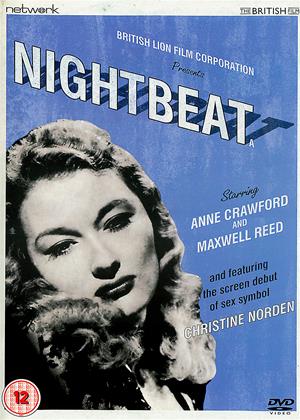
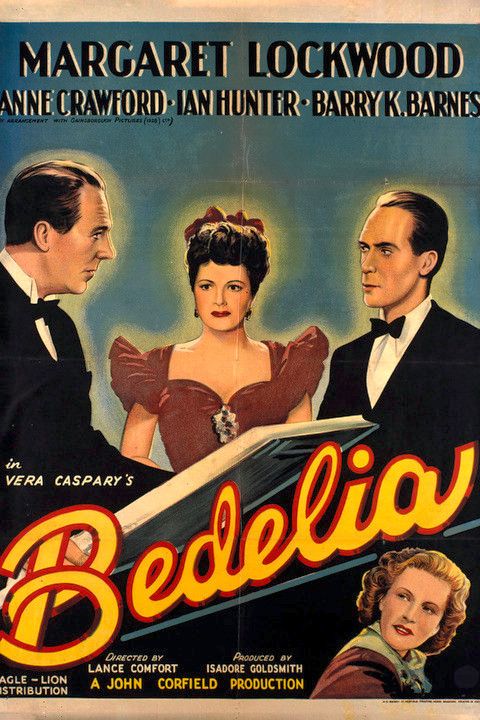
Sadly, all these programmes are lost, so those curious about her talent have only her film performances to go on. She was most often cast as women who were feminine but could hold their own, sometimes battling with wicked women, like the serial killers of Bedelia (1946) and Daughter of Darkness (1948), or caught between respectability and desire in The Blind Goddess and Night Beat (both 1948).
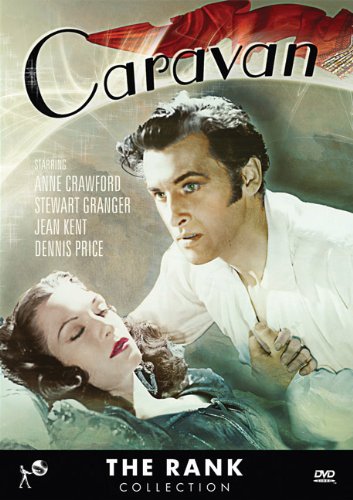
Even her less satisfying roles, in the light comedies It’s Hard to be Good (1948) and Tony Draws a Horse (1950), are worth watching for her strong screen presence. But her best opportunities were at Gainsborough, whether a small role in wartime ensemble piece Two Thousand Women (1944) or the lead in the studio’s most deliciously camp period romp Caravan (1946), in which she endures humiliation at the hands of Dennis Price’s swinish Sir Francis.
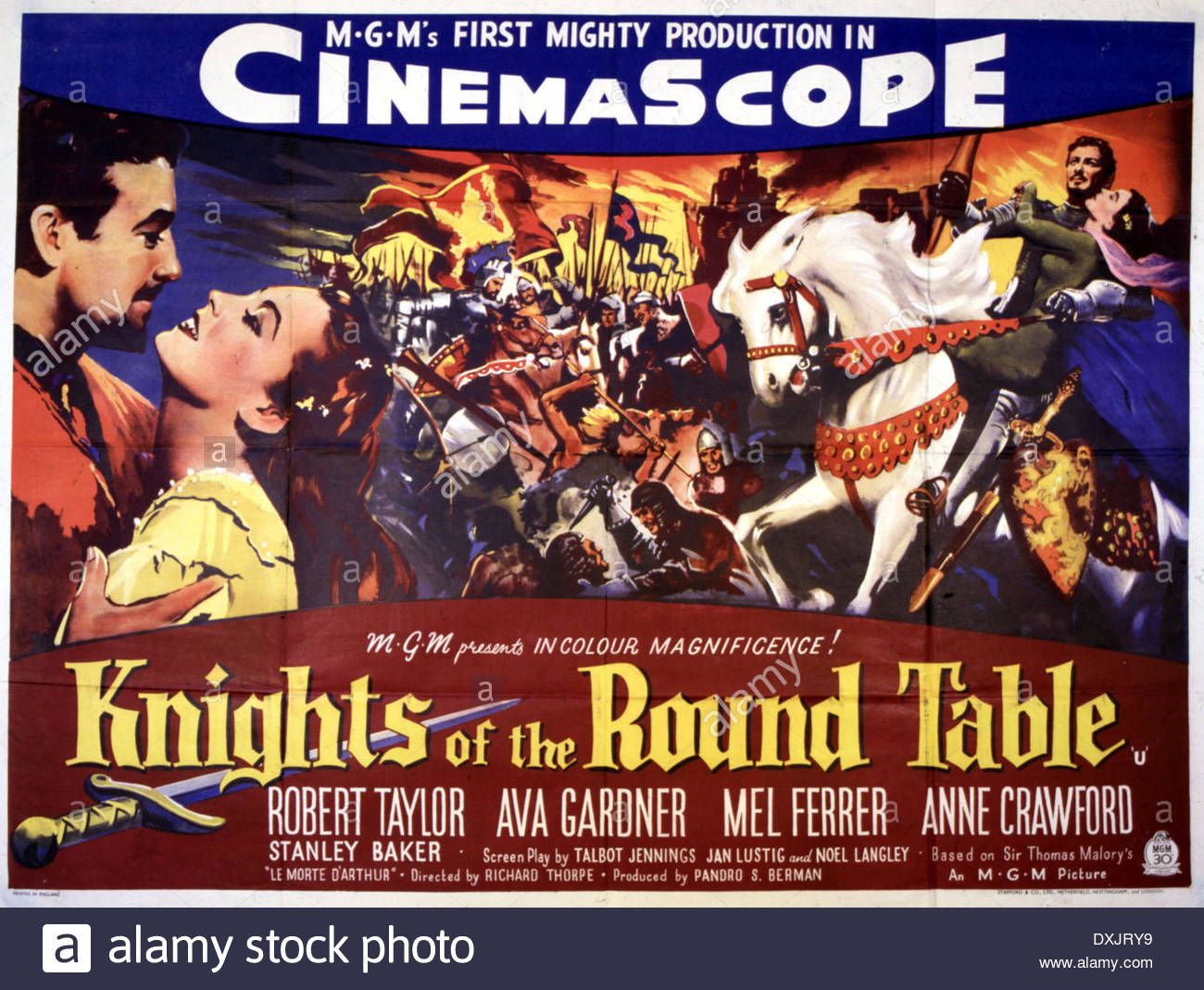
The studio made her a star: in 1946 she apparently received more than a hundred offers of marriage from fans. But into the 1950s leading roles began to dry up, and even a brush with Hollywood failed to rejuvenate her career. As the neurotic wife of a murderous doctor in Douglas Sirk’s Thunder on the Hill (1951) she had little chance to shine, while her role as Morgan Le Fay in the UK-shot The Knights of the Round Table (1953) is most notable for giving audiences a chance to see her in Technicolor.
Apart from another colour feature, a weak follow-up to the 1949 hit Miranda (a role she herself had played on television the same year), Crawford focused on theatre and television for the remainder of her life.
She returned to the stage for her final performance, taking over from Margaret Lockwood in Agatha Christie’s The Spider’s Web at the Savoy Theatre. The role of Clarissa Hailsham-Brown had been written for Lockwood and stepping into it was a brave move for any actress. She managed to carry it off, but her West End success was short-lived. She was diagnosed with Hodgkin’s lymphoma, yet carried on performing despite the pain and fatigue it caused her – and against the wishes of her husband, theatre director Wallace Douglas.
When she died from the disease at just 35, the newspapers emphasised how many projects she left unfinished: her contract with the BBC, a series of television adverts for beauty products and even a campaign for Scottish home rule. Her funeral was attended by both stars and fans, all mourning the loss of a much-loved personality taken far too young
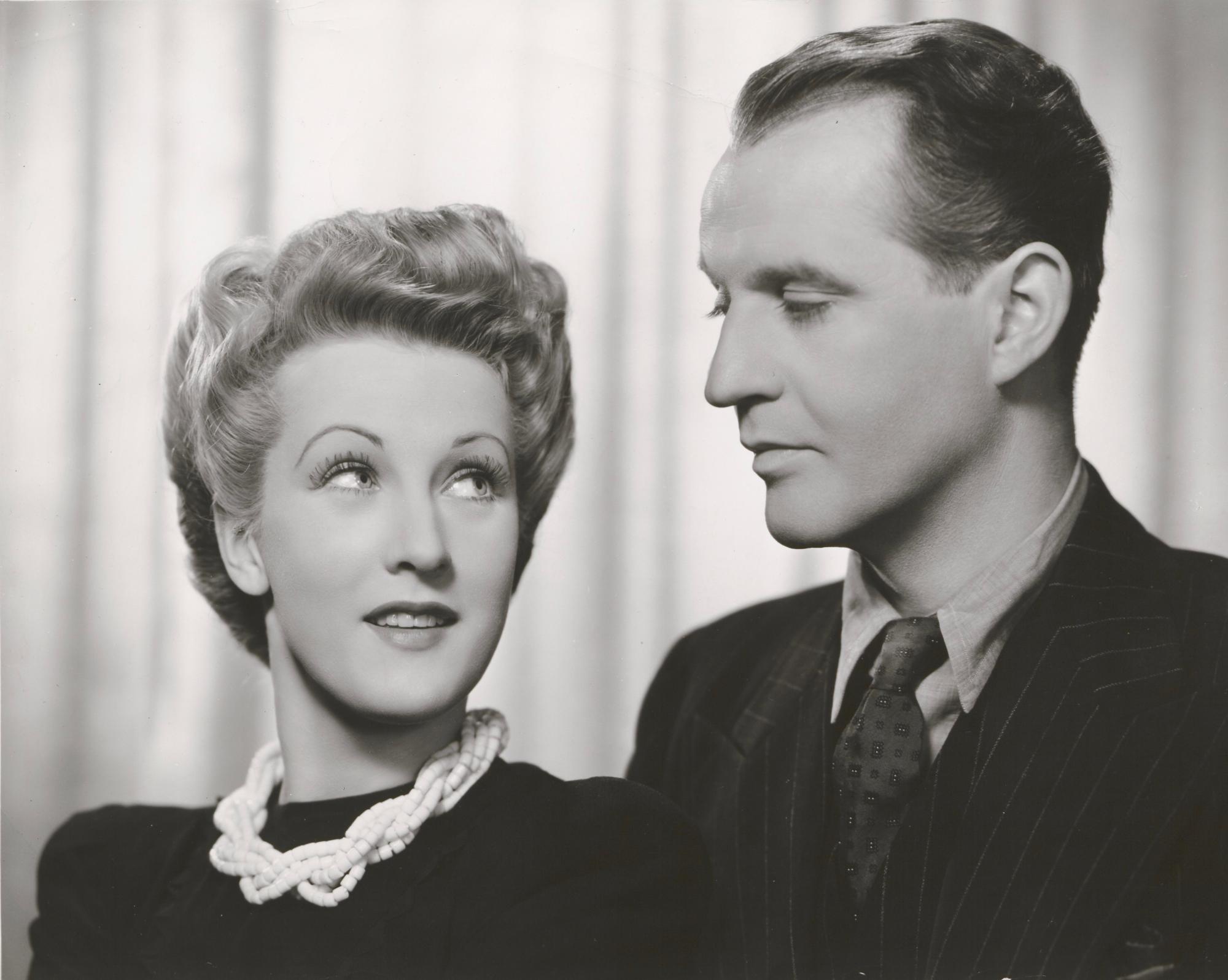
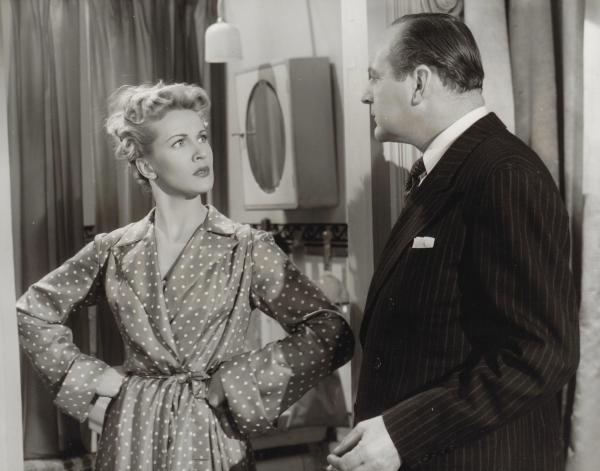
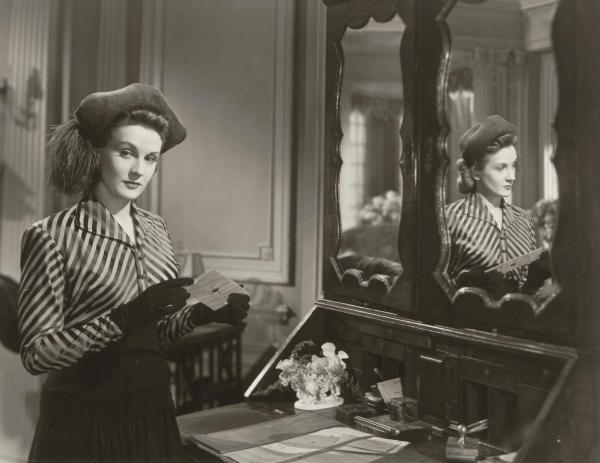
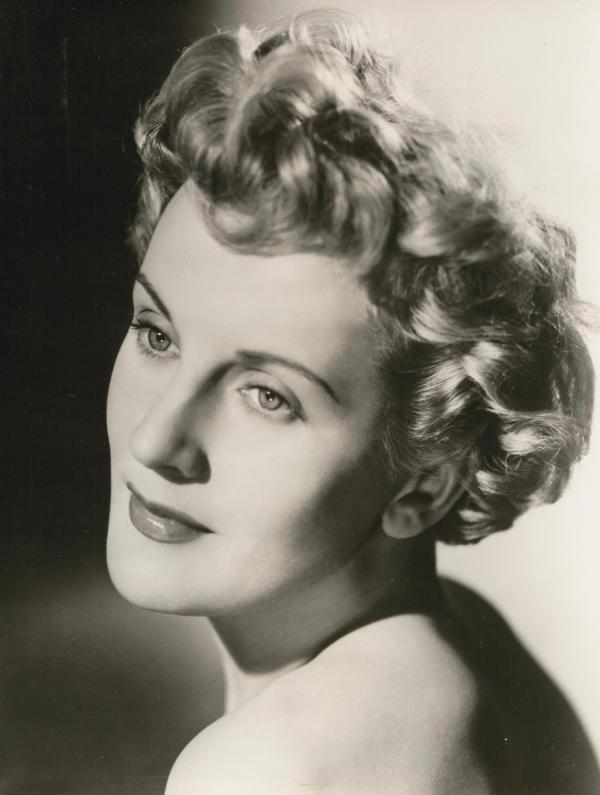
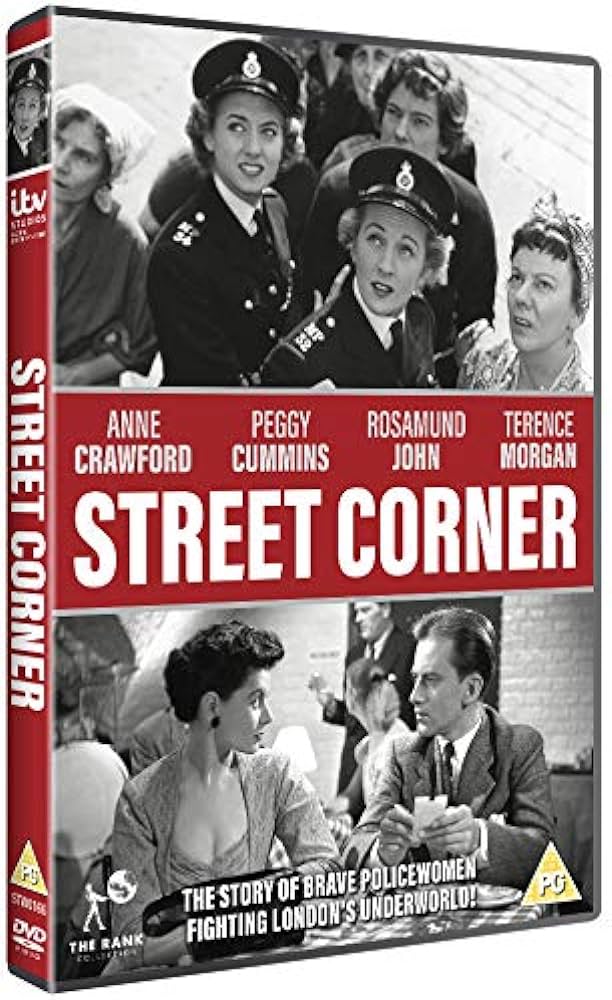
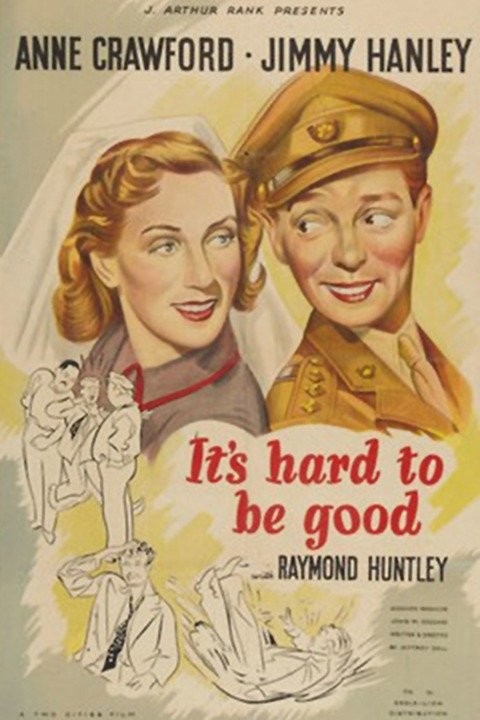
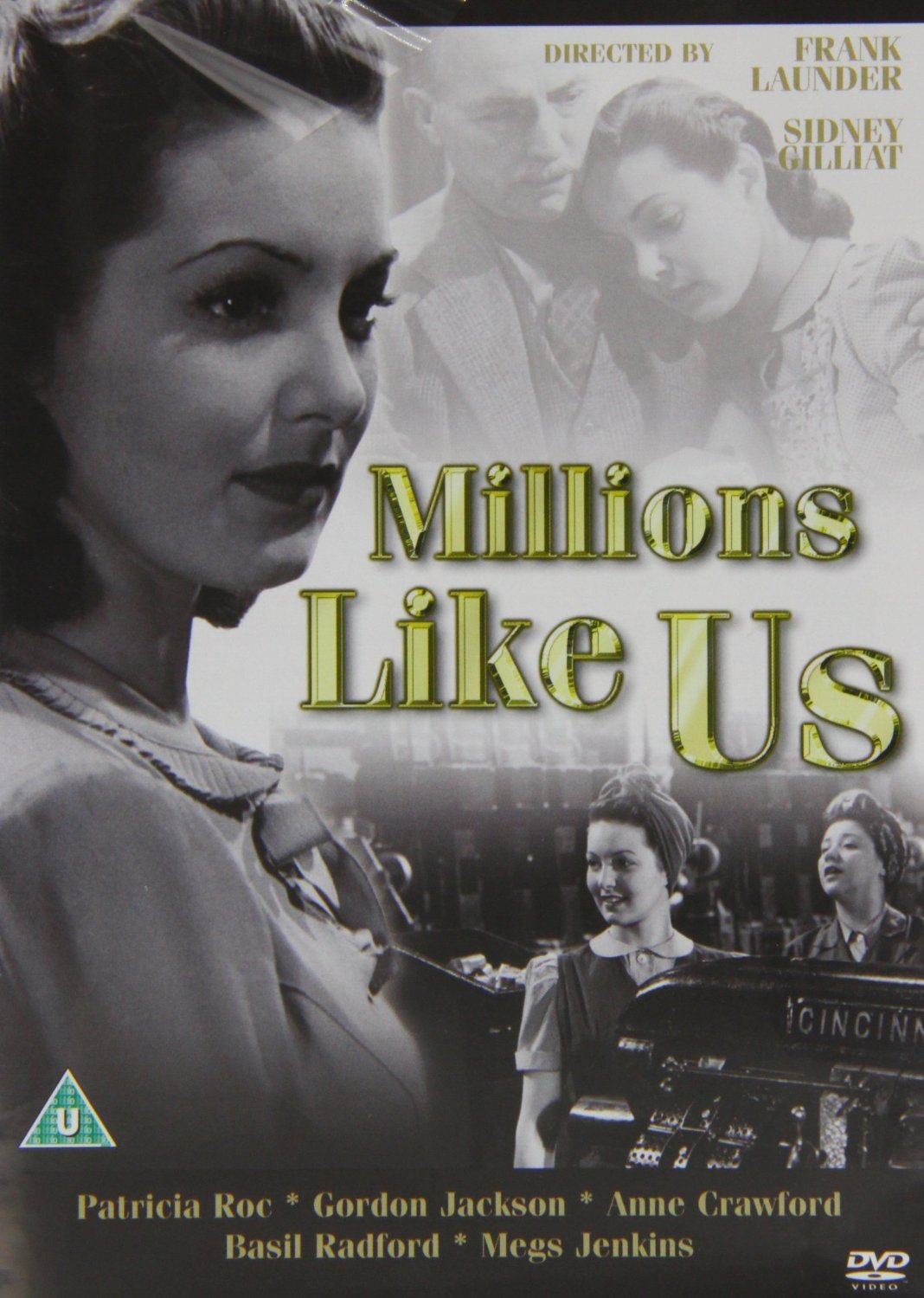
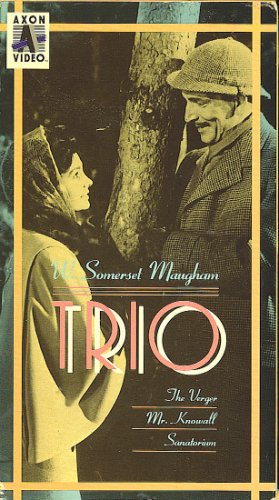
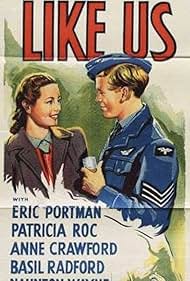
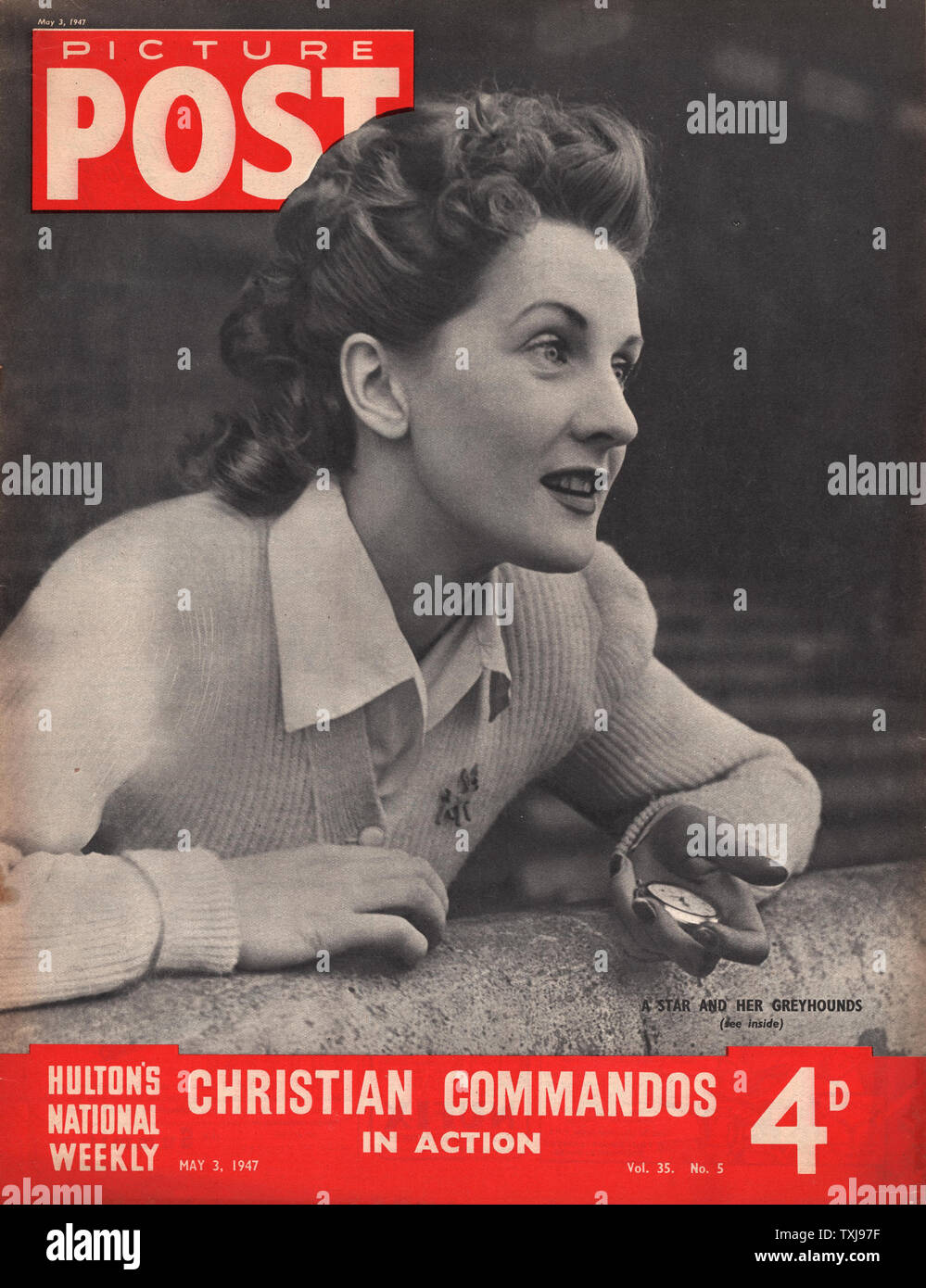
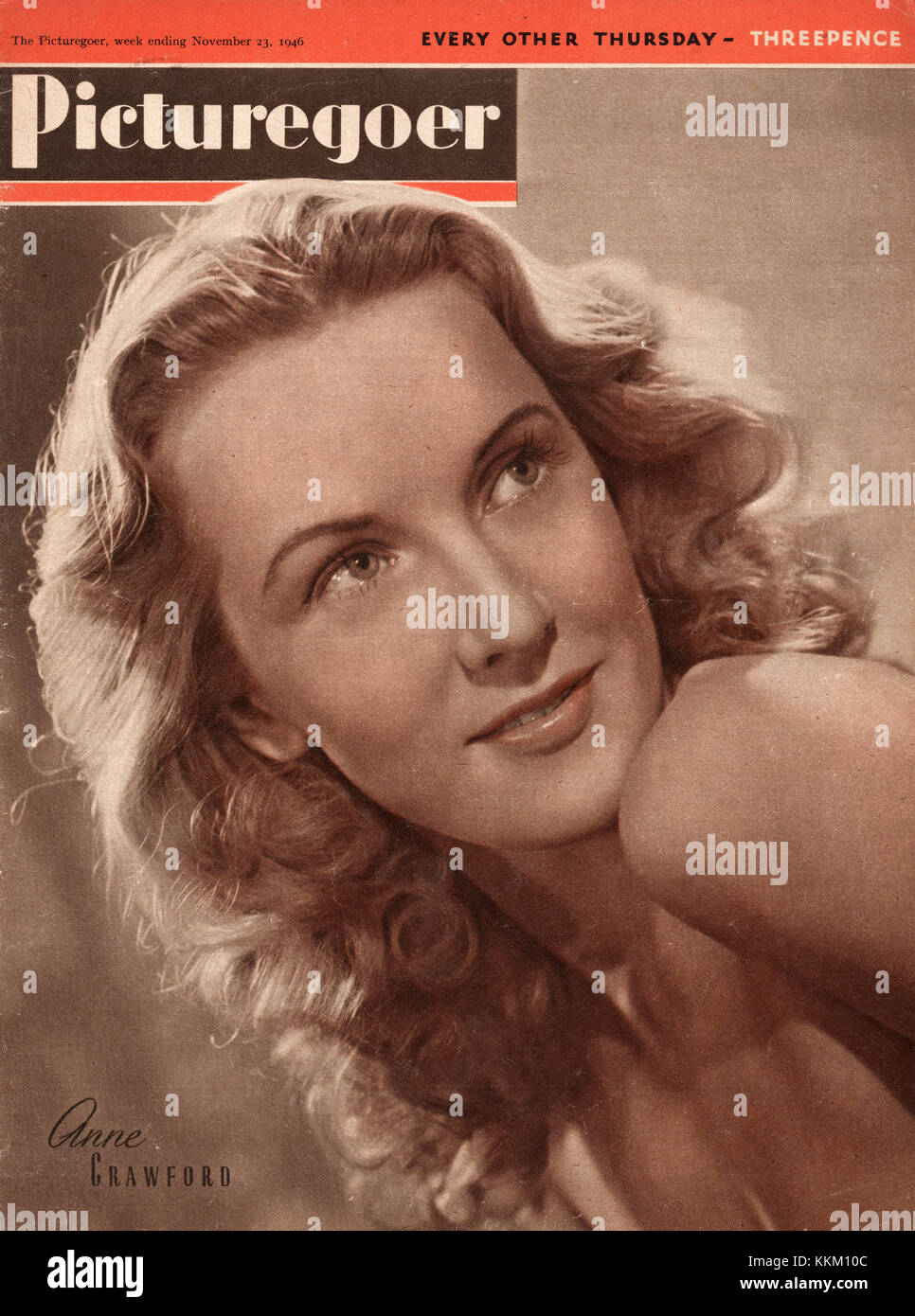
The career of Anne Crawford (1920–1956) is one of the most poignant “what if” stories in British cinema. Often described as the “most beautiful woman in British films,” Crawford was much more than a decorative asset. She possessed a sophisticated, cool, and highly modern intelligence that made her the perfect “third point” in the Gainsborough Trinity alongside Margaret Lockwood and Phyllis Calvert.
Career Overview: The Sophisticated Star
Crawford’s career was a rapid ascent, cut tragically short by leukemia at the age of 35, just as she was transitioning into a formidable stage and television actress.
The Quick Ascent (1940s): After training at RADA and working in repertory theatre, she was signed to a multi-film contract. She quickly became a staple of the Gainsborough melodramas, usually playing the “other woman” or the sophisticated aristocrat.
The Gainsborough “Contrast”: While Lockwood was the “Wicked Lady” and Calvert was the “English Rose,” Crawford was often the “Modern Intellectual.” She starred in hits like Millions Like Us (1943) and 2,000 Women (1944).
The Hollywood Flirtation: Like her peers, she drew interest from American studios, but she remained largely loyal to the British industry, appearing in the lavish Knights of the Round Table (1953) for MGM.
The Final Act: In her final years, she became a pioneer of early British television, starring in the BBC’s The Jill Day Show and a highly acclaimed production of The Constant Wife shortly before her death in 1956.
Detailed Critical Analysis: The “Cool” Interiority
1. The Subversion of the “Snob” Archetype
Crawford was frequently cast as the high-society girl, a role that could easily have become a caricature.
Analysis: In the wartime masterpiece Millions Like Us, she plays Jennifer Knowles, an upper-class girl drafted into a factory. Critics praised her for the arc of her character. She began with a brittle, defensive snobbery but slowly revealed a profound, lonely vulnerability. Crawford used a “clipped” vocal delivery that she gradually softened, demonstrating a technical mastery of character evolution that was rare in ensemble propaganda films.
2. The “Modern” Screen Presence
Unlike the theatricality of the 1930s stars, Crawford had a naturalistic “cool.”
Critical Insight: She was often compared to American stars like Grace Kelly or Myrna Loy. She had a “dry” wit and a way of delivering lines with a slight, ironic smile. In They Were Sisters (1945), she played the sister who chooses a stable, if unexciting, marriage. She managed to make “normality” look sophisticated, providing a grounded reality that balanced the high-octane melodrama of her co-stars.
3. The “Stature” of the Supporting Lead
Crawford was a master of the “Scene-Stealing” supporting role.
Technical Analysis: In 2,000 Women, she held her own in a massive female ensemble. While Calvert provided the heart, Crawford provided the narrative friction. She had a commanding physical presence—tall, poised, and elegant—which she used to dominate the frame even when she wasn’t the primary focus of the dialogue.
4. The Tragedy of the Unfinished Arc
Critics of the 1950s noted that Crawford was just beginning to find her “true voice” on the stage and in early television.
Critical View: Her final performances showed a move away from the “chic” roles toward more complex, mature character studies. Had she lived, historians argue she would have become the definitive “High Comedy” actress of the 1960s, a British equivalent to the witty, sophisticated women of the New York stage.
Key Filmography & Comparison
| Year | Title | Role | Note |
| 1943 | Millions Like Us | Jennifer Knowles | Her most critically enduring performance. |
| 1944 | 2,000 Women | Margaret Long | Demonstrated her strength in female-led ensembles. |
| 1945 | They Were Sisters | Lucy | A subtle study of domestic pragmatism. |
| 1945 | The Girl in the News | Anne Grahame | An early Hitchcock-adjacent thriller. |
| 1953 | Knights of the Round Table | Morgan Le Fay | Her most famous international/Hollywood-style role. |
Anne Crawford’s legacy is defined by elegance paired with intellect. She was the “Thinking Man’s” Gainsborough star—a woman who represented a bridge between the old-world class system and the new, independent woman of the post-war era. Though her filmography is smaller than Lockwood’s or Calvert’s, her impact as a sophisticated, modern presence remains a high-water mark of British Golden Age cinema