

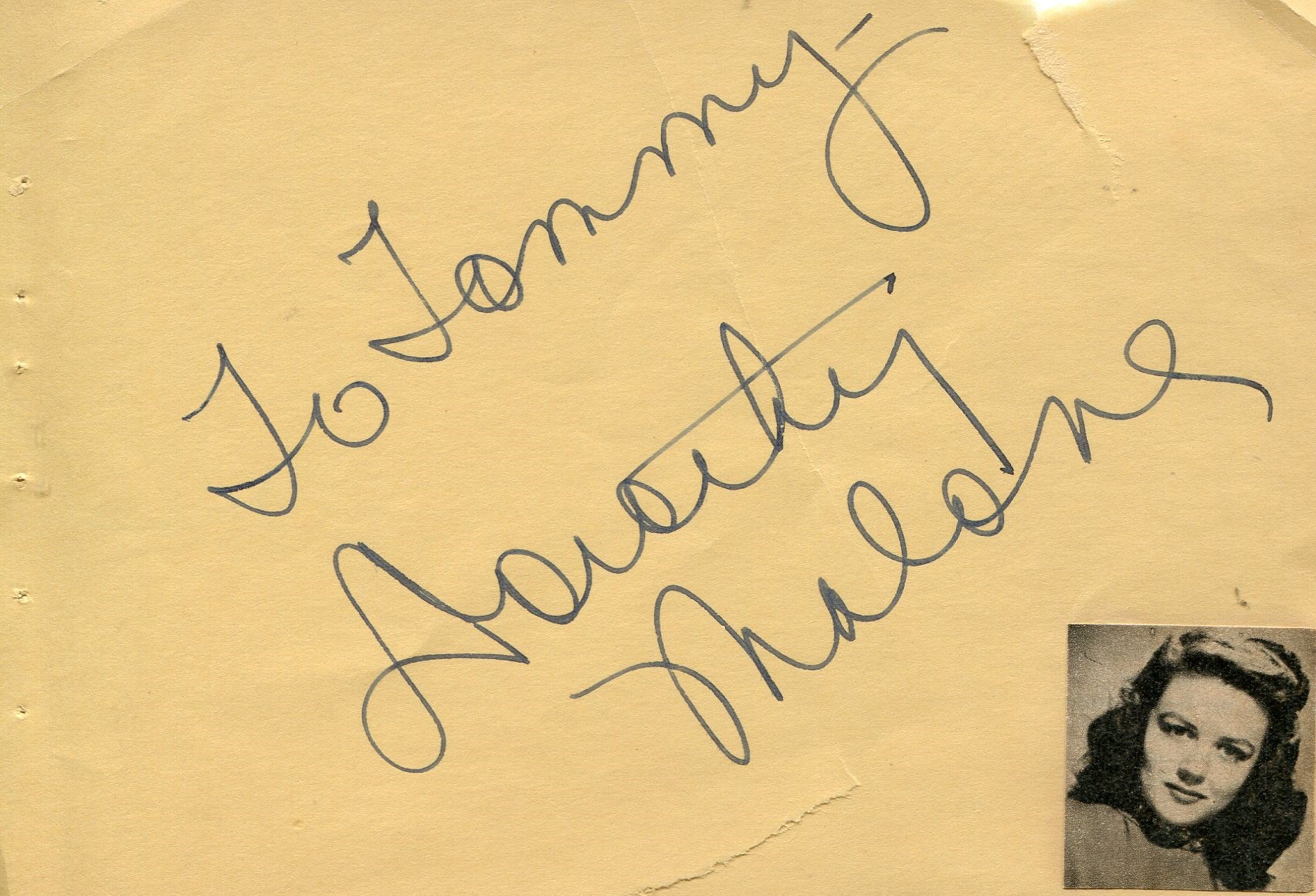
The guardian obituary in 2018.
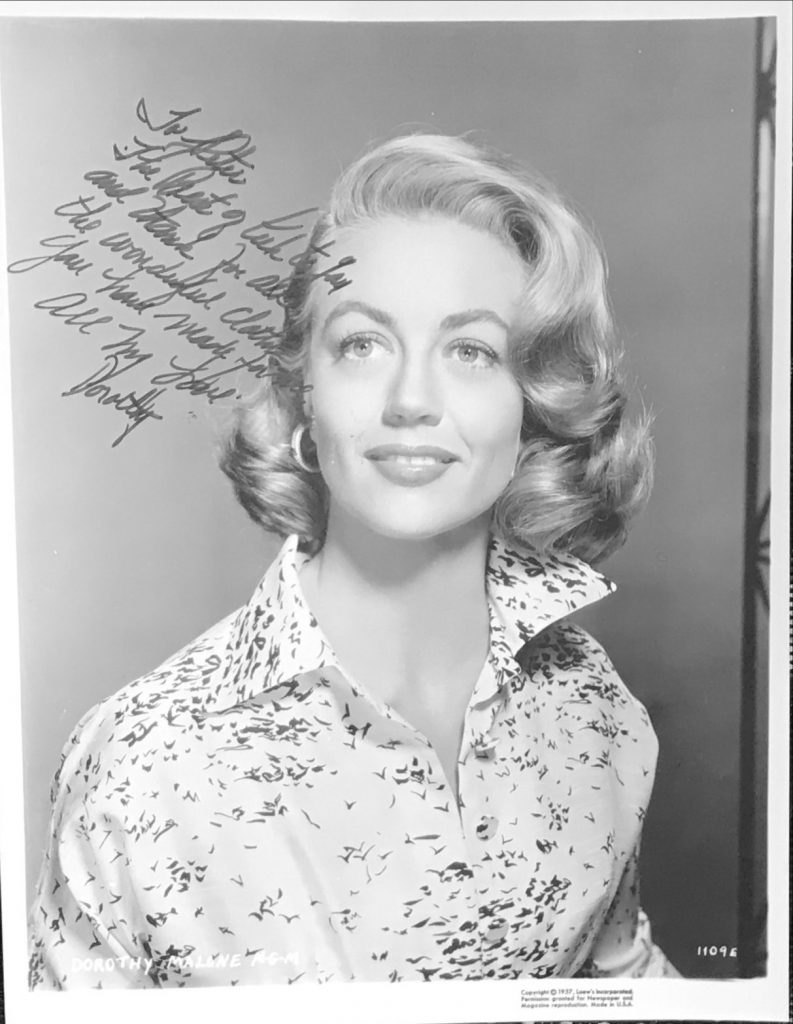
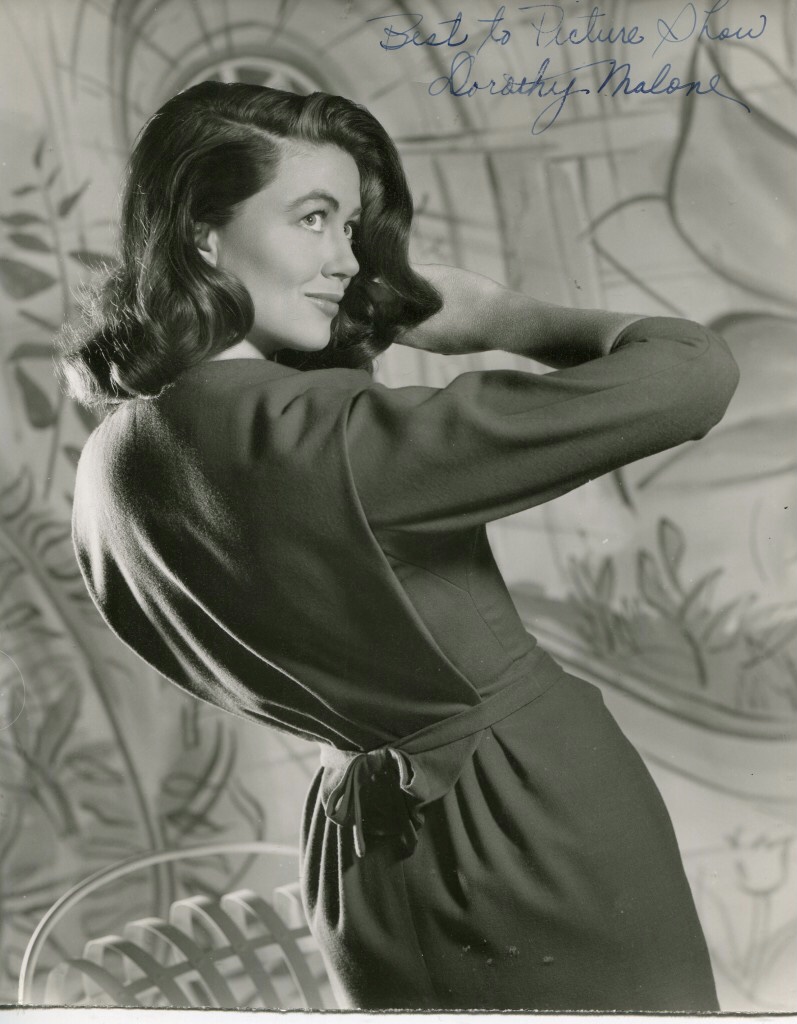
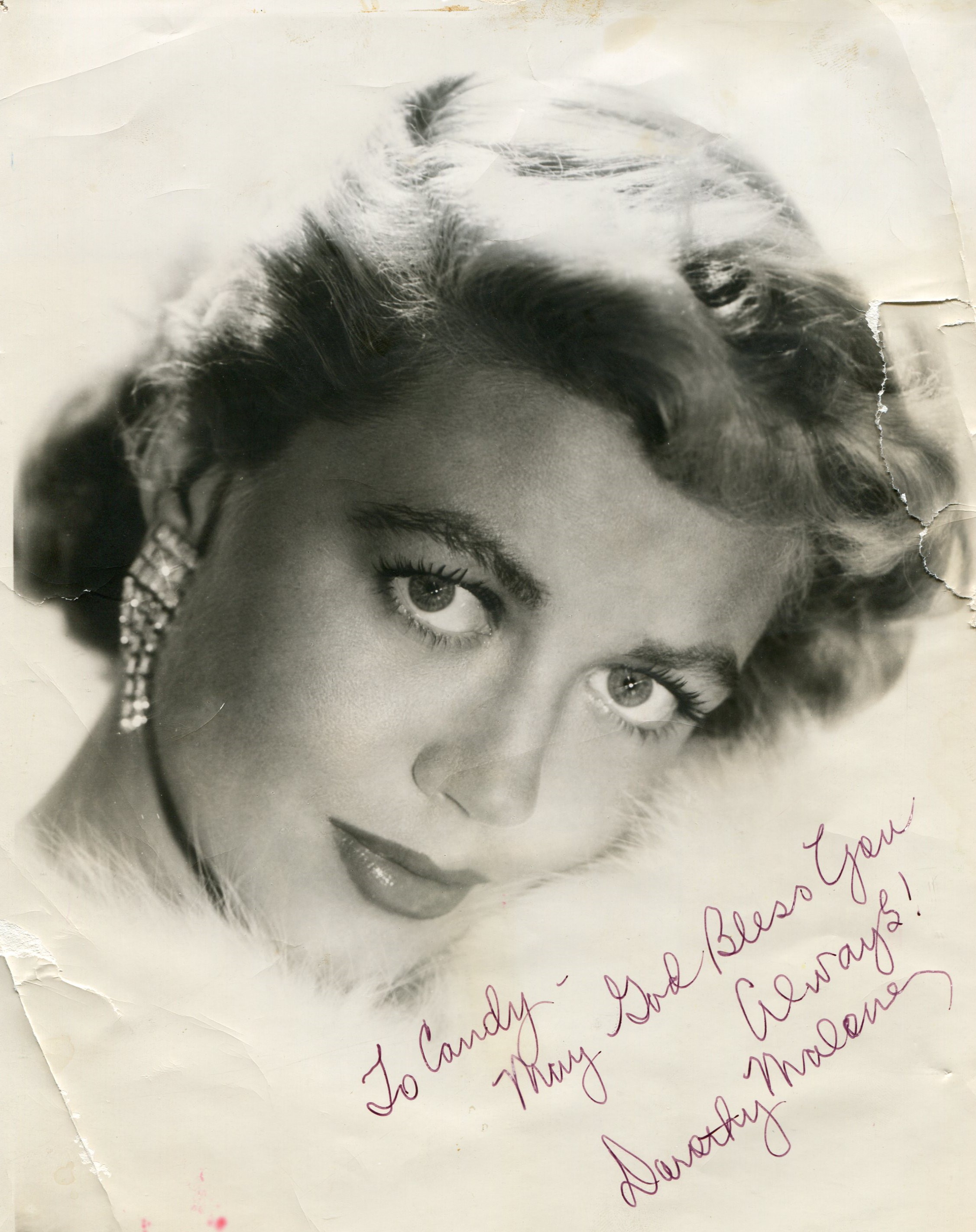
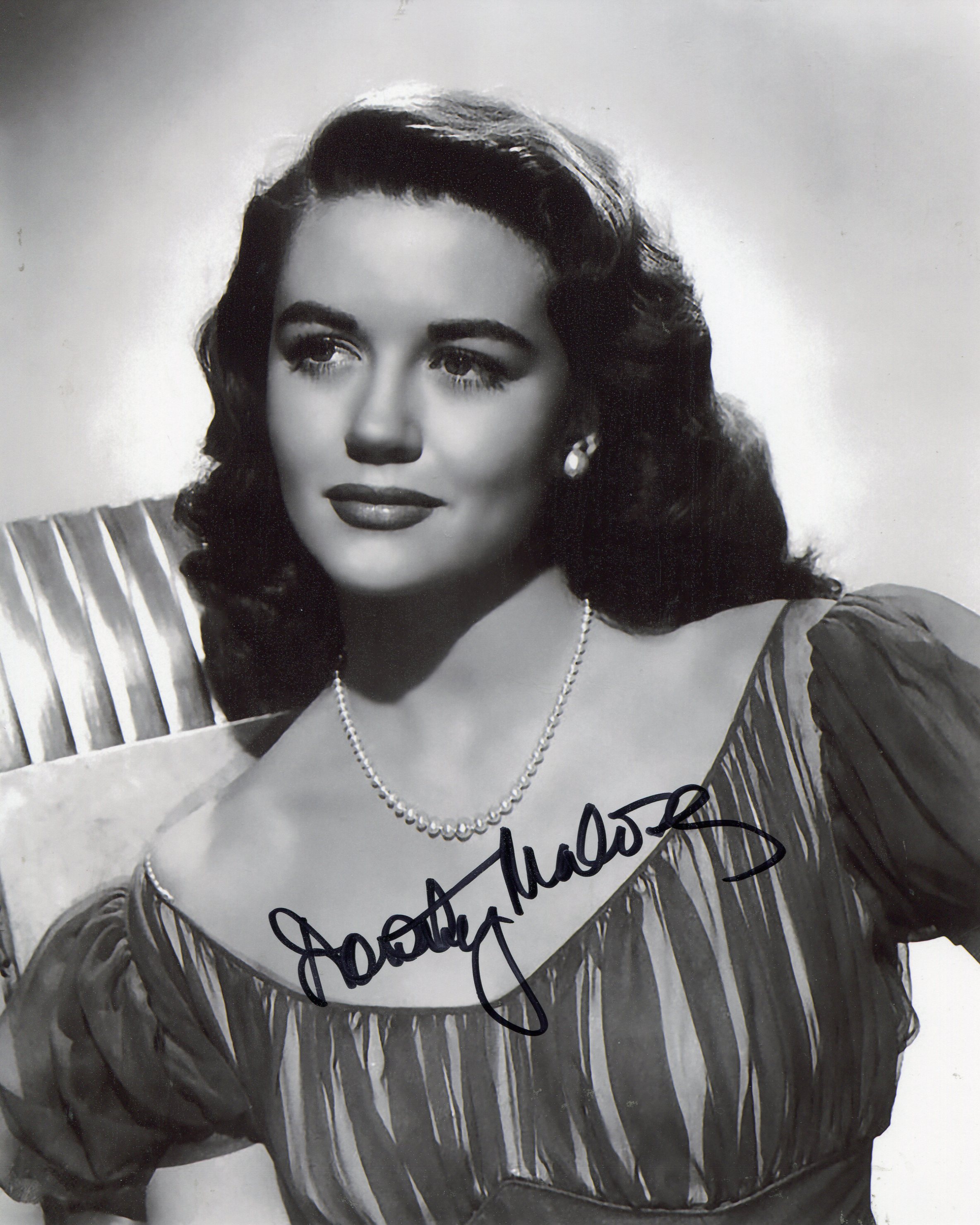
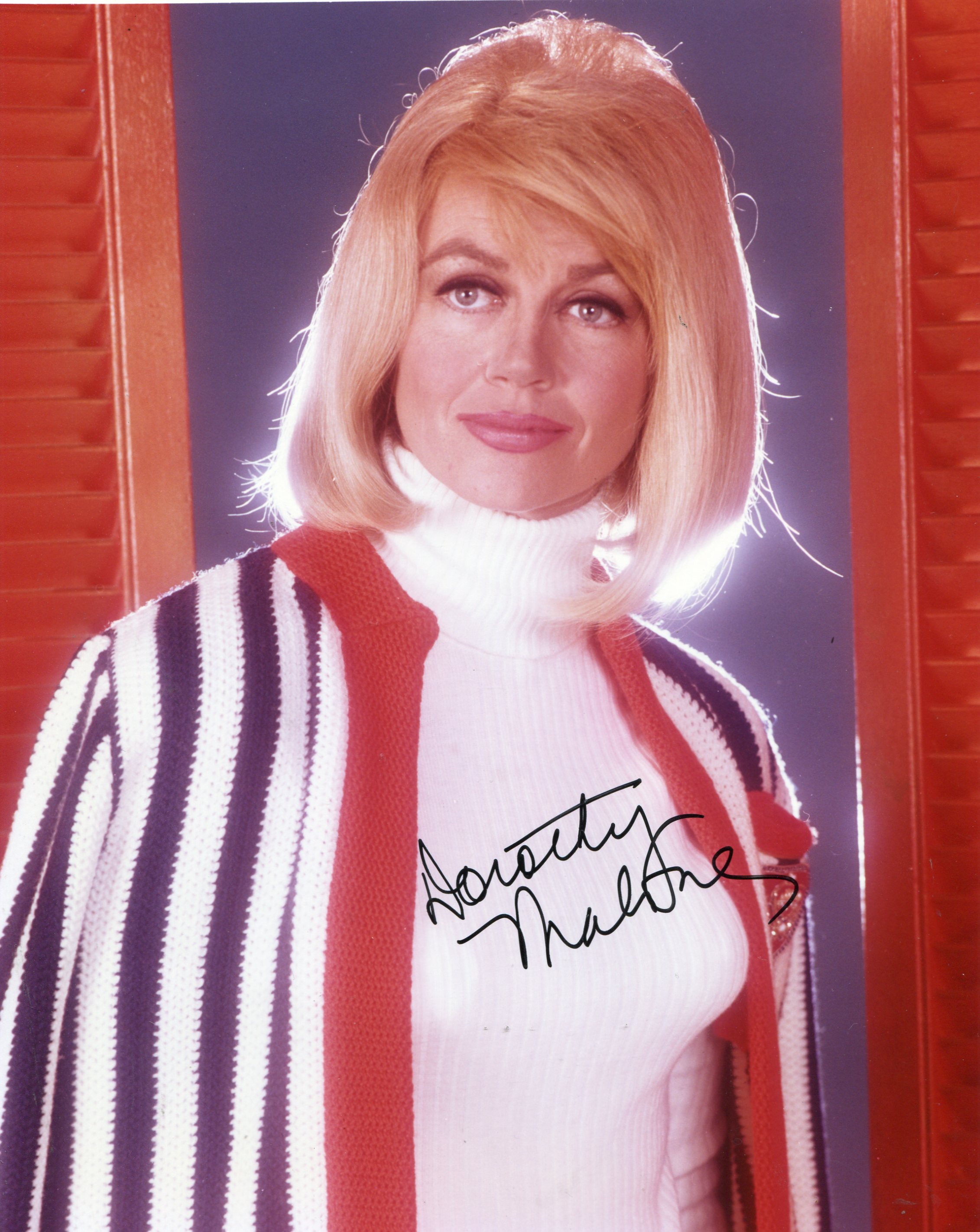
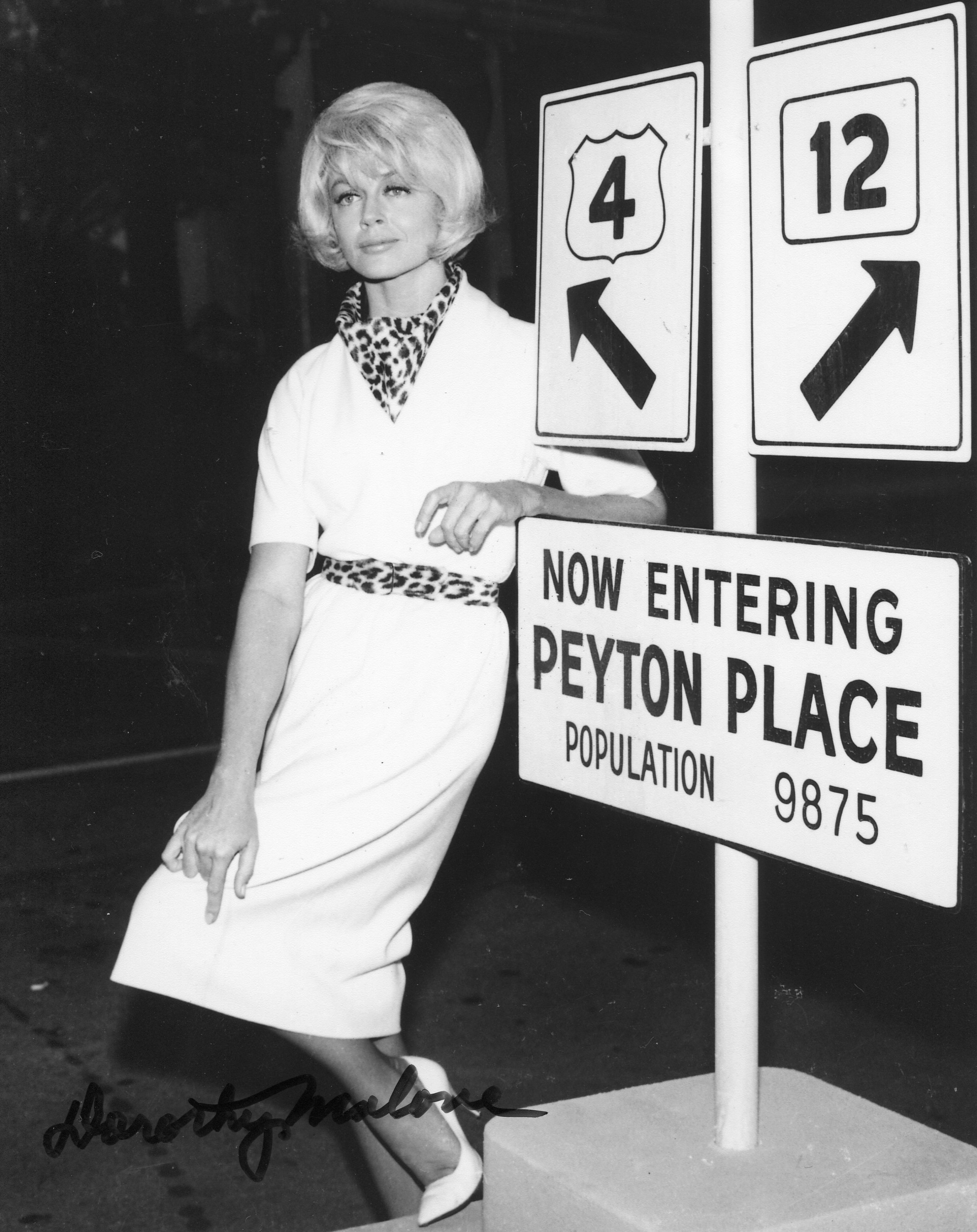
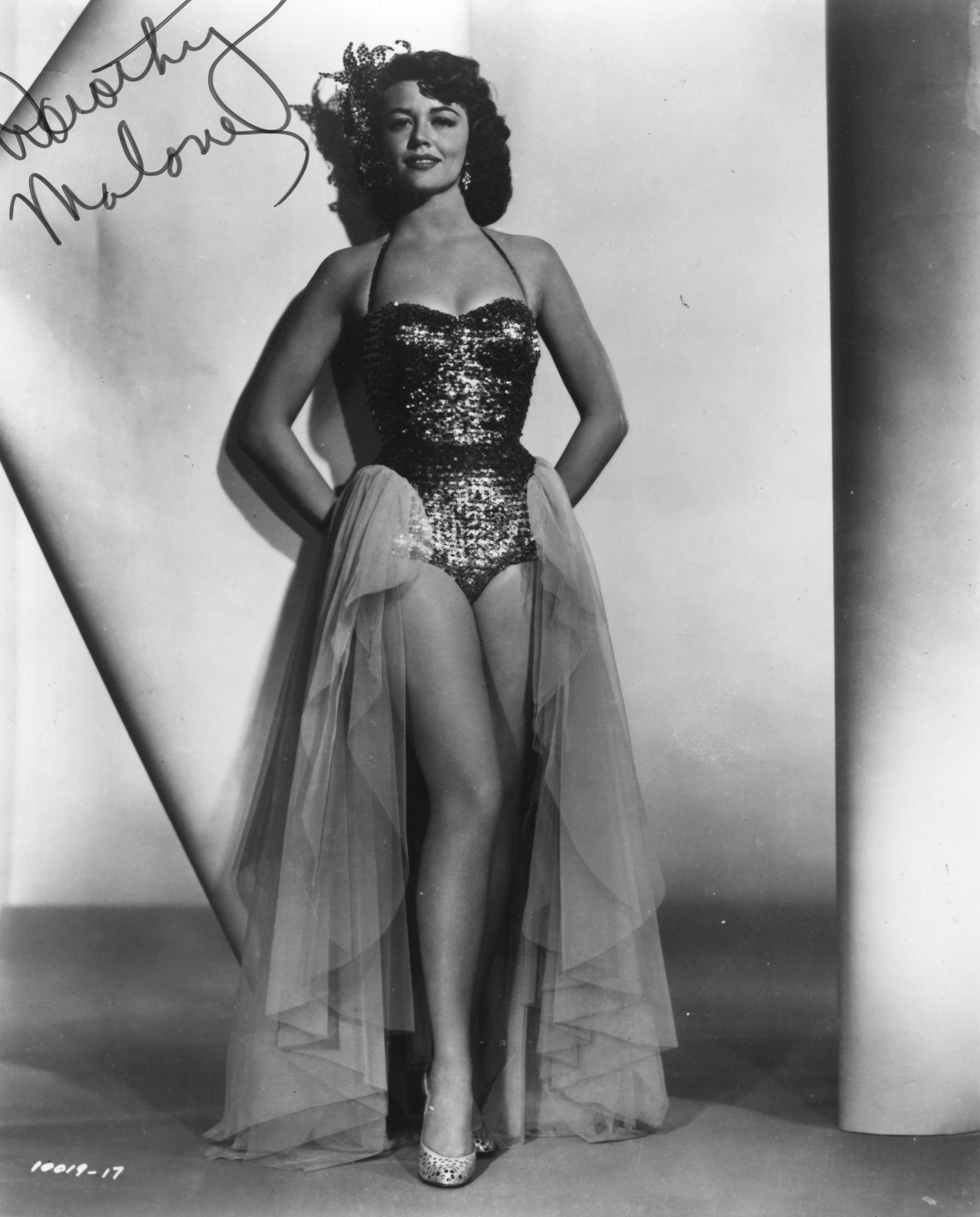
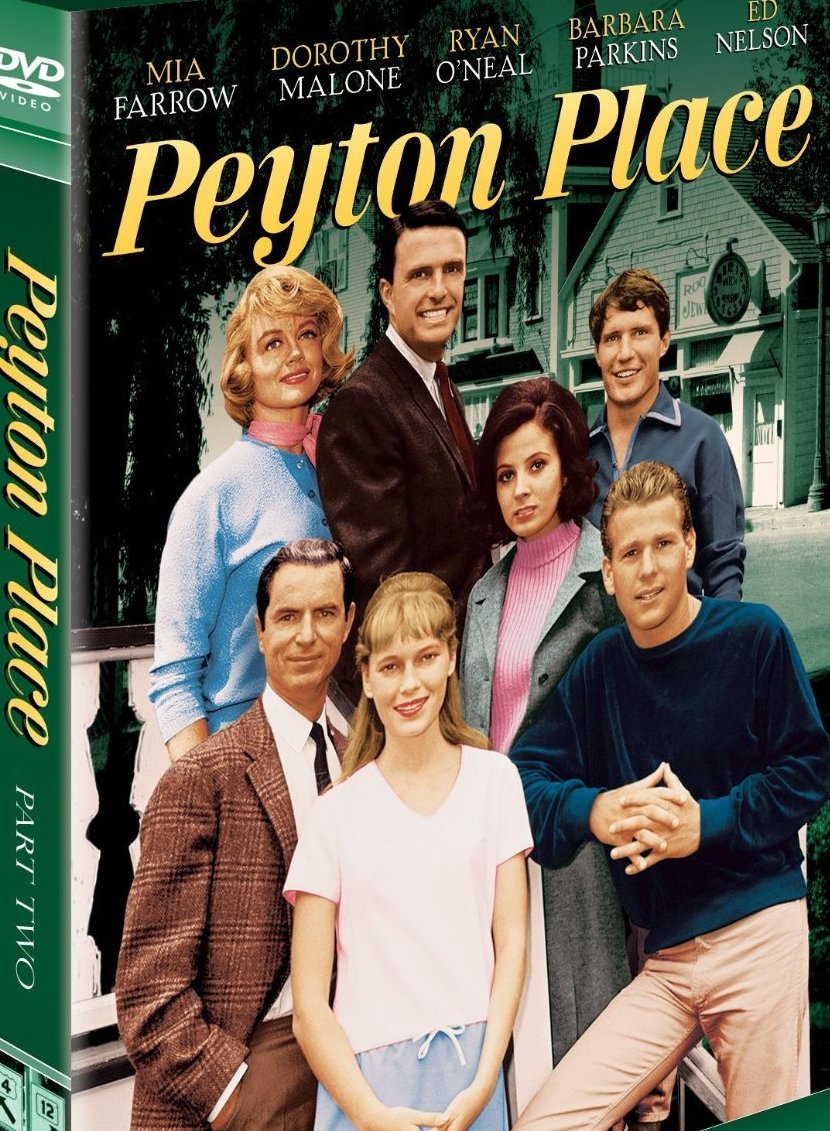
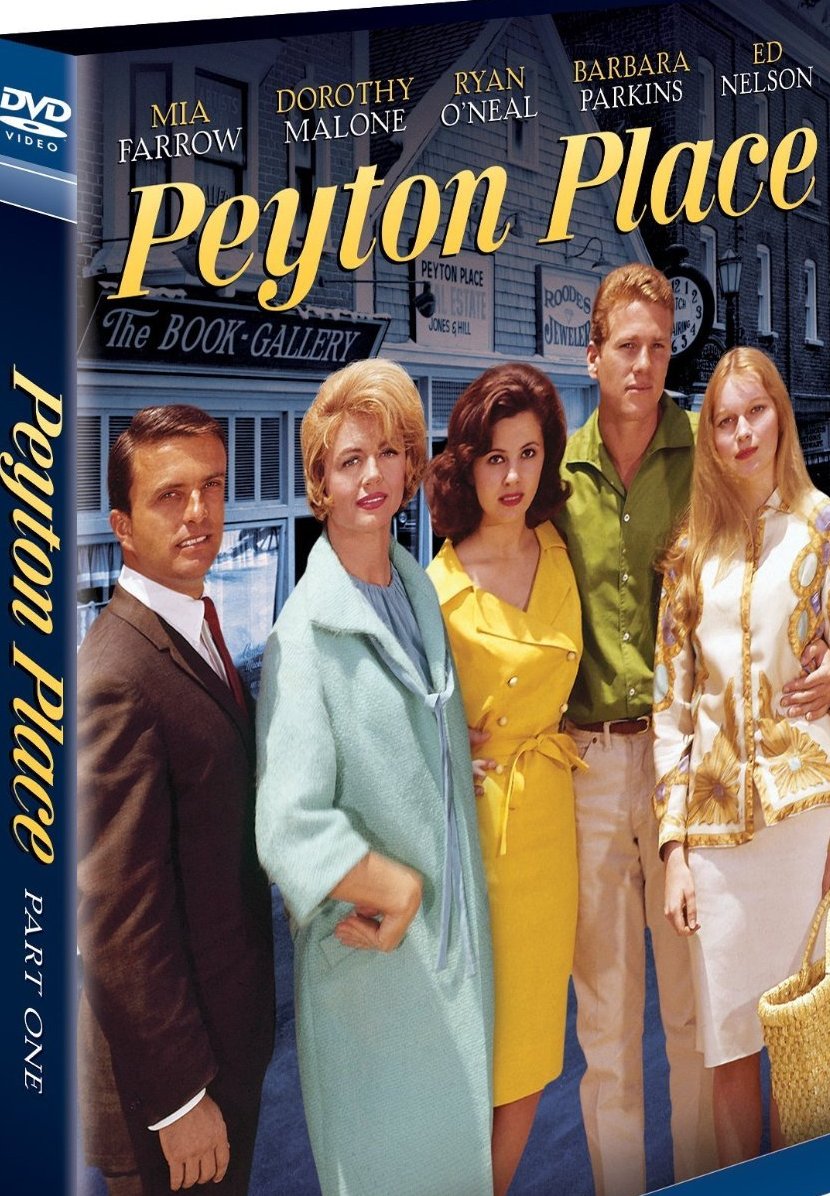
Although the Hollywood star Dorothy Malone, who has died aged 92, appeared in only a handful of works of distinction in a fairly lengthy career, they were good enough to secure her place in film history. On those occasions when the role permitted, most notably in two flamboyant melodramas directed by Douglas Sirk, Written on the Wind (1956) and The Tarnished Angels (1957), Malone revealed what a talented performer she could be, one capable of projecting a potent blend of cynicism, sexuality and intelligence. However, she was probably most familiar to the general public as Constance MacKenzie in Peyton Place (1964-68), one of the first primetime TV soap operas.
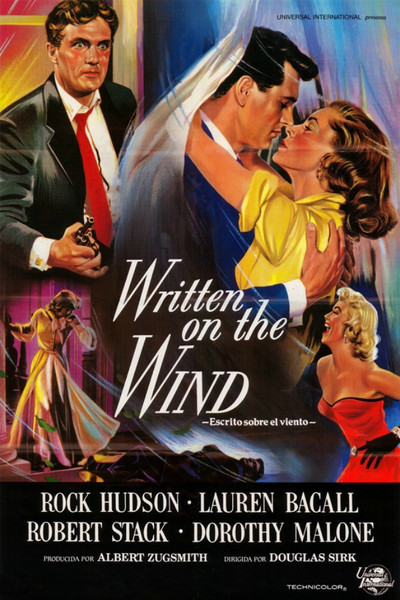
In Written on the Wind, Malone played Marylee, an oil heiress, sister of an alcoholic playboy Kyle Hadley (Robert Stack). She’s in love with Kyle’s best friend Mitch (Rock Hudson), but he’s in love with Kyle’s pregnant wife Lucy (Lauren Bacall). Jealous, Marylee convinces Kyle that Lucy’s baby really belongs to Mitch. Her wild erotic dance to a loud mambo beat, intercut with scenes of her father’s fatal heart attack, is one of the great sequences of 1950s Hollywood melodrama. “It was a miracle that I got her to do the scene,” Sirk recalled. “She was very prudish … I even had to watch my language. If I said, ‘This scene needs more balls’, she’d walk off the set.” Malone, upstaging even Bacall, won the best supporting actress Oscar.
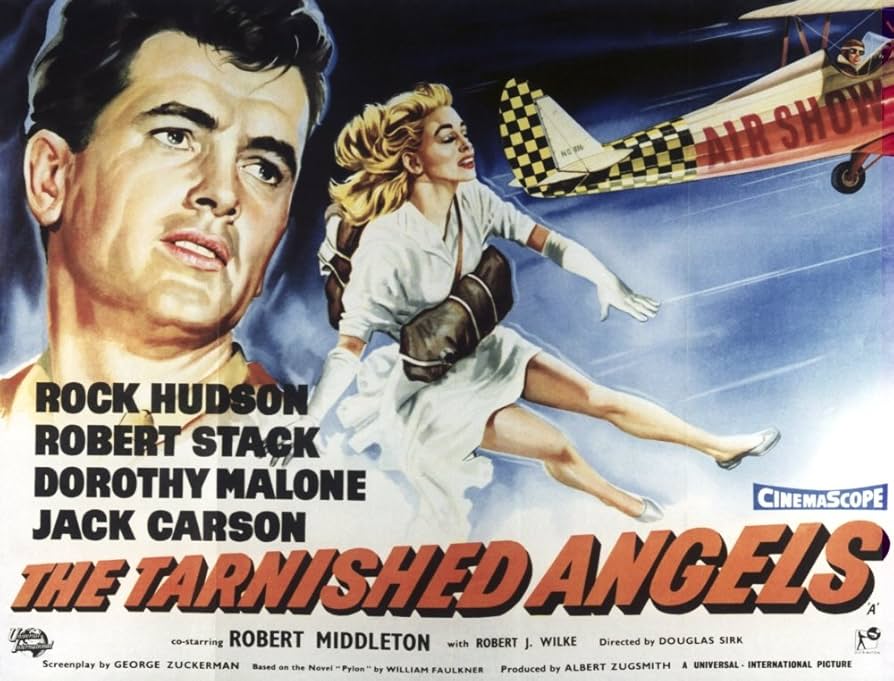
Sirk reunited Malone, Hudson and Stack for The Tarnished Angels, skilfully adapted from the William Faulkner novel Pylon. Stack played a daredevil pilot performing at air shows with Malone as his neglected parachutist wife. She is the film’s fulcrum – vulnerable, naïve and yet with a fierce sexuality – caught between her disillusioned husband and a run-down alcoholic journalist (Hudson). The latter reacts towards her with a mixture of lust and pity, bragging that he “sat up half the night discussing literature and life with a beautiful, half-naked blonde.
She was born Dorothy Maloney in Chicago and brought up in Dallas, Texas, one of five children of Robert Maloney, an accountant, and his wife, Esther (nee Smith). She attended Ursuline Convent and Highland Park high school, both in Dallas. Following graduation, she studied at Southern Methodist University with the intention of becoming a nurse, but a role in a college play happened to catch the eye of an RKO talent scout and, aged 18, she was offered a Hollywood contract
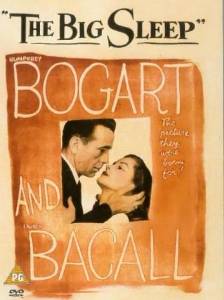
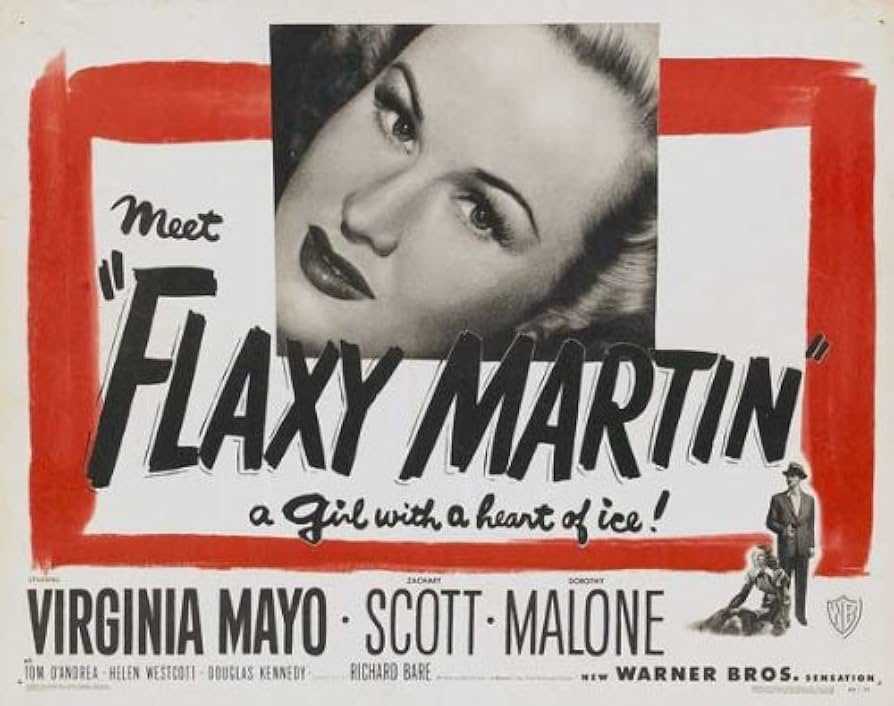
The studio gave her nothing more than bit parts in eight movies for a year, so she switched to Warner Bros. Among Malone’s first films at Warners was Howard Hawks’s classic film noir The Big Sleep (1946) in which, despite appearing in a single sequence lasting a little over three minutes, she made a huge impact. The scene, which Hawks considered cutting because it was not indispensable to the complicated plot, was saved, according to the director, “just because the girl was so damn pretty”.
It involved the private eye Philip Marlowe (Humphrey Bogart), on a case, popping into a bookshop run by Malone, to find out if she knows the suspicious owner of a rival bookshop across the road. She is bespectacled and wears her hair up – a Hollywood signifier of an intellectual – though she seems to be flirting with him. “You begin to interest me … vaguely,” she says. Marlowe starts to leave, but it is raining outside and when she says, “It’s coming down pretty hard out there,” something in her voice suggests she wants him to stay.
“You know, as it happens I have a bottle of pretty good rye in my pocket,” he says. “I’d a lot rather get wet in here.” She puts the closed sign on the door, lowers the shade, takes her glasses off and lets down her hair. “Looks like we’re closed for the rest of the afternoon,” she says. Audiences were left to make up their own minds about what happened next.
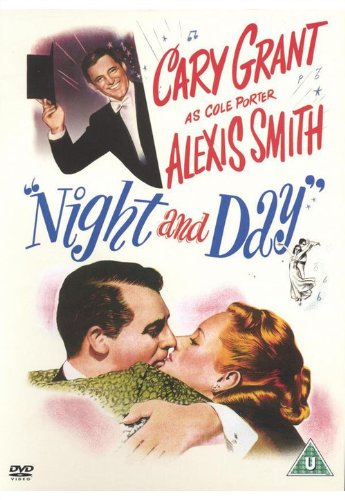
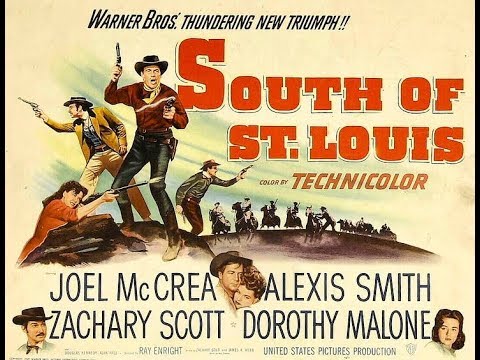
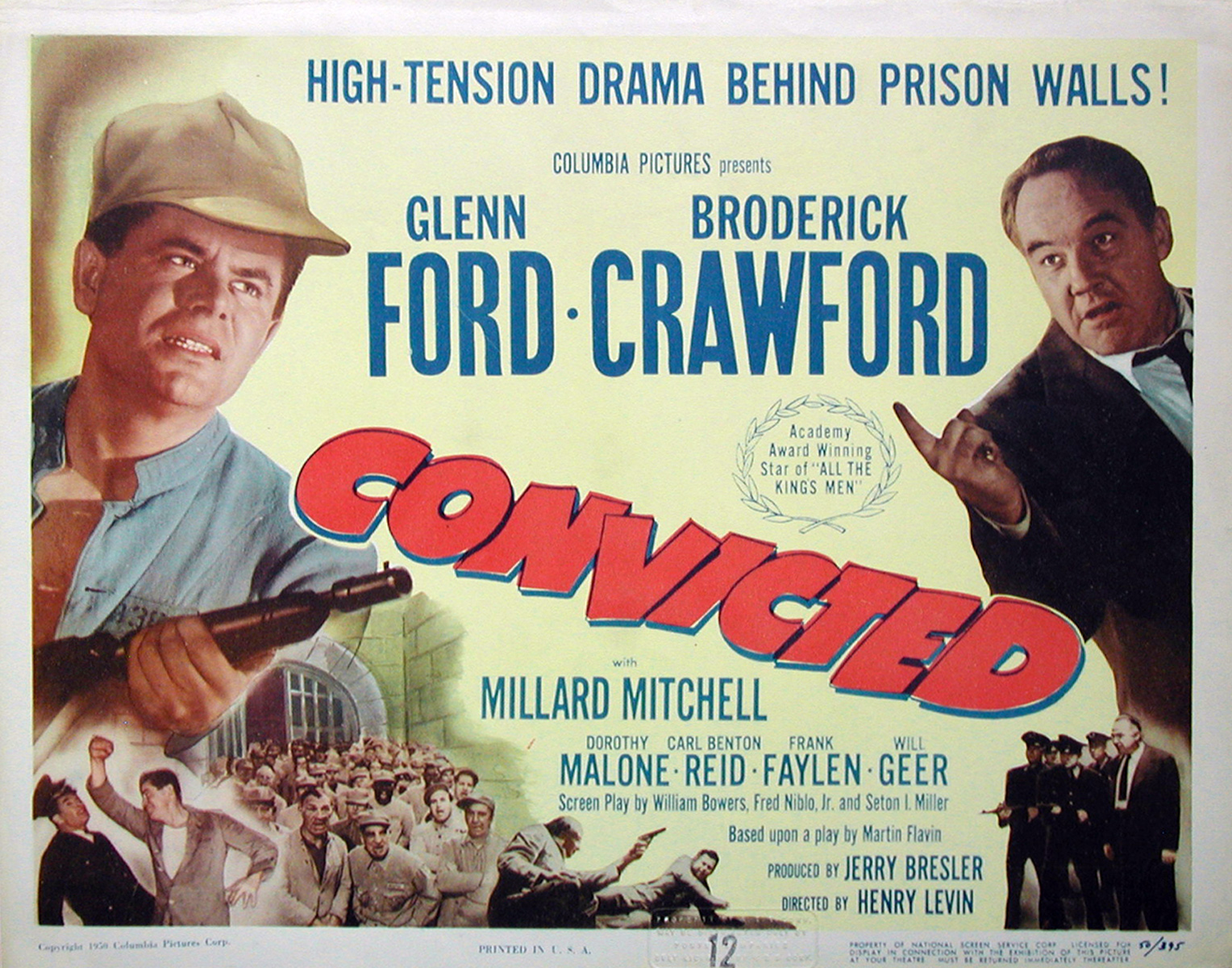
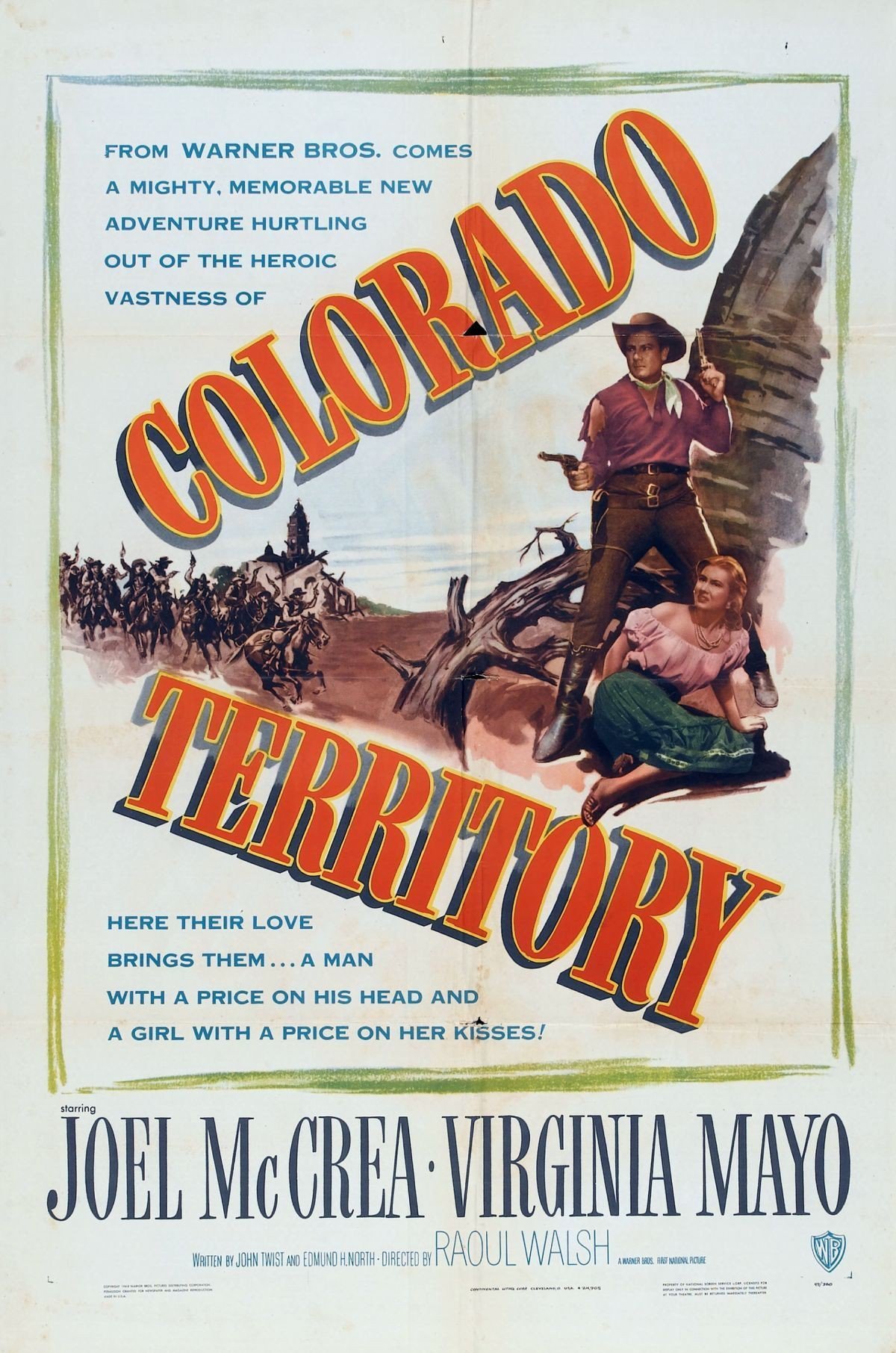
Unaccountably, what happened next in Malone’s career were parts that failed to exploit her subtle sensuality. She sang In the Still of the Night in the fanciful biopic of Cole Porter Night and Day (1946), and played “nice” girls in a string of film noirs and westerns, subverting her persona slightly in Raoul Walsh’s Colorado Territory (1949), the splendid western remake of his earlier gangster movie High Sierra. In it, Malone is the “good” girl who betrays her boyfriend, a wanted robber (Joel McCrea), in order to get the reward money.
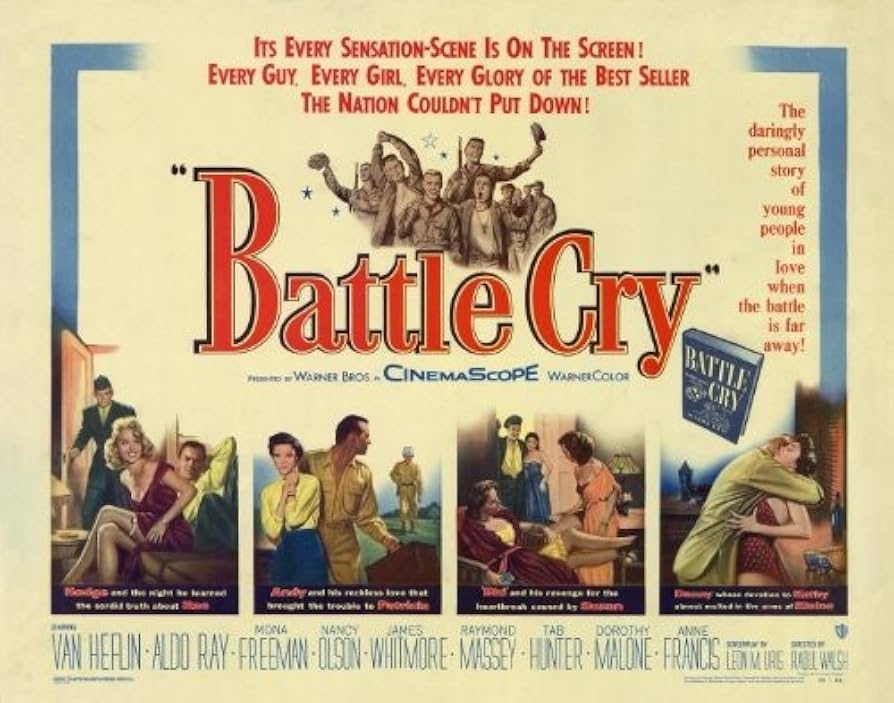
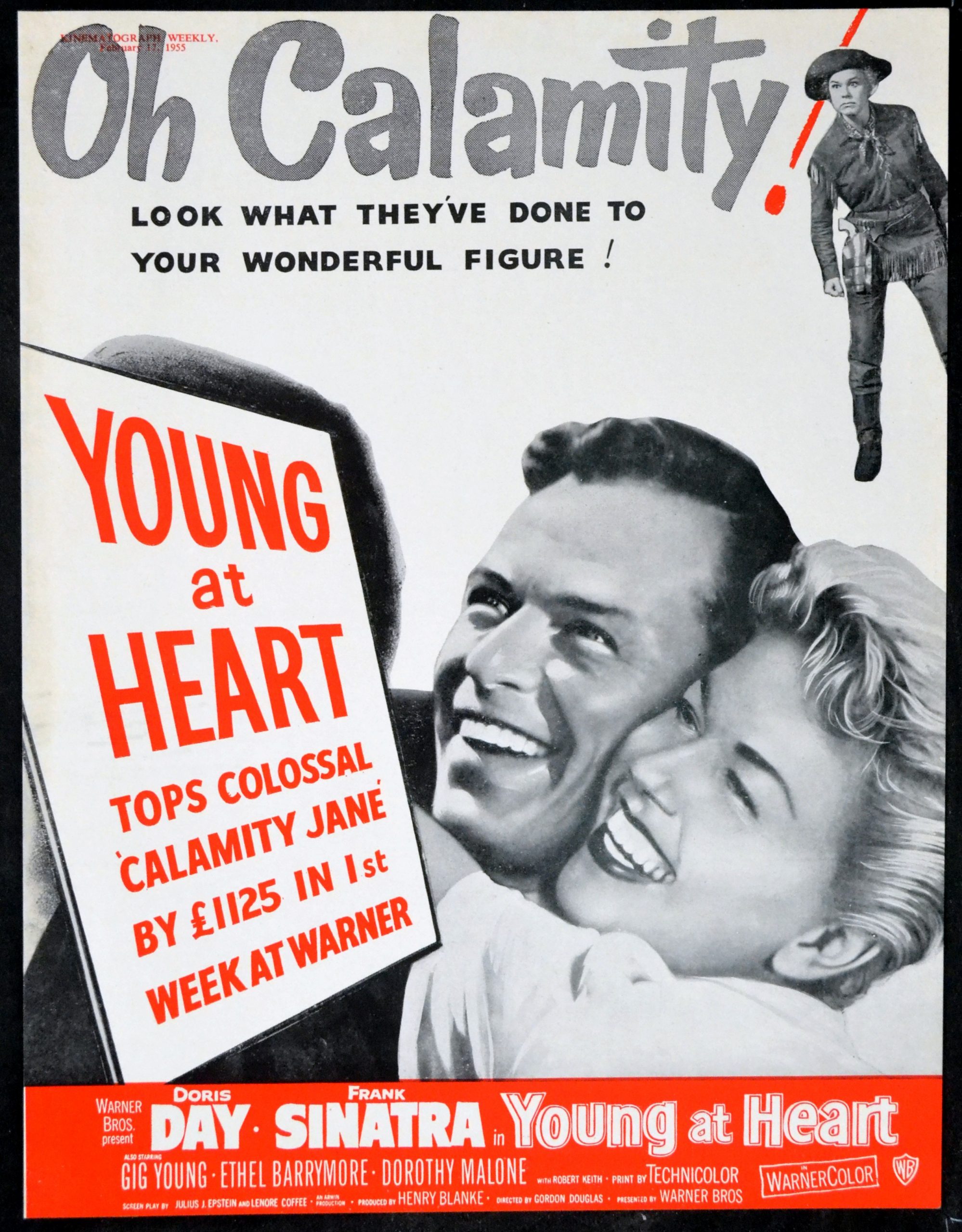
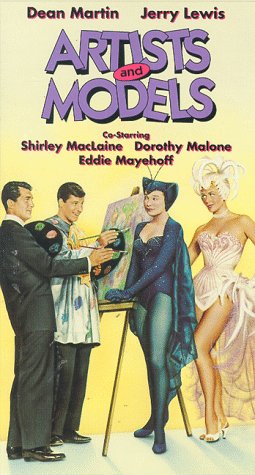
Malone had a small but pivotal role as Kim Novak’s helpful neighbour in Richard Quine’s taut film noir Pushover (1954), before becoming a platinum blonde to play Doris Day’s sister in Young at Heart (1954), and the married woman with whom a soldier (Tab Hunter) has a fling while on leave in Walsh’s Battle Cry (1955). In contrast, Malone appeared to enjoy herself in one of her rare comedies, as a “lady cartoonist” in Frank Tashlin’s Artists and Models (1955), one of Dean Martin and Jerry Lewis’s better efforts.
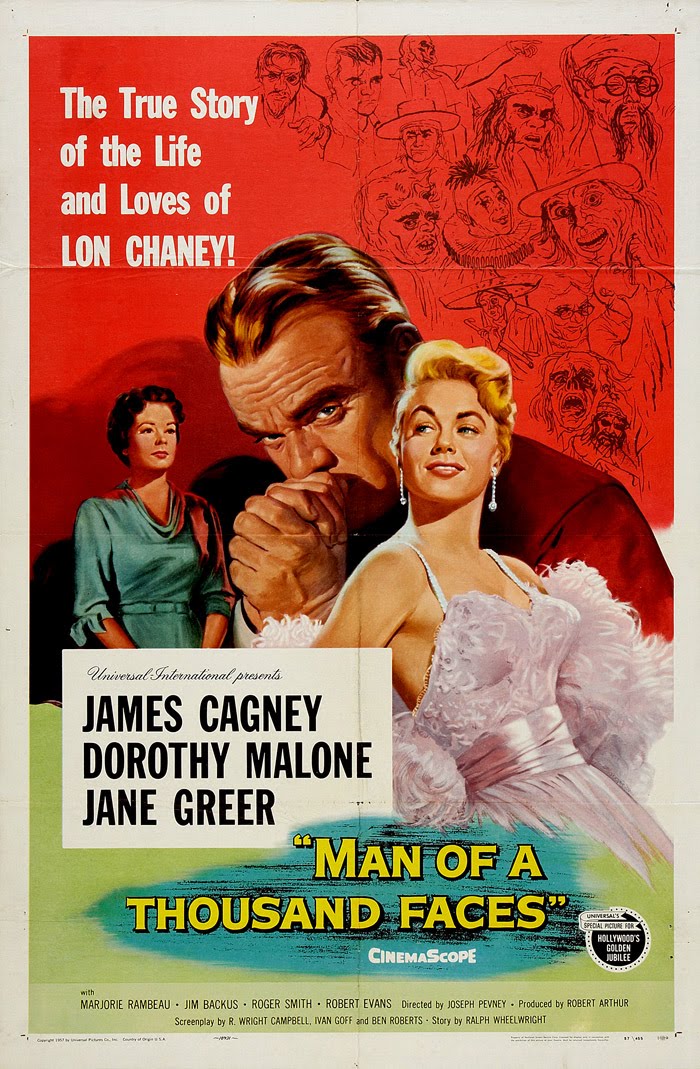
After Written on the Wind and The Tarnished Angels, Malone’s career was on a new track with offers of more meaty roles such as those in two biopics: Man of a Thousand Faces (1957), in which she was convincingly unsympathetic as the first wife of the silent screen star Lon Chaney (James Cagney); and Too Much Too Soon (1958), riveting as Diana Barrymore, ruined by drink, drugs and bad relationships, and by being the daughter of the actor John Barrymore (Errol Flynn).
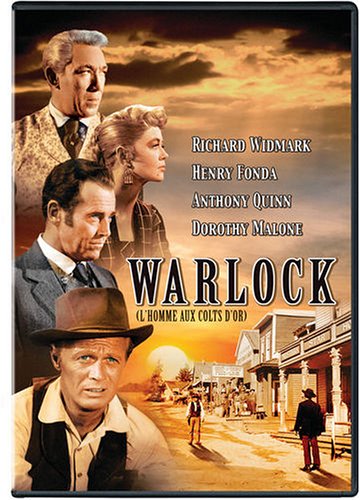
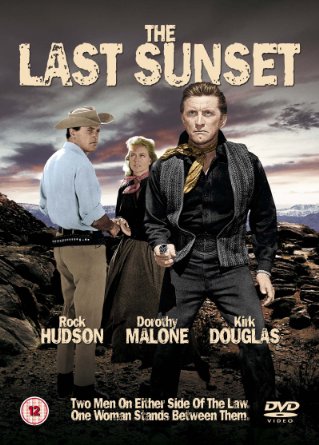
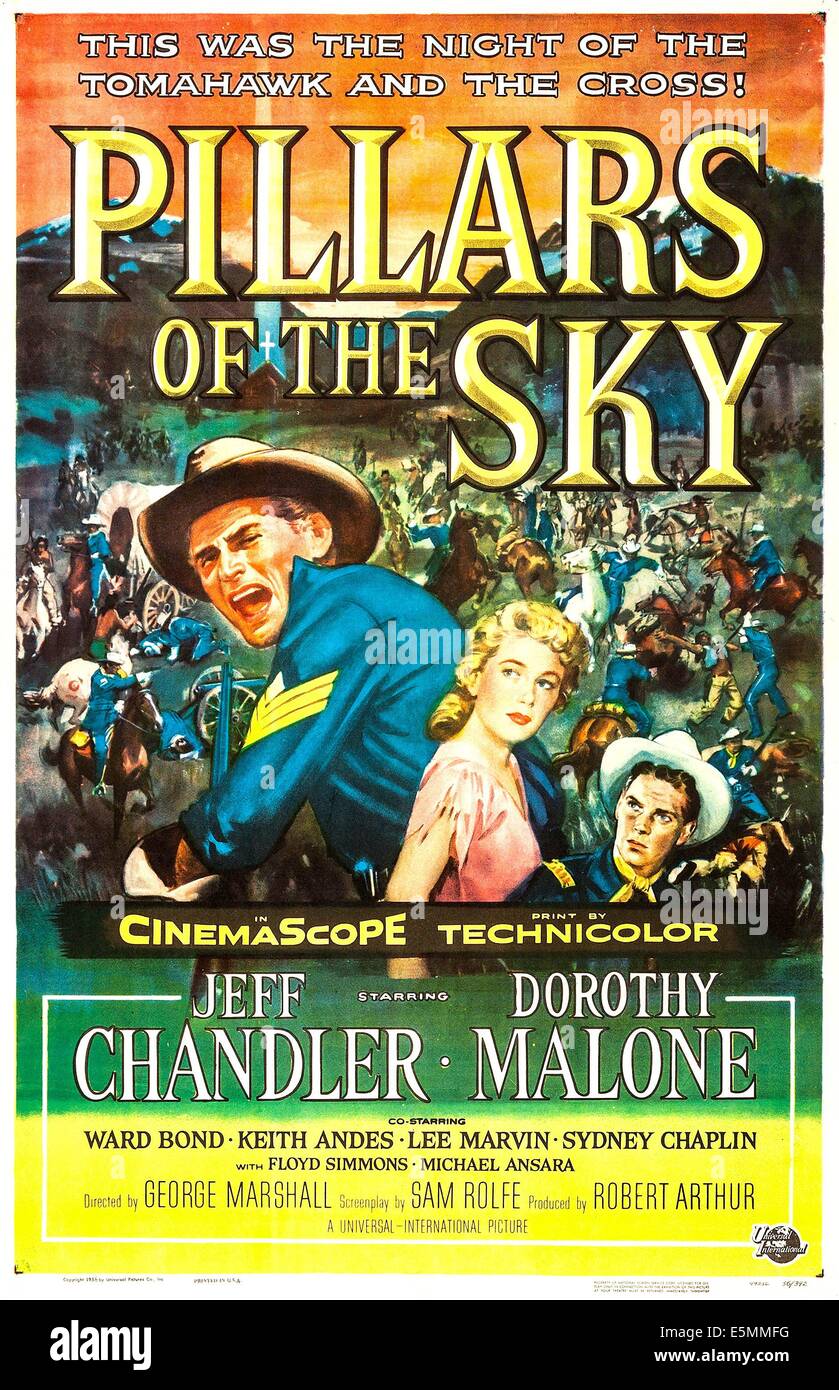
She followed these pictures with two intriguing multilayered psychological westerns, Edward Dmytryk’s Warlock (1959), in which Malone was Lily Dollar, arriving in the eponymous town, accusing the marshal (Henry Fonda) of murder; and Robert Aldrich’s The Late Sunset (1961), as the old flame of an outlaw (Kirk Douglas), not telling him soon enough that he is the father of her pretty teenage daughter (Carol Lynley).
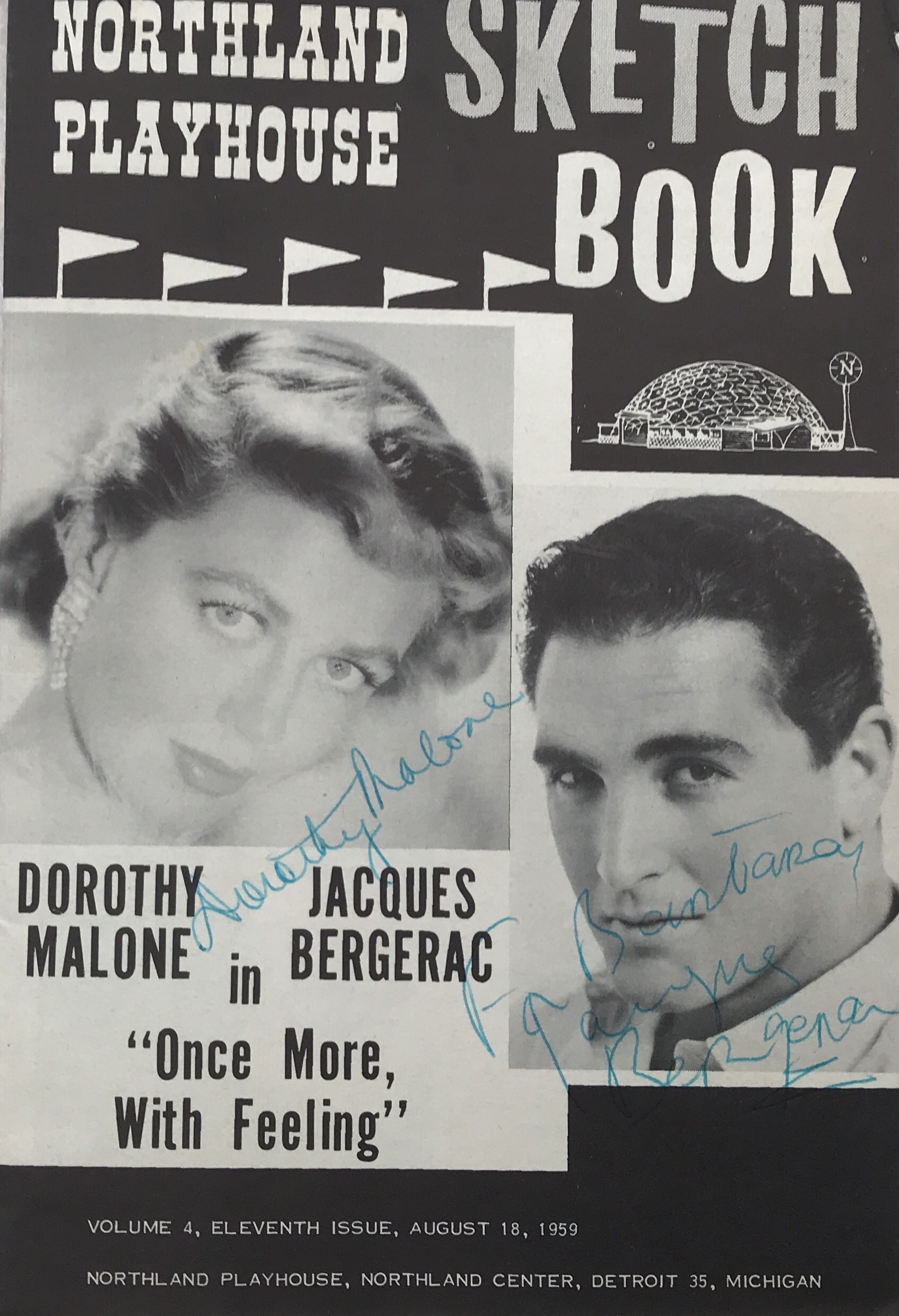
Meanwhile, she had married Jacques Bergerac, Ginger Rogers’s ex-husband, in 1959. The stormy marriage lasted less than five years, with Malone winning custody of their two daughters, Mimi and Diane, after a bitter battle. After the divorce, her dynamic presence was felt mostly on the small screen, especially displaying her Sirkian credentials as a domineering mother in Peyton Place. However, after four years of much bickering with producers, she was written out of the show. She sued for breach of contract and eventually settled out of court.
After that she worked steadily in television, guest-starring in dozens of series, with occasional forays into films. Her last film role was as Hazel Dobkins, the family-murdering friend of Catherine Tramell (Sharon Stone) in Basic Instinct (1992).
Malone married and divorced twice more. She is survived by her daughters, Mimi and Diane, six grandchildren, and her brother, Robert.
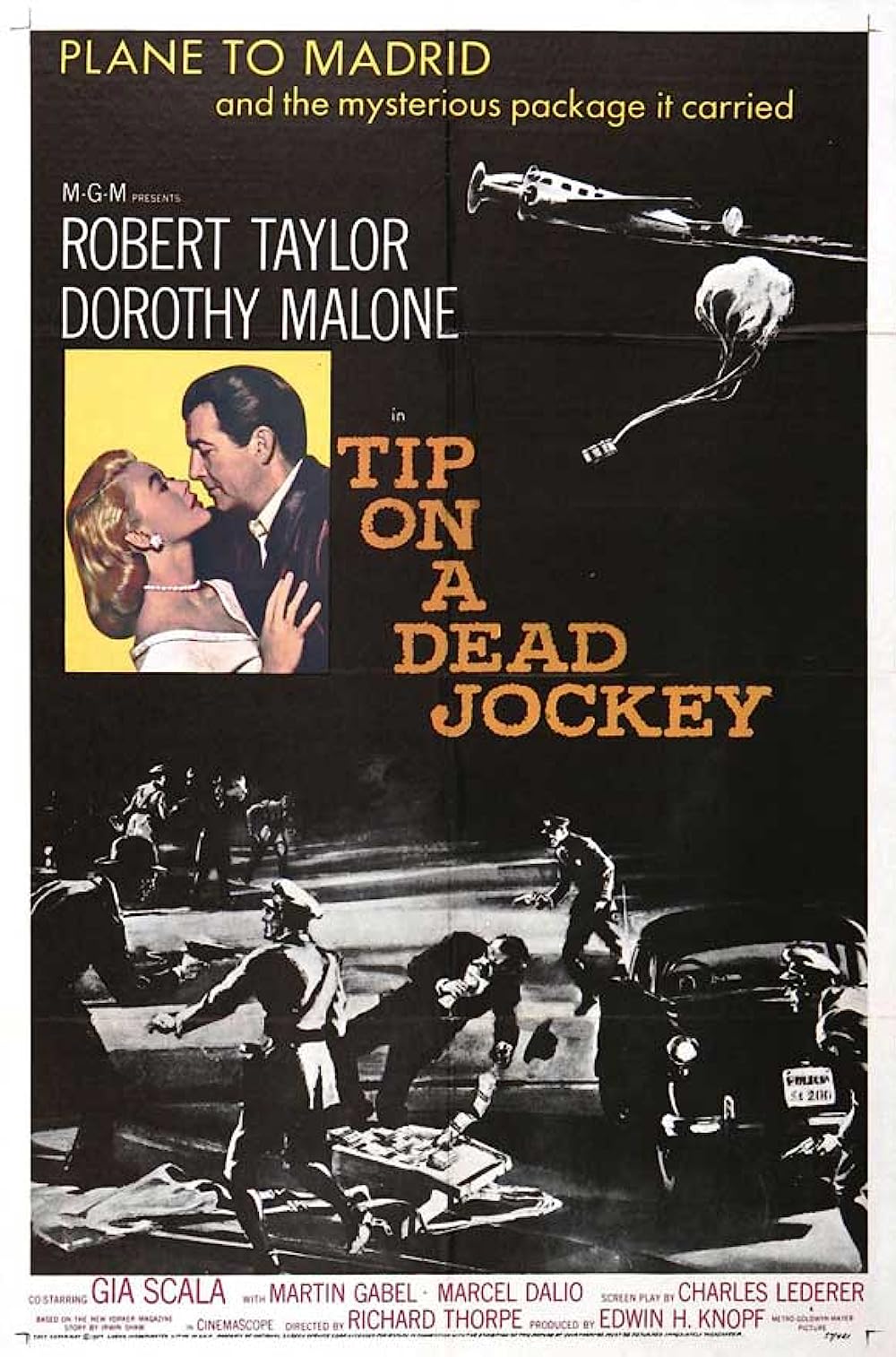
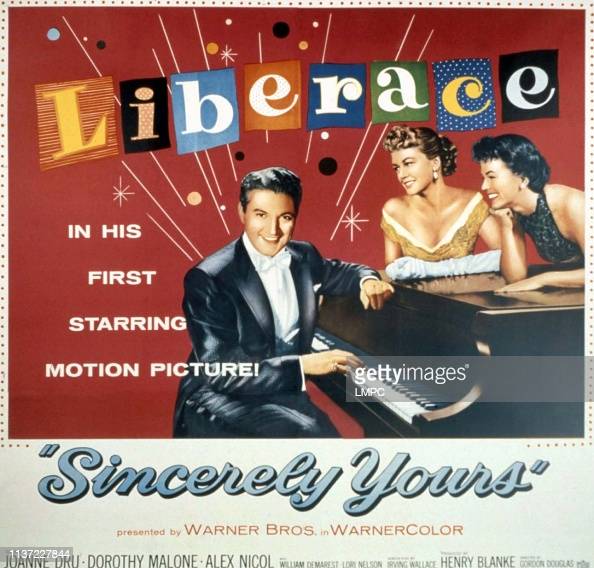
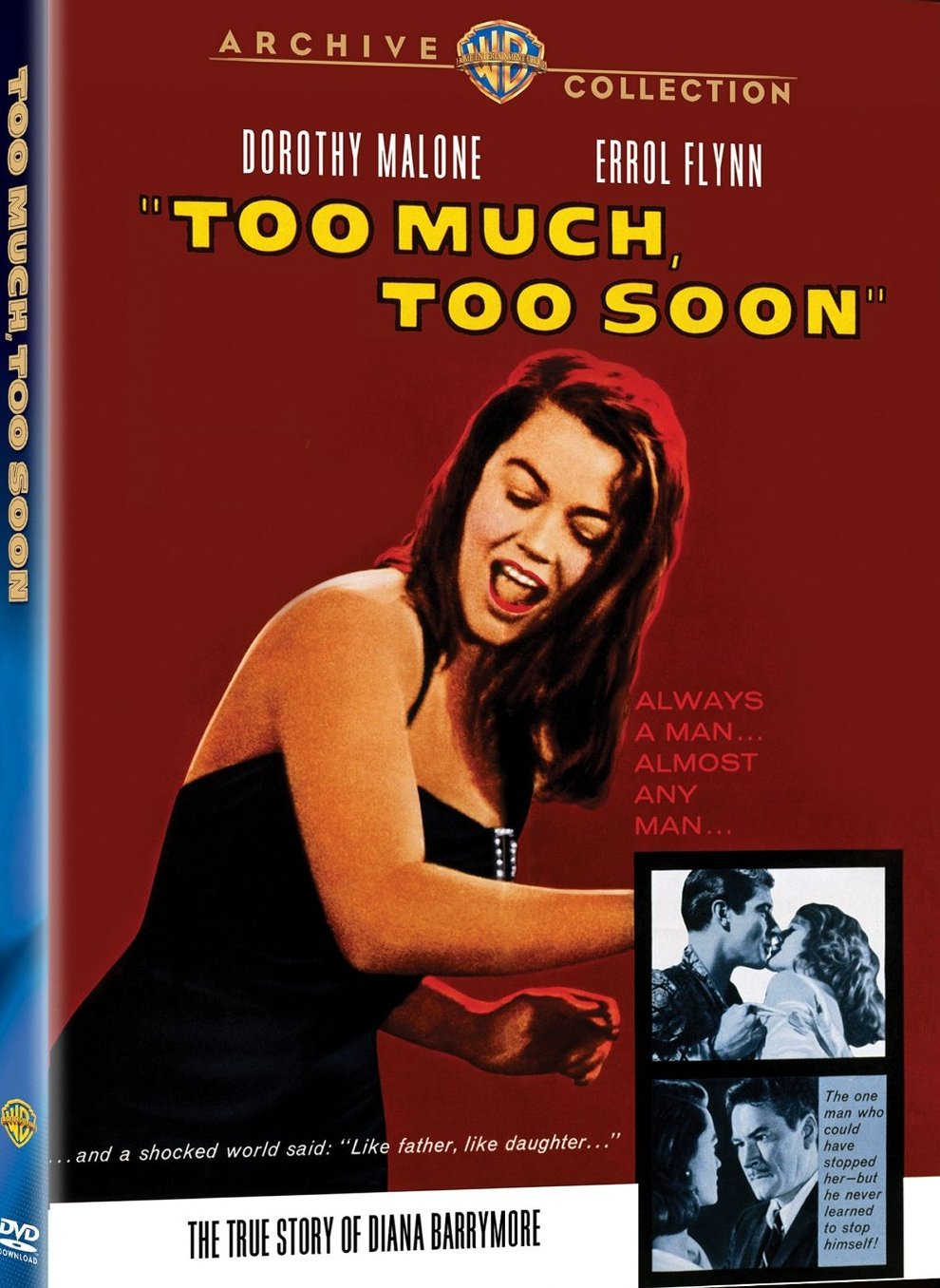

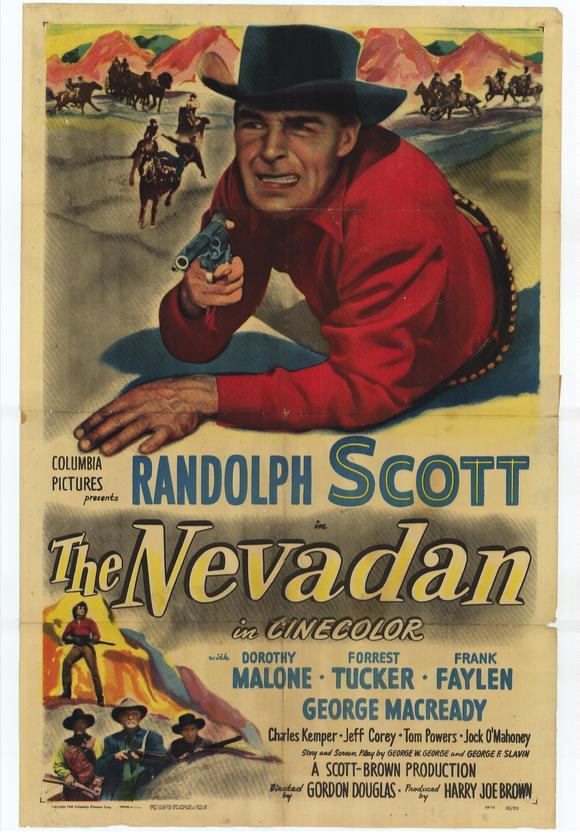
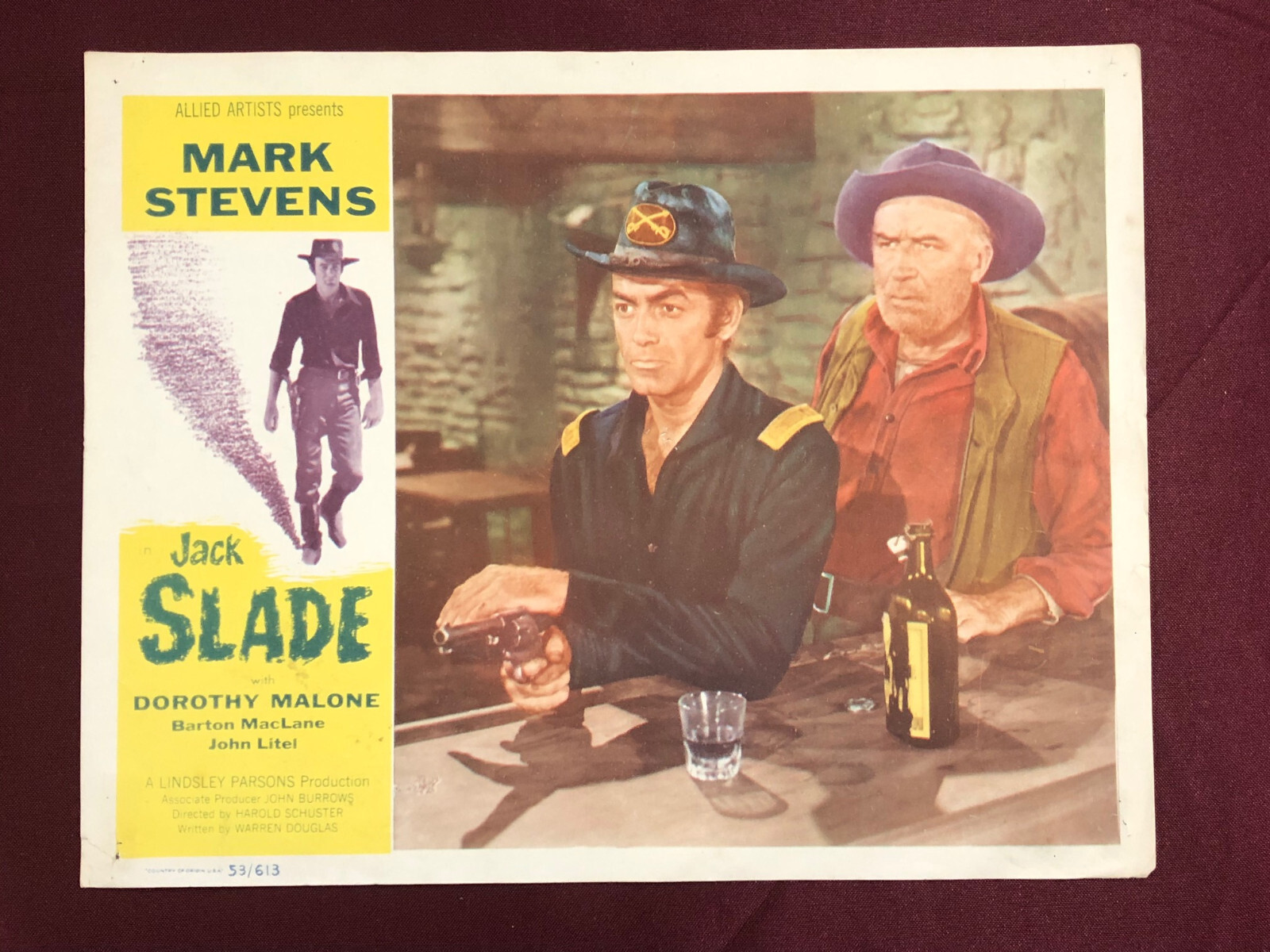
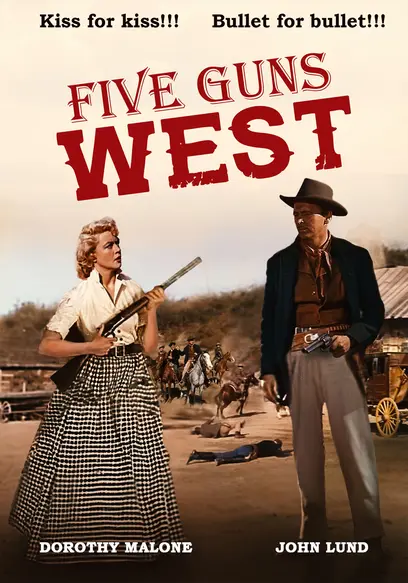
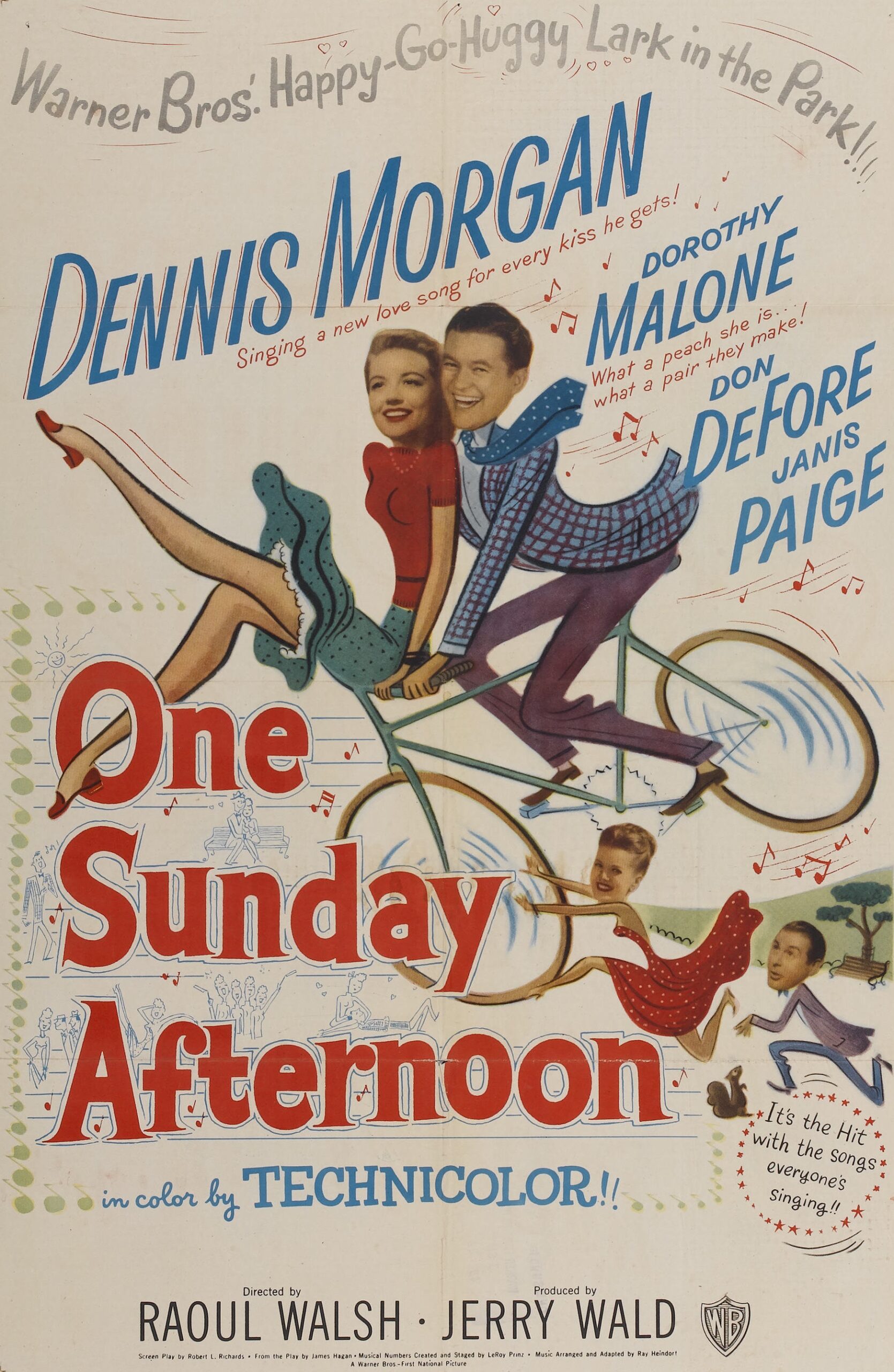
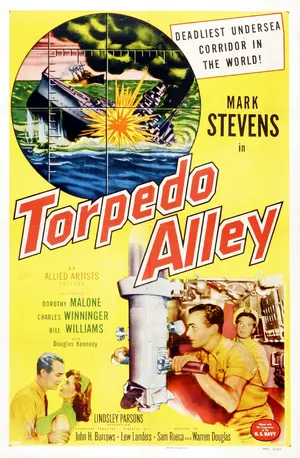
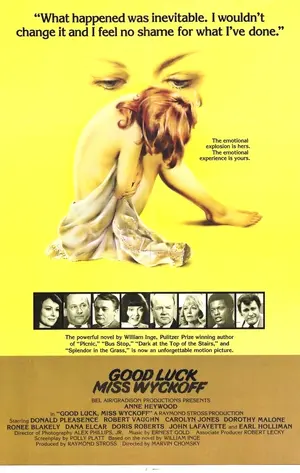
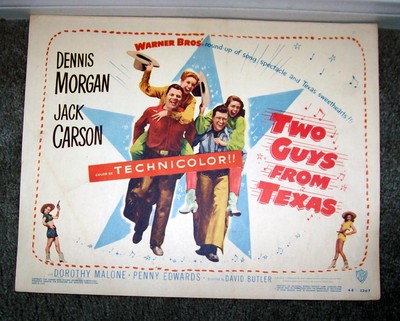

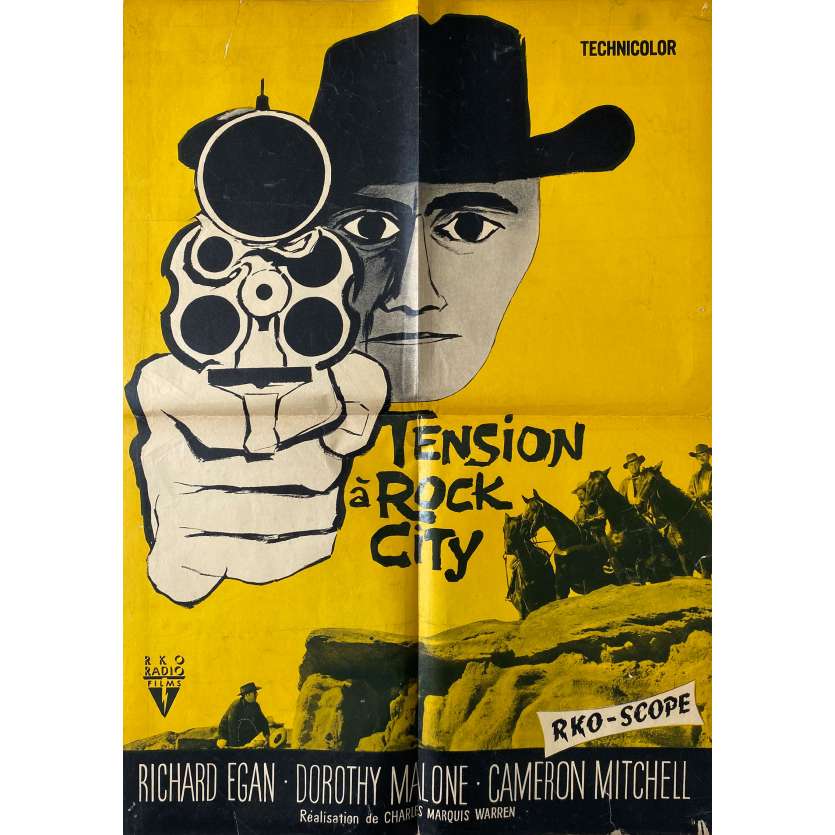
Career overview
Dorothy Malone (born Mary Dorothy Maloney, 1924 – 2018) was an American actress whose career spanned nearly five decades, evolving from wholesome ingénue roles in the 1940s to a stunning Oscar‑winning transformation in the 1950s melodramas of director Douglas Sirk. Her life in Hollywood neatly mirrors the changing image of women in mid‑century American film—first idealized, then conflicted, then powerfully self‑possessed.
Early life and career beginnings
Malone was born in Chicago and raised in Dallas, Texas, where she studied drama at Southern Methodist University and worked as a child model. While performing in a college play, she was discovered by an RKO talent scout and in 1943 signed to a seven‑year studio contract . Using the name Dorothy Maloney, she played small uncredited or ingénue parts in RKO and Warner Bros. features—among them The Falcon and the Co‑Eds (1943) and Gildersleeve on Broadway (1943).
Though assigned mostly to B‑movies and westerns, she drew attention for her brief but memorable turn as the witty, bespectacled bookstore clerk opposite Humphrey Bogart in The Big Sleep (1946). That single scene hinted at a sensual energy beneath her girl‑next‑door exterior, a contrast she would later exploit to far greater effect.
Ascent through the 1950s – from “good girl” to Oscar winner
For much of the next decade Malone worked steadily but without major distinction, appearing in films such as Two Guys from Texas (1948) and Artists and Models (1955). By the mid‑1950s she consciously re‑branded herself—bleaching her hair platinum blonde and embracing more provocative roles .
That transformation came to full fruition in Written on the Wind (1956), Douglas Sirk’s Technicolor fever dream of American excess. As Marylee Hadley, the reckless and sexually restless daughter of a Texas oil baron, Malone gave a performance of mesmerizing ferocity and emotional precision. Balancing vulnerability, eroticism, and rage, she turned what could have been pure camp into tragic grandeur—earning the 1957 Academy Award for Best Supporting Actress ( ).
The Oscar propelled her into a series of high‑profile dramas: Man of a Thousand Faces (1957, as Lon Chaney’s troubled first wife), Too Much, Too Soon (1958, portraying Diana Barrymore), and The Tarnished Angels (1958) opposite Rock Hudson and Robert Stack. Critics praised her ability to convey intelligence within the heightened swirl of melodrama; her characters often mixed worldly sophistication with deep emotional damage.
1960s: Transition to television fame
By the 1960s Malone had matured into an assured screen presence but faced an industry increasingly dominated by younger faces. She pivoted to television, replacing Lana Turner as Constance MacKenzie in the primetime serial Peyton Place (1964–1968). The role—as a single mother in a small New England town—brought her new national visibility and a steady following .
Her tenure on the show included contract disputes and serious illness (complications from surgery forced a temporary replacement), yet her mixture of moral authority and emotional vulnerability anchored the series’ soap‑opera intensity. Peyton Place also positioned her as an early television archetype: the respectable woman confronting scandalous undercurrents—an echo of her Written on the Wind duality, now rendered for the domestic medium.
Later work (1970s–1990s)
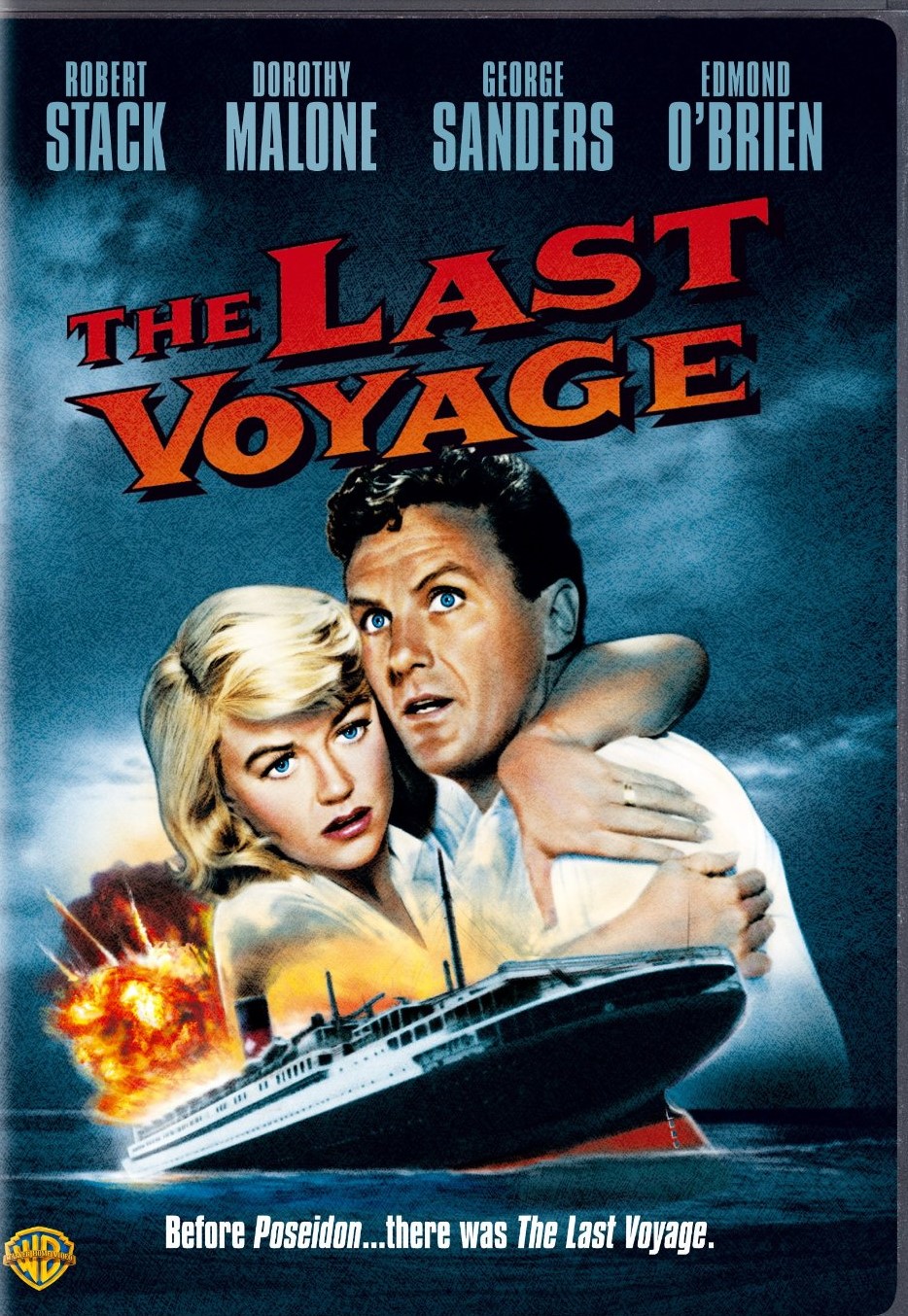
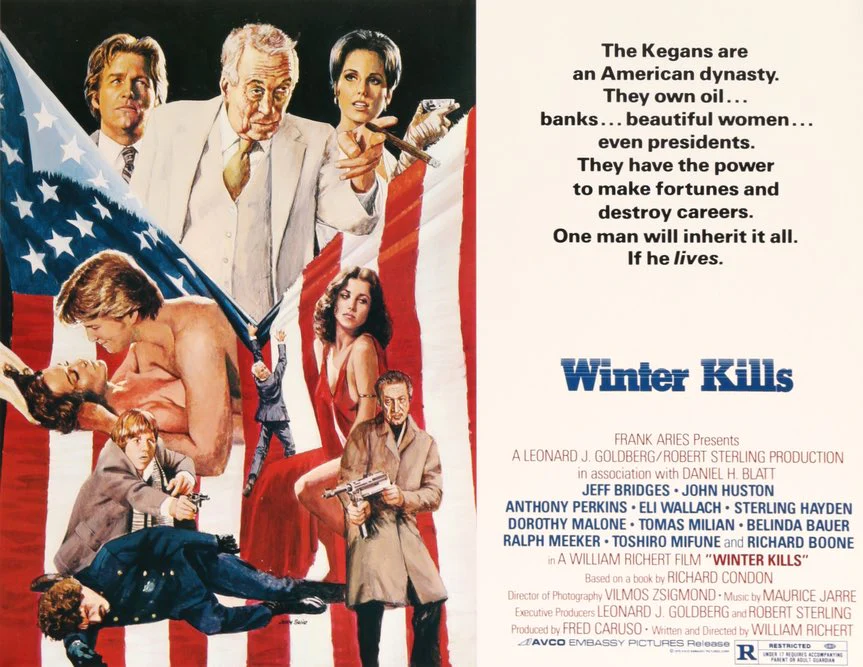
In subsequent decades Malone worked intermittently in film and TV movies, including Warlock (1959), The Last Voyage (1960), The Last Sunset (1961), and cameos in Winter Kill (1974) and Thriller – The Cinderella Killer (1983). She returned memorably to the big screen in Basic Instinct (1992) as Hazel Dobkins, a friend of Sharon Stone’s character—an affectionate nod to her noir lineage .
Acting style and screen persona
- Transformation through duality: Early in her career, Malone personified virtue; later, she specialized in emotional volatility and eros gone awry.
- Physical expressiveness: Directors like Sirk exploited her ability to make gesture—spinning in an empty office to jazz music in Written on the Wind—a conduit for inner turmoil.
- Vocal and emotional control: Beneath outward glamour, her delivery often carried a trace of weary self‑knowledge; she made melodrama feel introspective.
- Professionalism: Co‑workers frequently remarked on her discipline and preparedness—attributes that sustained her through stage, film, and television transitions.
Critical evaluation and legacy
Strengths:
- Rare combination of glamour and substance; she could embody both fantasy and critique of postwar femininity.
- Peak performances (Written on the Wind, Too Much, Too Soon) remain textbook studies in subtext and stylized realism.
- longevity across formats—film, TV, and eventual return to cinema—reflecting adaptability.
Limitations:
- Some critics thought later performances mannered or constrained by material that couldn’t match her intensity.
- Intermittent career momentum—personal setbacks and shifting industry tastes limited sustained stardom.
Legacy:
Malone’s Oscar win captured a cultural shift: the moment when the “good girl” archetype cracked under modern restlessness. Her Marylee Hadley remains one of Hollywood’s great studies in female excess and repression—the spiritual sister to later complicated heroines of the screen. She also proved that reinvention was possible inside the studio system, moving from B‑movie utility player to Academy Award winner through sheer command of image and craft.
She received a star on the Hollywood Walk of Fame in 1960 for motion pictures and continued to be celebrated long after her final appearance. By the time of her death in 2018 at age 93, critics and historians recognized her as one of the key actresses who bridged the golden age of Hollywood and the introspective realism that followed—an emblem of transformation, discipline, and surprising depth behind the glamour.