

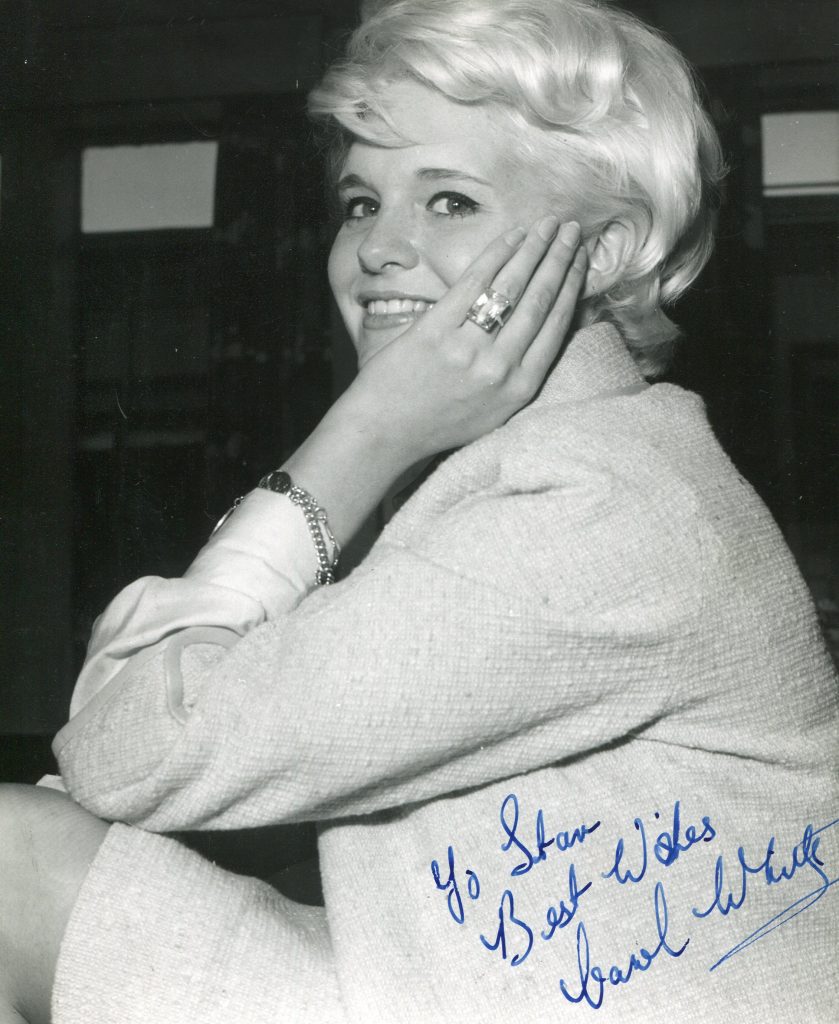
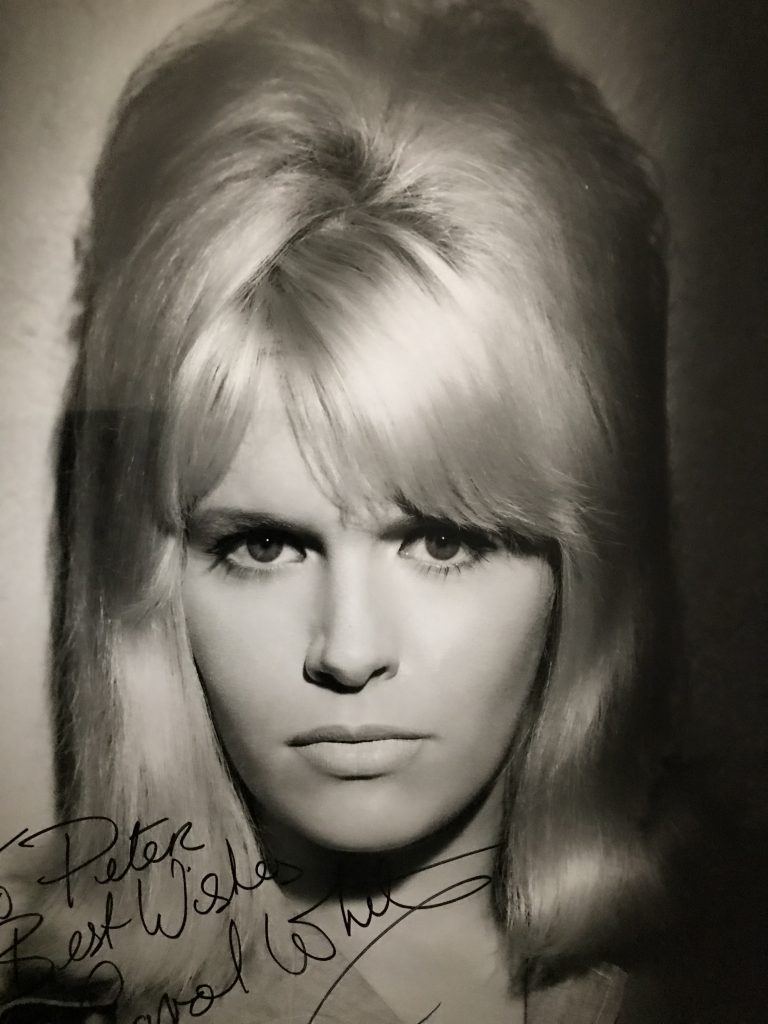
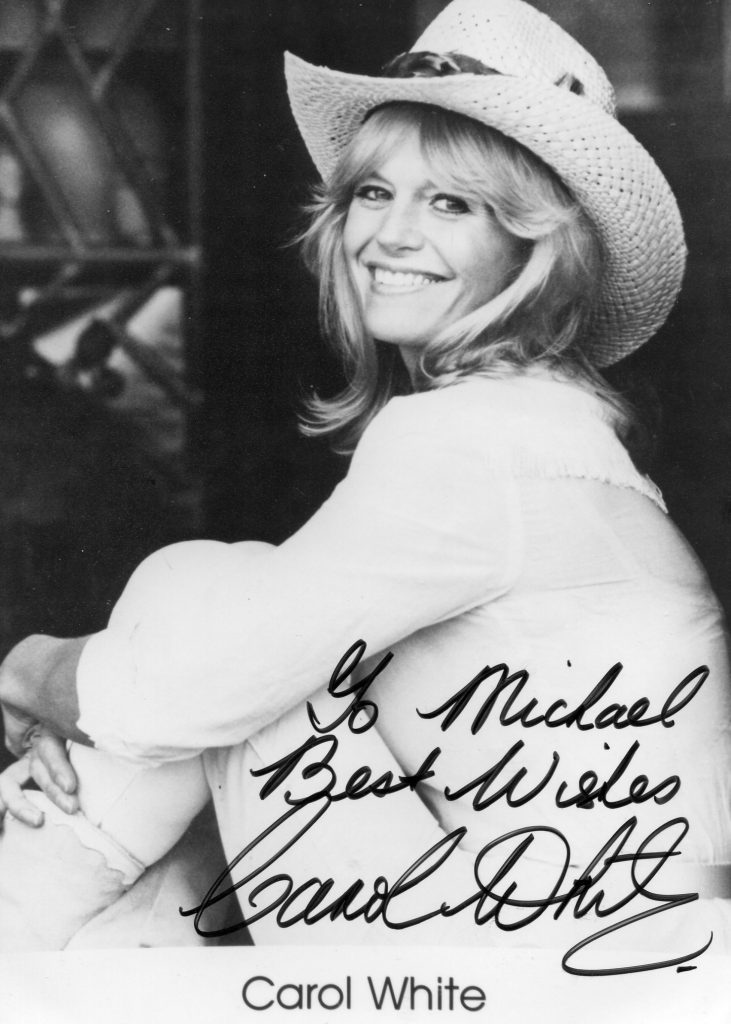
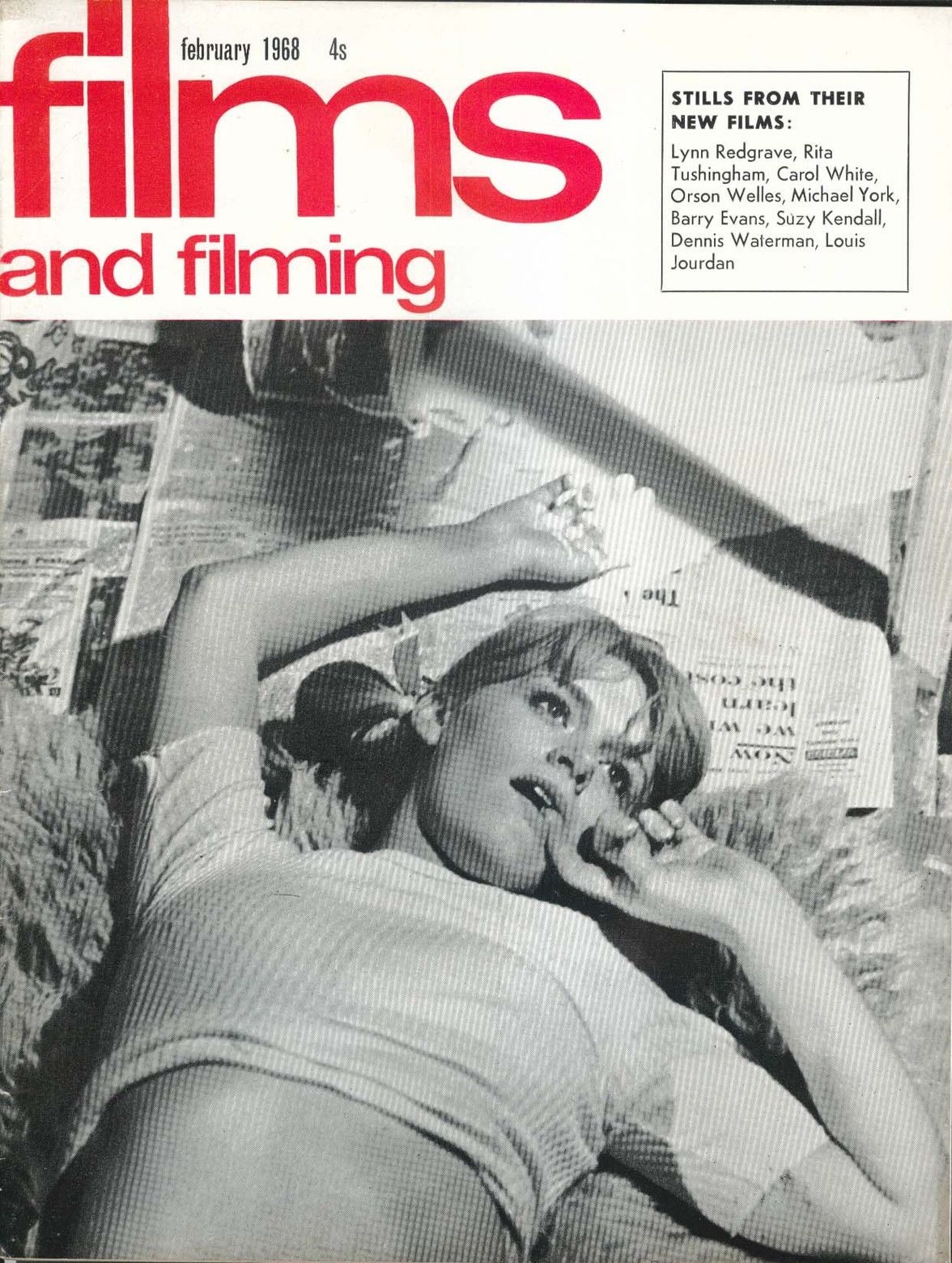
Carol White was one of the gifted young actors who rose to prominence with the rise of British cinema in the 1960’s. She made a huge impact in the television programme “Cathy Come Home” directed by Ken Loach. She went on to work with Loach again in “Poor Cow” opposite Terence Stamp in 1968. The following year she went to Hollywood and made a tense triller “Dayy’s Gone A Hunting” but sadly her career tapered off significantly thereafter. She died in reduced circumstances in 1991 in Miami at the age of 48.
Her obituary from Bob Meade’s website:
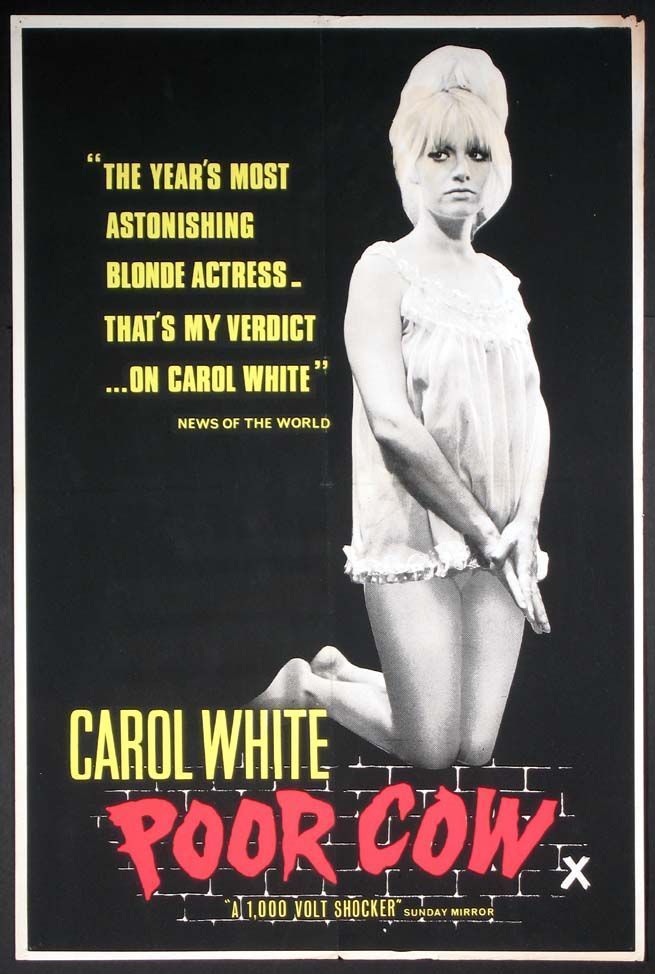
CAROL WHITE, the actress who has died in Florida aged 49, was celebrated for her powerful performance in the title role of Cathy Come Home, Jeremy Sandford’s coruscating account of homelessness on BBC Television, which caused a national sensation in the 1960s. Cathy Come Home was not so much a television play as fierce propaganda. Sandford traced the painful downhill journey of a young couple who began their married life full of hope and gaiety and ended it, separated from their children, as casualties of the Welfare State. After an accident cut the husband’s earnings, the couple lived with unfriendly relations, were evicted from squalid tenements, were driven out of a caravan site and found refuge in a rat-ridden hostel. For all its overemphasis, the production showed with compassion the raw degradation of hostel life. In a tour-de-force of naturalistic acting the highly photogenic Carol White succeeded in making Cathy likeable and eventually extremely moving as the courage and optimism in her wasted away. The diminutive Miss White, a London scrap merchant’s daughter who had already made her mark in the television version of Nell Dunn’s Up the Juction (1965), consequently became something of a Sixties icon. She went on to bring warmth and a plausible innocence to the film Poor Cow, a raw and realistic picture of South London life which opened with a graphic scene of Miss White giving birth while reflecting on the shortcomings of her absent husband (“He’s a right bastard”).
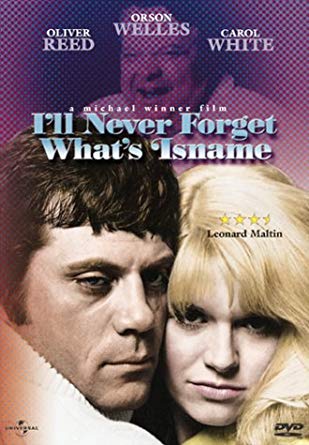
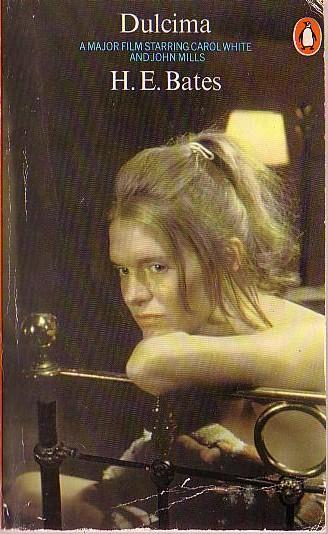
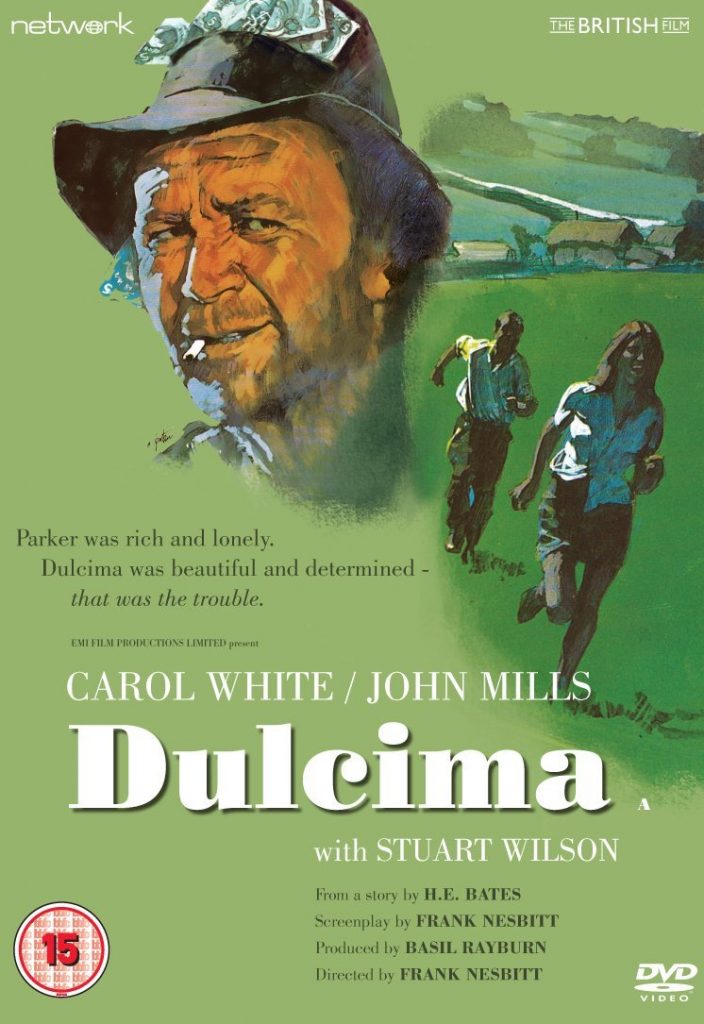
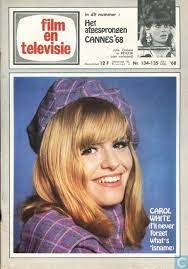
Subsequently Miss White was rather miscast as a jolly virginal girl in Michael Winner’s all too forgettable I’ll Never Forget What’s ‘Is Name. However, she made a good impression — when she remembered to substitute a Gloucestershire accent for her native Cockney — as a comely country lass in Dulcima (1971) adapted from a story by H. E. Bates
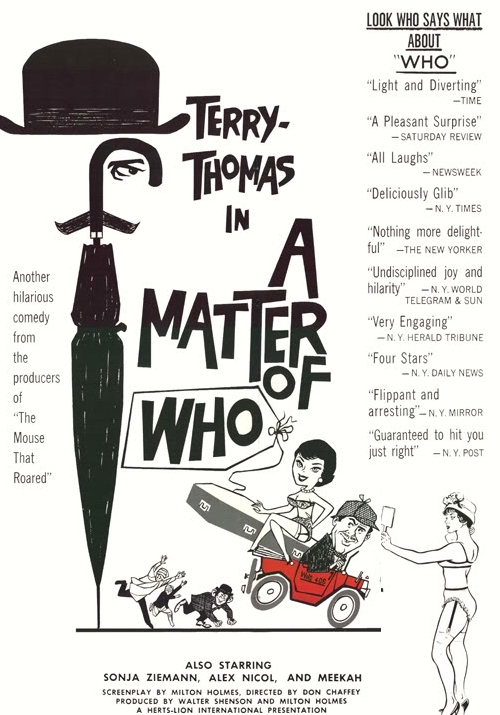
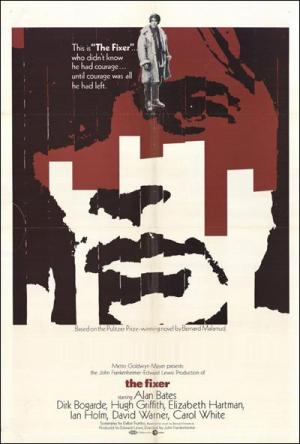
Miss White showed promise of better things as an actress opposite Alan Bates, Dirk Bogarde and lan Holm in the film of Bernard Malamud’s The Fixer. Her performance as Raisl Bok won her a Hollywood contract in 1968 to make Daddy’s Gone-A-Hunting.
But from then on nothing seemed to go right, and the rest of her career was distinctly chequered. Miss White’s attempts to establish herself in America were dogged by ill fortune. Her name — forever bracketed with her role of Cathy — became more familiar in the press in connection with her amours, divorces, court appearances, drink and drugs than with her acting. “I came to America thinking I was at the very top,” she recalled shortly before her death from liver failure, “and that no one could touch me. But pimps, pushers, liars and ex-husbands brought me crashing down.”-• In 1982 she returned to London to take over the role of Josie from Georgina Hale, in Nell Dunn’s play Steaming, but her comeback ended unhappily when her contract was terminated following several missed performances.
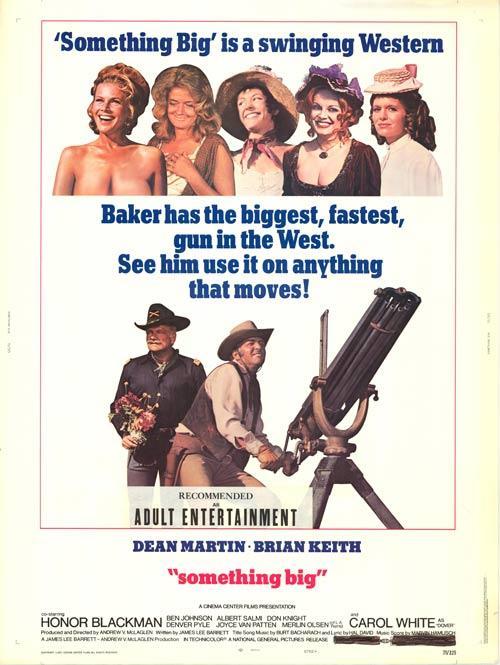
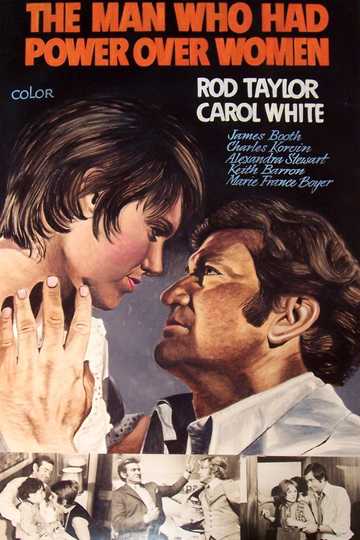
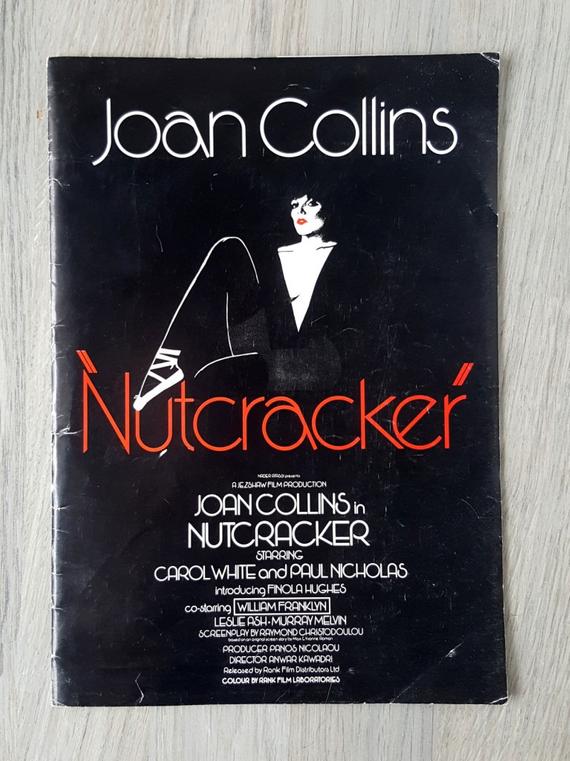
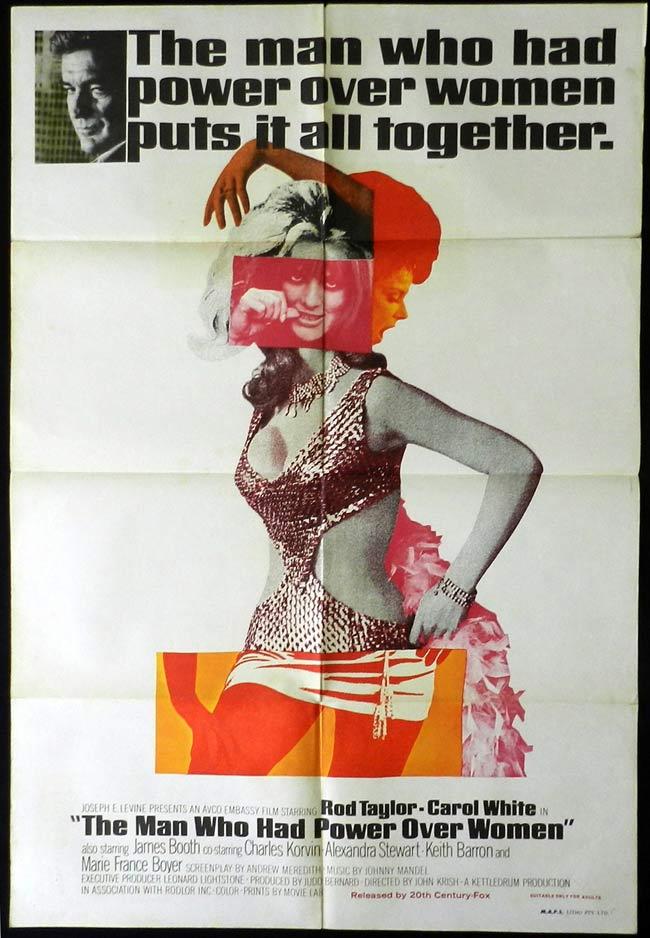
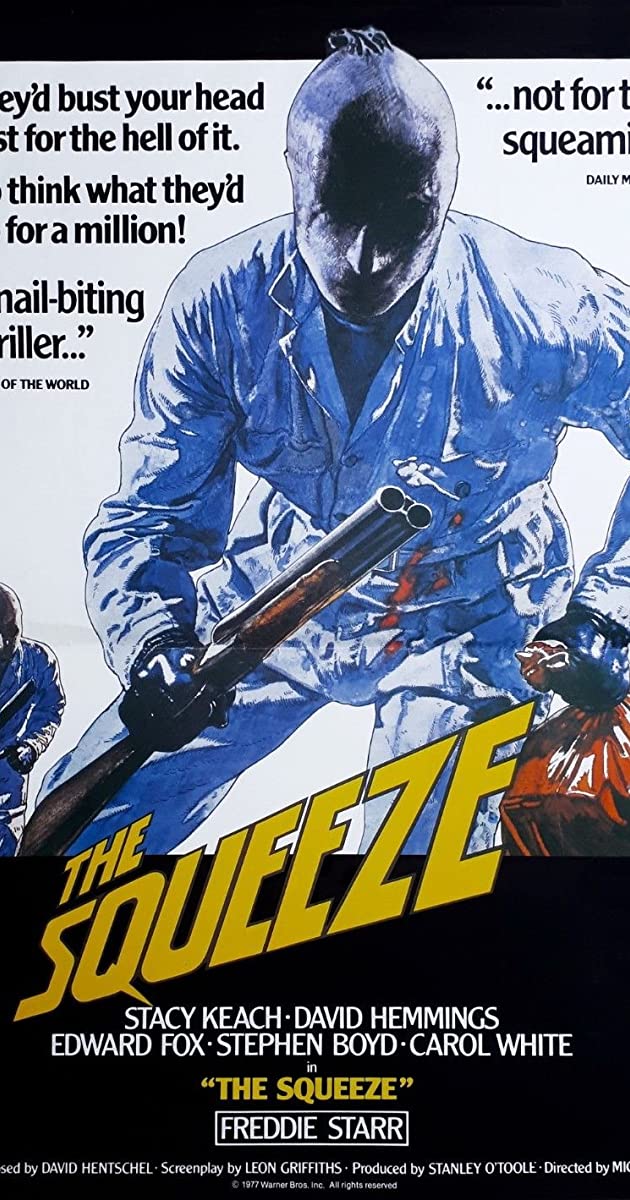
Carol White was born in Hammersmith, London, on April 1 1942. She described her father as “a scrap-metal merchant and a spieler in a fairground and a door-to-door salesman of the elixir of life”. At the age of 11 Carol heard about theatre schools from a hairdresser and thereafter attended the Corona. Miss White made her film debut three years later in Circus Friends and went on to appear in Carry On Teacher, Beat Girl and Never Let Go, in which she played Peter Sellers’s girlfriend. “In those days in British films,” she recalled, “brunettes were ladies and blondes were bits. I wore my hair white and painted my lips red and my eyes dark.” She then married Michael King of the King Brothers singing act and gave up acting for a few years. She returned, this time on the smaller screen in Emergency — Ward 10 and, more notably, as a bright Battersea girl in Nell Dunn’s exhilarating sketch of South London life, Up the Junction. Miss White’s later films for the cinema — not a distinguished collection — included The Man Who Had Power Over Women, Something Big, Made, Some Call It Loving, The Squeeze, The Spaceman and King Arthur and Nutcracker.
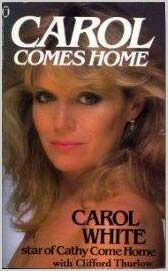
She wrote a racy volume of memoirs, Carol Comes Home (1982), in which the Swinging Sixties of purple hearts and Courreges boots gave way to the excesses of Hollywood (“the assault course of a hundred different bedrooms . . . with broken hearts and broken promises left at every corner”), as well as a beauty book, Forever Young. After her divorce from King she married Dr Stuart Lerner, a psychiatrist, and then Michael Arnold, a musician. She had two sons from her first marriage. Jeremy Sandfbrd writes: In her early films Carol captured powerfully the quality of the urban girl-next-door from the less prosperous areas. And in Cathy Come Home she seemed the archetypal young mother, every mother who has ever struggled not to be separated from her children. I last saw her some 10 years ago when she had come over to London and asked me to help her write her autobiography. She had devastating tales to tell about double-dealing Hollywood psychiatrists. Unknown to her, she told me, hers had been paid double her fee by an ex-boyfriend, to “muck her up”. She told me she had come home for good to live the simple life back in Hammersmith, and I never dreamed she would go back to America. She later wrote the book with help from another writer and I have regretted since that it wasn’t me. It seems the classic tale of the pretty but unsophisticated girl who goes to Hollywood. There is no simple moral, though, because Carol, besides being pure and straight, was always reckless, always something of a life gambler.
September 20 1991
The above obituary can also be accessed online here.
Article from Tina Aumont’s Eyes:
Known as the ‘Battersea Bardot’, Carol White used her working class background to enable her to give several natural performances in British dramas, which sometimes mirrored her own turbulent life. Unfortunately, a later problem with alcohol and drug abuse would harm her career, and ultimately end her life.
Born Carole Joan White in Hammersmith, London, on April 1st 1943, Carol studied drama at the Corona Stage Academy. This led to early minor appearances in many of the UK’s best known products at the time. There were ‘blink and you’ll miss it’ parts in ‘Doctor at Sea’(1956), ‘Blue Murder at St. Trinian’s’(1957), ‘Carry on Teacher’, and ‘The 39 Steps’( both 1959). After another dozen or so bits in mainly sexy background roles, Carol’s breakthrough came in Ken Loach’s 1966 social drama ‘Cathy Come Home’, a ground-breaking production, shot as part of ‘The Wednesday Play’ television series. White’s performance was so realistic that for many years afterwards, Carol would quite often be stopped in the streets by people believing her to be Cathy, and offer her money to help her out.
Following ‘Cathy Come Home’, Ken Loach cast Carol as Joy in what would become White’s signature film, the mostly improvised ‘Poor Cow’ (1967). Carol was superb once again as a struggling young mother, married to an abusive criminal (John Bindon). Carol’s final scene where her character gives an interview to camera is astonishingly real and powerful, leaving the viewer with a slight hope of optimism for the much put-upon Joy. The success of ‘Poor Cow’ had everybody knocking on White’s door, with Frank Sinatra and Warren Beatty just two of Carol’s famous new fans.
Travelling to America, White’s Hollywood career got off to an interesting start. Taking the lead role in Mark Robson’s stalker flick ‘Daddy’s Gone A-Hunting’ (1969), the film has gained a cult reputation over the years. A pretty good thriller, it tells the exciting story of a woman who is menaced by the man whose baby she once aborted.
Favourite Movie: The Squeeze
Favourite Performance: Poor Cow
Career overview
White
Carol White (1943–1991) was an English actress whose short, intense career made her one of the most recognizable faces of 1960s British social realism. She combined a tough, working‑class authenticity with a combustible screen presence; at her best she could register vulnerability, defiance and fatigue within a single expression. Her life and career form a classic rise‑and‑fall arc: rapid ascent on the strength of a few landmark performances, then personal struggles and professional decline. Below is a concise but detailed overview and critical assessment.
Early life and entry into acting
- Background: Born in London, White grew up in working‑class circumstances and entered performance young, appearing in television and repertory before breaking into film. Her life experience and accent made her a natural fit for the kitchen‑sink dramas that Britain produced in the 1960s.
- Early work: She accumulated numerous television credits and small film parts in the late 1950s and early 1960s, developing a screen manner that blended toughness with emotional immediacy.
Breakthrough and 1960s peak
- Cathy Come Home (1966): White achieved national prominence with her portrayal of Cathy in the BBC play Cathy Come Home. The drama—about homelessness, bureaucracy and the breakdown of family support—was a landmark of British television and social campaigning. White’s performance was raw, immediate and deeply human; she made the character’s despair and quiet rage palpable, helping the drama to resonate politically and culturally.
- Poor Cow (1967): Directed by Ken Loach, Poor Cow cast White as Joy, a young mother trapped by poverty, disappointment and a cycle of bad choices. It remains her best‑known film role. Loach’s loose, realist style paired with White’s indelible naturalism produced a performance that is both sympathetic and stubbornly unglamorous—an emblem of 1960s British realism.
- Screen persona: Across these works White established the persona that would define her public image: a full‑voiced, unvarnished working‑class woman who could be at once sexually frank, resilient, and bruised by circumstance.
Transition, typecasting and attempts at broader work
- Popular profile and limits: The visibility from Cathy Come Home and Poor Cow made White a star of a particular kind—iconic for socially engaged drama but easily pigeonholed. Producers and directors often offered her variations on the same character: hard‑lived women trapped by men, class, or social systems.
- Attempts to diversify: She took other film and television work, including commercial projects and some international efforts, but none matched the cultural impact of her key 1966–67 work. Opportunities to transition into a wider range of parts—period costume pieces, large studio dramas, or sustained international careers—were limited by typecasting and by the British film industry’s changing currents.
Personal struggles and career decline
- Off‑screen problems: From the late 1960s into the 1970s White’s personal life became increasingly troubled. She struggled with alcoholism, suffered from volatile relationships, and faced legal and financial difficulties. These problems affected reliability and reputation in an industry that could be unforgiving.
- Professional consequences: Offers dwindled; film roles became less prestigious and more sporadic. She made attempts to revive her career, including moves to work in the United States and in lighter commercial fare, but the momentum of the mid‑60s breakthrough proved difficult to sustain.
- Later years and death: White continued to act in smaller film and television roles into the 1980s. Her life ended tragically in 1991 at the age of 48—her death underscored the melancholy arc of a talent whose public myth was inseparable from personal pain.
Acting style and strengths
- Naturalism and immediacy: White’s hallmark was an unadorned realism. She delivered lines with a conversational cadence and had the capacity to make small gestures and silences convey vast emotional shifts.
- Emotional range within realism: She could convincingly move from grit and defensive bluster to sudden fragility; this made her especially effective in works that foregrounded social conditions and intimate human failure.
- Screen charisma: Even in small roles she commanded attention—partly due to a face that registered fatigue and stubbornness simultaneously and partly because of an apparent honesty that suggested life‑lived rather than acted.
Limitations and contextual factors
- Typecasting: The very qualities that made her powerful in social‑realist dramas limited her casting range; producers tended to re‑use her “type” rather than risk recasting her in very different registers.
- Industry constraints: The British film industry of the late 1960s and 1970s offered fewer durable pathways for actresses whose reputations were tied to a specific social image; roles for women beyond the ingénue or the emblematic social woman were fewer.
- Personal issues: Substance abuse and personal instability curtailed opportunities and undermined long‑term career management—important factors in a star’s ability to pivot and rebrand.
Critical reputation and legacy
- Cultural impact: White remains an icon of 1960s British social realism. Cathy Come Home in particular is regularly cited in histories of socially conscious television; Poor Cow is frequently discussed as a key Loach film and as a performance that helped define the era’s cinematic voice.
- Artistic evaluation: Critics and historians praise White for her fearless emotional honesty and for how she embodied the social realities her works explored. Her performances have an urgency and authenticity that outstrip mere period nostalgia.
- Tragic resonance: Her personal decline and early death add a tragic frame to her work—she is often remembered both for the force of her performances and for the human cost of celebrity in an unforgiving industry.
Overall assessment
- Carol White was a potent, memorable actress whose best work is inseparable from the social‑realist movement in 1960s Britain. She brought moral weight and emotional veracity to roles about class, gender and survival. Her career also illustrates the fragility of stardom—how typecasting, structural industry limits, and personal difficulties can curtail a promising trajectory.
- Artistically, she remains important for the manner in which she made ordinary suffering cinematic and for the directness of her performances. Historically, she stands as both emblem and cautionary tale: emblematic of a vital era of British drama, and a reminder of the precariousness faced by performers who are publicly identified with a single, hard‑won image.