


EYE FOR FILM OBITUARY IN 2022:
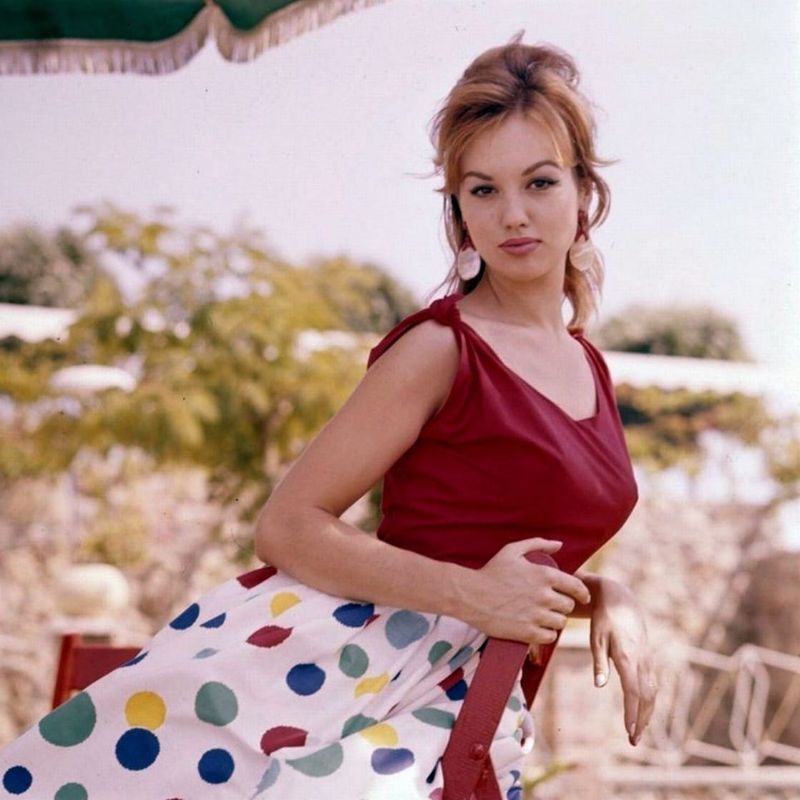
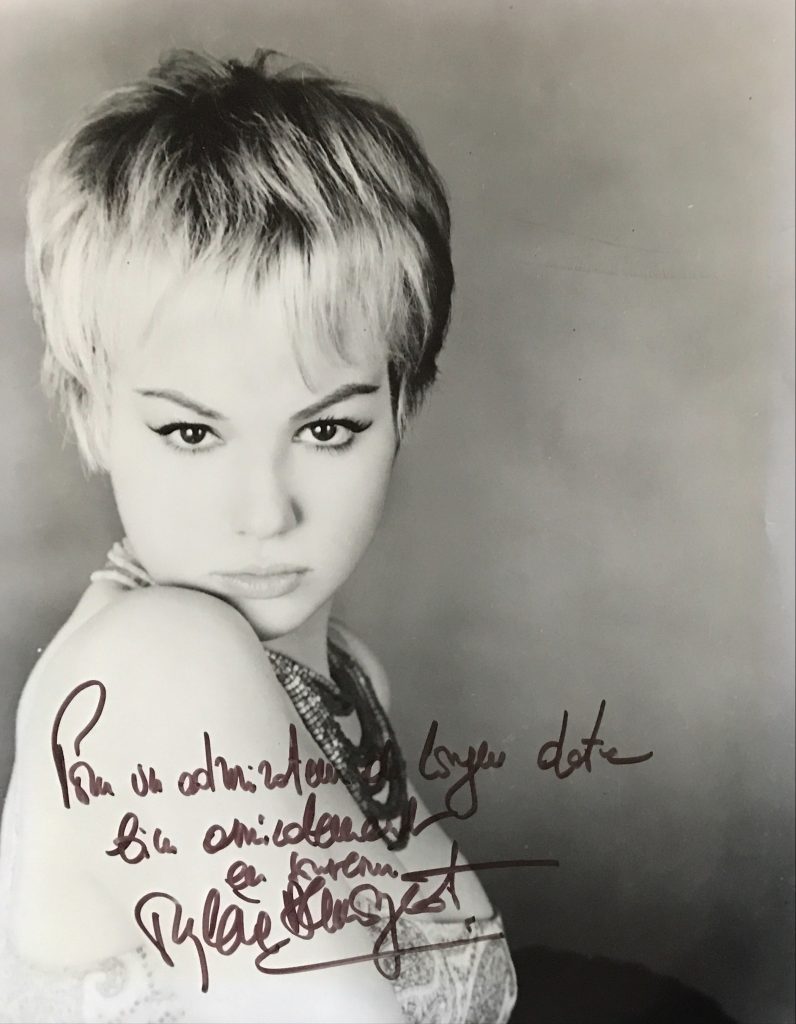
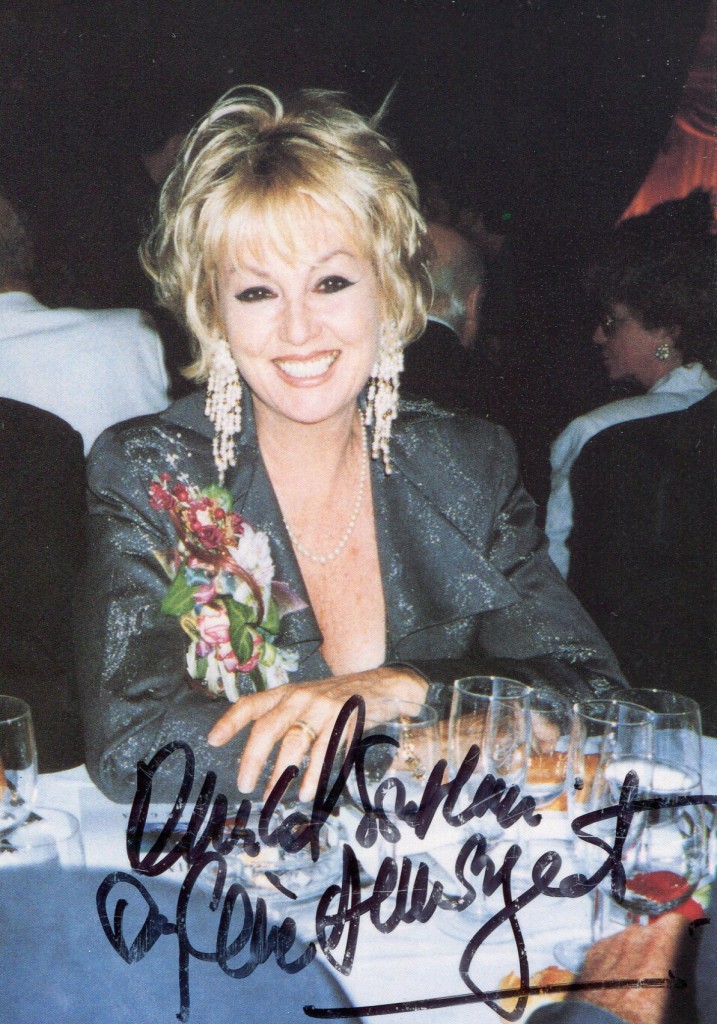
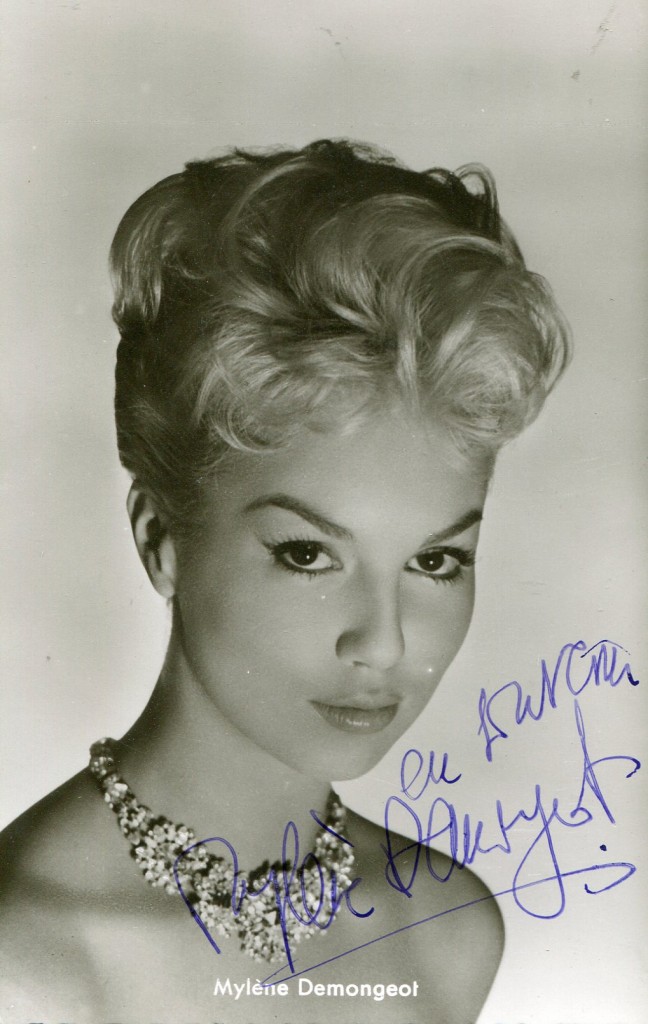
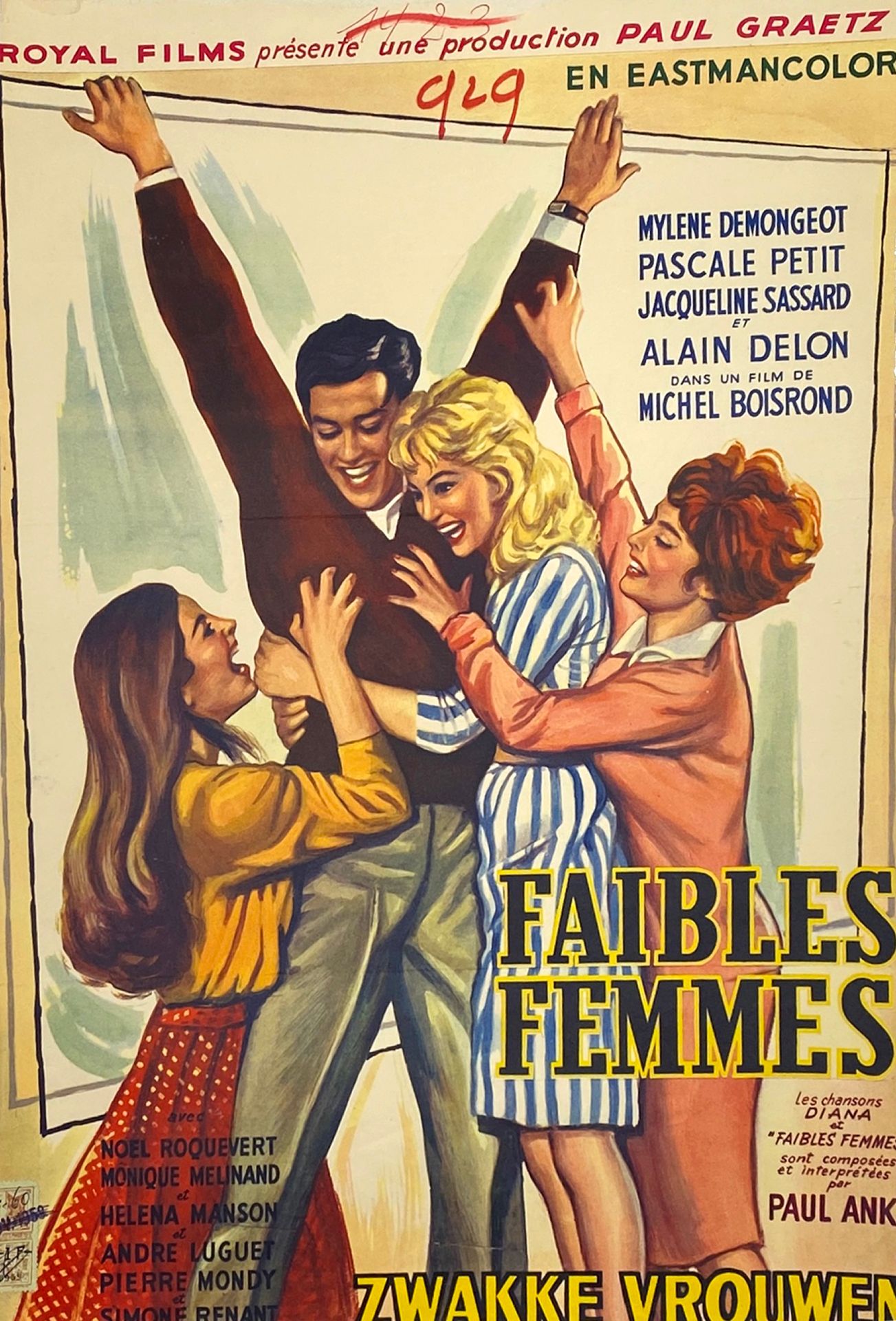
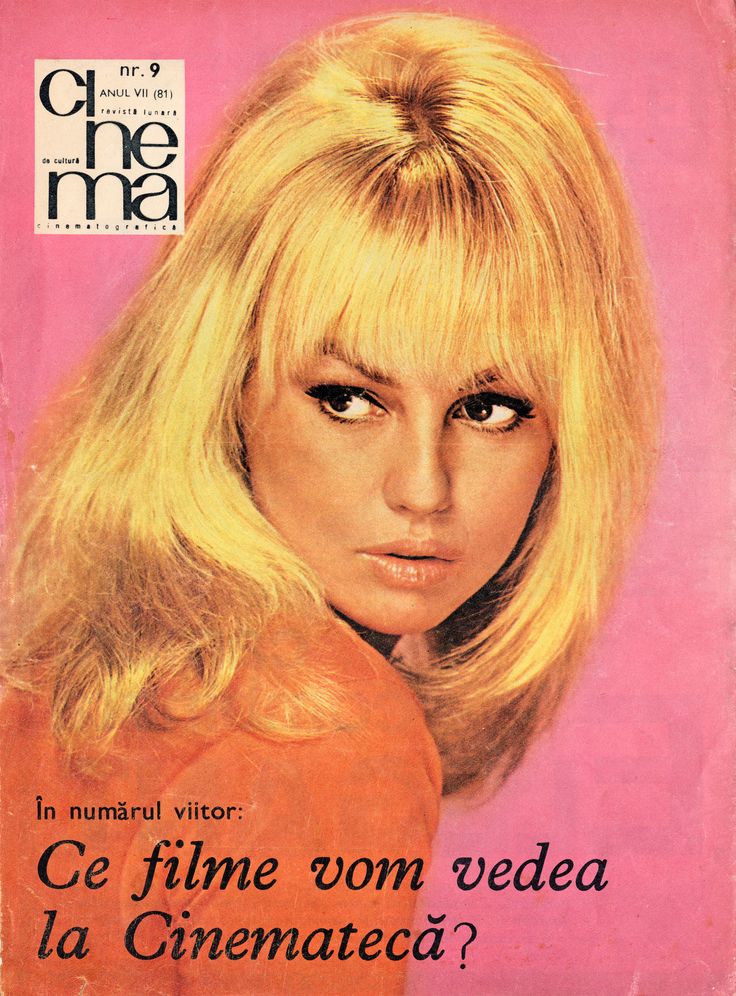
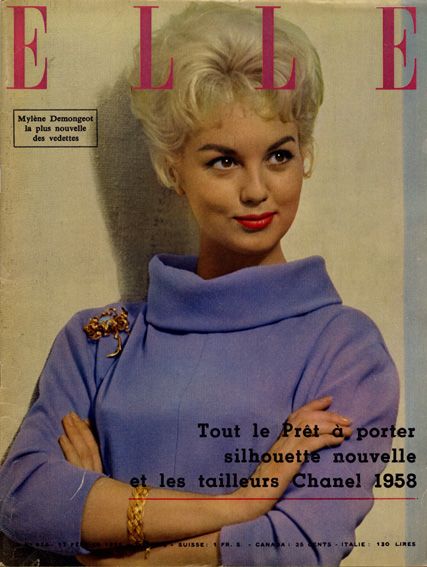
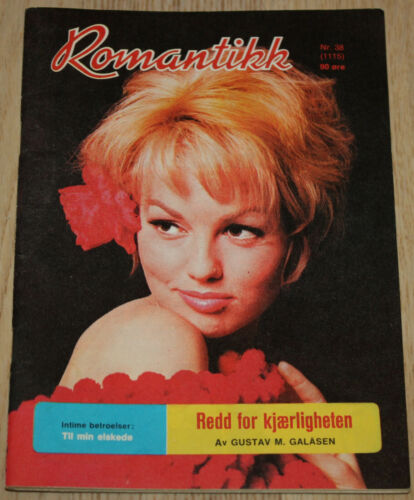
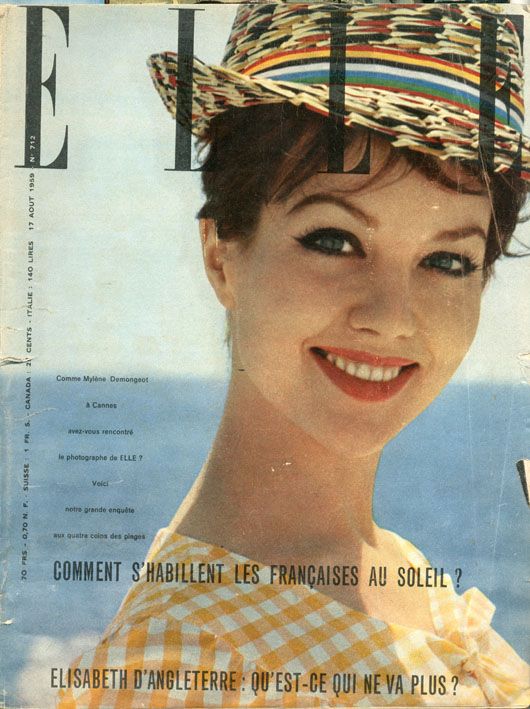
One of the last surviving French sex symbols from the Fifties and Sixties Mylène Demongeot has died at the age of 87 after a long illness.
Demongeot who spent her youth in Montpellier and adored the region around the town, latterly had devoted herself to animal rights in common with her contemporary Brigitte Bardot. Bardot wrote in one of her books that “Mylène was my little cinema sister, then became my combat sister, a libra like me, she has always loved animals”.
After the death of her long-standing companion Didier Raoult, the actress had her own battles with cancer and recently coronavirus against which she had declined to be vaccinated, claiming to have multiple allergies.
Despite more than her fair share of adversity she kept working and recently appeared in such popular box office hits as Retirement Home (Maison de Retraite) by Thomas Gilou, playing opposite Gérard Depardieu; Camping 3 by Fabien Onteniente with Claude Brasseur, and The Midwife (Sage Femme by Martin Provost) with Catherine Frot and Catherine Deneuve.
The daughter of a French father and Ukrainian mother the actress made an early impression in Raymond Rouleau’s production of The Witches Of Salem alongside Simone Signoret and Yves Montand.
She was taken up and promoted by photographer Henri Coste with whom she learned to pose for the camera and who later became her first husband.
Demongeot was born in Nice in 1935 and appeared in more than 72 films in a career which spanned six decades. She was nominated for a Bafta award as most promising newcomer in 1957 for a Franco-German production of The Crucible, and was praised by the play’s author Arthur Miller as “bursting with real sexuality”.
She performed in such costume adventures as The Vengeance Of The Three Musketeers (1961) as Milady de Winter and in comedies, among them Fantômas (1964), directed by André Hunebelle, and its various sequels.
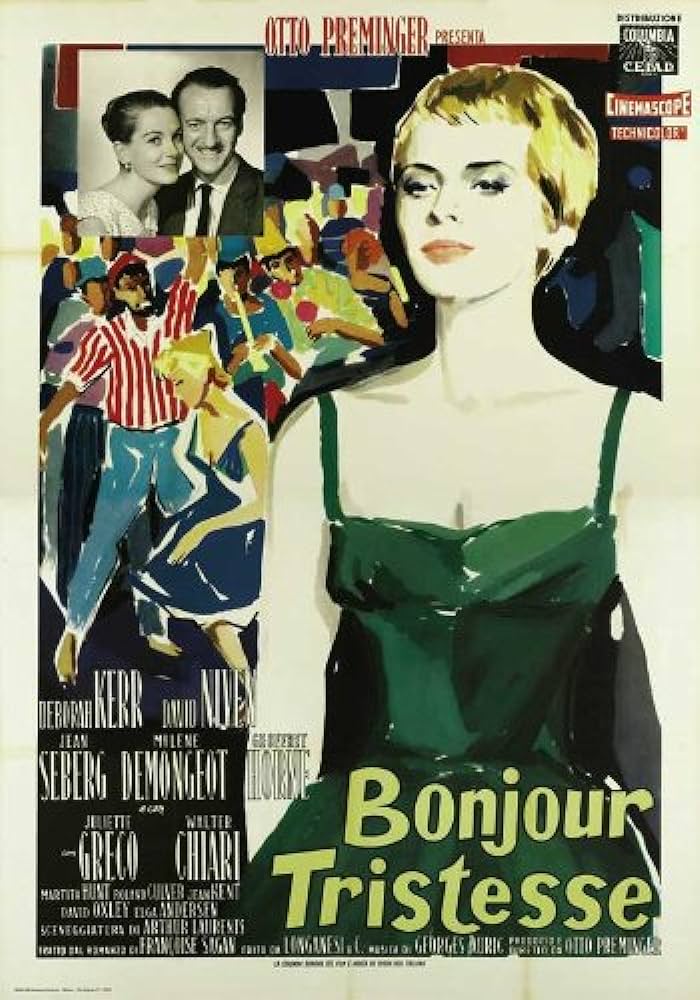
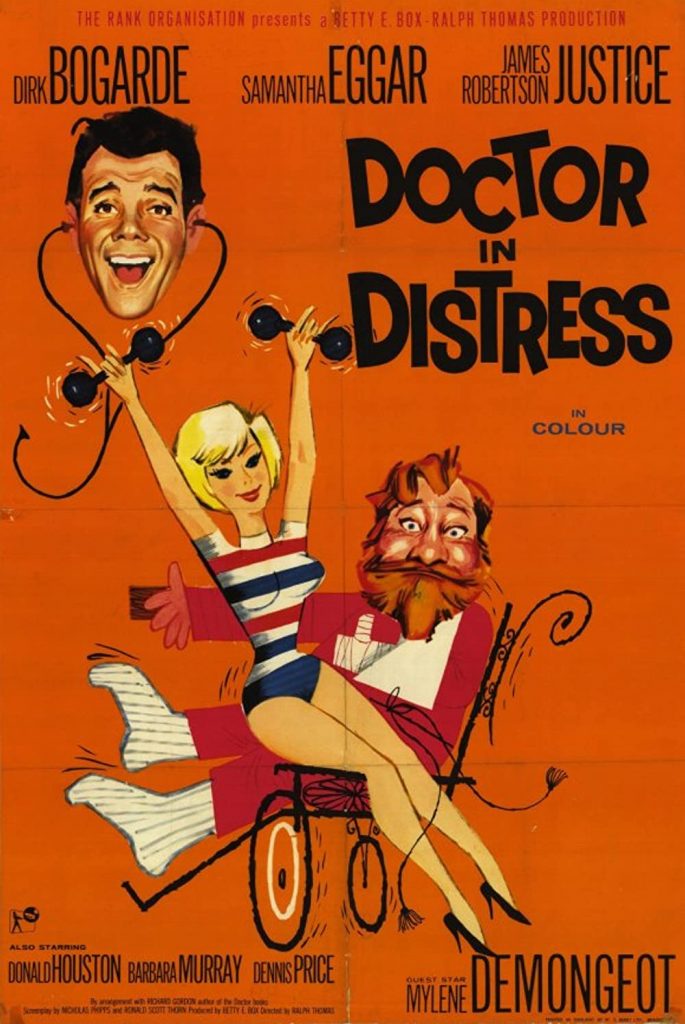
On the international arena notably she co-starred with David Niven in Otto Preminger’s Bonjour Tristesse from the novel by Françoise Sagan (1958). In the UK she co-starred in several comedies, including It’s A Wonderful World (1956); Upstairs and Downstairs (1959) and Doctor in Distress (1963).
Demongeot was also nominated for César Awards for Best Supporting Actress in 36 Quai des Orfèvres (2004) and La Californie . Her husband was Marc Simenon, the son of Maigret creator Georges Simenon..
In her later years she was conned out of her life-savings of some two million euros after a financial scare and only had survived by making drastic economies and living in a small flat in Paris. The anti-corruption squad eventually caught the culprit.














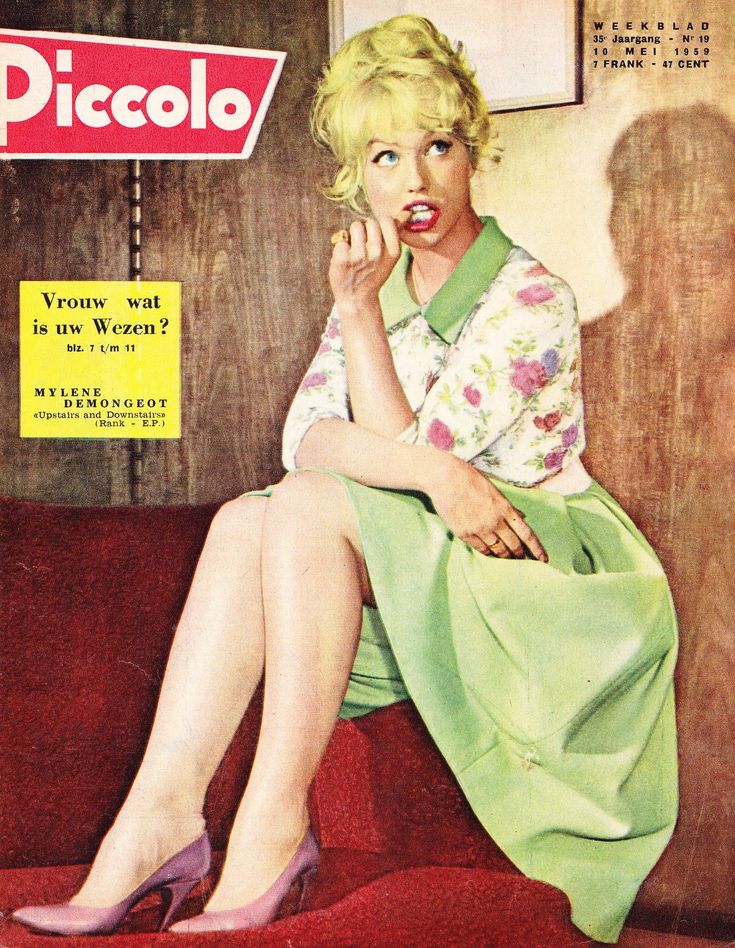
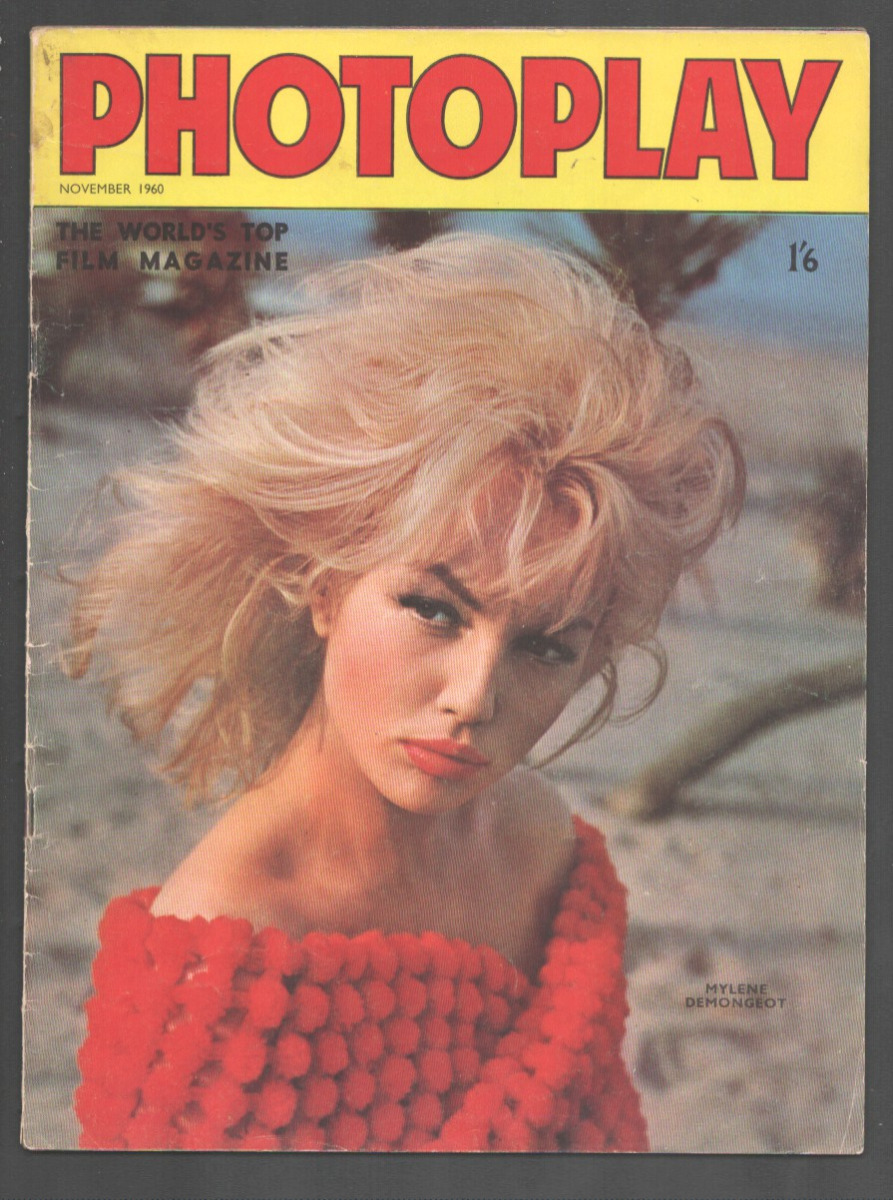
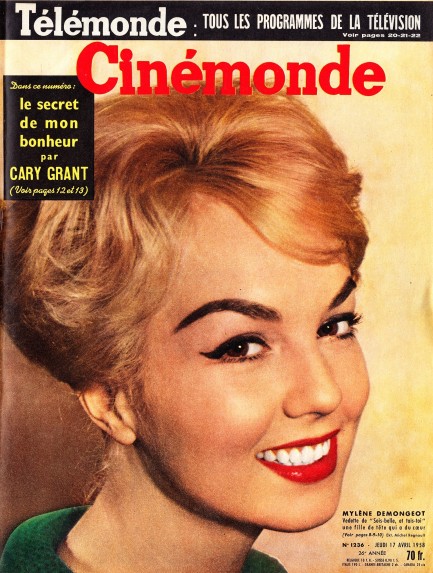

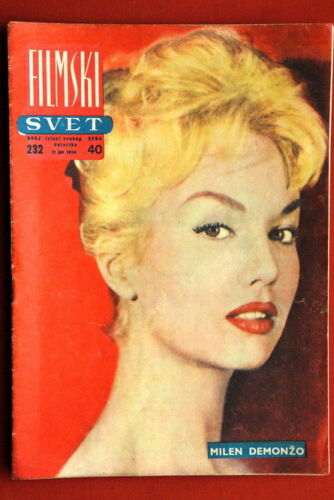

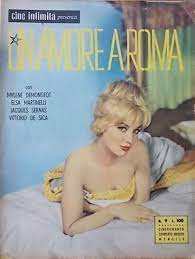
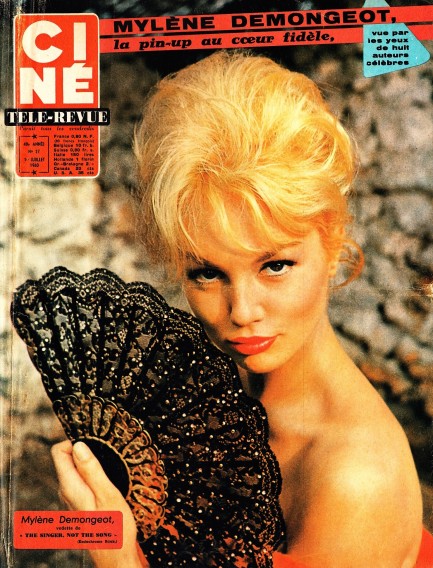


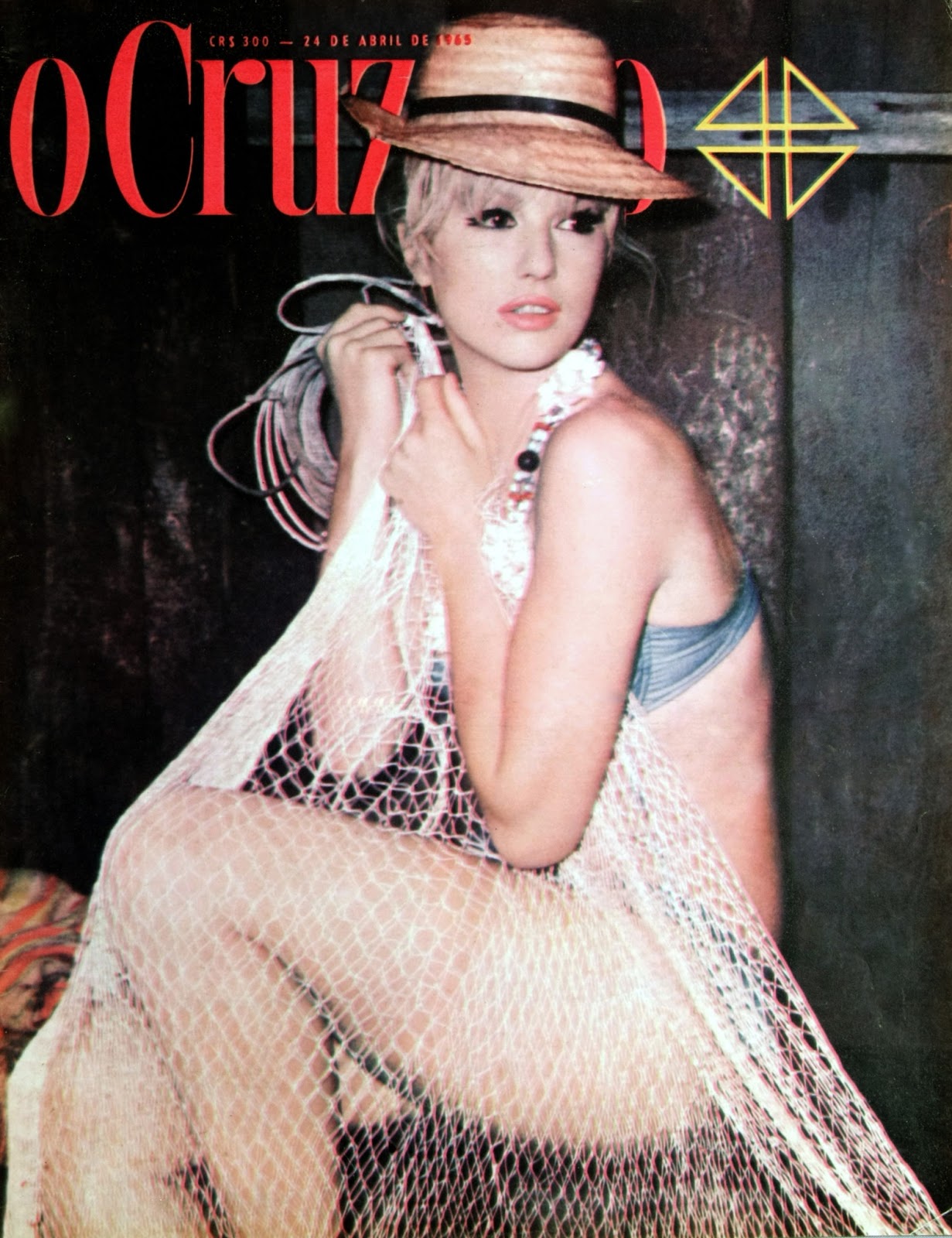

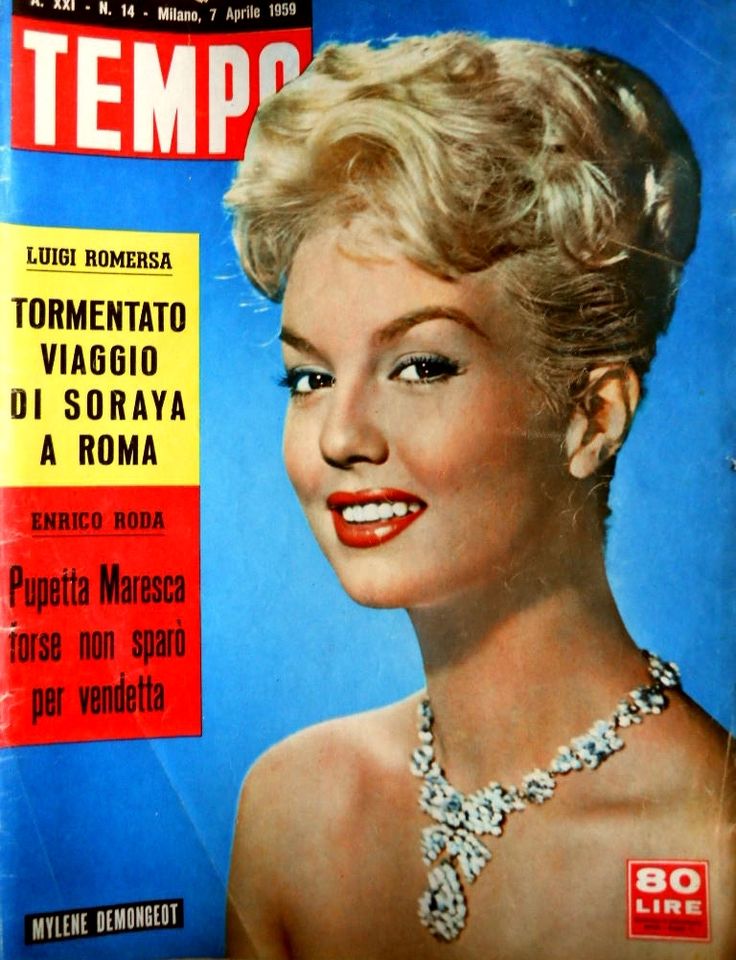
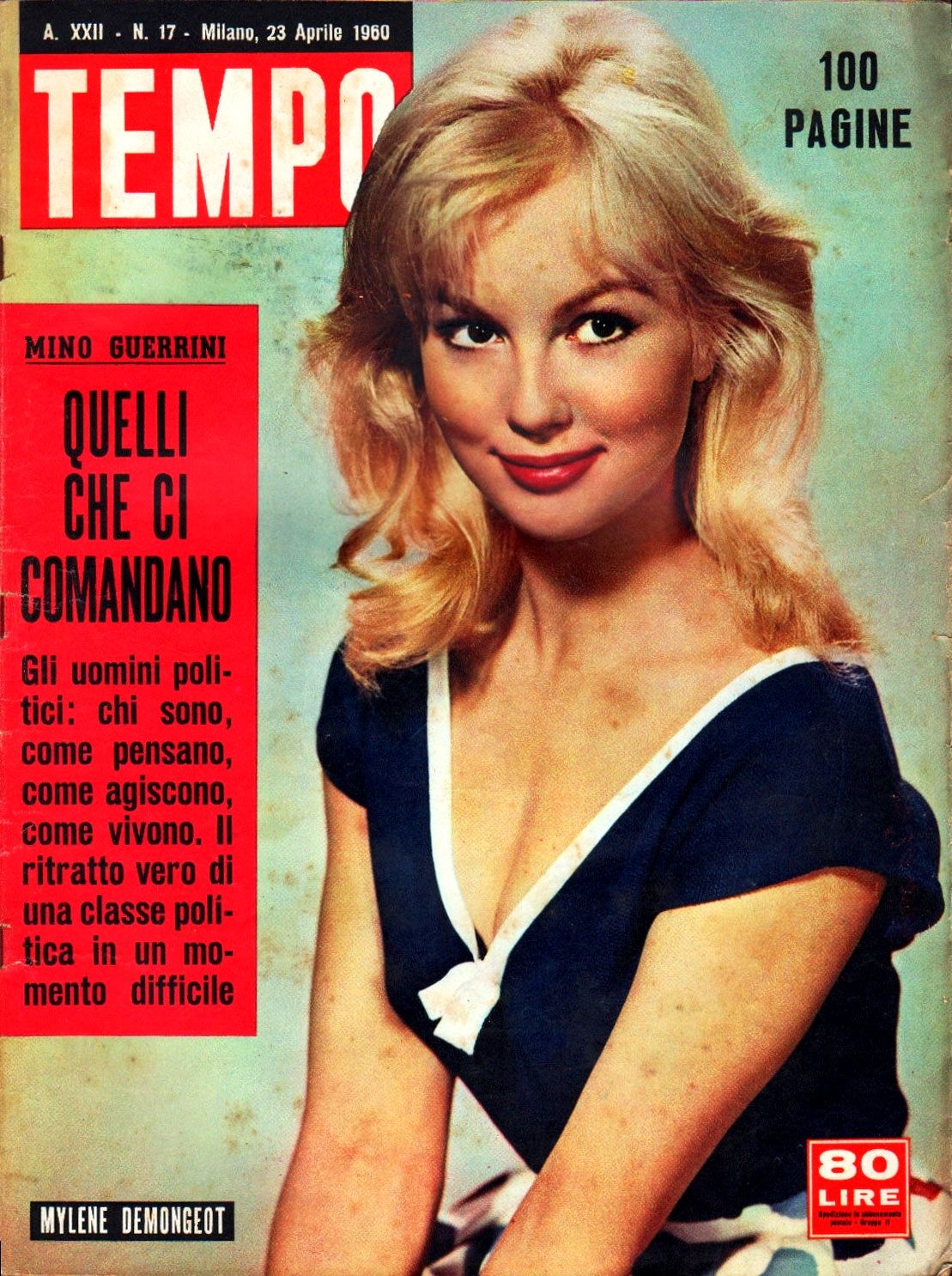
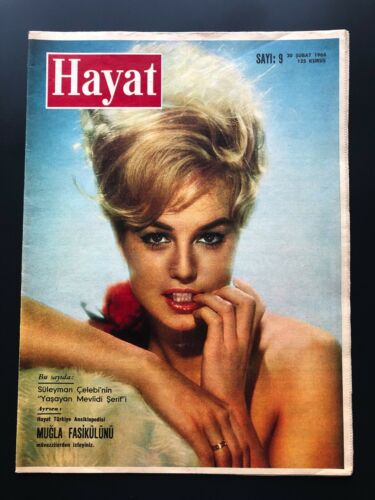



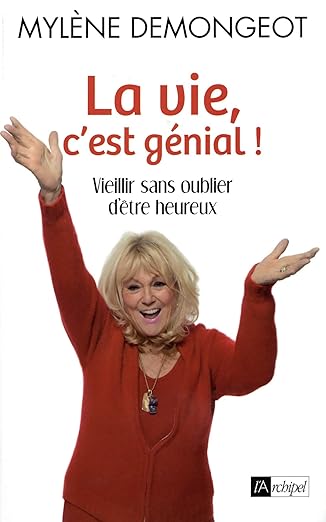
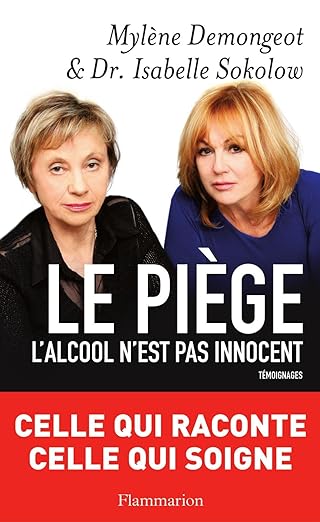
Mylène Demongeot — career overview and critical analysis
Her follow‑up roles—Elsa in Otto Preminger’s Bonjour Tristesse (1958) and Milady de Winter in Les Trois Mousquetaires (1961–62)—made her one of France’s most visible young stars of the late 1950s. She combined continental glamour with a surprisingly modern directness, distinguishing herself from contemporaries like Brigitte Bardot while still being labeled her “cinema sister”
She alternated between costume adventures and comedies, notably the hugely popular Fantômas trilogy of the 1960s, which aligned her with Europe’s James‑Bond‑era escapism
Later career and reinvention
Demongeot remained prolific, working in French, Italian, British and Japanese productions over seven decades
. By the 1970s she was a respected character actress and occasional producer, founding her own production company
biographs.org
. After a quieter period, she enjoyed a remarkable late‑career resurgence in the 2000s and 2010s with performances in Camping 3, The Midwife and Retirement Home alongside Gérard Depardieu. She continued acting until her death in 2022 at age 87.
Acting style and screen persona
Magnetism and poise: Demongeot combined the erotic confidence expected of 1950s French stars with an unusual self‑awareness and humor.
Versatility: She moved comfortably from ingénues and seductresses to aristocratic schemers and earthy maternal figures. Her voice and gaze conveyed both warmth and irony, aligning her with the European tendency toward psychological realism rather than Hollywood artifice.
Physical spontaneity: A former model, she used gesture and movement expressively but tempered it with intelligence—she often played women conscious of their appeal and its consequences.
Critical analysis
Strengths
Range and longevity: Across seventy years she adapted to evolving cinematic idioms—from postwar melodrama to modern comedy—without fossilizing into nostalgia.
Genre fluency: She succeeded in serious drama (The Crucible), stylized art cinema (Bonjour Tristesse), historical adventure, and popular farce (Fantômas), testifying to craft beneath surface glamour.
Resilience and reinvention: Demongeot turned early “sex‑symbol” publicity into a platform for durable character work, demonstrating agency unusual for actresses launched under that label.
Limitations and industry constraints
Stereotyping: Early career marketing as Bardot’s counterpart risked reducing her to blonde allure rather than emphasizing her acting intelligence.
Uneven international exposure: Despite English‑language credits, she remained primarily a French star; her subtler later work received less global attention.
Shift in popular style: As auteur cinema displaced studio adventure in the 1970s, her traditional leading‑lady vehicles waned before her move to character roles.
Legacy and significance
Cultural icon of continuity: Demongeot bridged post‑war French classicism and contemporary commercial cinema, embodying the evolution of women’s screen images from ornamental to autonomous.
Model of professional endurance: With over a hundred credits in seven
Advocacy and authorship: In later life she became a writer and animal‑rights activist, expanding her artistic identity beyond .
Assessment
Mylène Demongeot was not merely one of France’s 1950s blonde icons but a skilled, multilingual actor whose craft evolved with time. Her career charts the changing possibilities for European actresses—from decorative youth to mature character authority—and demonstrates how discipline, humor and self‑knowledge can sustain artistic relevance across seven decades.