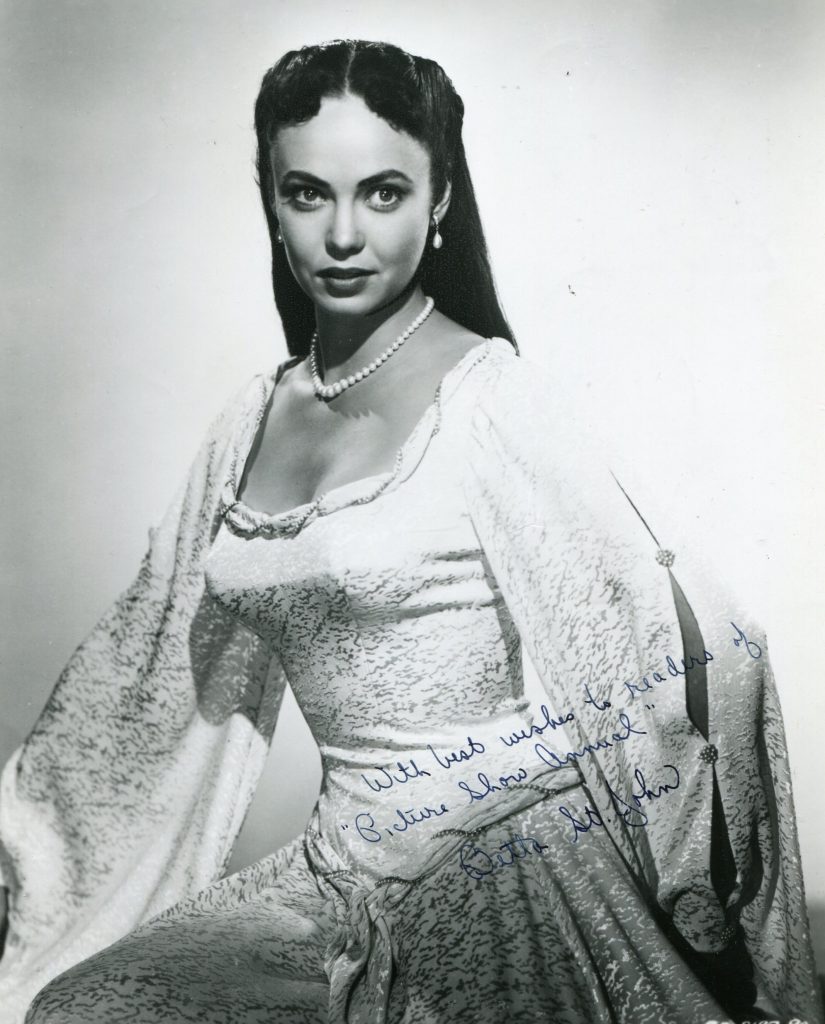
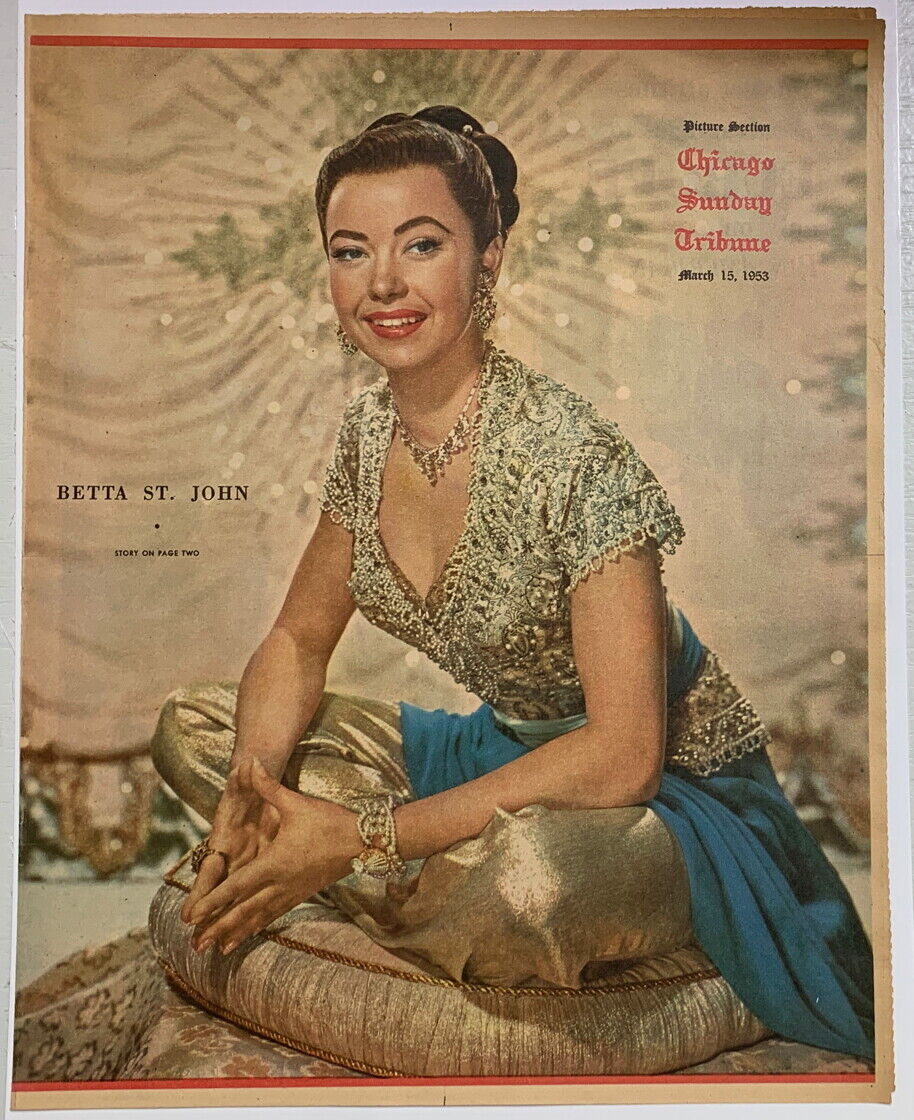
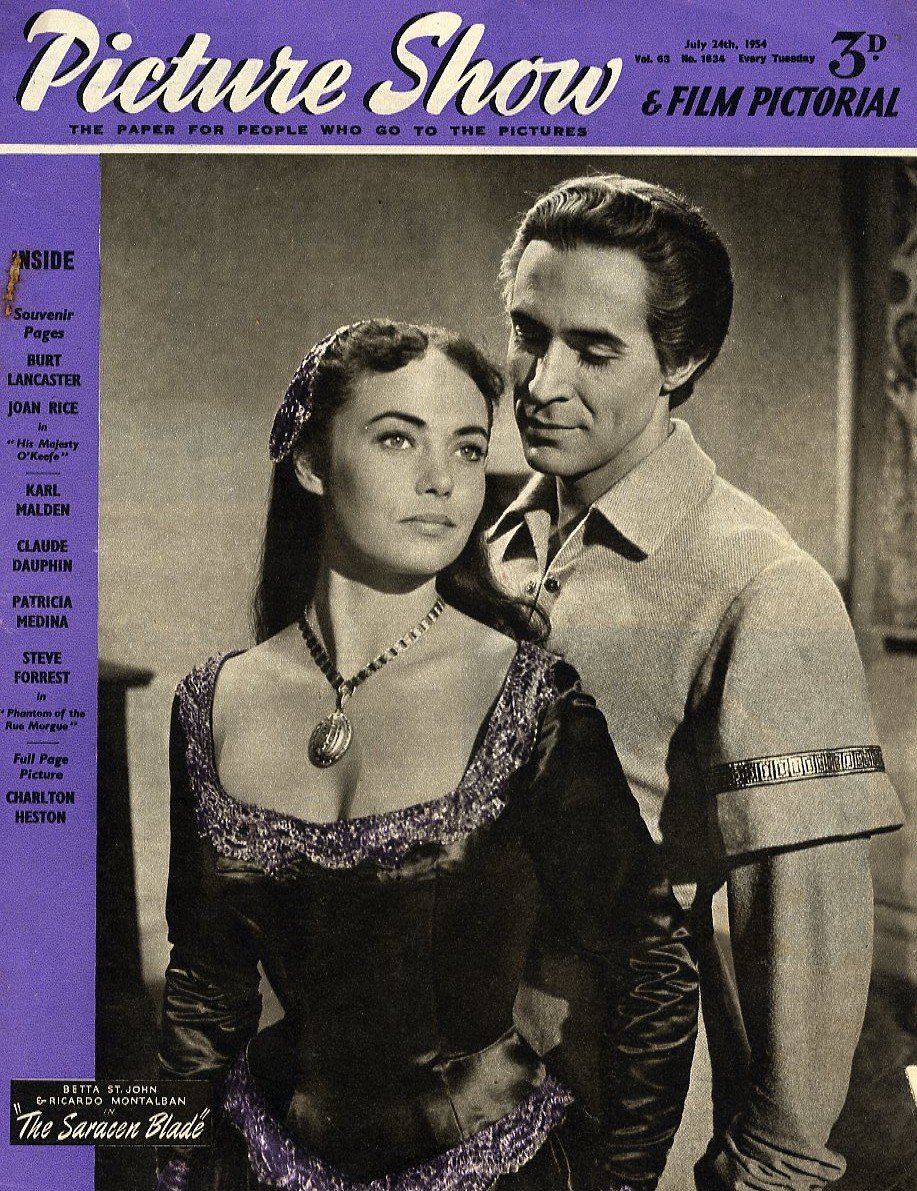
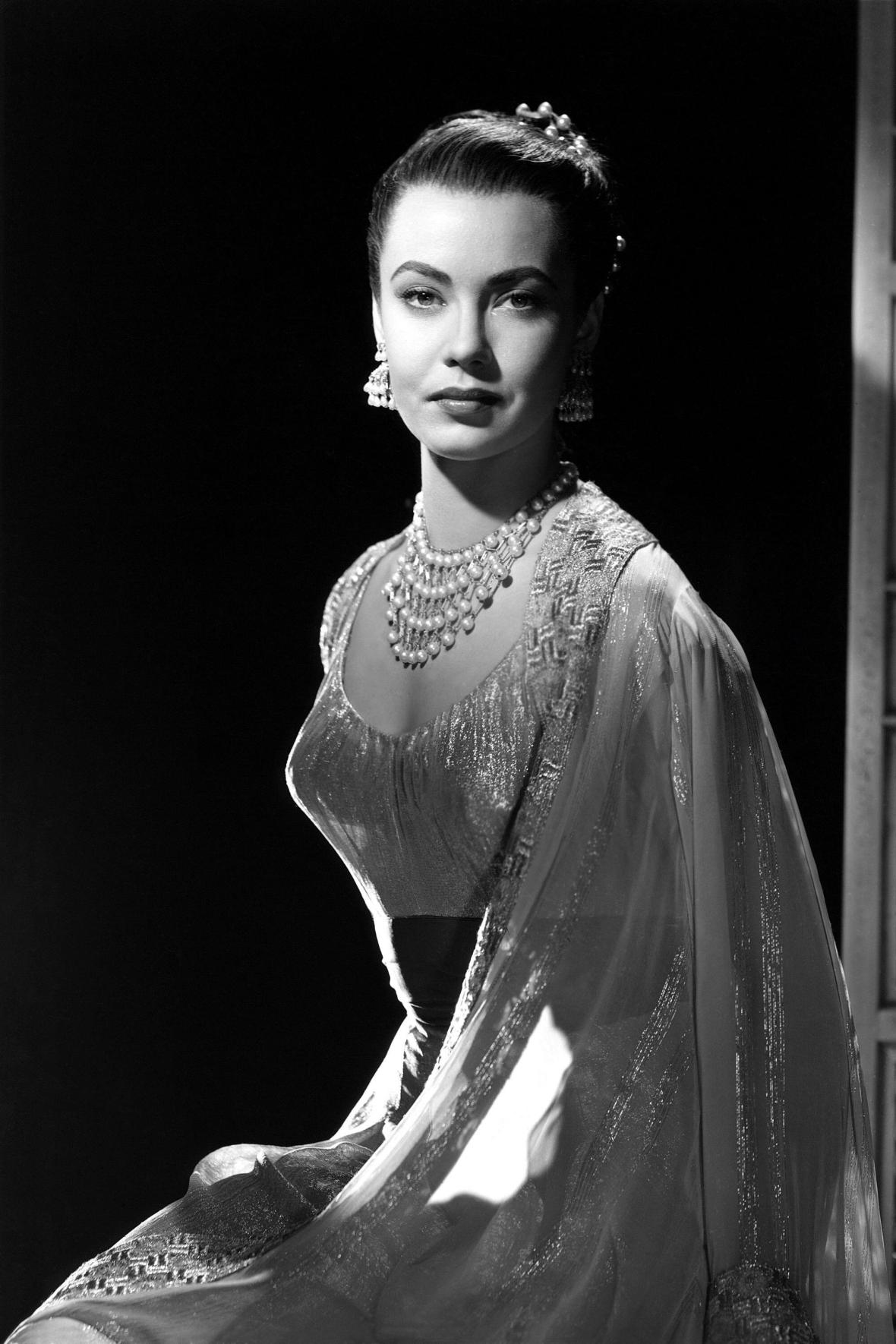
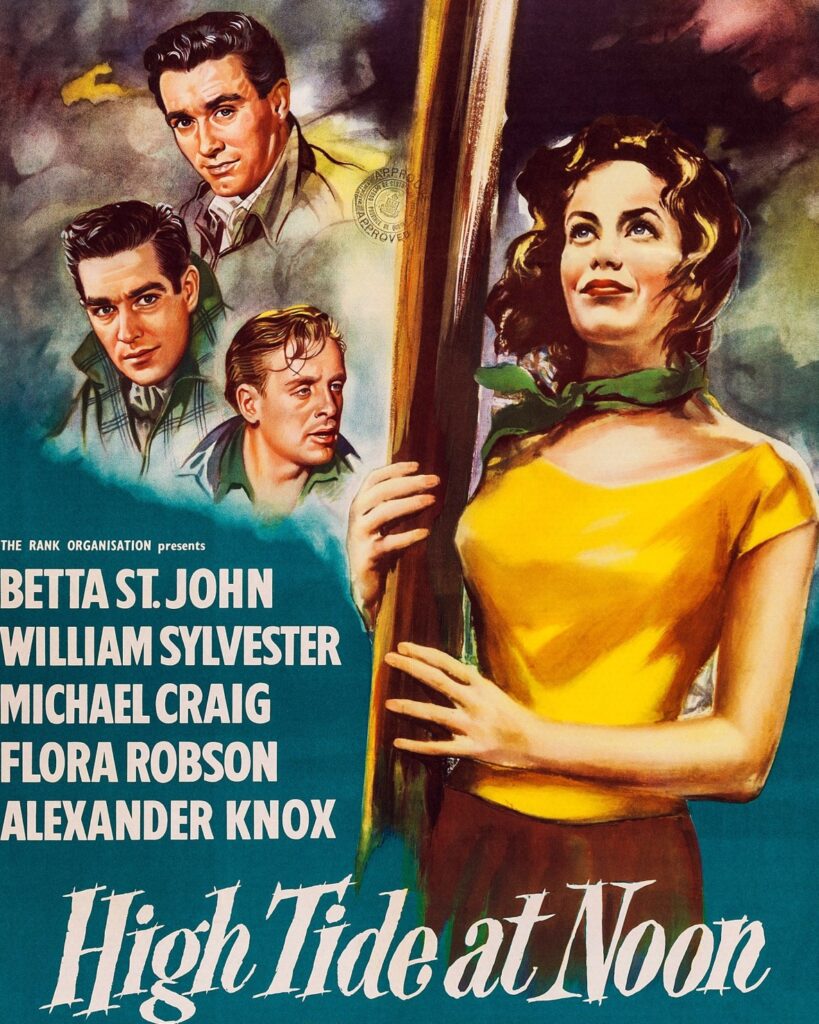
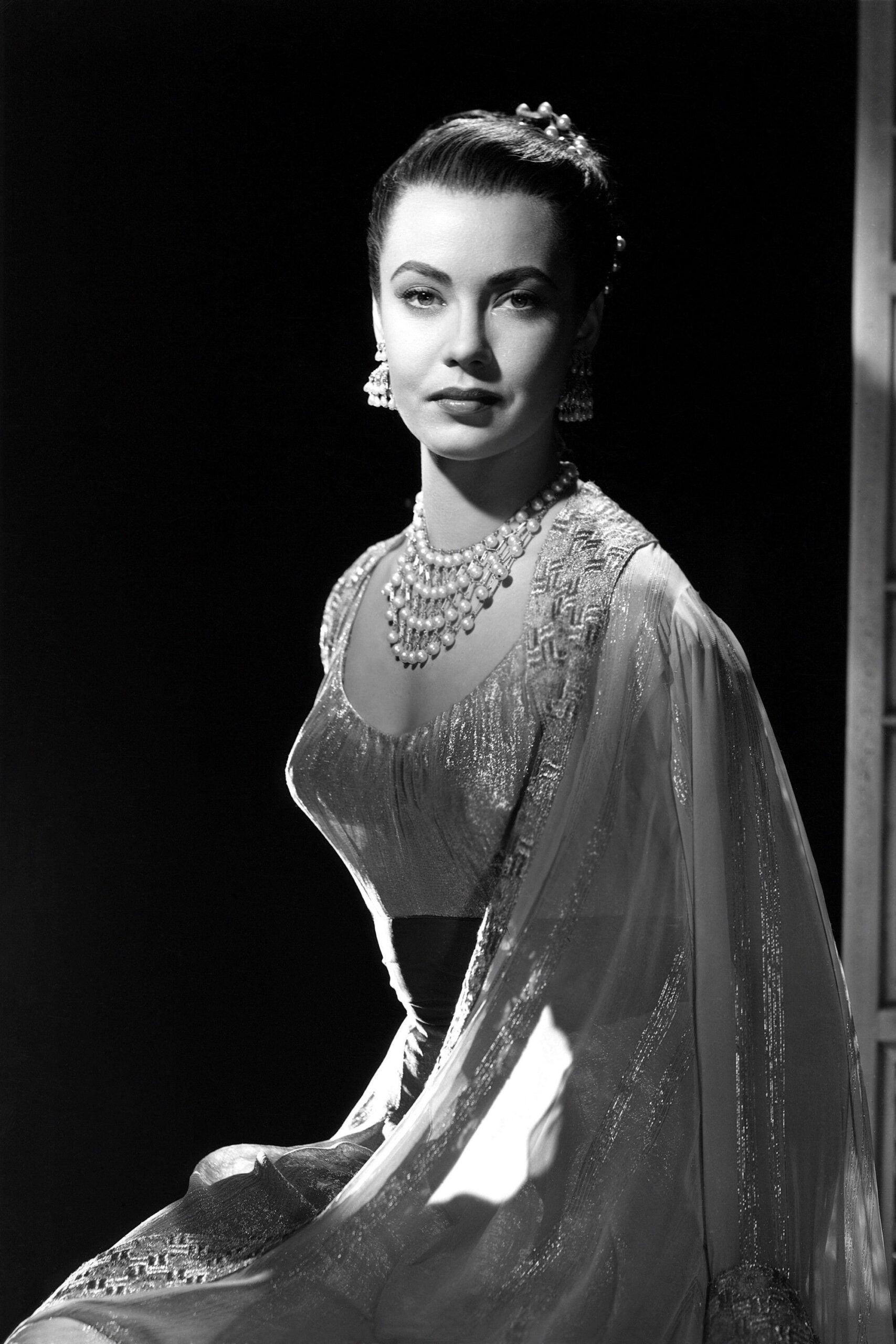
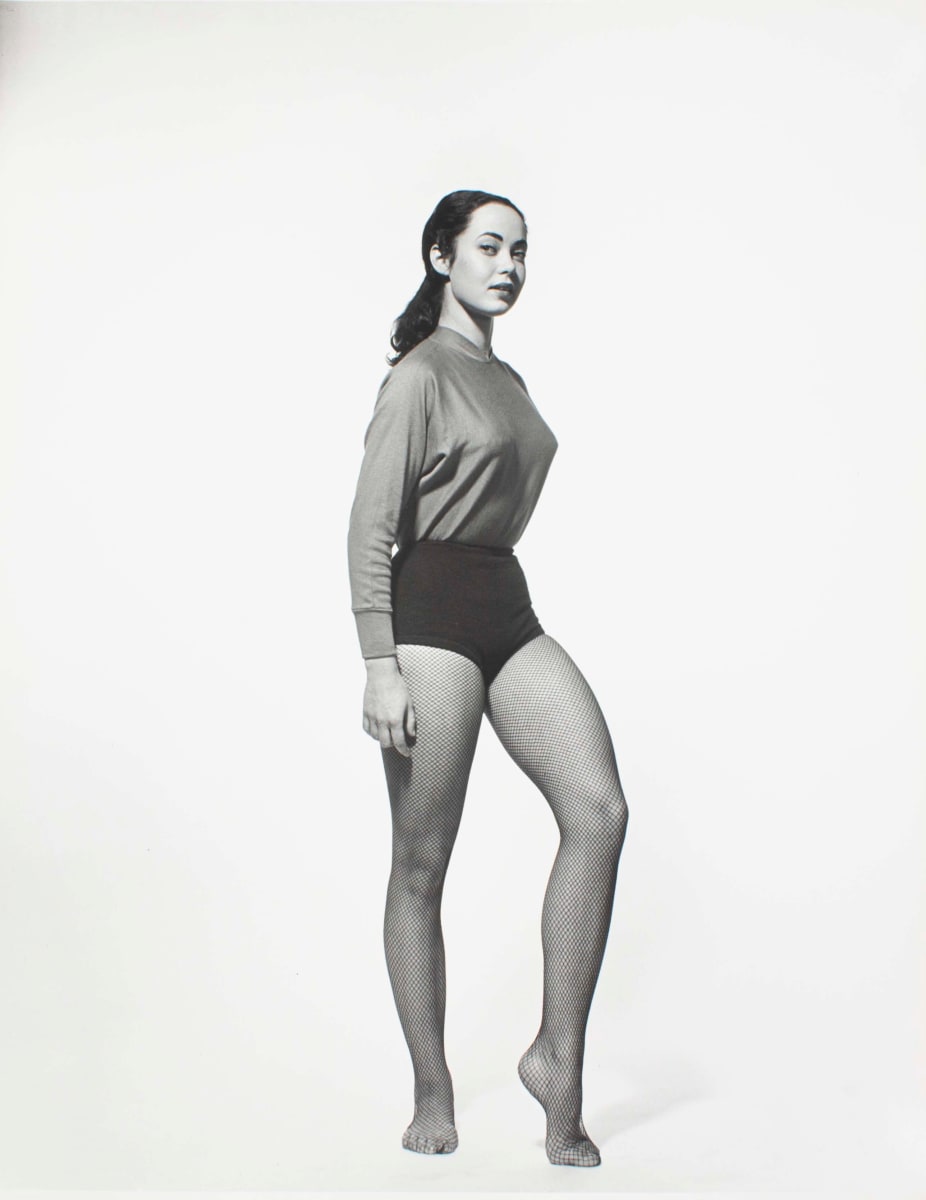
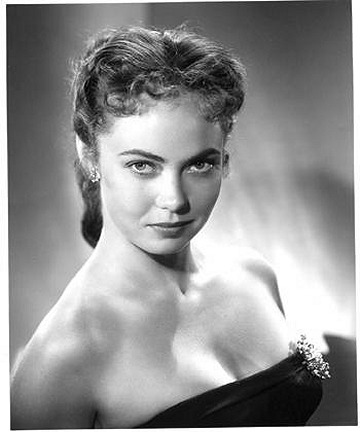
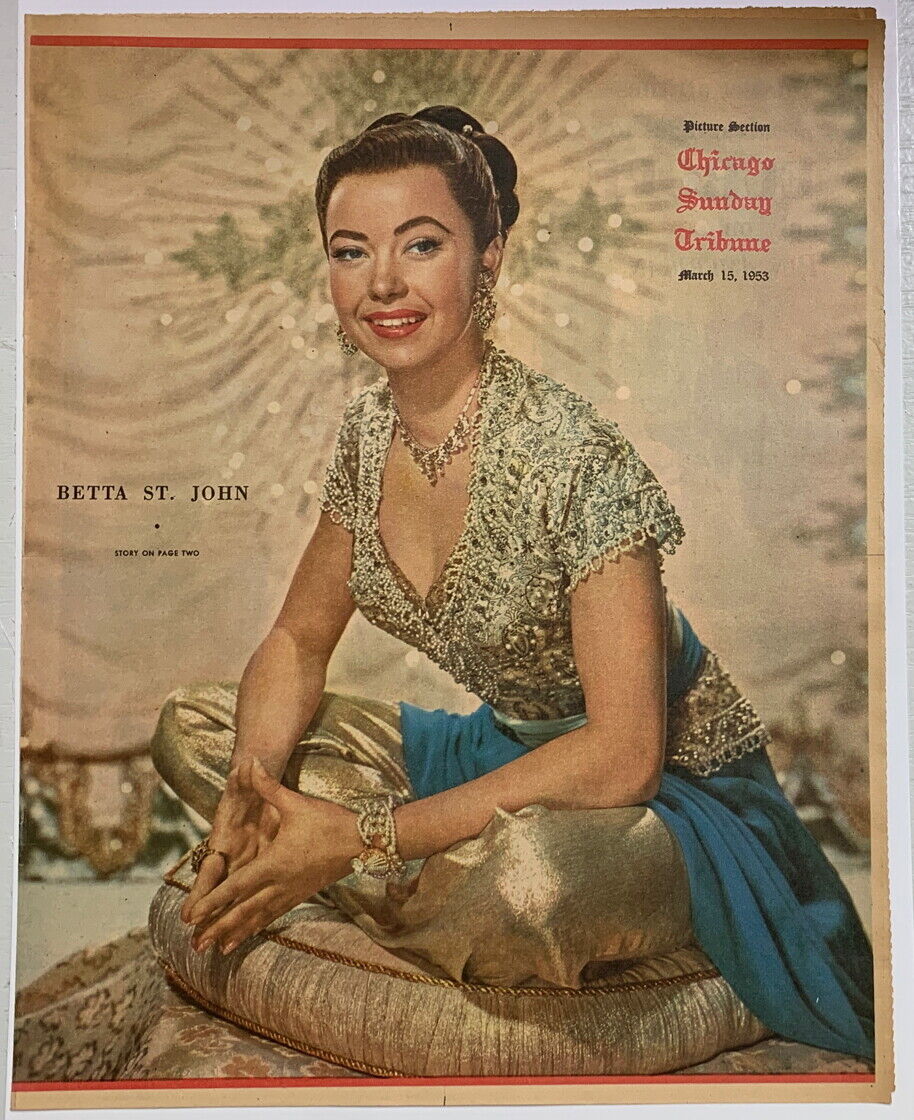
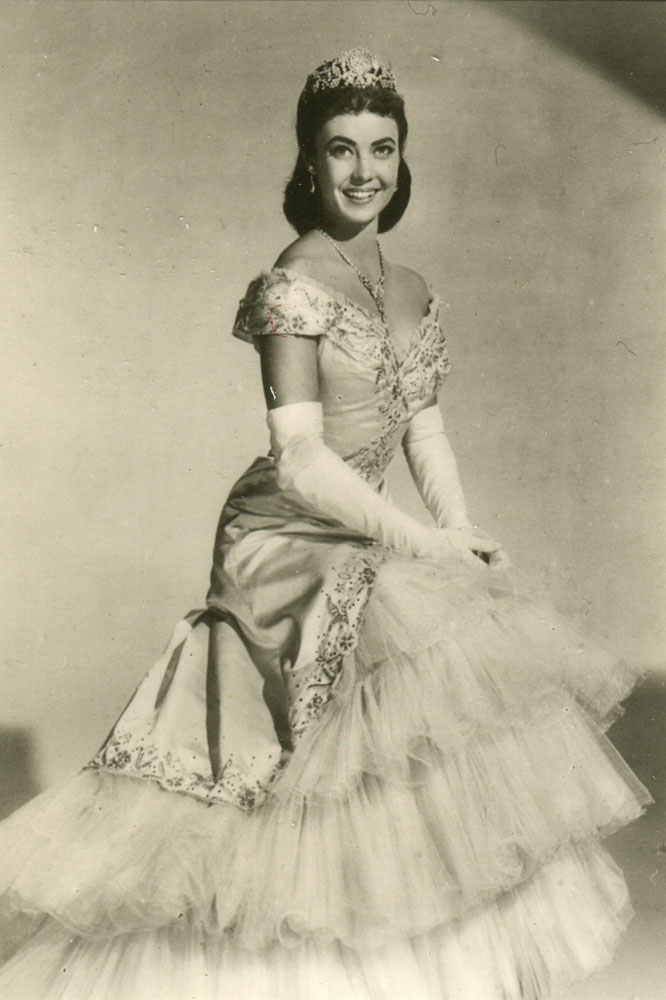
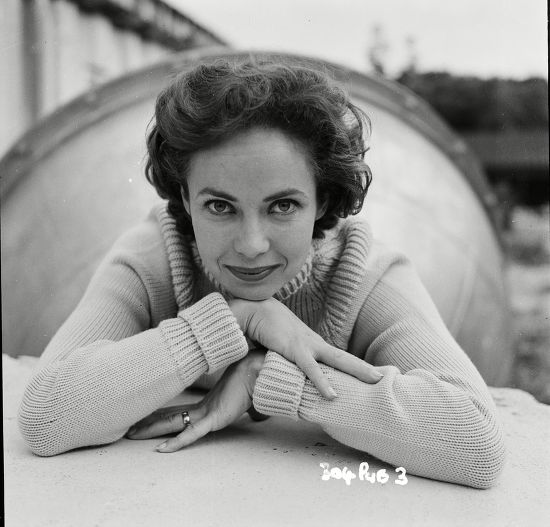
Betta St. John

THE TIMES OBITUARY IN 2023:

BETTA ST JOHN OBITUARY

Actress of stage and screen who starred alongside Cary Grant in the MGM romcom Dream Wife

Saturday July 15 2023, 12.01am BST, The Times


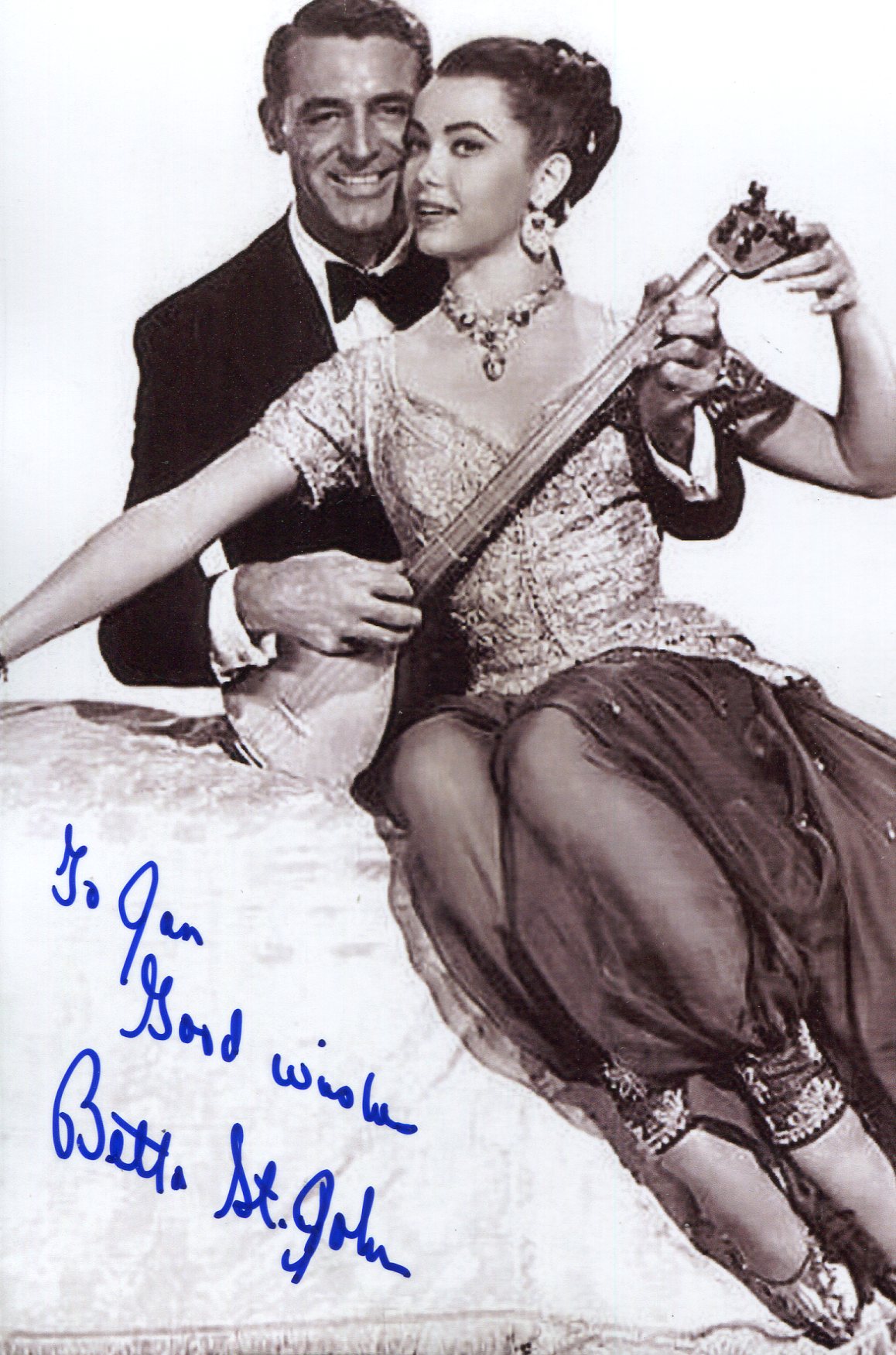
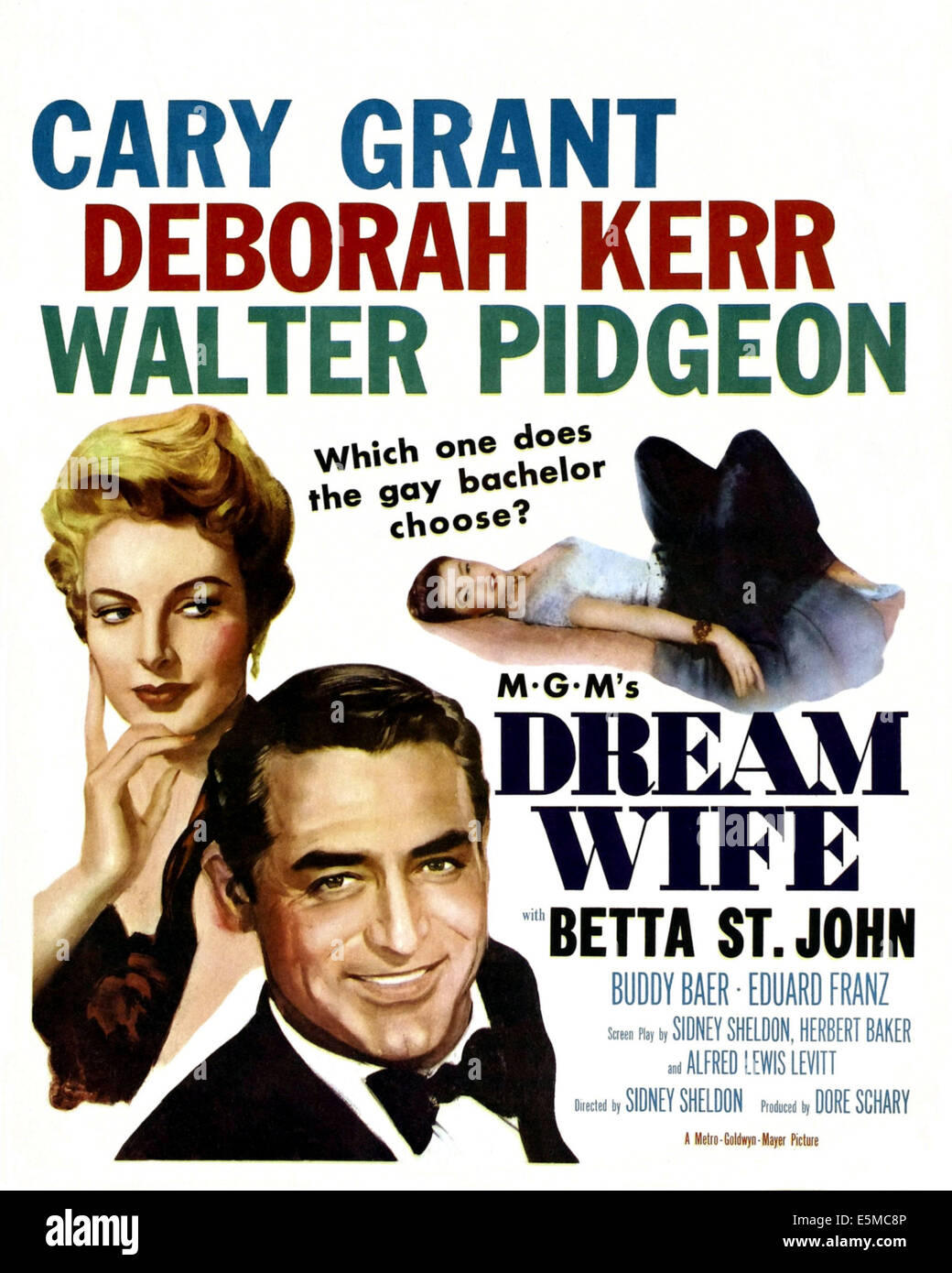
St John and Cary Grant in the 1953 film Dream Wife. Deborah Kerr also starred
St John and Cary Grant in the 1953 film Dream Wife. Deborah Kerr also starred.


A Hollywood debut at ten years old alongside Marlene Dietrich and James Stewart in the classic 1939 western Destry Rides Again was undoubtedly a fine start for Betta St John’s film career.

Yet had it not been for a family holiday, her introduction to filmgoers could have been even more memorable. Shortly before she was cast in Destry Rides Again to sing the cowboy song Little Joe The Wrangler, she was offered a part as one of the Munchkins in The Wizard Of Oz.

However, her parents owned a cabin in the picturesque Morongo Valley on the edge of California’s Mojave desert and had arranged a trip there. The dates of the holiday clashed with filming and so St John was unable to join Dorothy, the Tin Man, the Scarecrow and the Cowardly Lion on the set of a film that in 2022 was ranked second by Variety magazine in its list of the 100 greatest movies of all time.

Like her contemporaries Judy Garland and Shirley Temple, St John was a member of the Meglin Kiddies, the troupe of child actors and dancers established by the former Ziegfeld girl Ethel Meglin. The school became the first call for Hollywood studios looking for youthful talent and, by the time she was eight years old, St John had already been issued with a social security number.

Her first film and in particular her encounter with Dietrich left a lasting impression that reinforced her determination to be an actress.

“I was taken to meet her for her approval and was extremely nervous,” St John remembered more than half a century later. “She was wearing her dance hall outfit and had gold glitter in her hair. My eyes nearly popped out. I’d never seen anyone dressed like that and as a ten-year-old I thought she was simply marvellous.”

There were further films as a Meglin Kiddie, including playing an orphan in the 1943 adaptation of Jane Eyre starring Orson Welles and Joan Fontaine and another orphan in Lydia (1941), starring Merle Oberon. Yet after her screen debut she had to wait another 14 years for what she called her “first grown-up movie part”, when she played a sultry Middle Eastern princess in 1953’s Dream Wife in a ménage à trois with Cary Grant and Deborah Kerr

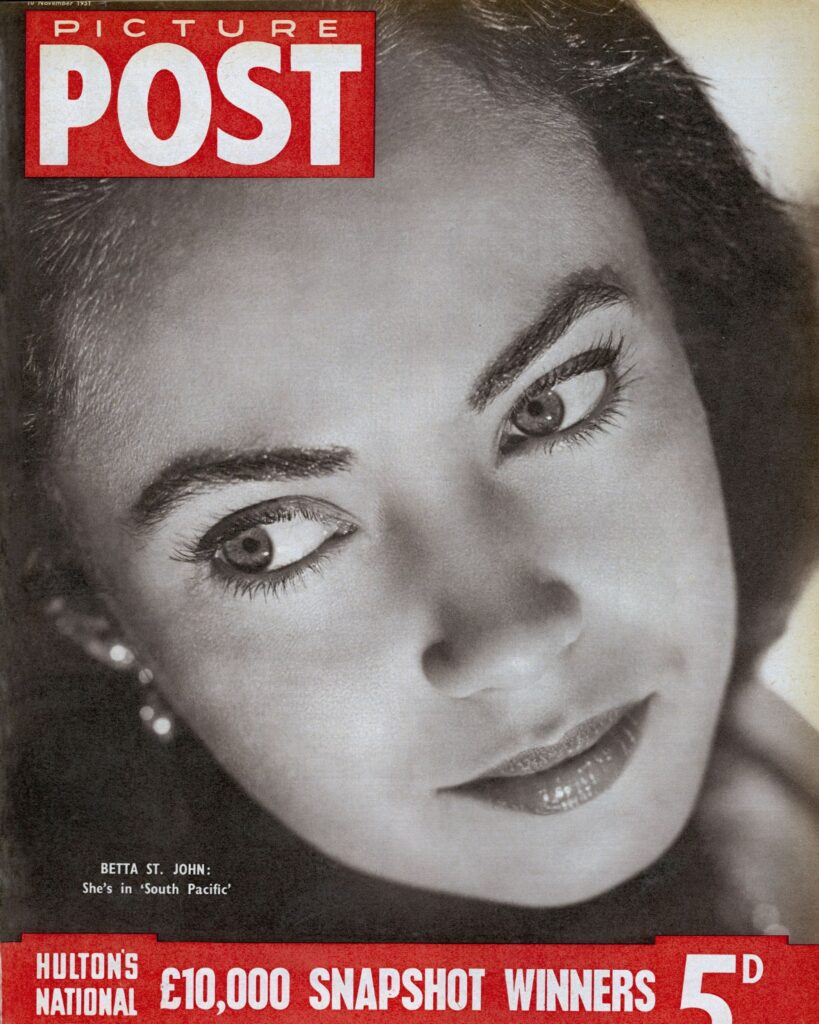
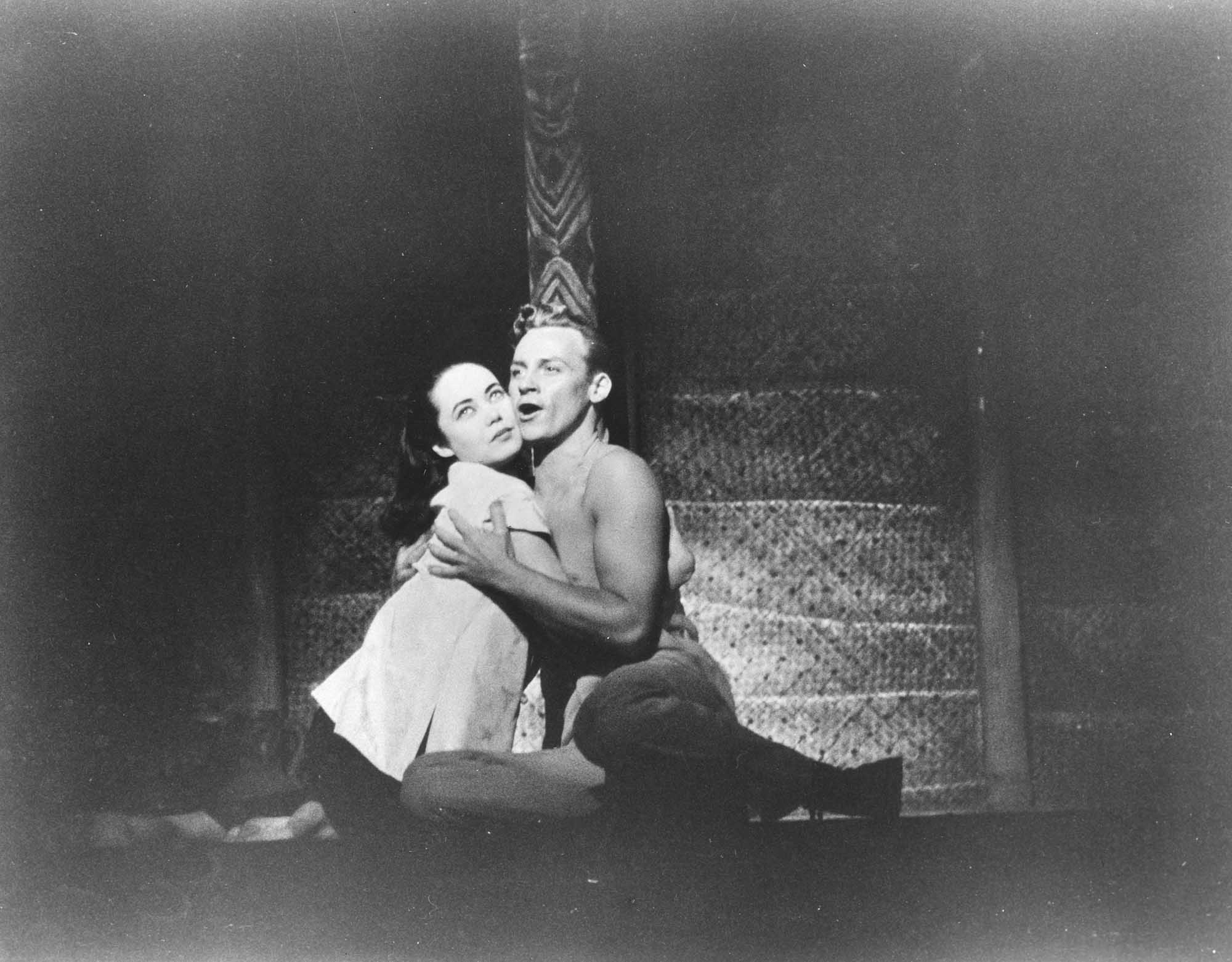
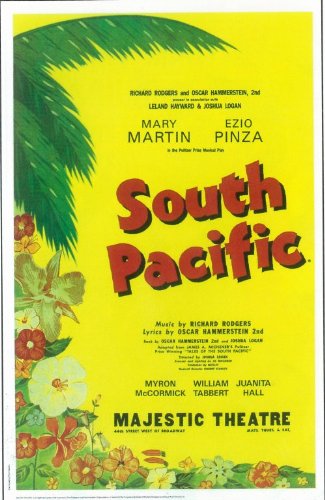
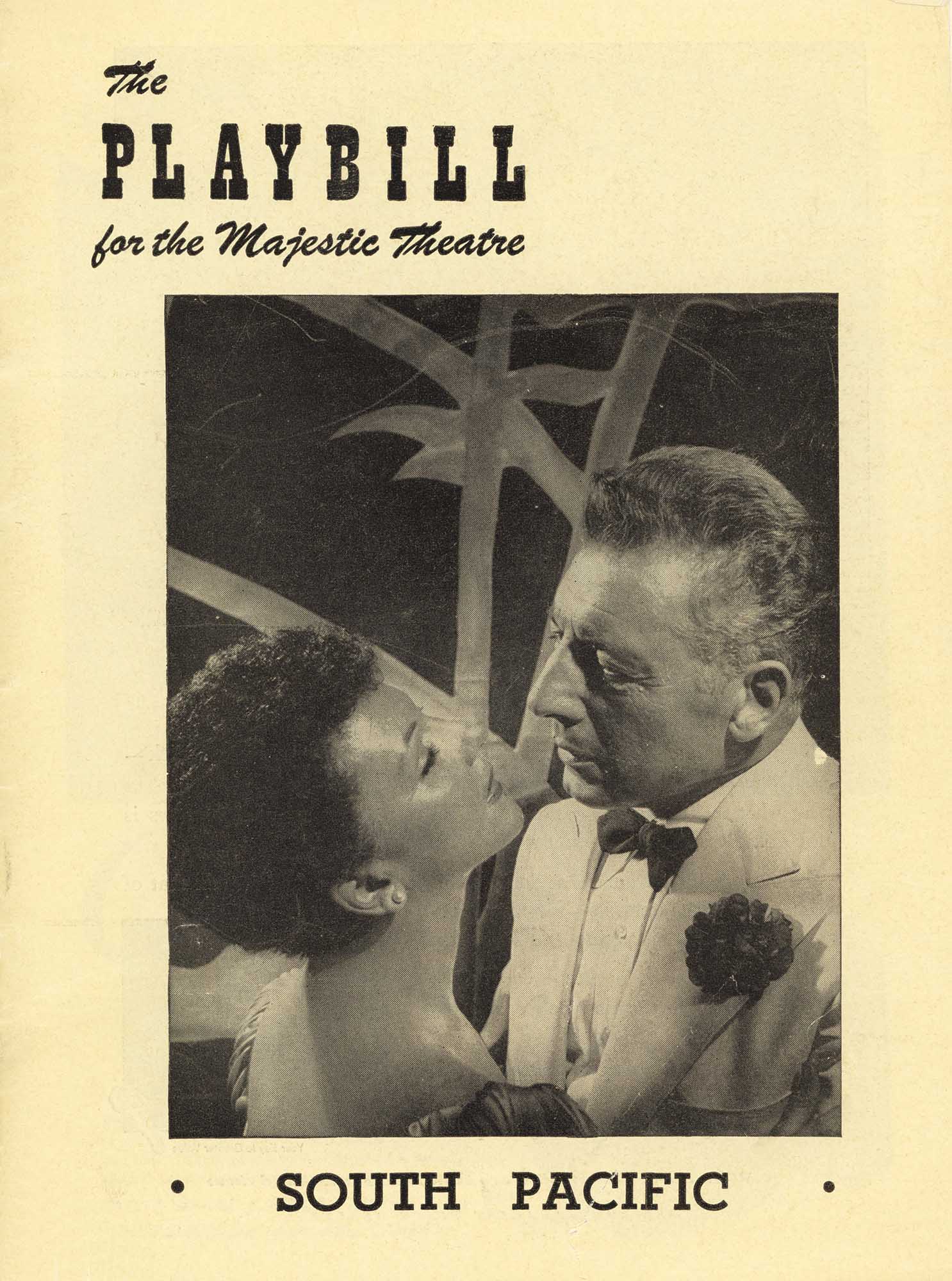
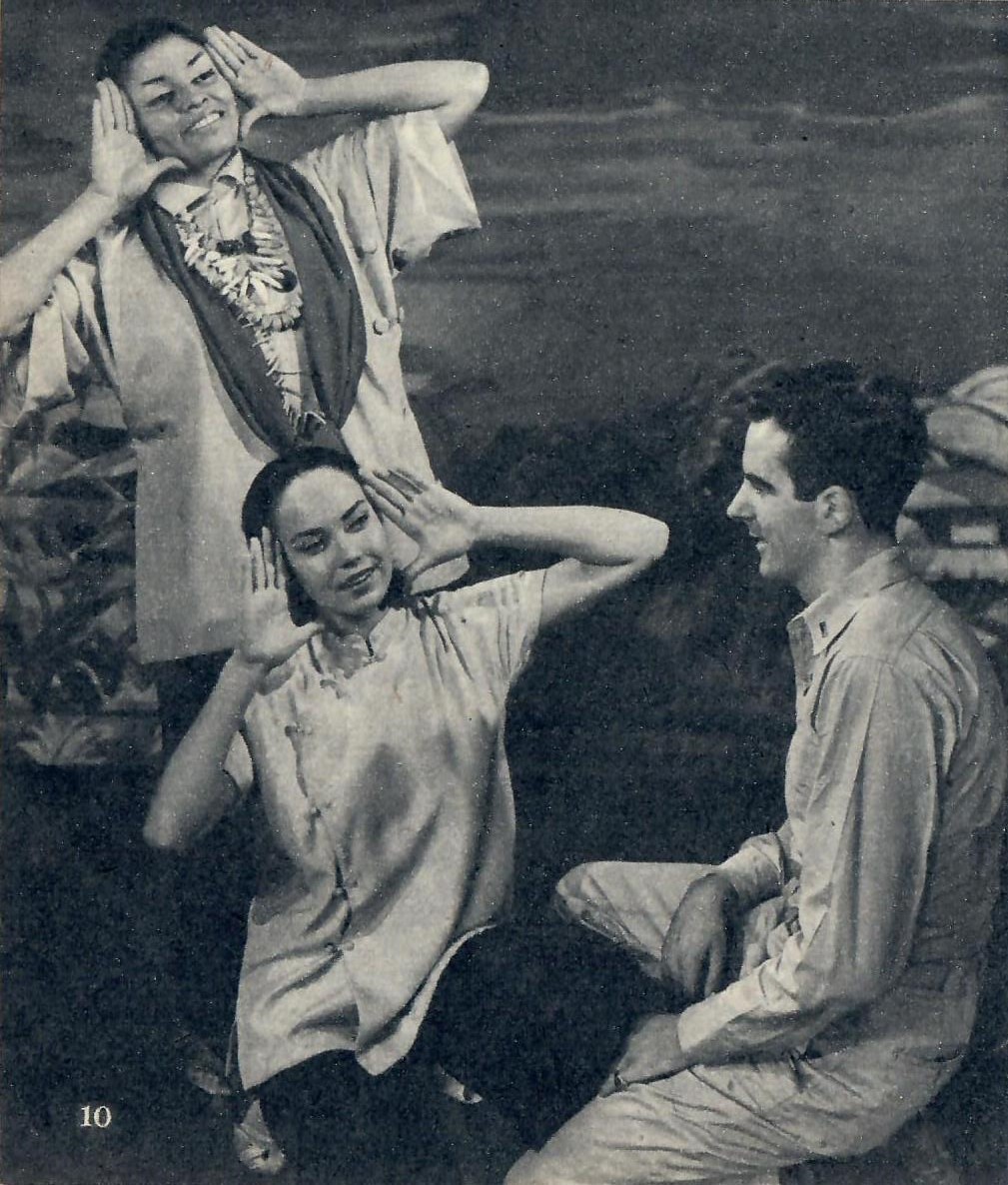
By then she had made her name on the stage playing the innocent island girl Liat in the original Broadway cast of Rodgers and Hammerstein’s South Pacific. She reprised the role when the musical transferred in 1951 to London’s Theatre Royal Drury Lane, where King George VI and the future Queen Elizabeth II saw the production.

When she was cast in Dream Wife, the film’s trailer billed her as “the screen’s new dream girl . . . the ‘Happy Talk’ girl of the stage hit South Pacific”. In both roles the make-up department gave her eyes an Oriental look. “Showbusiness won’t let me open my eyes,” she joked in the language of the time

When she was cast in Dream Wife, the film’s trailer billed her as “the screen’s new dream girl . . . the ‘Happy Talk’ girl of the stage hit South Pacific”. In both roles the make-up department gave her eyes an Oriental look. “Showbusiness won’t let me open my eyes,” she joked in the language of the time.

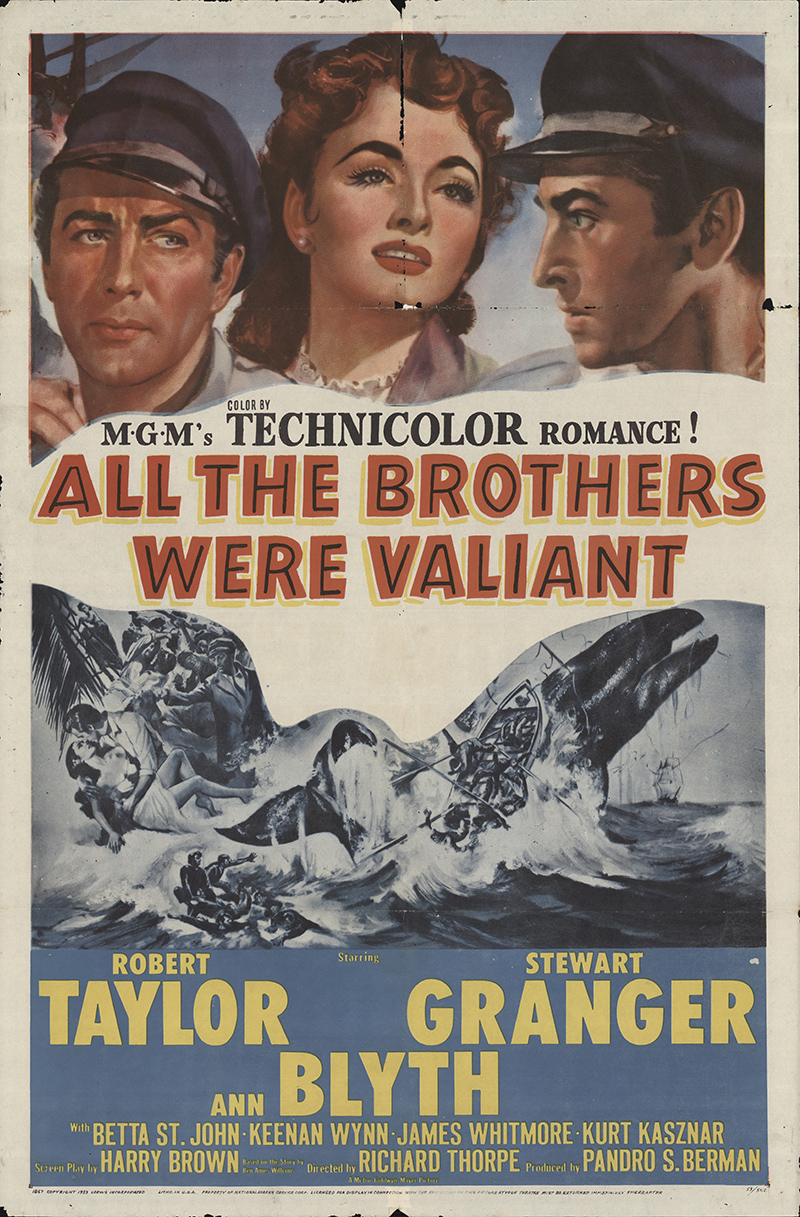
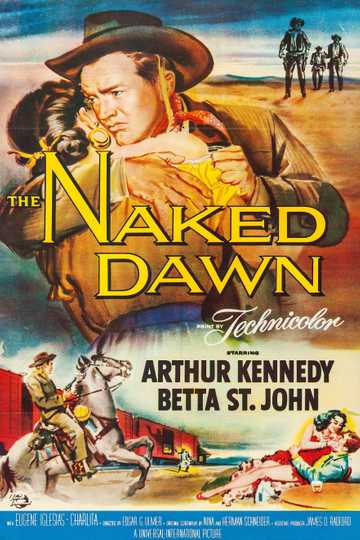
Over the next 18 months she made six more films, including All the Brothers Were Valiant, filmed in Jamaica opposite Stewart Granger, and in the biblical epic The Robe, in which she played Miriam opposite Richard Burton as the Roman tribune in charge of the Crucifixion. Burton left as big an impression on her as Dietrich had done. She described him admiringly as “a legit actor” and felt he was “only in Hollywood for the money

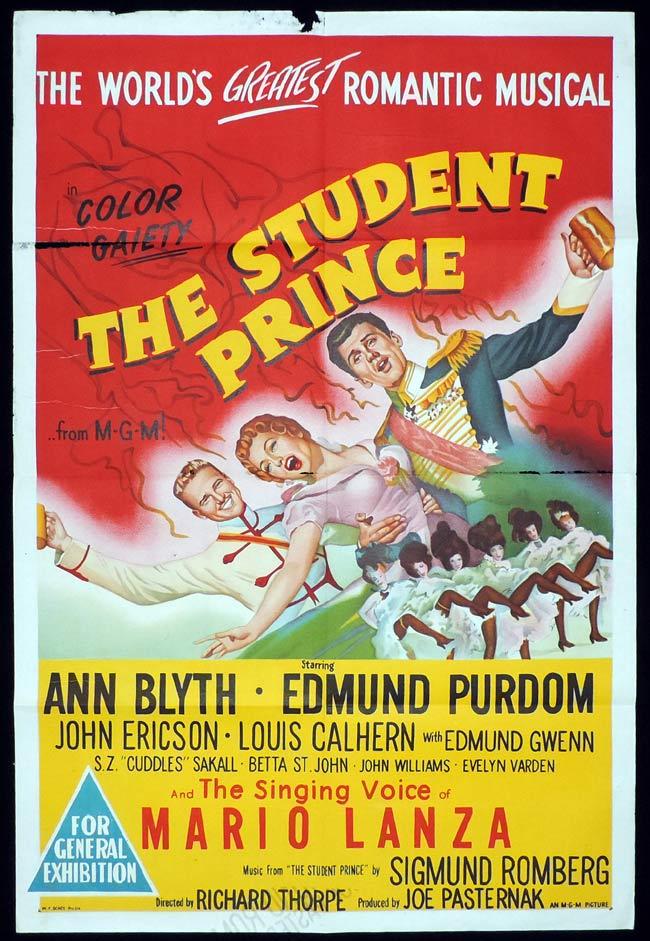
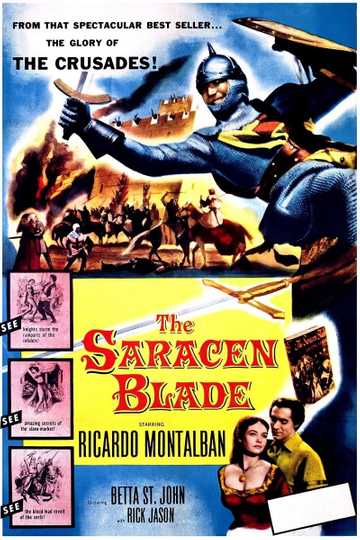
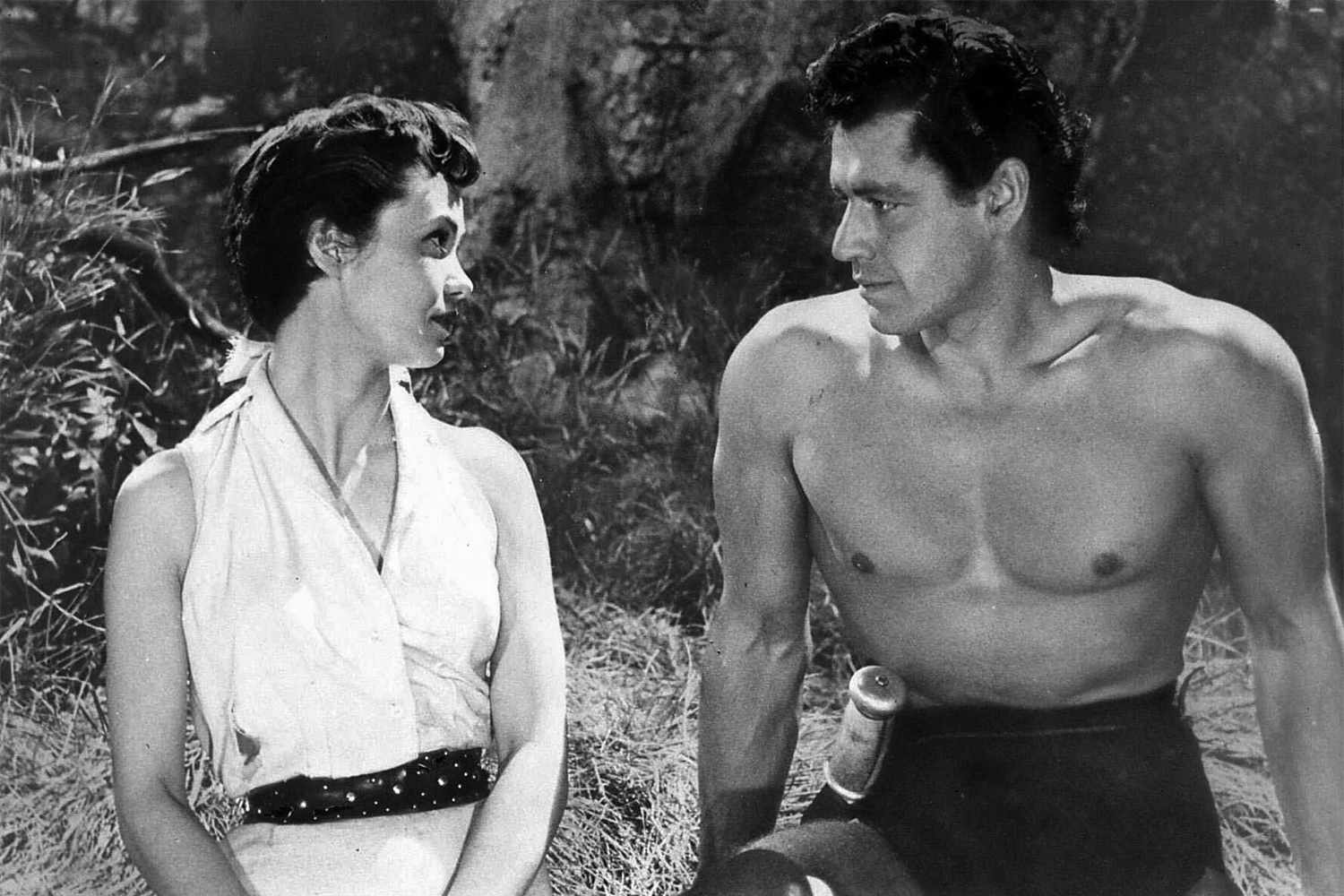
She also played Princess Johanna in the 1954 screen adaptation of The Student Prince, singing opposite Mario Lanza, although his voice was overdubbed and he did not appear in the film. She cited it as her favourite among the films she made in adulthood, which also included two Tarzan films in which she played Jane-type roles opposite Gordon Scott as the king of the jungle.

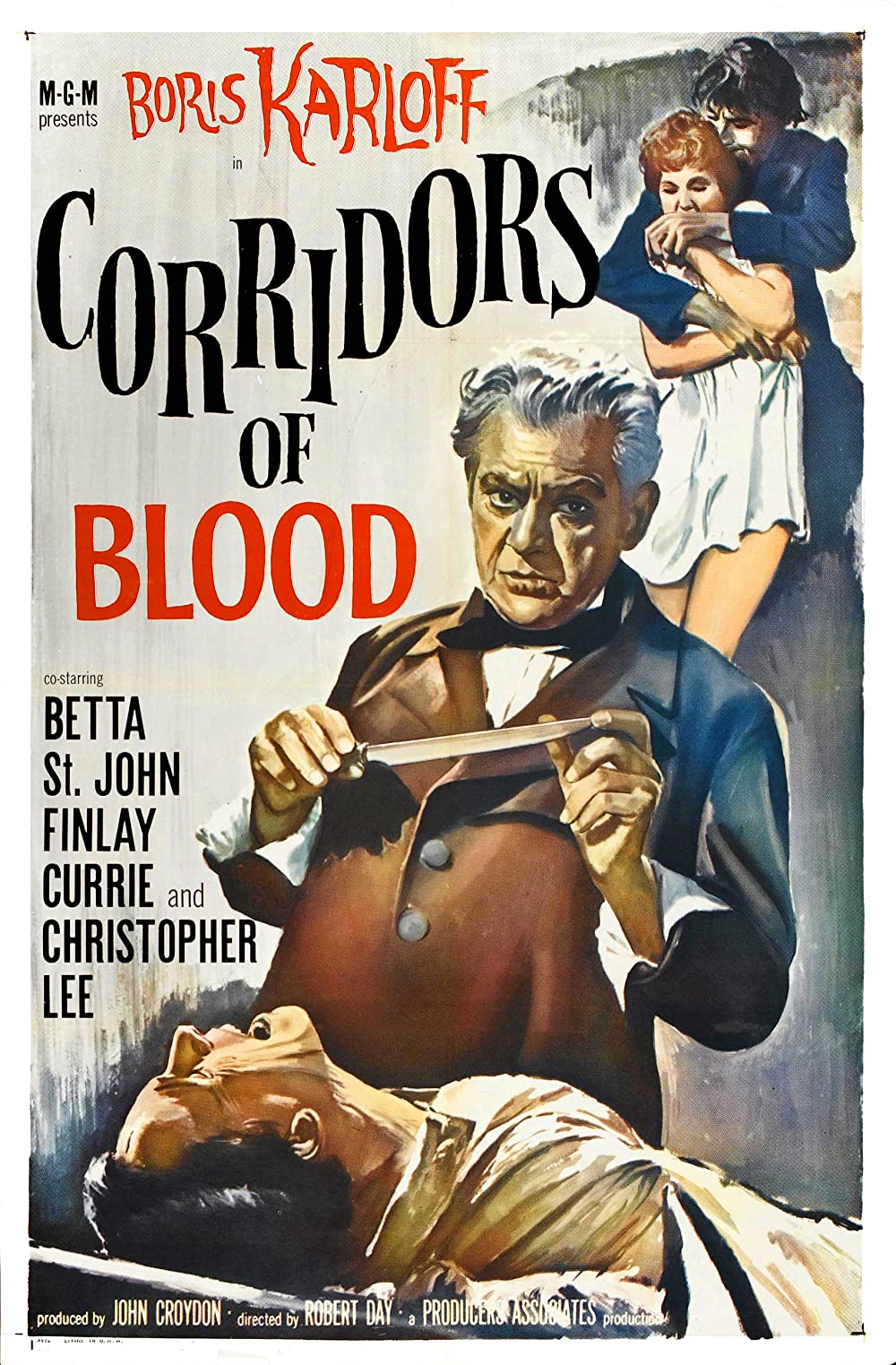
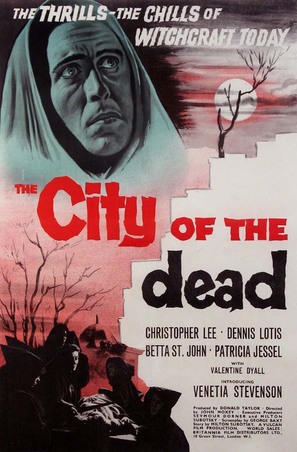
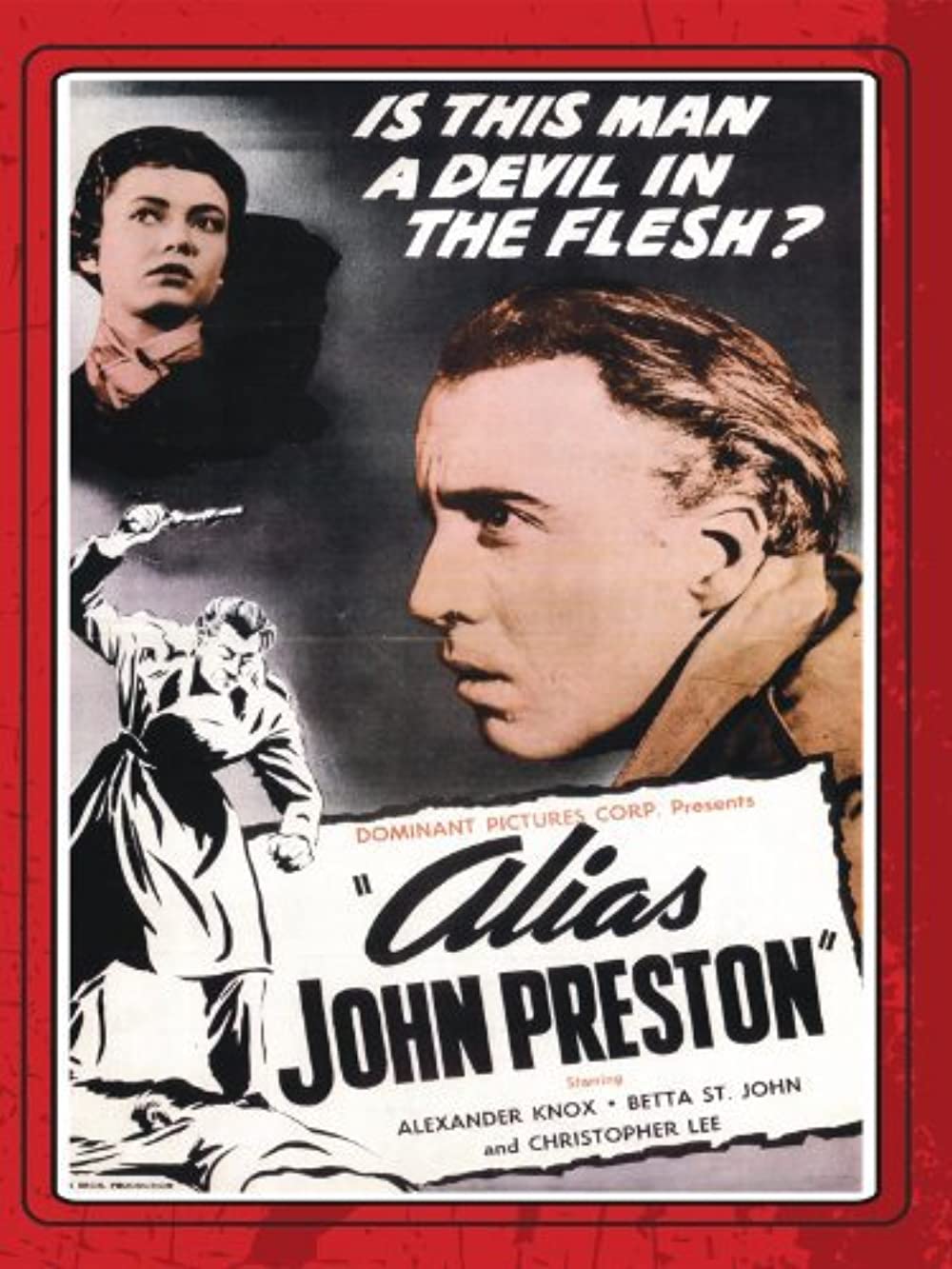
Yet like Shirley Temple, who retired from making movies at the age of 22, St John decided that her career as an adult actor would be brief. Her final screen role came alongside Christopher Lee in the 1960 supernatural horror film The City Of The Dead.

She was only 30 years old and acknowledged it was not the most distinguished way to end her career. “That was sort of an embarrassment because I didn’t like horror movies,” she admitted. “But I’m glad I did it because apparently it has become a cult film.”

There were no regrets about her early retirement. “I thought my career was long enough and I didn’t feel I was giving up very much,” she said. “I wanted to stay home and raise the children and my family was much more important to me. Very few actors can keep a family and marriage together, with a good career going too.”

She enjoyed a 40-year-marriage to the English actor and singer Peter Grant. They met when he was cast as the young Marine officer Lieutenant Cable in the London production of South Pacific and she called him her “leading man” until his death in 1992. She is survived by their three children, Roger Grant, a London-based television producer, and daughters Deanna and Karen

She was born Betty Jean Striegler in 1929 in Hawthorne, California, the daughter of May and George Striegler, an electrician. Her mother put her in theatrical school at the age of seven, where she learnt “dancing, singing and all the bits you do at an early age”.

In her childhood films she appeared as Betty Striegler, the change of name coming after the New York Theater Guild was scouting in Los Angeles for the Broadway openings of the Rodgers and Hammerstein musicals Oklahoma! and Carousel.

“Whatever I did obviously impressed them because they asked if I would go to New York, where they would put me into whichever one opened first,” she remembered. “There I was, with the choice of ‘Do you want to go back to school, or do you want to go to New York?’ ”

She made her Broadway debut in the chorus line of Carousel on her 16th birthday. “No critic will bother to spell Striegler,” Richard Rodgers told her. “So let’s call you St John.”

Although she lived most of her life in America and kept her main home in Banning, near the Morongo Valley, where her family’s holiday had prevented her appearing in The Wizard Of Oz, she was also a great Anglophile, with a second home in London

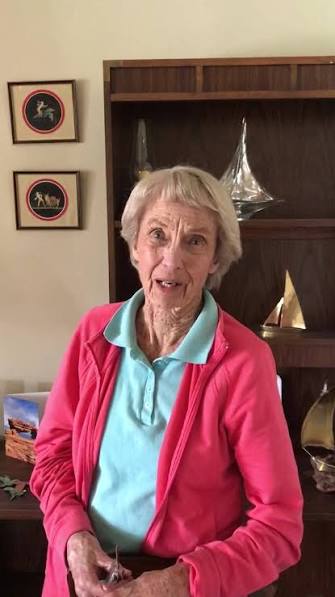
For many years she spent summers in Britain, where she loved to hike the coastal paths, and she moved across the Atlantic permanently in 2018, spending her final days in Brighton.

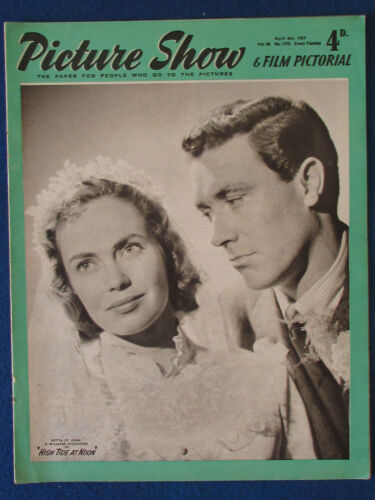
Betta St John, actress, was born on November 26, 1929. She died on June 23, 2023, aged 93

Critical reading — strengths and recurrent qualities

Musical and physical discipline: St John’s training shows in precise movement, clear phrasing and a steady vocal line. Even when not in full musical numbers, her sense of rhythm and space enhances scene work.

Screen persona: She often carried an airy, lyrical quality on screen — an ingénue who could be wistful, romantic or slightly mysterious. That made her convincing as romantic interests, ingénues and characters meant to embody a kind of delicate grace.

Emotional clarity and understatement: Rather than broad theatricality, her best screen work favors controlled expressions and small gestures that read well on camera. 

Typecasting and limited range of vehicles: Her strengths led to frequent casting in similar kinds of parts (musical heroines, romantic leads with a fragile or ethereal aura). 

Adaptability across media: St John’s ability to move between live musical performance, film acting and television acting demonstrates a professional versatility that many solely stage or screen artists lacked. She could carry a song-and-dance sequence and also deliver more contained film scenes.

Screen chemistry and supporting value: Even when not top‑billed, she added texture to ensemble pieces. Directors used her to add refinement and melodic presence, helping to stabilize or elevate romantic and musical sequences.

Limitations and criticisms

Lack of major leading vehicles: Unlike some contemporaries who parlayed early musical success into long-term film stardom, St John did not secure a string of high‑profile starring vehicles that would cement wider cultural fame..

Underused dramatic potential: Critics and historians sometimes note that her abilities (dance, voice, nuance) could have been applied to broader or more challenging dramatic roles had the right material or studio backing emerged.

Legacy and significance.

Worthy of reappraisal: A focused look at her best film and stage work (and any surviving recordings) rewards viewers interested in craftsmanship, musical performance on screen, and the careers of talented performers who worked steadily Without becoming a household name.


Leave a Reply

Your email address will not be published. Required fields are marked *