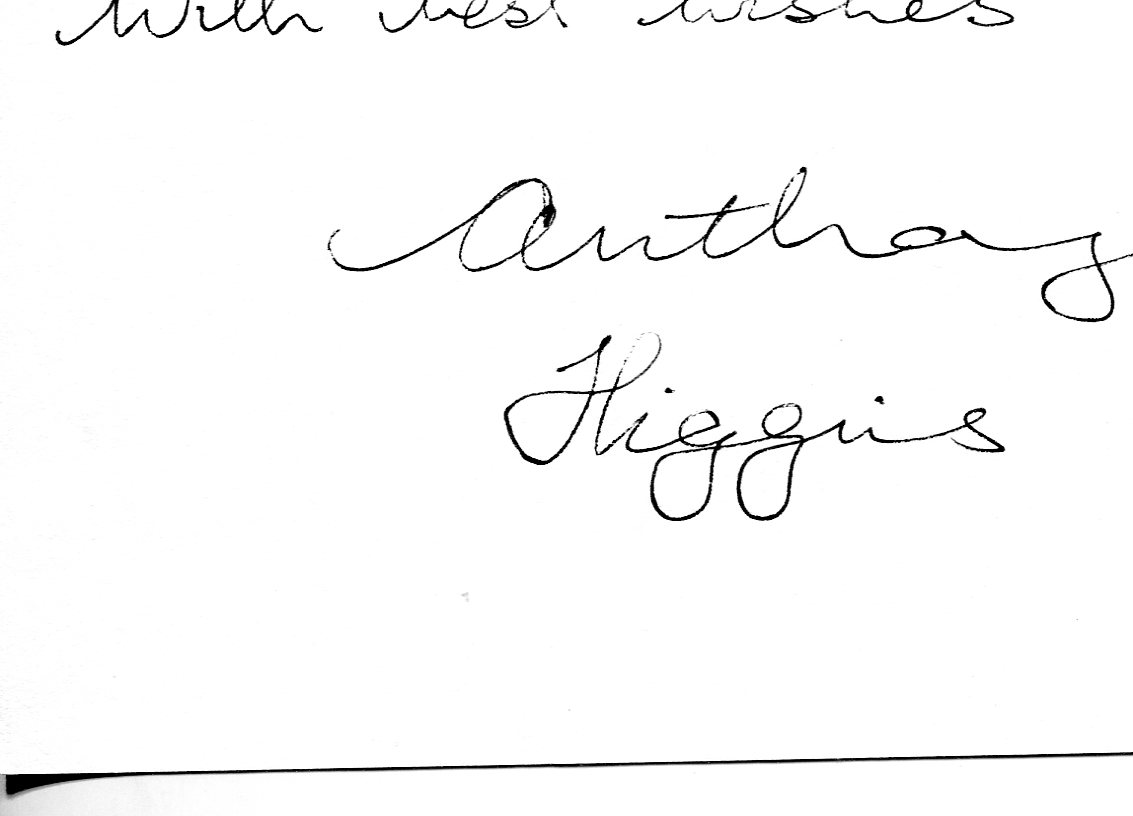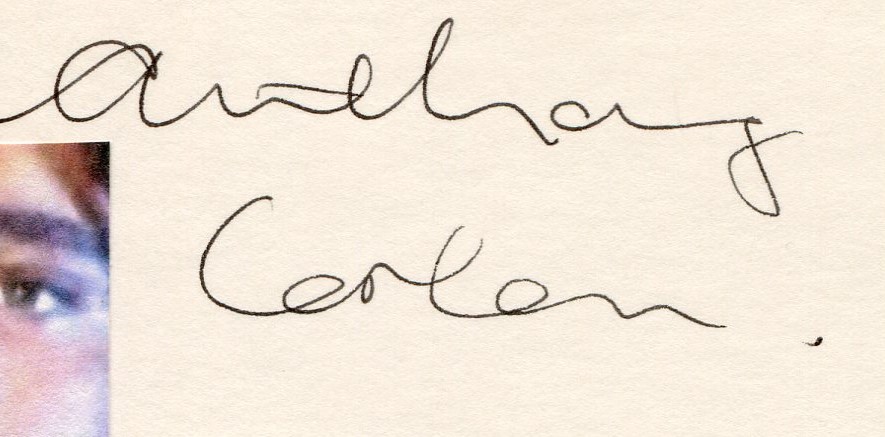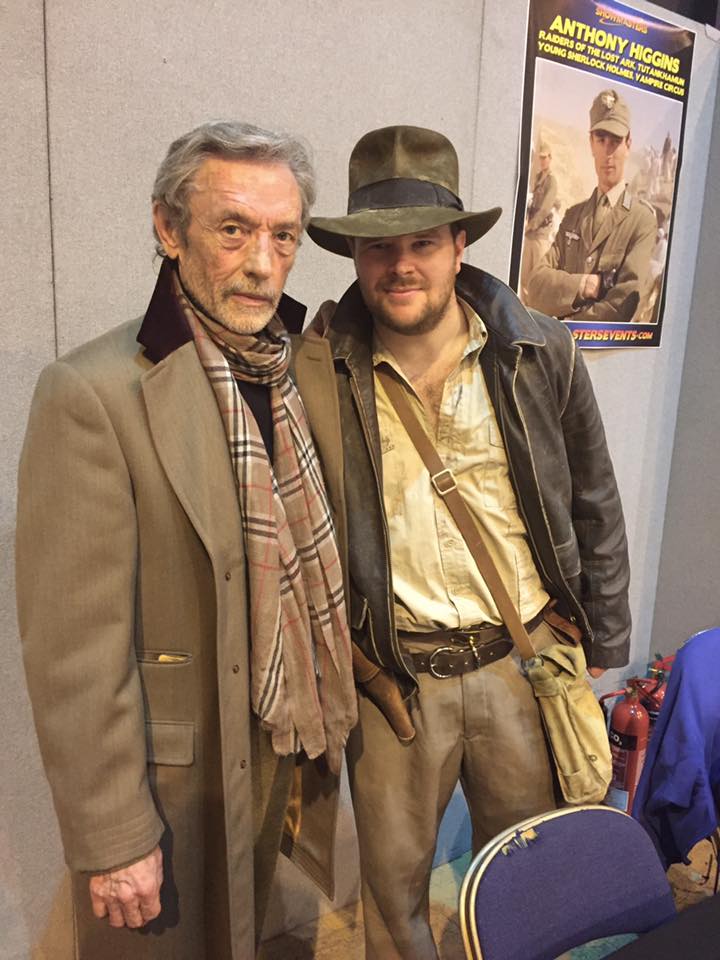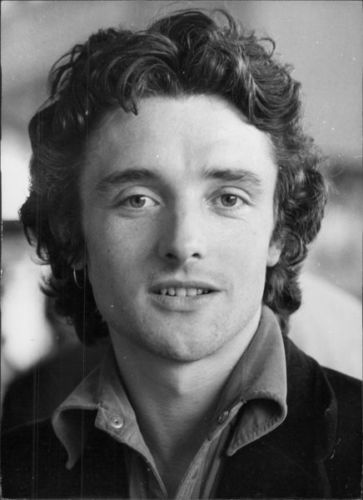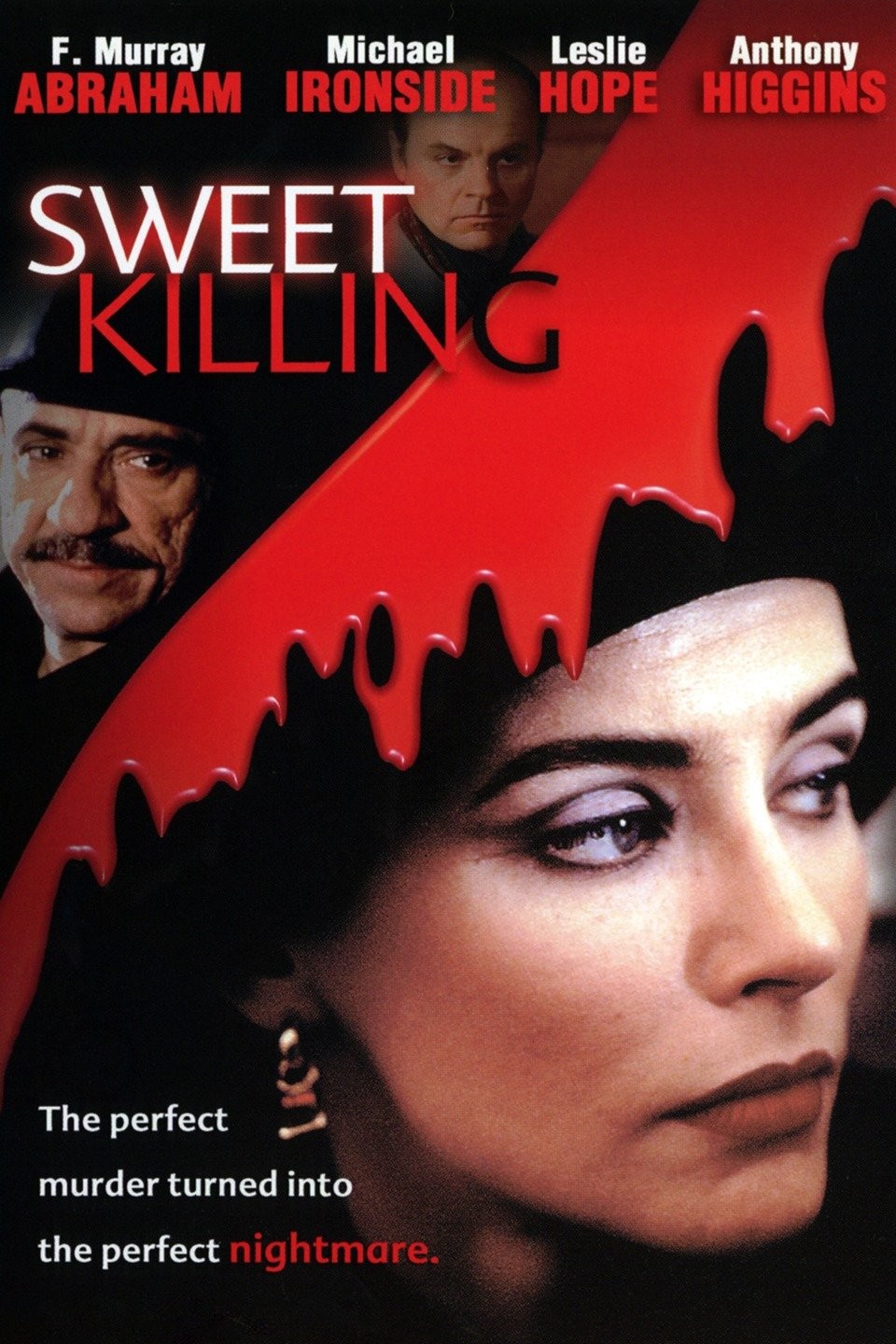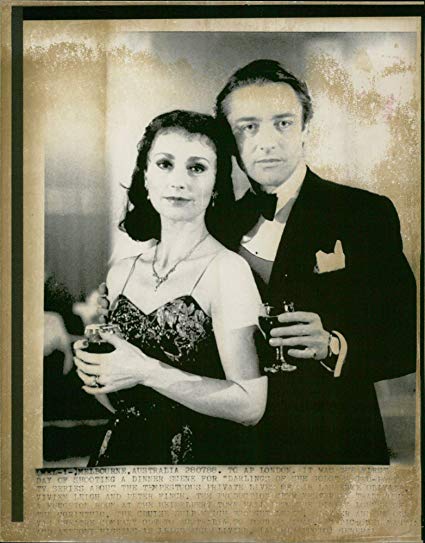

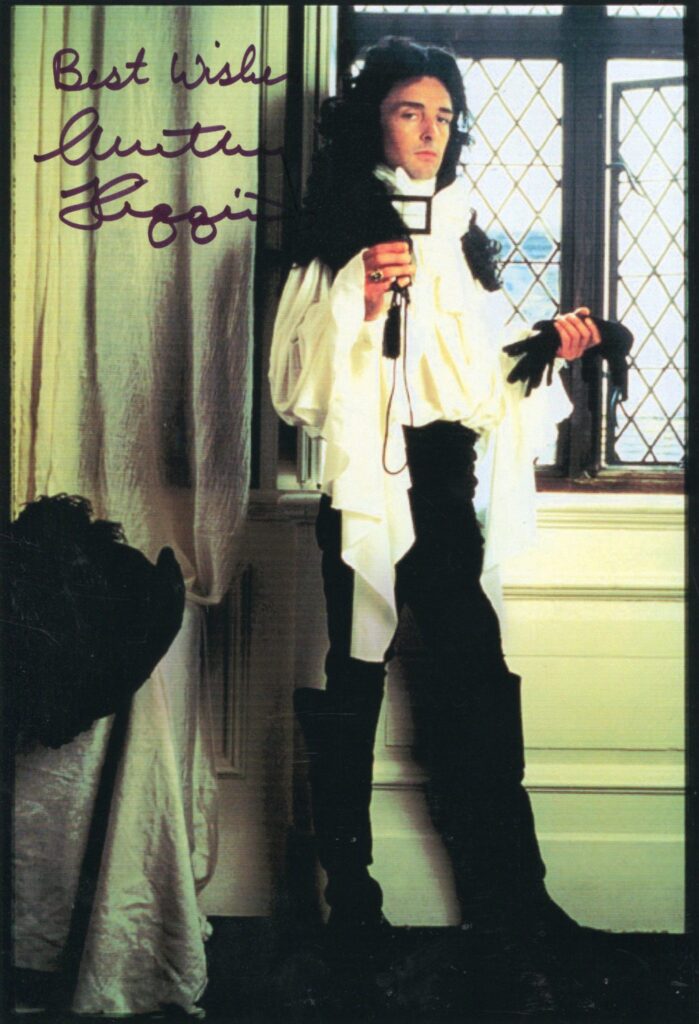
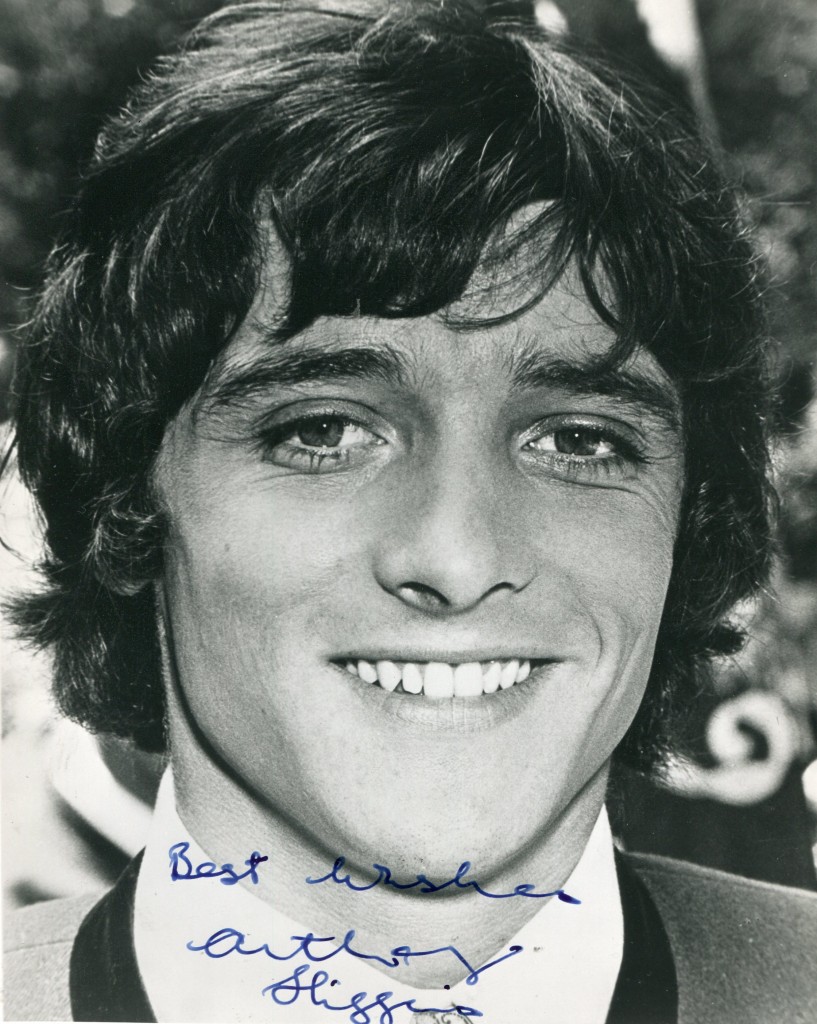
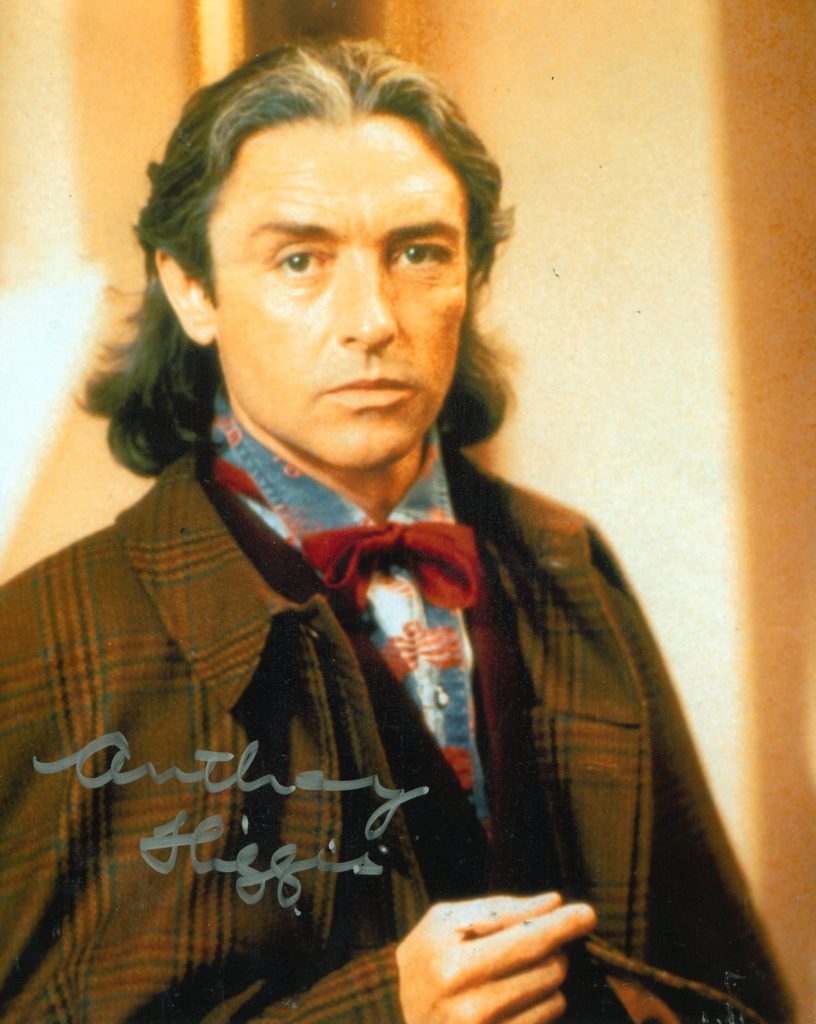
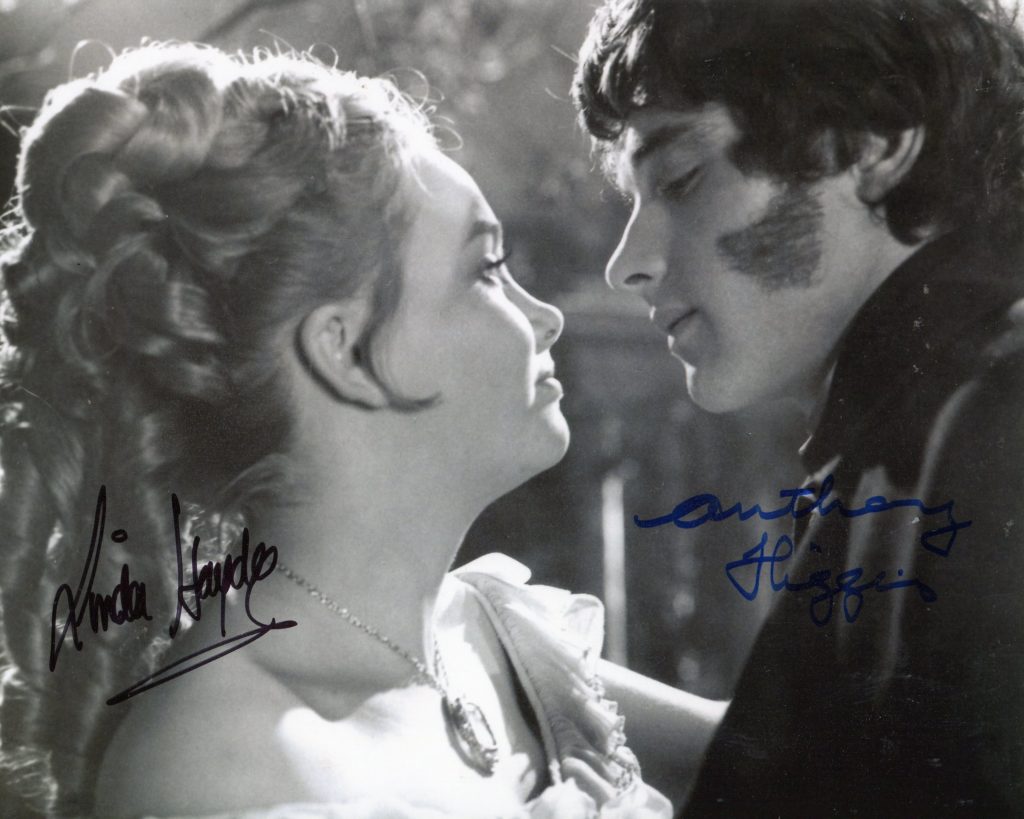
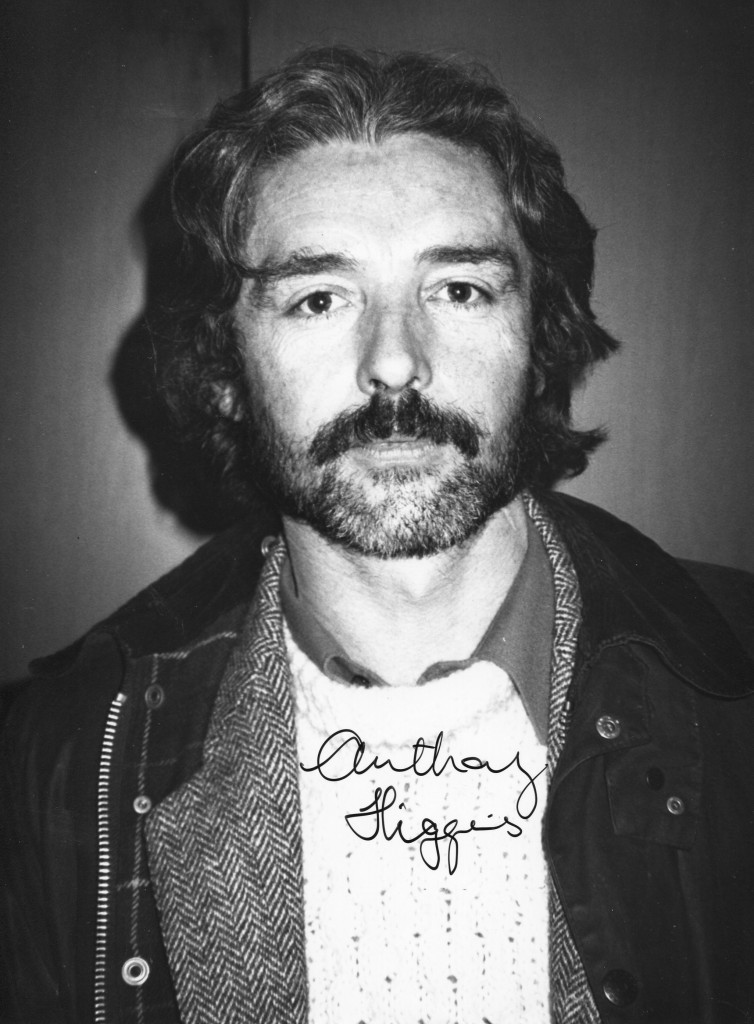
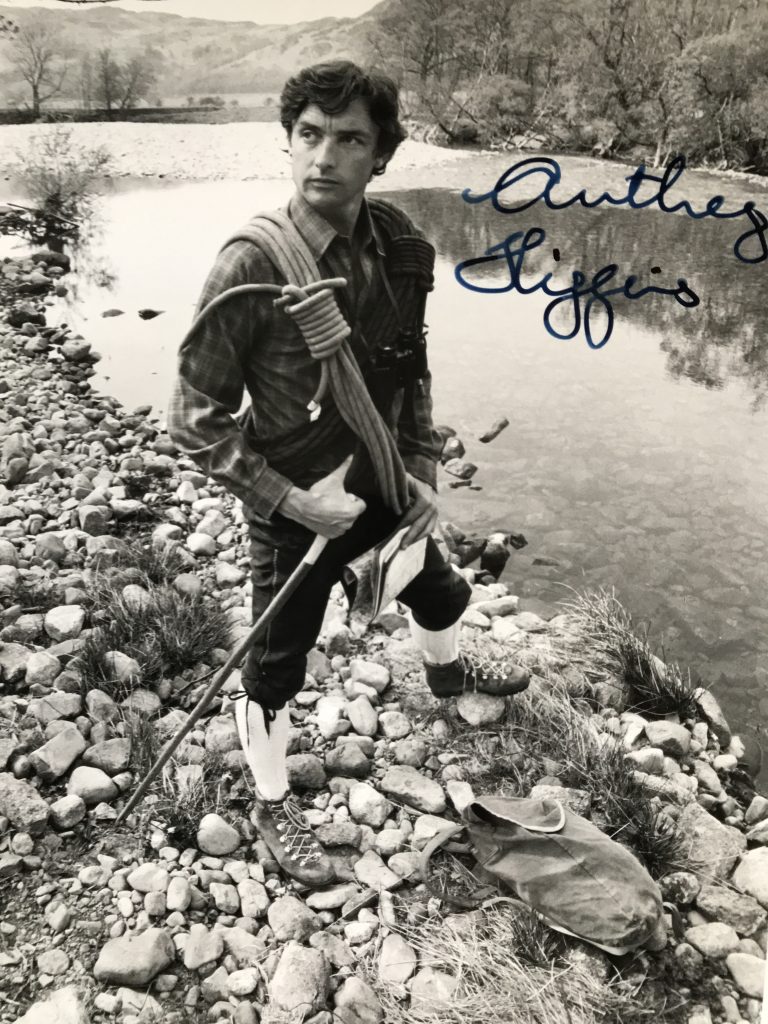
Anthony Higgins (born 1947) is an English stage, film, and television actor whose career has combined classical training, international film visibility, and steady work across five decades. Initially credited as Anthony Corlan, he first came to prominence in late‑1960s and early‑1970s historical and horror films before establishing himself as a respected repertory and character performer equally at ease in prestige British drama and popular adventure cinema.
Career Overview
Early life and training
Born in Northampton, England, on 9 May 1947, Higgins grew up in a working‑class Irish‑immigrant family and originally considered journalism. After early jobs ranging from butcher to builder’s helper, a weekend drama course with actress Margaretta Scott inspired him to pursue acting. He trained at the Birmingham School of Speech and Dramatic Art (1964–1967), joining the Birmingham Repertory Theatre company, where he quickly advanced to leading roles—Romeo in Romeo and Juliet, Cassio in Othello, and Louis Dubedat in The Doctor’s Dilemma
Film debut and early screen career (as Anthony Corlan)
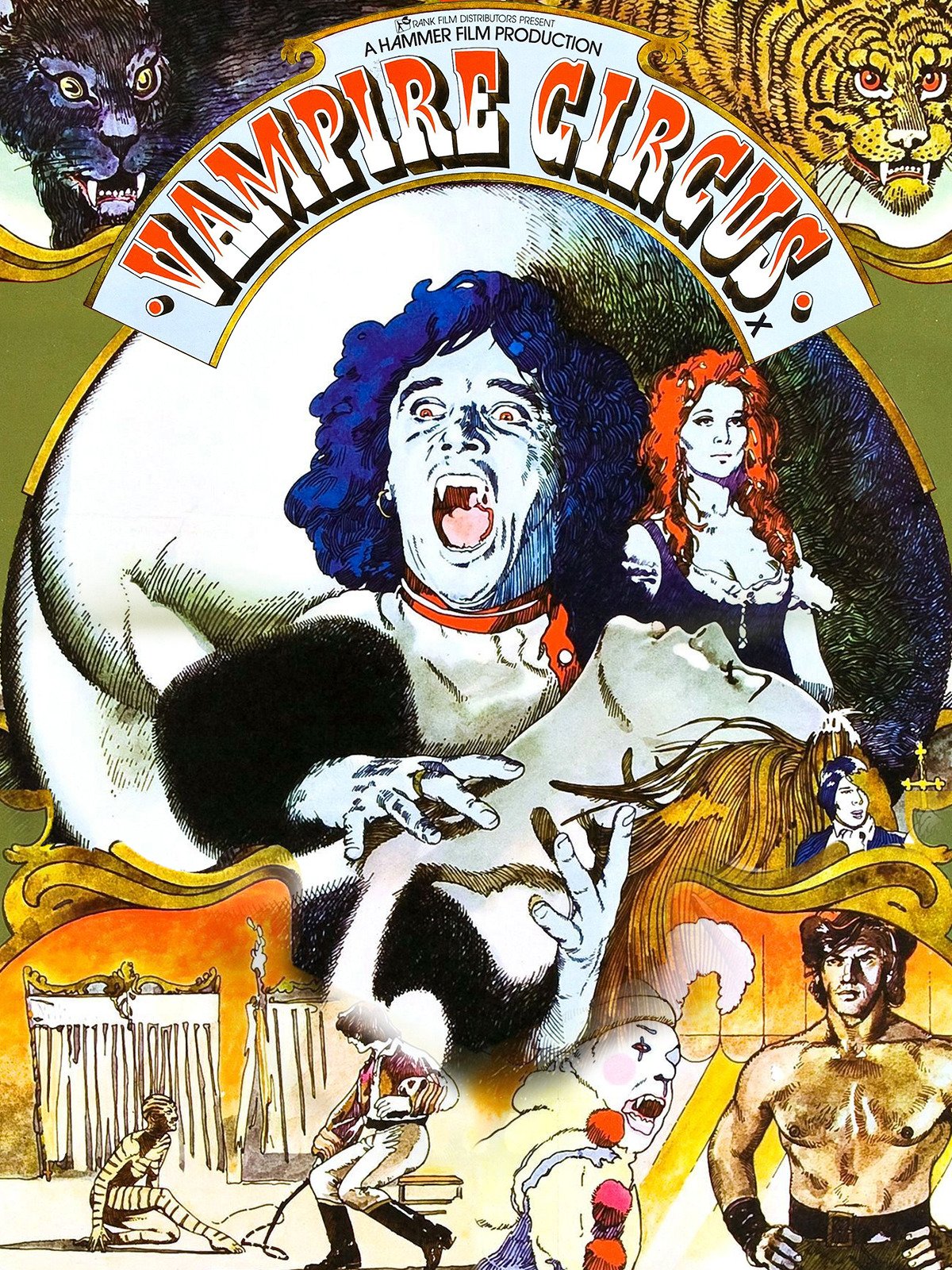
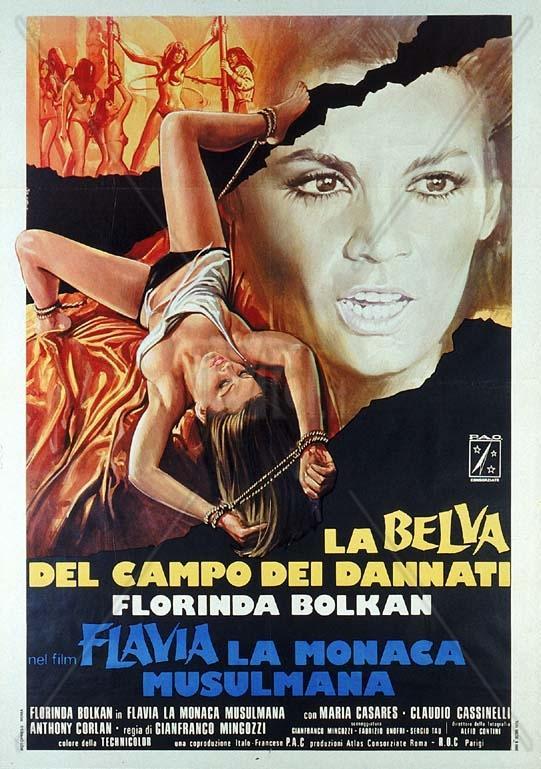
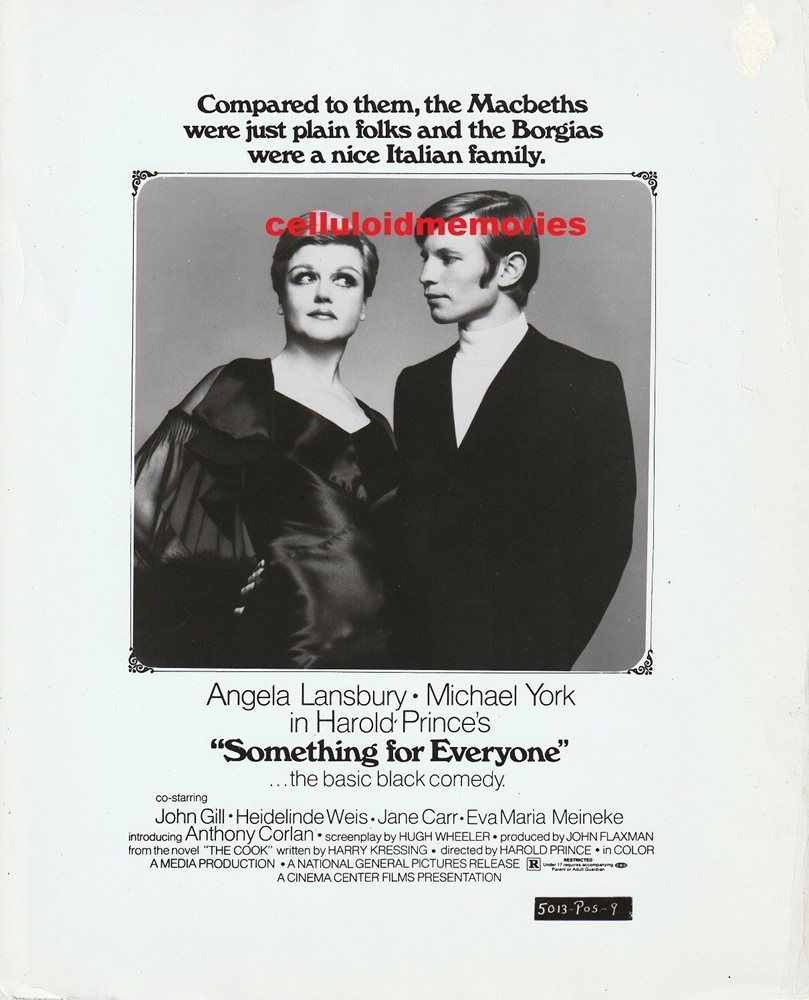
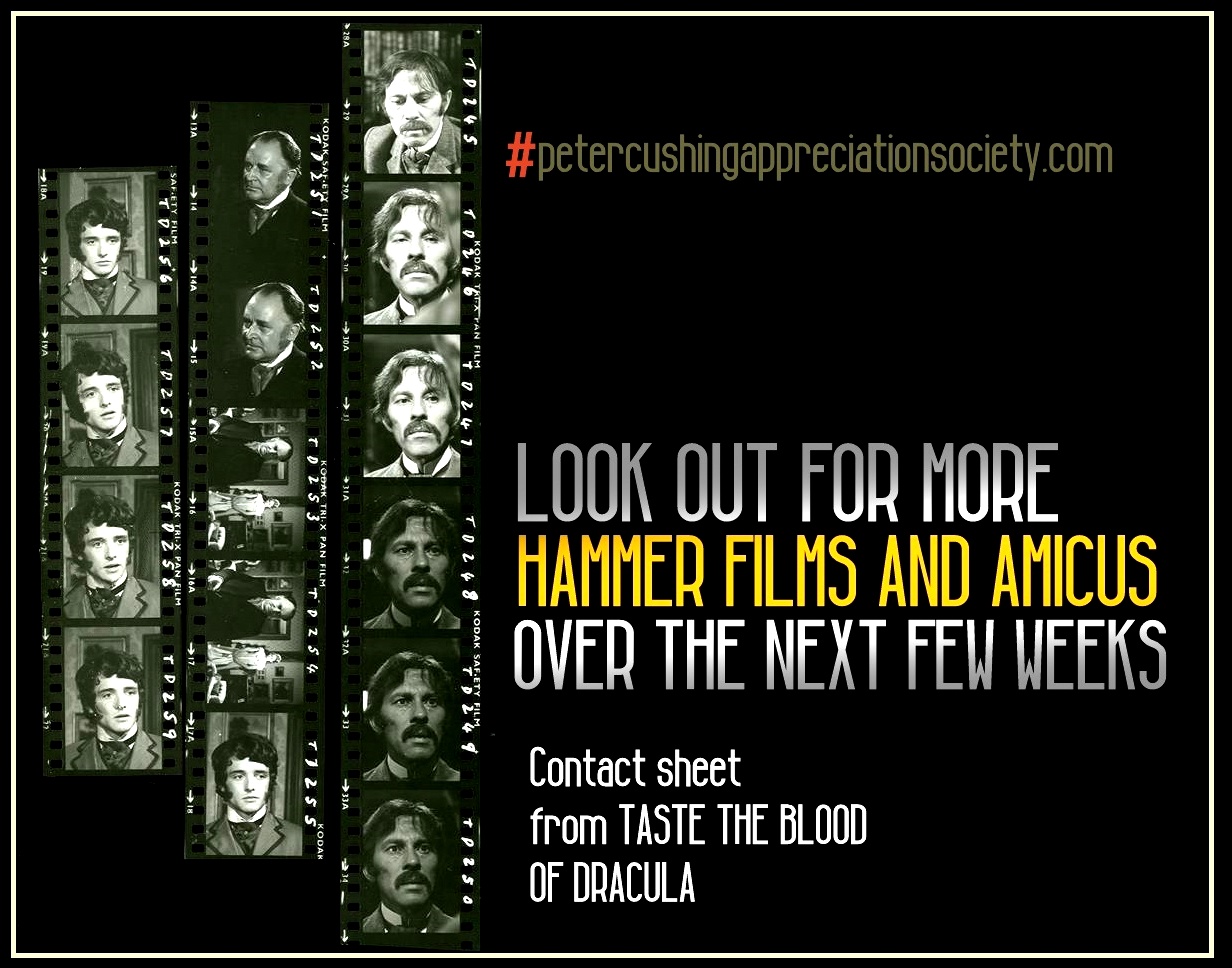
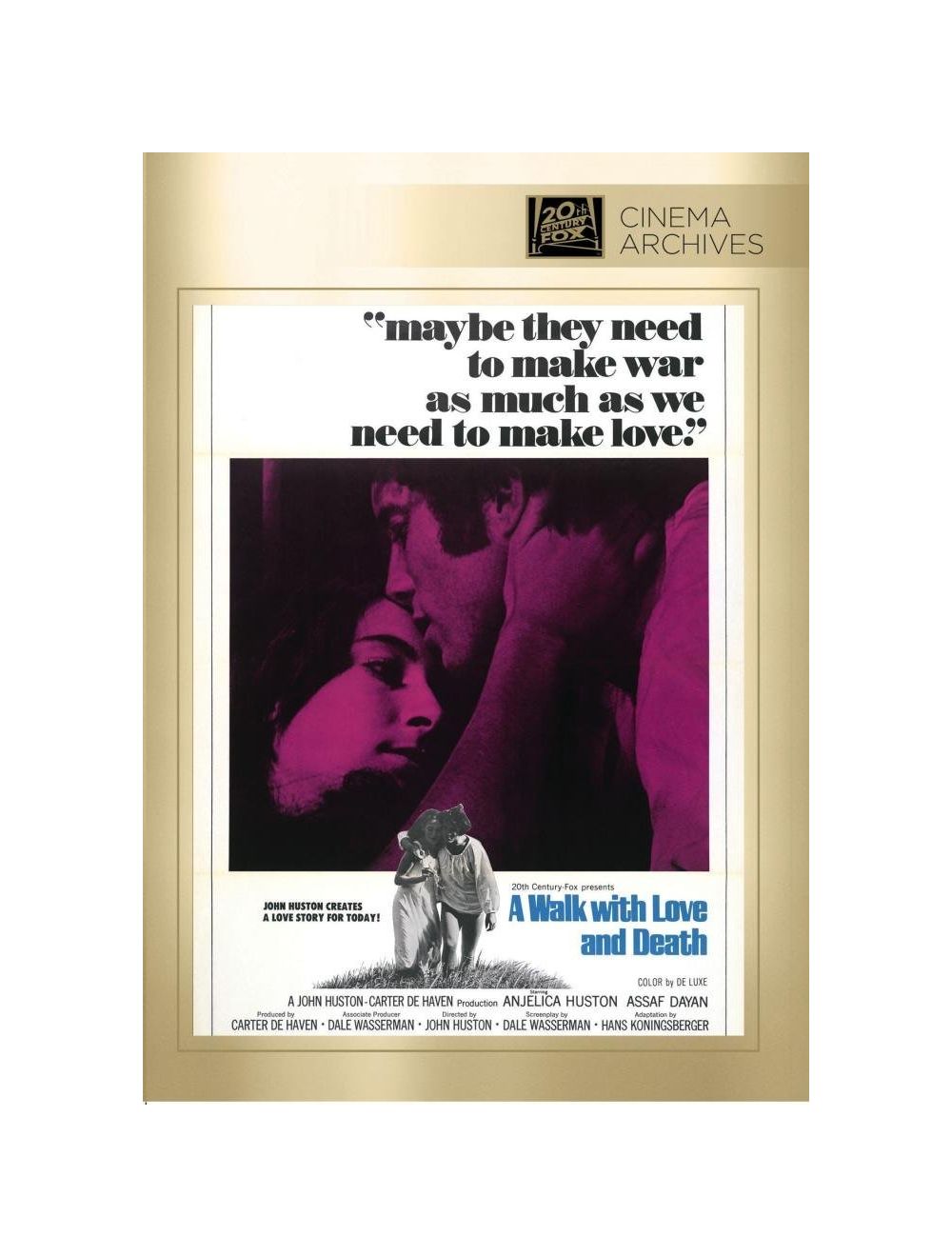
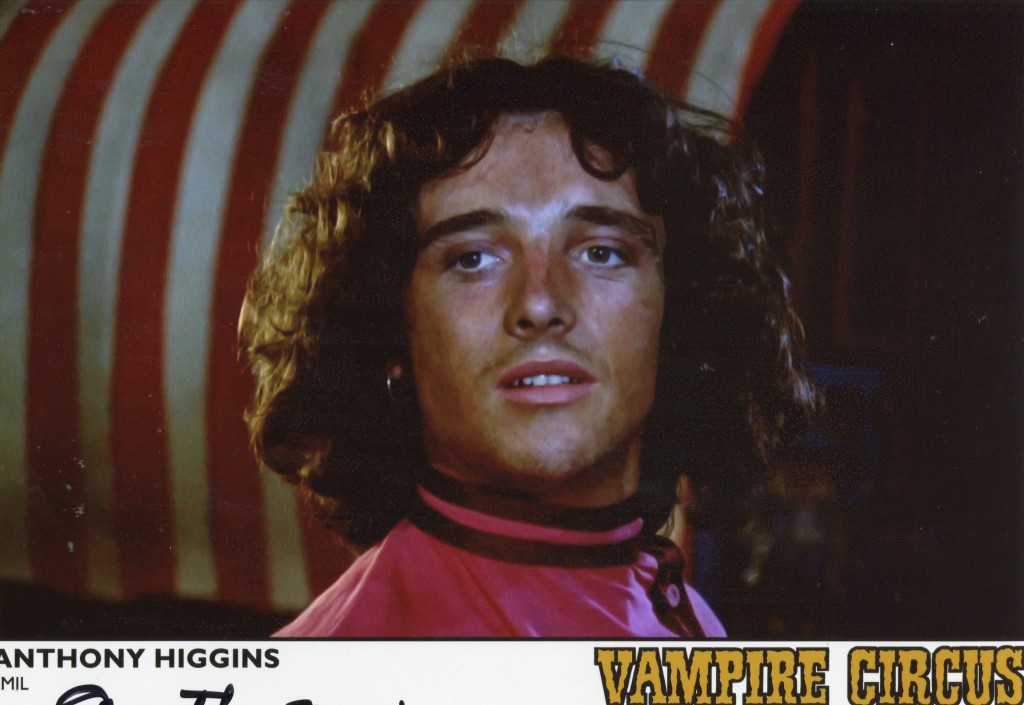
Discovered by director John Huston while performing on stage, Higgins made his film debut under his mother’s maiden name, Anthony Corlan, in A Walk with Love and Death (1969) opposite Anjelica Huston. He subsequently appeared in Something for Everyone (1970) with Michael York and Angela Lansbury, Taste the Blood of Dracula (1970) alongside Christopher Lee, and the cult favorite Vampire Circus (1972). These early roles showed both his striking screen presence and a capacity to oscillate between period romance, gothic mystery and psychological tension
Classical theatre and Royal Shakespeare Company years
Through the mid‑1970s Higgins focused on stage work, performing with the Royal Shakespeare Company and the National Theatre. His stage range—Hamlet, Romeo, modern works by Shaw and O’Neill, and contemporary political pieces—earned critical respect and culminated in his being named Time Out magazine’s Best Actor of 1979 for his RSC work
Return to screen prominence (1980s)
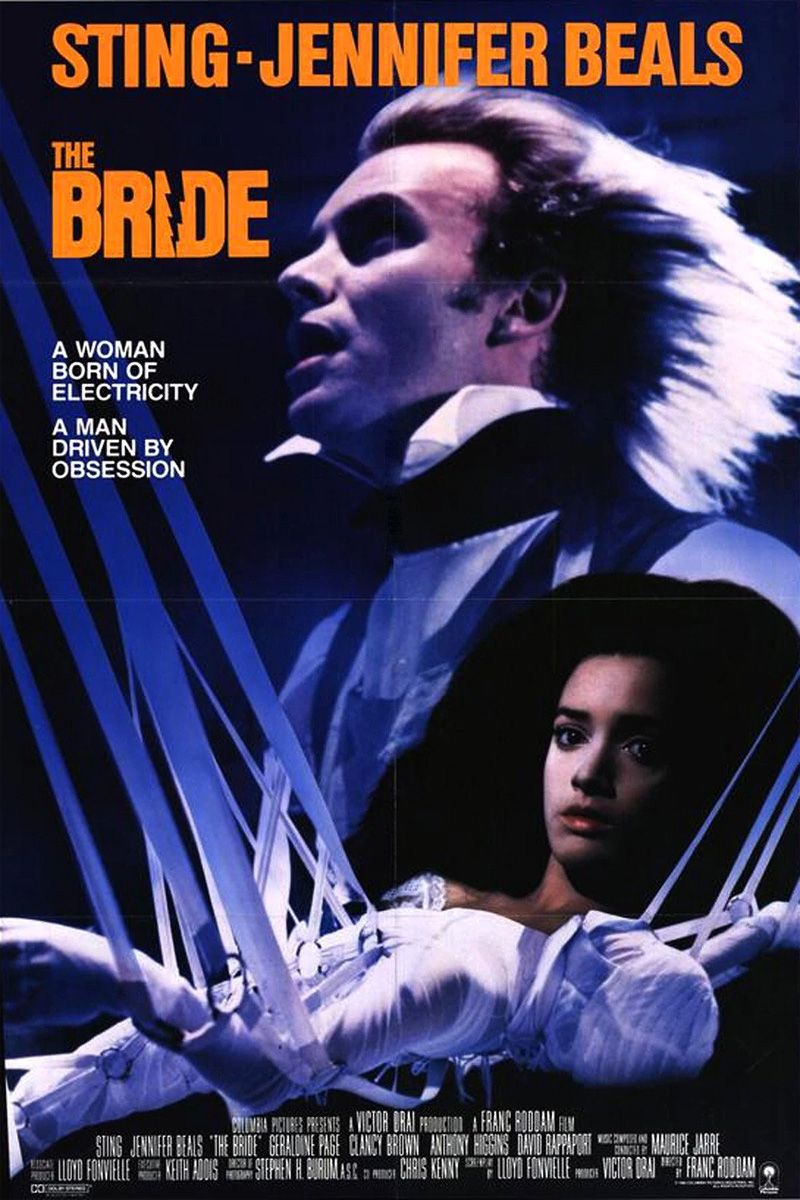
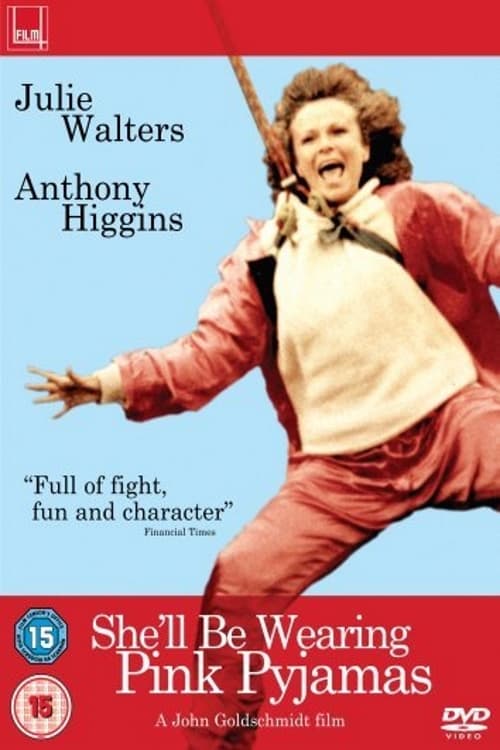
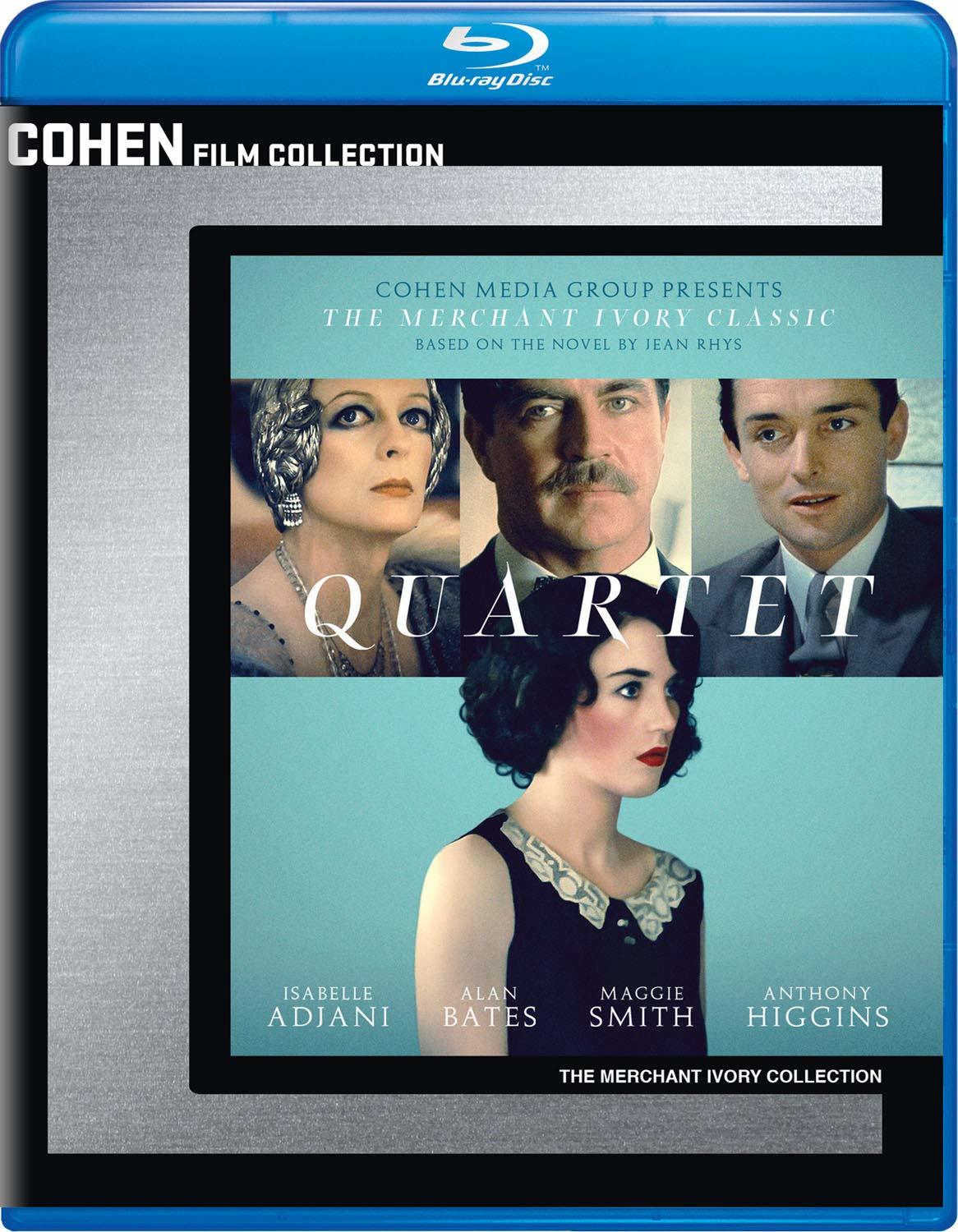
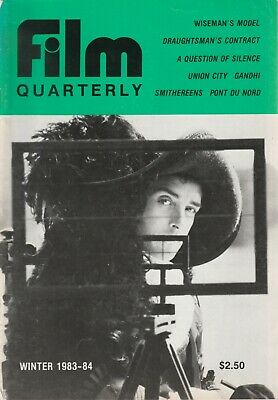
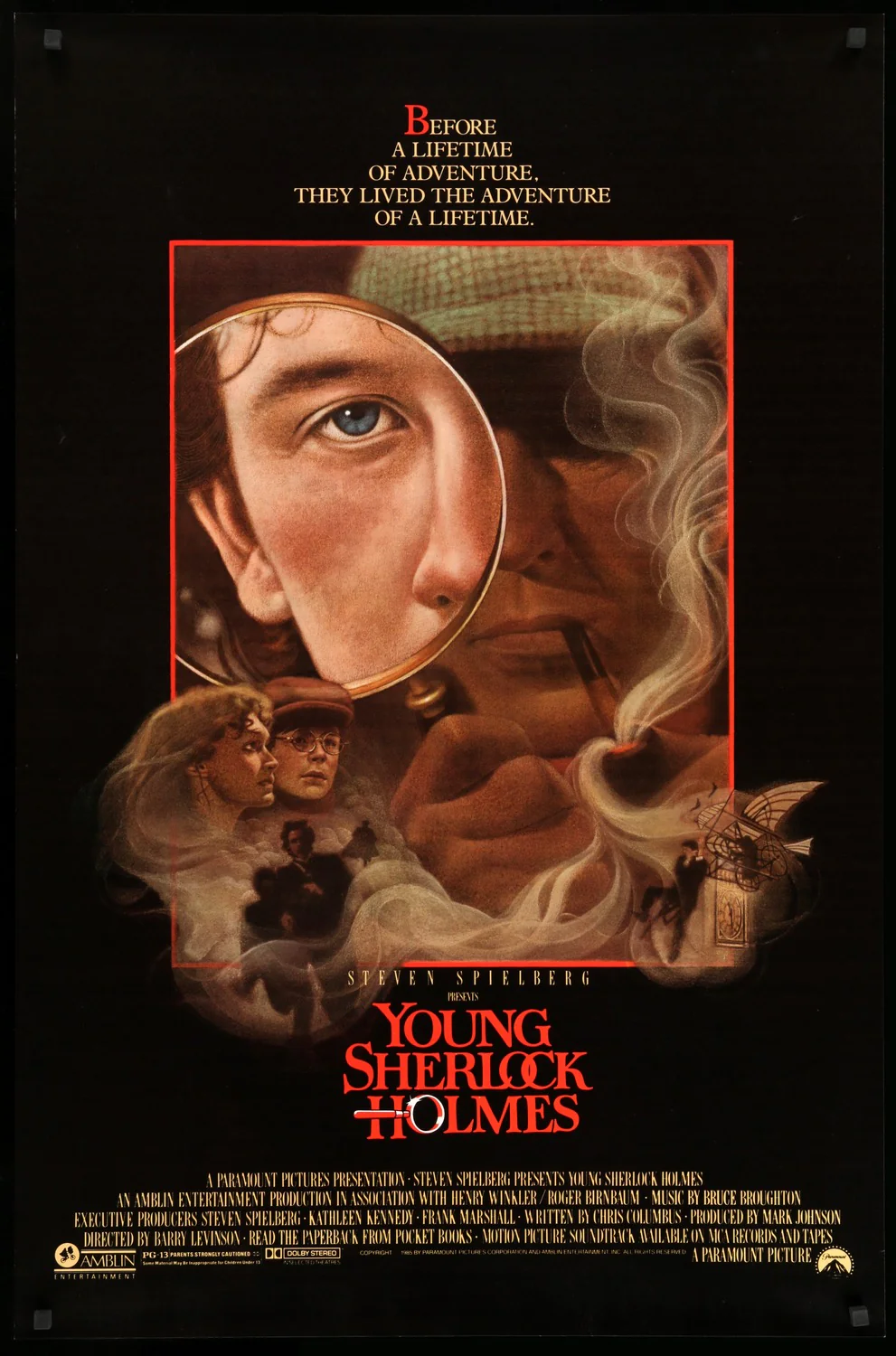
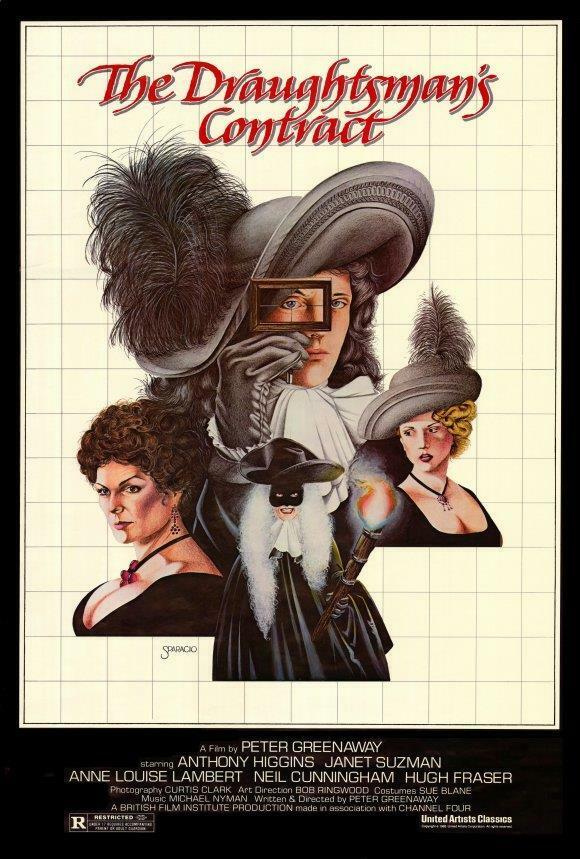
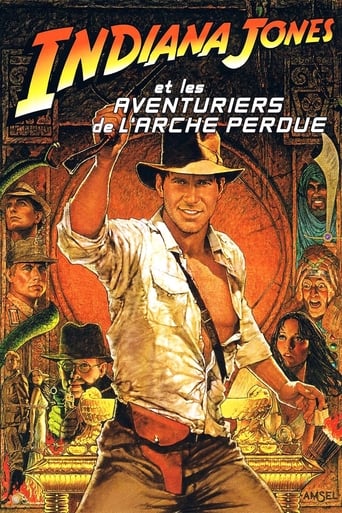
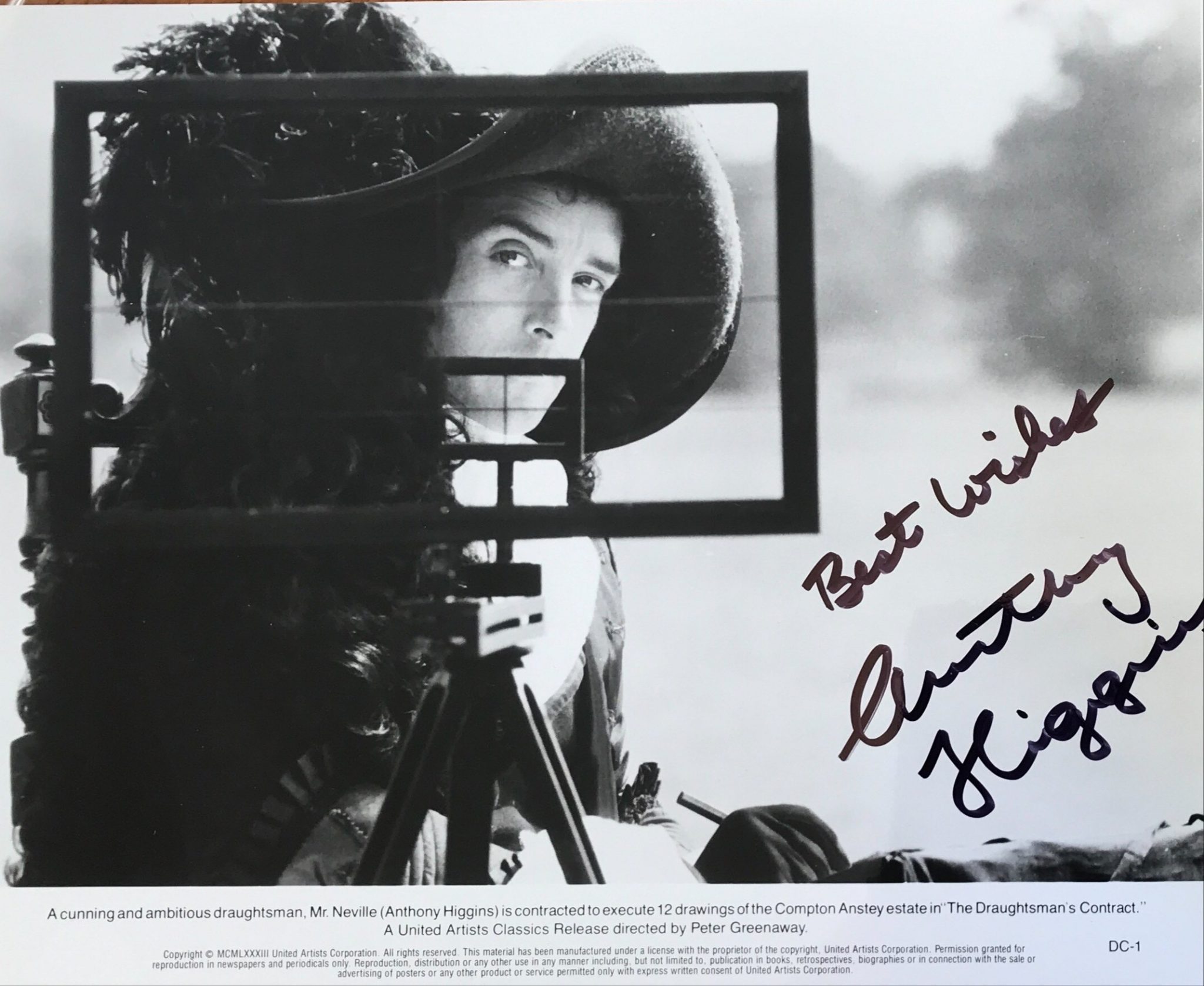
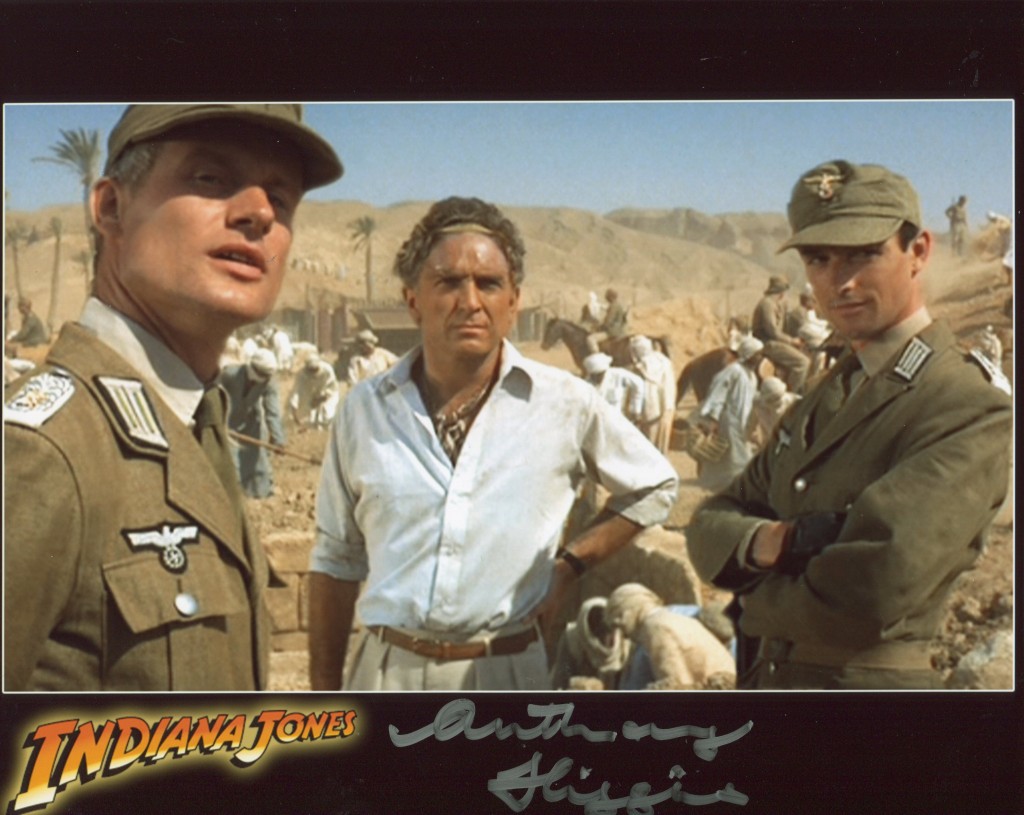
The 1980s brought a resurgence on screen. He appeared as Major Gobler in Raiders of the Lost Ark (1981), Juan in Love in a Cold Climate (1980), the central role in Peter Greenaway’s The Draughtsman’s Contract (1982)—a performance noted for its austere intelligence and stylized eroticism—and as Lord Byron in Gothic (1986). Other notable work includes Quartet (1981), Lace (1984), The Bride (1985), and Young Sherlock Holmes (1985). These projects showcased his ability to move between art‑house cinema and mainstream adventure films with equal fluency.
Later career and television
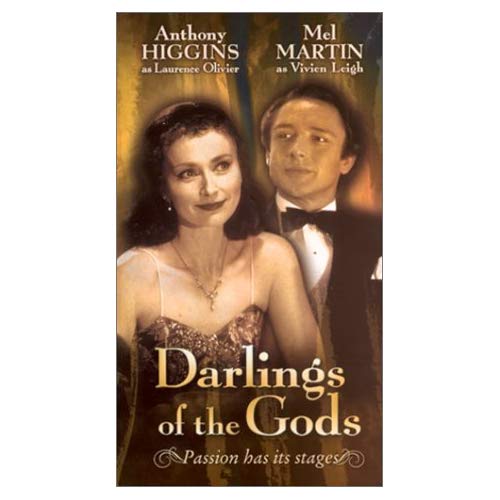
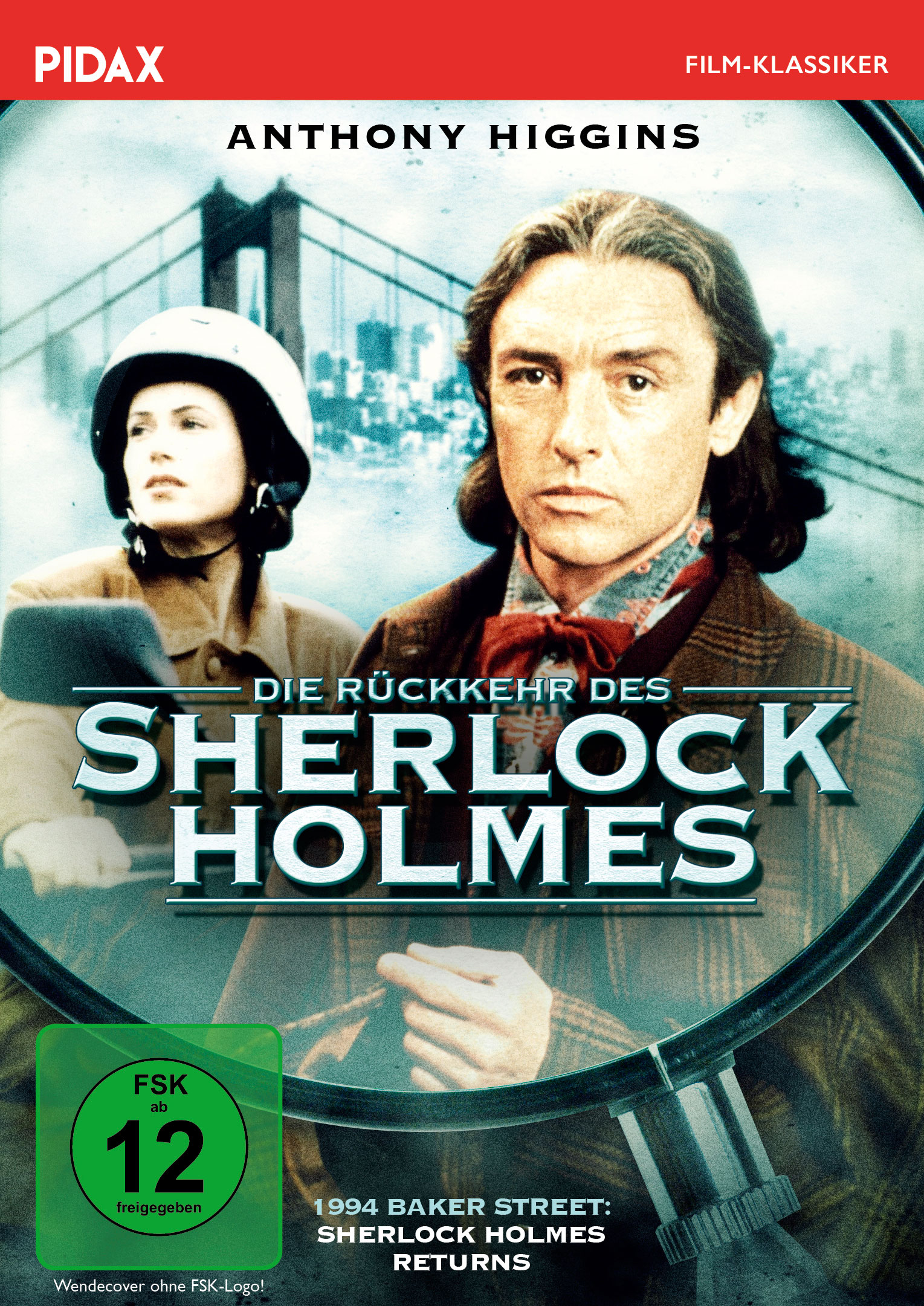
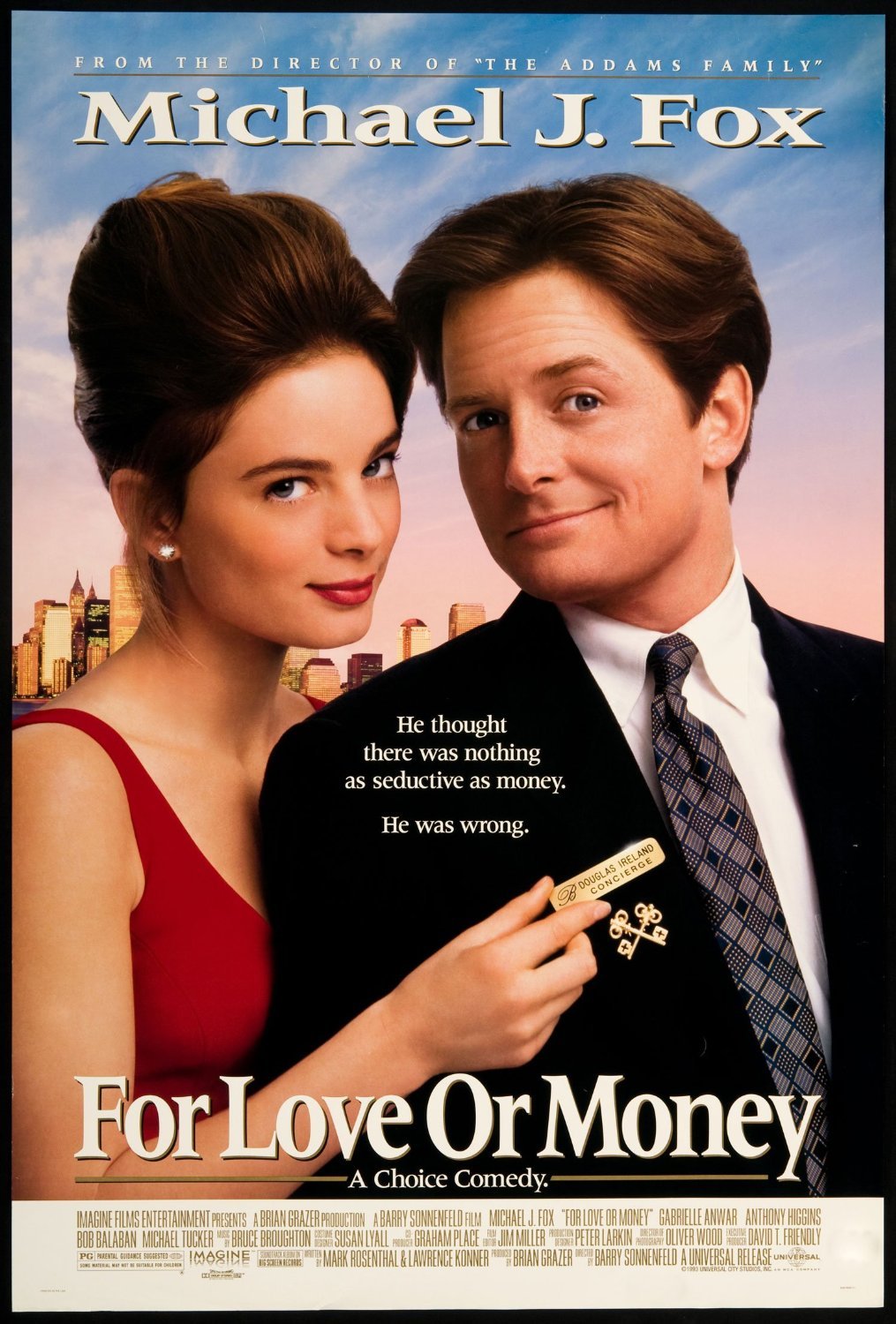
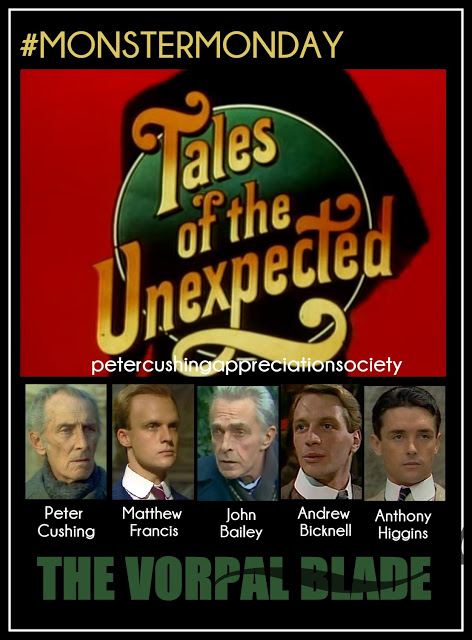
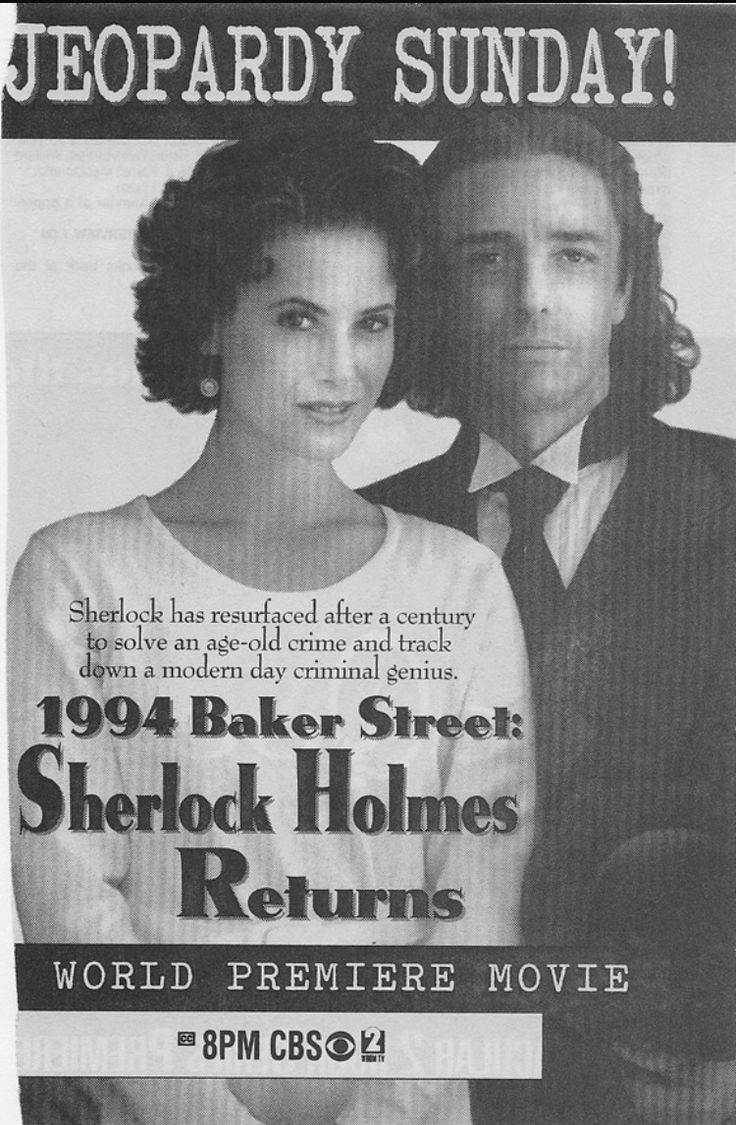
From the 1990s onward he continued to work steadily: Sherlock Holmes Returns (1993), Nostradamus (1994), Peak Practice (2000), and, later, Chromophobia (2005), Lewis (2009), Bel Ami (2012), and Tutankhamun (2016). Between screen projects he remained active on stage, continuing the pattern of alternating avant‑garde, classical, and commercial work
Critical Analysis
Performance style and strengths
- Controlled intensity: Higgins’ acting is marked by concentration and internal focus. He often communicates emotion through precise timing, small physical modulations, and vocal authority rather than overt expressiveness.
- Intellectual elegance: Critics have frequently cited his composure and articulate delivery, giving his characters a cerebral or aristocratic air. This quality made him convincing as both historical figures and morally ambivalent professionals.
- Versatility across genres: He transitioned successfully from Hammer‑style horror to Shakespearean tragedy to stylized art cinema, demonstrating adaptability without loss of personal identity.
- Stage polish on screen: His theatre discipline lends his screen performances rhythmic control and a sense of crafted speech, allowing him to stand out in dialogue‑driven work such as The Draughtsman’s Contract or Love in a Cold Climate.
Recurring persona and archetypes
Higgins frequently portrays intelligent but conflicted men—artists, officers, reformers, or seducers—figures distinguished by charisma verging on menace. Directors exploit his combination of dark romantic looks and moral opacity. In Greenaway’s work he becomes the embodiment of rational order undone by passion; in adventure films he serves as the poised foil.
Cultural and artistic significance
- Bridge between traditions: Higgins exemplifies the post‑1960s British actor who moves with ease between classical repertory theatre and international film.
- Contribution to 1980s British art cinema: His collaboration with Peter Greenaway in The Draughtsman’s Contract stands as one of the decade’s defining performances in experimental narrative cinema—cool, stylised and erotically charged.
- Longevity and craft consistency: Over more than fifty years he has maintained a steady career without major scandal or disruption, an indication of professional rigor and commitment to the craft over celebrity.
Overall Assessment
Anthony Higgins is a consummate professional—an actor’s actor whose range and precision have earned him quiet admiration even without household‑name fame. His work fuses classical control with subtle sensuality: the intellect of a Shakespearean player meeting the detached modernity of European art film. Whether as romantic lead, refined antagonist, or cool observer, he brings to each role a sense of intelligence and restraint that has made his performances enduring in memory and exemplary of British versatility.