
Anton Walbrook

Anton Walbrook

Anton Walbrook (Wikipedia)

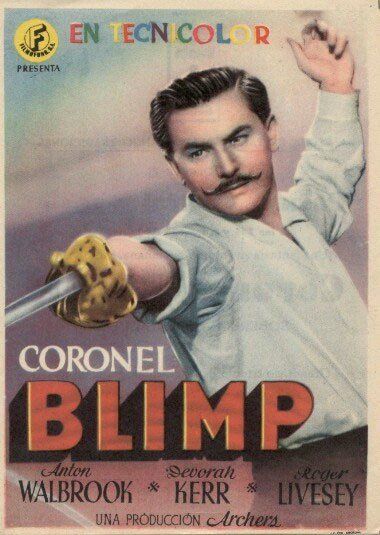
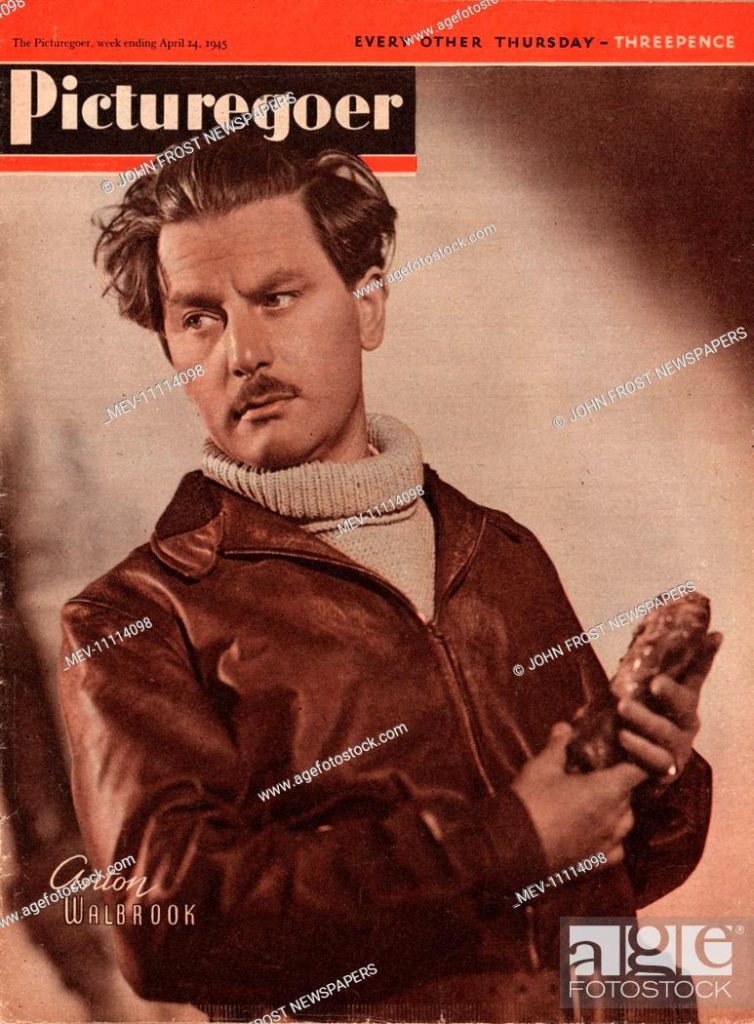
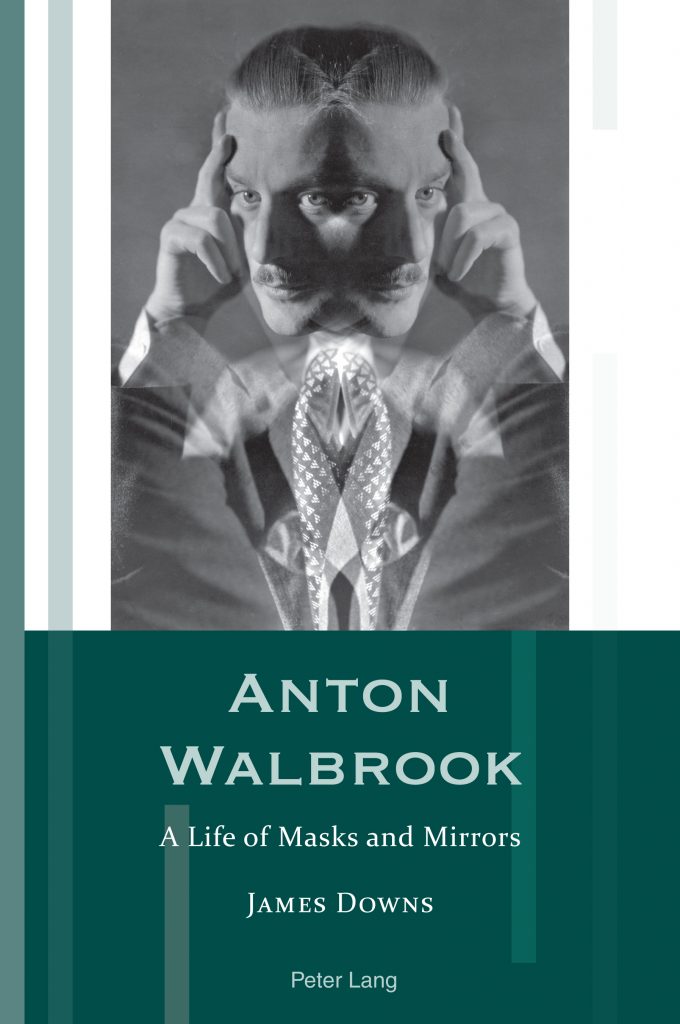
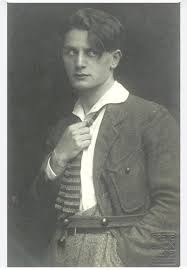
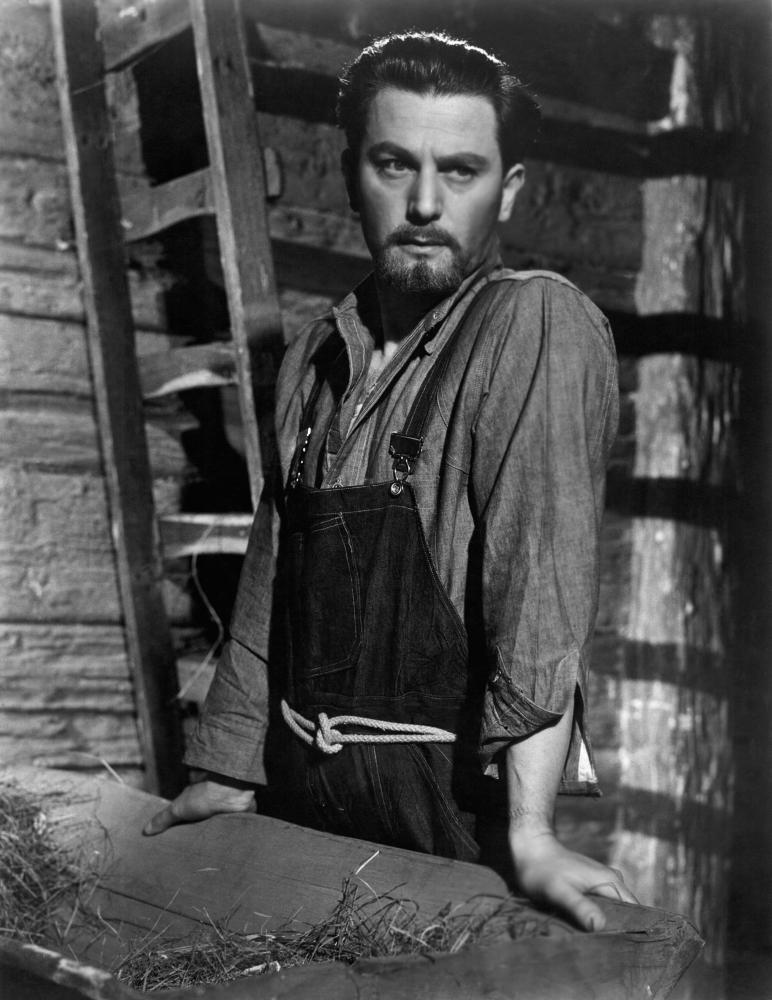
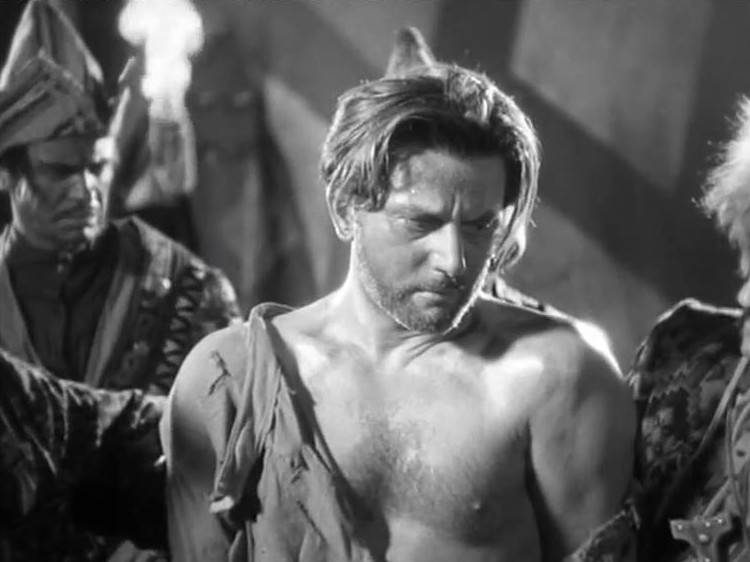
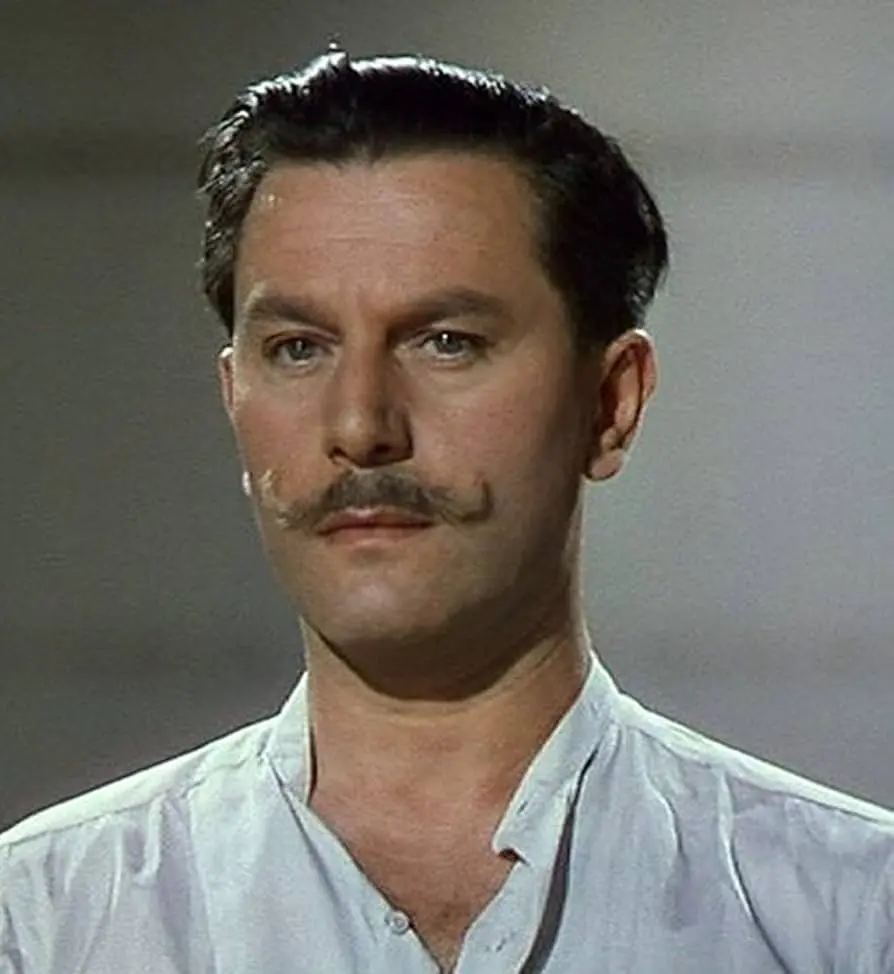
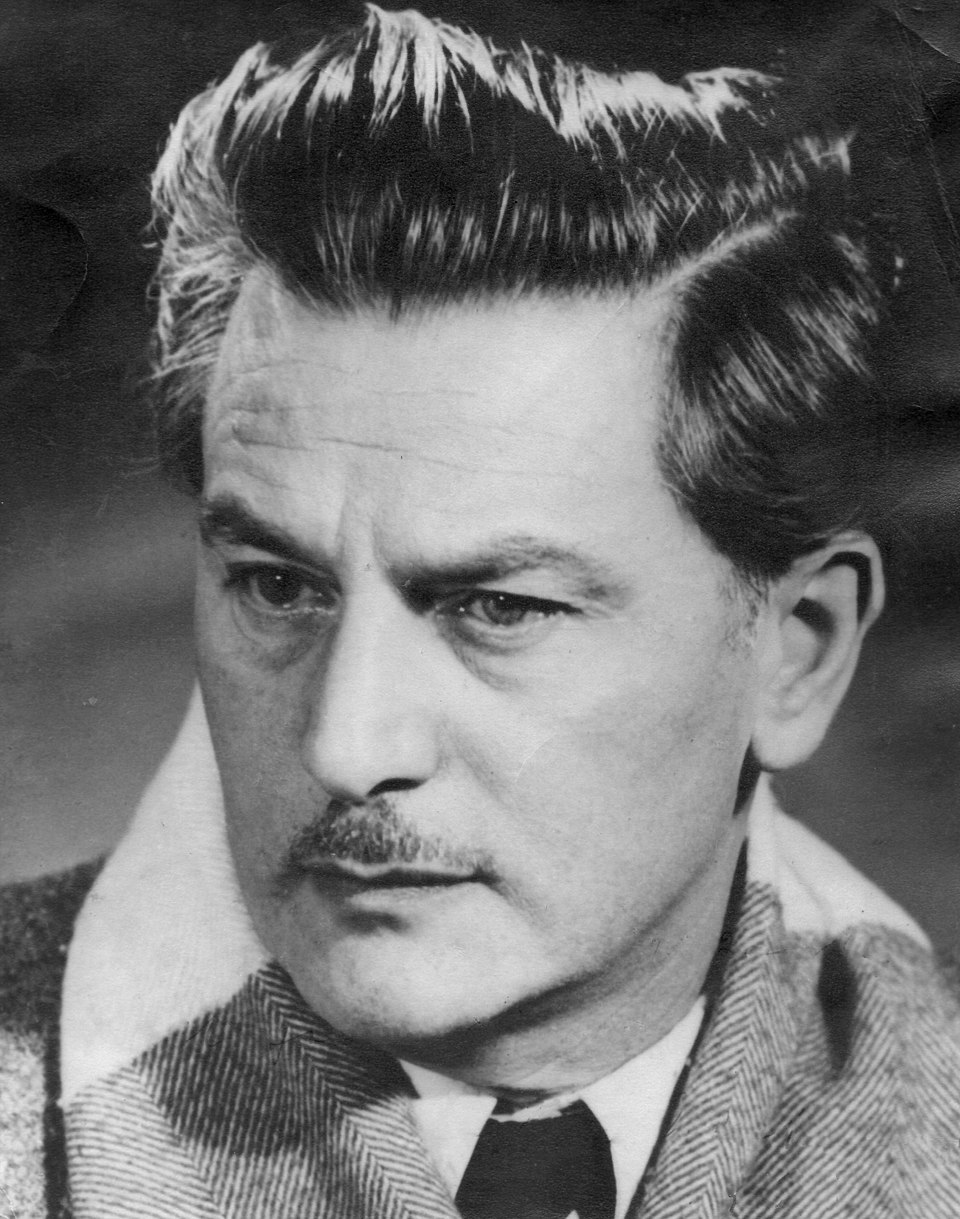
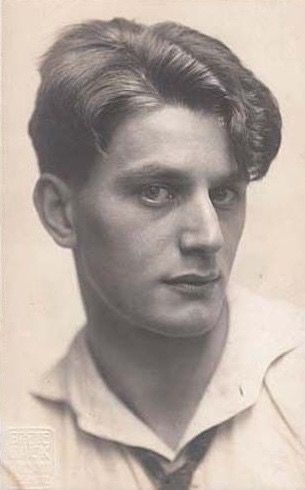
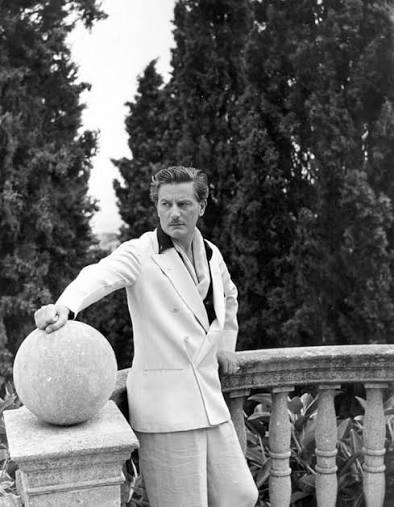
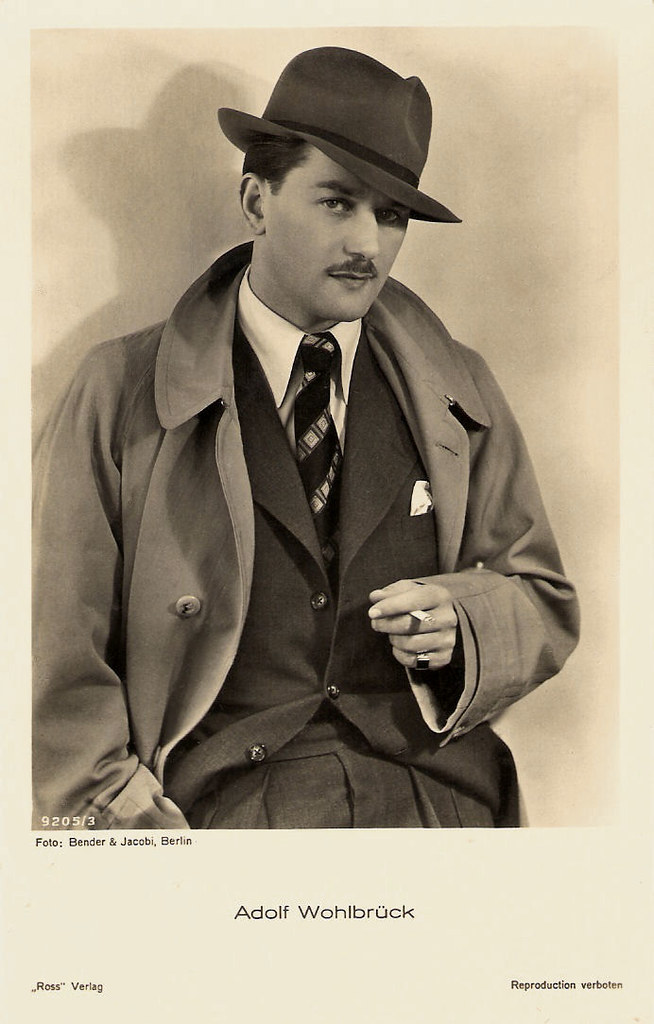
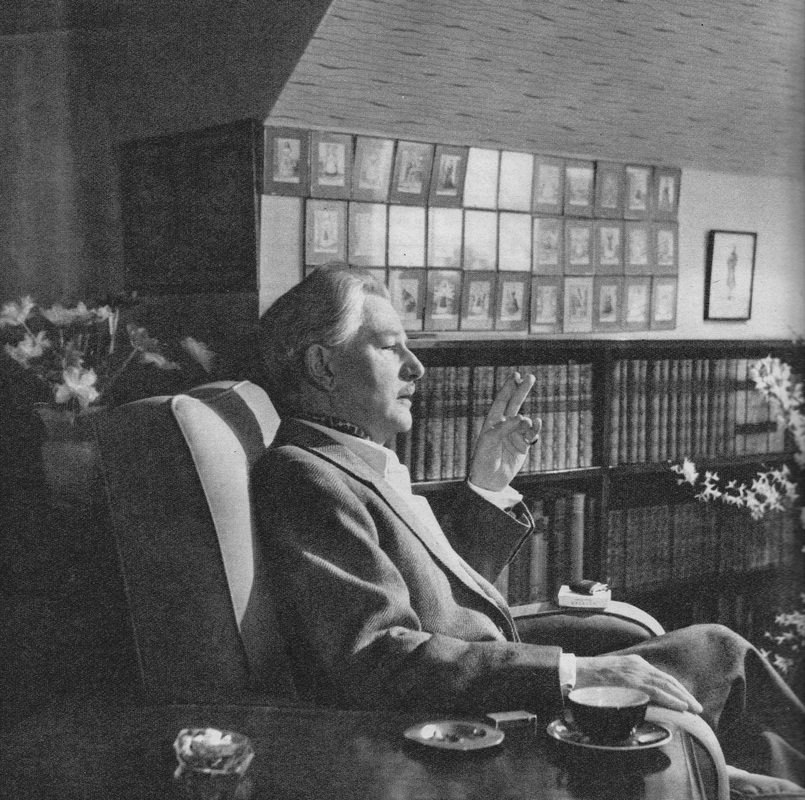
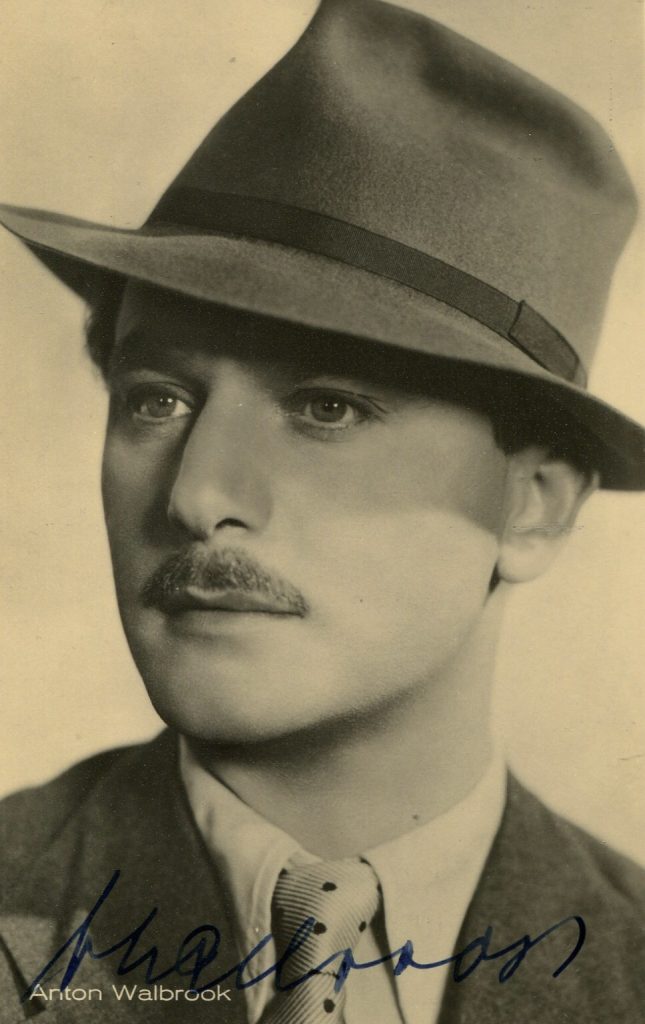
Anton Walbrook was an Austrian actor who settled in the United Kingdom. A popular performer in Austria and pre-war Germany, he left in 1936 out of concerns for his own safety and established a career in English cinema. Walbrook is perhaps best known for his roles in The Life and Death of Colonel Blimp and The Red Shoes

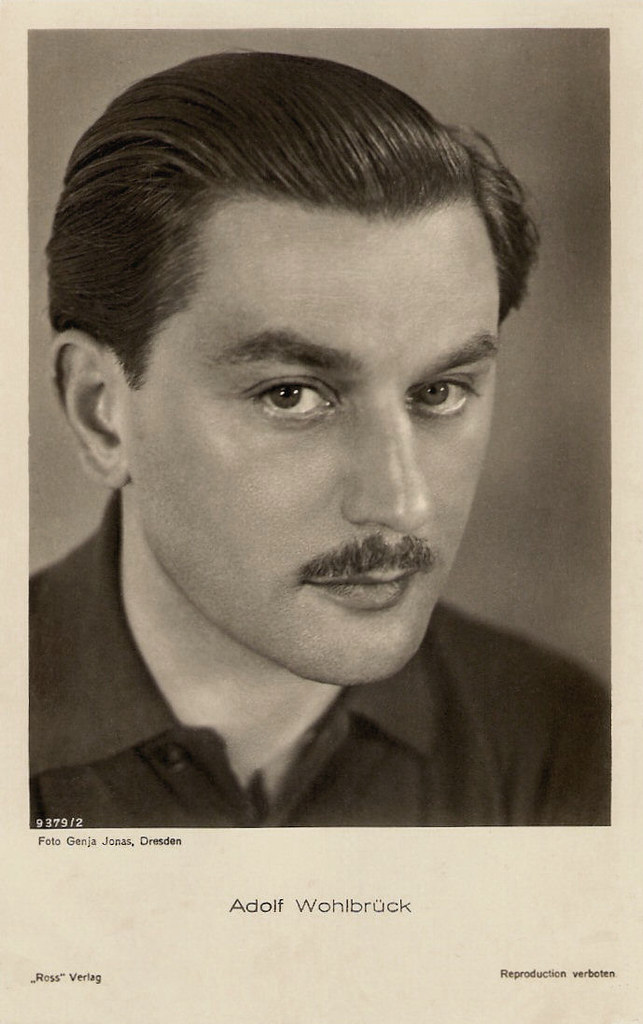
Walbrook was born in Vienna, Austria, as Adolf Wohlbrück. He was the son of Gisela Rosa (Cohn) and Adolf Ferdinand Bernhard Hermann Wohlbrück.  He was descended from ten generations of actors, though his father broke with tradition and was a circus clown. Walbrook studied with the director Max Reinhardt and built up a career in Austrian theatre and cinema.

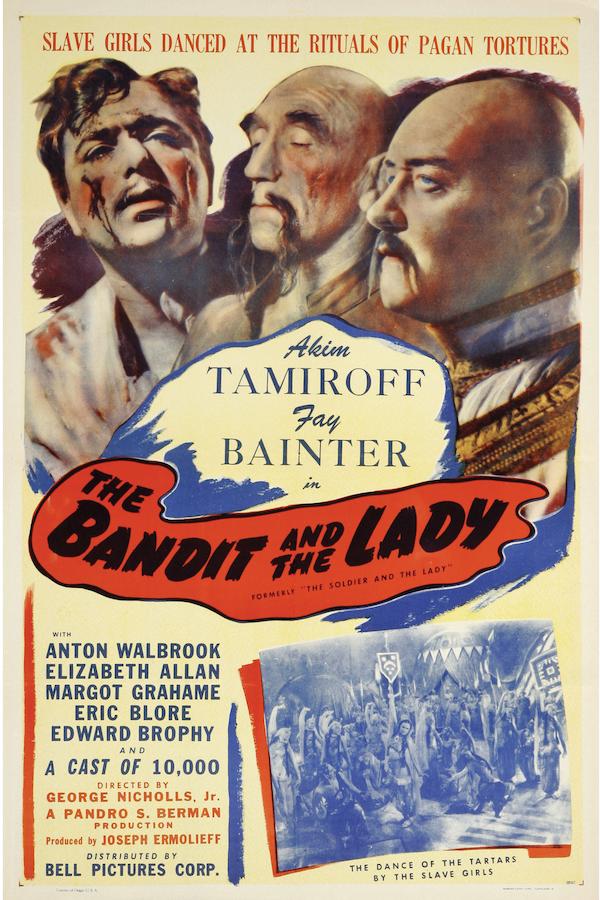
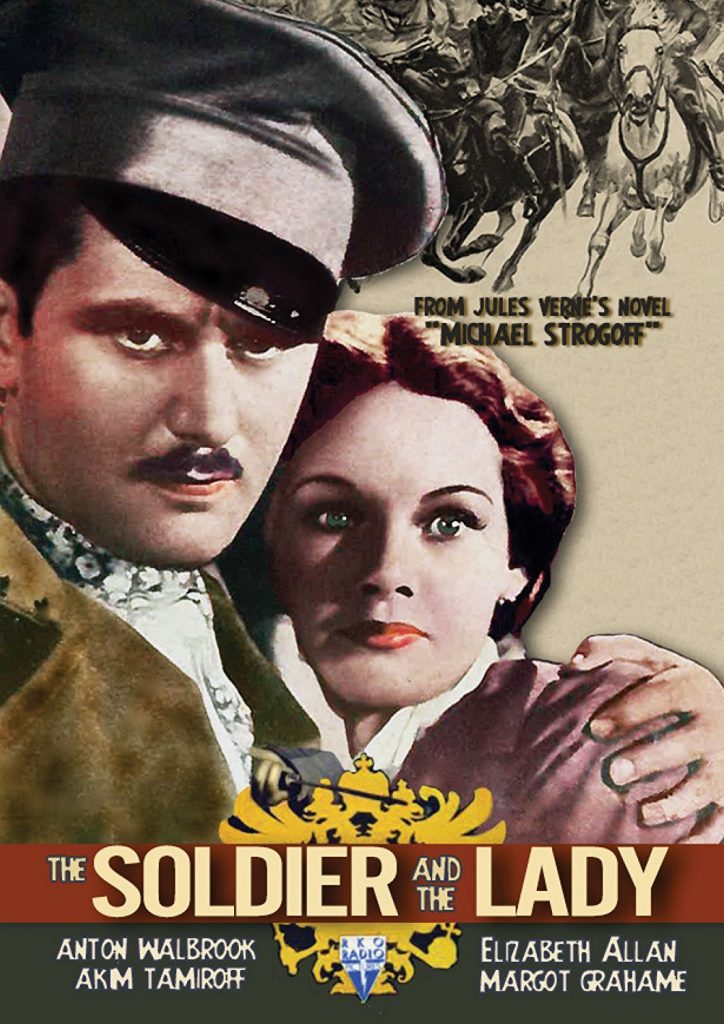
In 1936, he went to Hollywood to reshoot dialogue for the multinational The Soldier and the Lady (1937) and in the process changed his name from Adolf to Anton. Instead of returning to Austria, Walbrook, who was classified under the Nuremberg Lawsas “half-Jewish” (his mother was Jewish), settled in England and continued working as a film actor, making a speciality of playing continental Europeans.

He played Otto in the first London production of Design for Living at the Haymarket Theatre in January 1939 (later transferring to the Savoy Theatre), and running for 233 performances, opposite Diana Wynyard as Gilda and Rex Harrison as Leo. In 1952 he appeared at the Coliseum as Cosmo Constantine in Call Me Madam, also participating alongside Billie Worth, Jeff Warren and Shani Wallis on the EMI cast record.
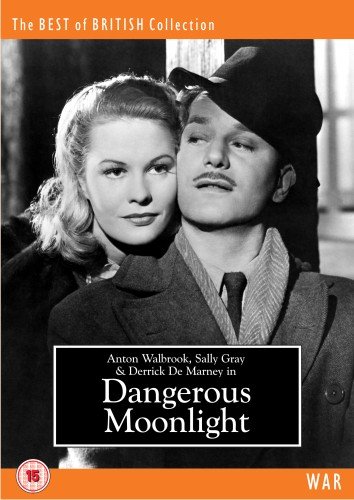
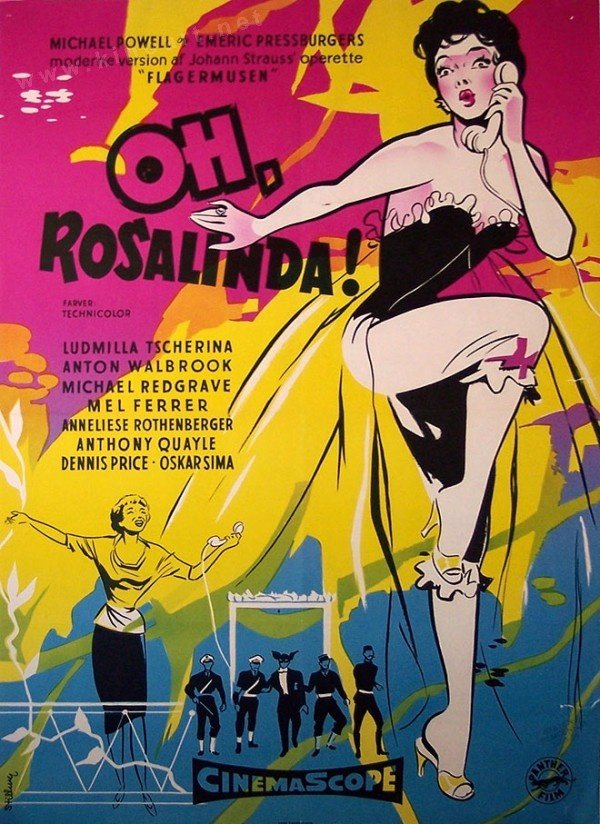
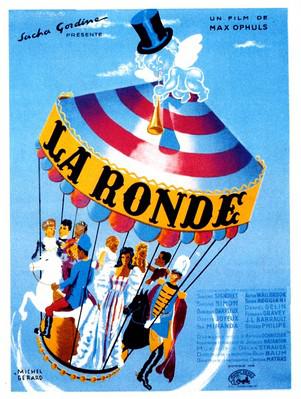
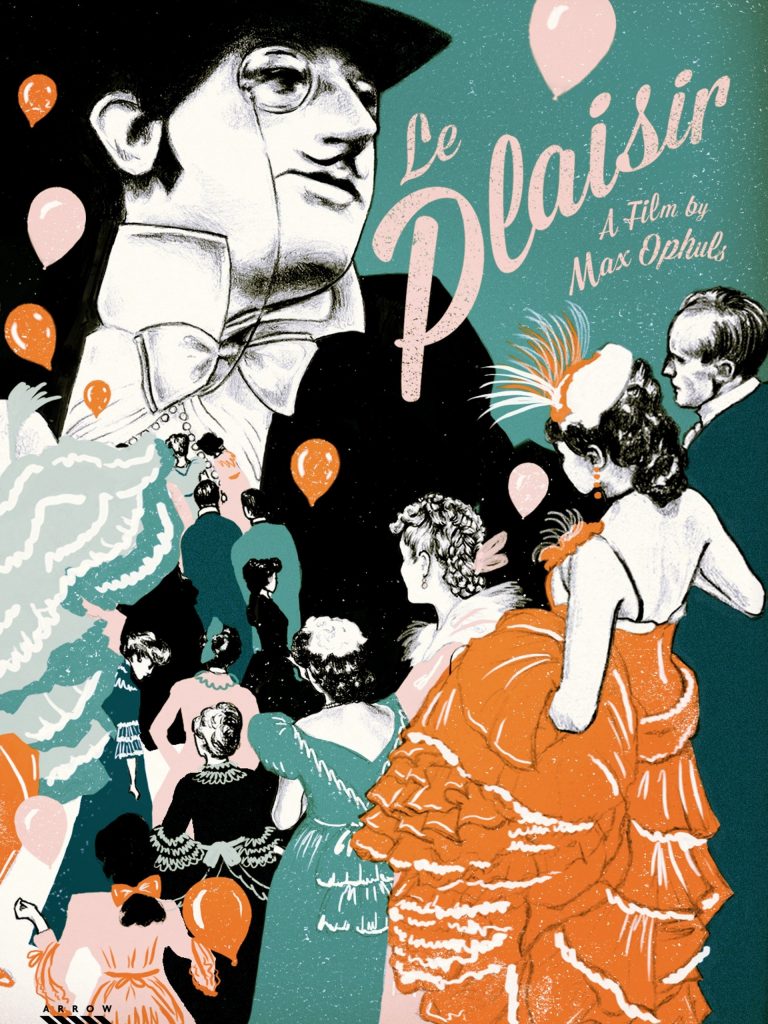
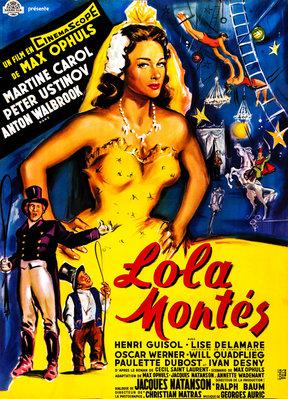
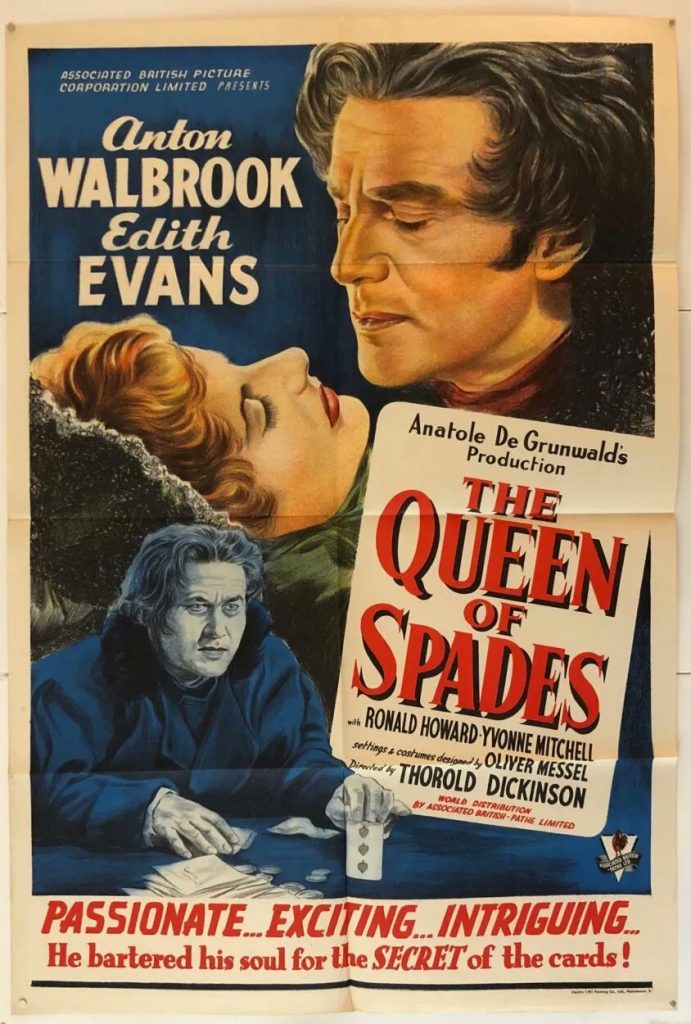
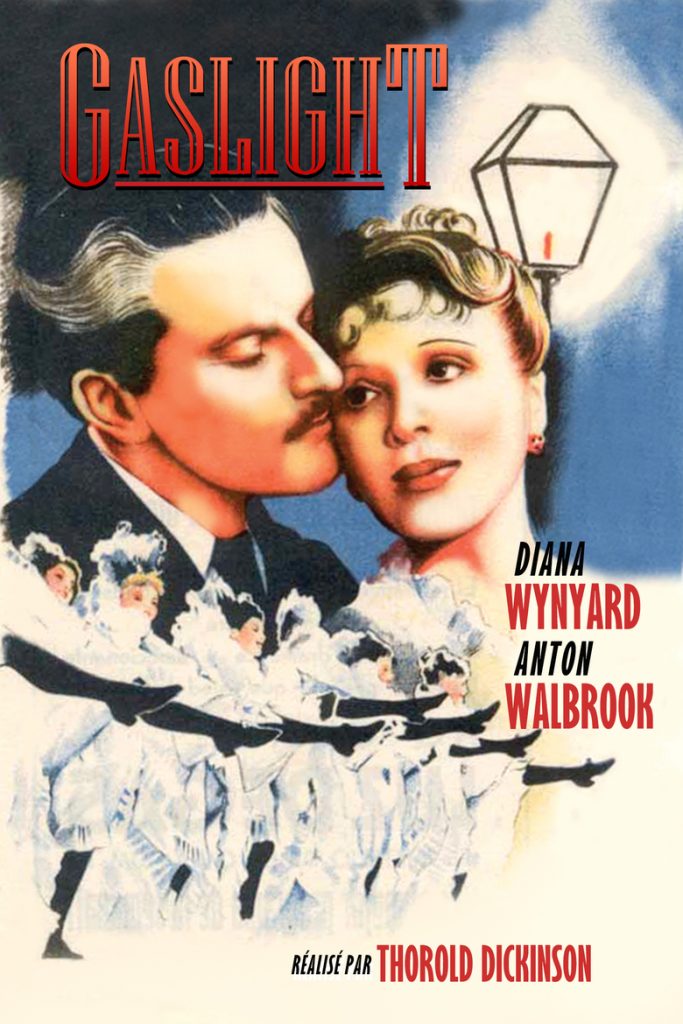
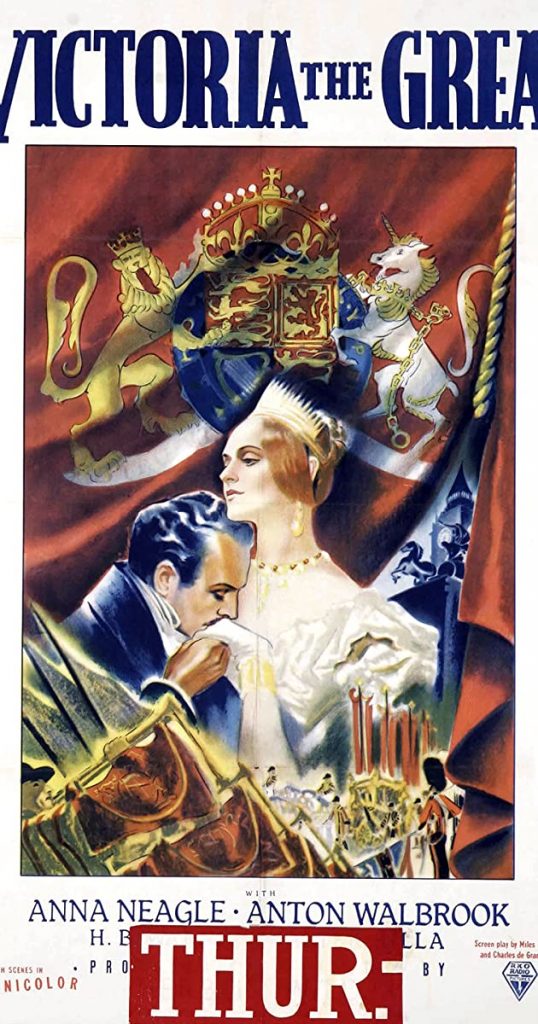
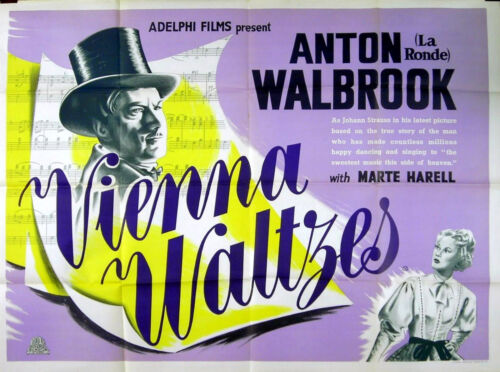
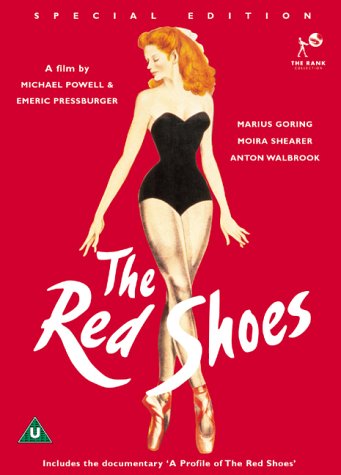
Producer-director Herbert Wilcox cast him as Prince Albert in Victoria the Great (1937) and Walbrook also appeared in the sequel, Sixty Glorious Years the following year. He was in director Thorold Dickinson‘s version of Gaslight (1940), in the role played by Charles Boyer in the later Hollywood remake. In Dangerous Moonlight (1941), a romantic melodrama, he was a Polish pianist torn over whether to return home. For the Powell and Pressburger team in The Life and Death of Colonel Blimp (1943) he played the role of the dashing, intense “good German” officer Theo Kretschmar-Schuldorff, and the tyrannical impresario Lermontov in The Red Shoes (1948). One of his most unusual films, reuniting him with Dickinson, is The Queen of Spades(1949), a Gothic thriller based on the Alexander Pushkin short story, in which he co-starred with Edith Evans. For Max Ophüls he was the ringmaster in La Ronde (1950) and Ludwig I, King of Bavaria in Lola Montès.

His Red Shoes co-star Moira Shearer recalled Walbrook was a loner on set, often wearing dark glasses and eating alone.  He retired from films at the end of the 1950s and in later years appeared on the European stage and television.

Walbrook died of a heart attack in GaratshausenBavariaGermany in 1967. His ashes were interred in the churchyard of St. John’s Church, Hampstead, London, as he had wished in his testament.
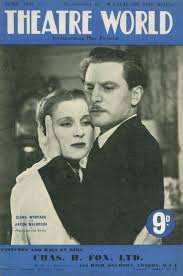
Anton Walbrook — born Adolf Wohlbrück in Austria — built a distinctive career as an actor who converted Continental stage-trained elegance into a memorable, deliberately ambiguous screen persona. After working in theatre and film in German‑language Europe in the 1920s–early 1930s, he relocated to Britain as the political climate in Central Europe deteriorated and re‑established himself in British cinema under the name Anton Walbrook. He never became a mass‑market star, but he became one of mid‑century British film’s most prized character‑actors and romantic figures, admired by critics and filmmakers for subtlety, refinement and emotional  restraint.

Interiorization and restraint: his acting favored understatement. Rather than big gestures, he communicated inner conflict through small facial micro‑expressions, measured delivery and a controlled physical presence. This made his performances layered and rewarding on close viewing.

Versatility within a type: though frequently cast within a narrow range (cultured European types), he showed versatility in tone — capable of ironic wit, menace, melancholy or paternal warmth. His best work balances charm and menace: the mentor who is also self‑destructive, or the patron whose generosity masks 

Limitations: his Continental manner could feel mannered or distant to audiences expecting more naturalistic leading men; studio casting sometimes pigeonholed him, limiting opportunities to play a broader range (comic, purely working‑class, or unglamorous characters). That contributed to his narrower public profile despite critical esteem.

Cultural and film‑historical significance

Émigré influence: Walbrook was part of a cohort of Central European artists who shaped British cinema’s sophistication during and after WWII. His presence lent a European cosmopolitanism to British films that helped make them international art objects.

Enduring images: a handful of performances (notably in the Powell & Pressburger films) have become canonical and continue to be rediscovered by new generations of viewers and critics; his style now reads as quintessentially modernist — elegant, ambiguous, and richly interpretable


Anton Walbrook (1896–1967) remains one of the most sophisticated and enigmatic figures in the history of cinema. Born Adolf Wohlbrück in Vienna into a dynasty of circus clowns, he carried a “performative nobility” that allowed him to play both the most charming romantic leads and the most chillingly detached autocrats.

He was the “Continental Gentleman” of British cinema—a man whose acting was defined by a shimmering, often fragile, elegance and a voice that seemed to vibrate with unspoken secrets.


Career Overview: From Vienna to The Red Shoes

1. The European Star (1920s–1930s)

Walbrook was already a major star in Germany and Austria before the rise of the Nazi party. He excelled in light operettas and “White Telephone” romances, most notably in the original Viktor und Viktoria (1933) and Maskerade (1934). As a man of Jewish descent and a homosexual, he fled Germany in 1936, resettling in Britain.

2. The Definitive Prince Albert (1937–1939)

His British breakthrough came playing Prince Albert in Victoria the Great and its sequel Sixty Glorious Years. He provided a much-needed humanity to the royal consort, winning over the British public and establishing himself as a top-tier leading man.

3. The Powell & Pressburger Muse (1940s)

Walbrook’s most critically significant work came through his collaboration with The Archers. He delivered three distinct, legendary performances:

  • The Noble Refugee: 49th Parallel (1941)

  • The Loyal Friend: The Life and Death of Colonel Blimp (1943)

  • The Obsessive Impresario: The Red Shoes (1948)

4. The Later Masterpieces (1950s)

In his later years, he returned to the European continent to star in Max Ophüls’ carousel of desire, La Ronde(1950), and played the heartbreakingly refined King Ludwig I in Lola Montès (1955).


Detailed Critical Analysis: The “Mask” of Elegance

1. The “Stillness” of the Outsider

Walbrook’s acting was characterized by a profound economy of movement. While British actors of the 1940s often relied on theatrical projection, Walbrook used repressed energy.

  • Analysis: In The Life and Death of Colonel Blimp, his character, Theo Kretschmar-Schuldorff, delivers a five-minute monologue about his “lost” Germany to a British immigration officer. Critics cite this as one of the greatest pieces of acting in film history. Walbrook remains almost entirely still, using only his voice—weary, melodic, and precise—to convey the soul of a displaced man. He turned the “alien” archetype into a figure of immense moral authority.

2. The Aesthetic of Obsession: Boris Lermontov

In The Red Shoes, Walbrook created the definitive portrayal of the “Great Dictator of Art.”

  • Critical Insight: As Boris Lermontov, Walbrook didn’t play a villain; he played a monastic zealot. He utilized a “sharp” physicality—stiff suits, impeccably groomed hair, and a gaze that seemed to pierce through the dancers. Critics noted that he made Lermontov’s cruelty feel like a form of religious devotion to beauty. He managed to be terrifyingly cold and yet, in the film’s final moments, devastatingly broken.

3. The “Continental” Vocal Texture

Walbrook’s voice was perhaps his most potent instrument. It possessed a unique sibilance and rhythm that made every line of dialogue feel like a confidence shared between the actor and the audience.

  • Technical Analysis: In La Ronde, where he plays the Master of Ceremonies (The Prolocutor), his voice acts as the “glue” for the film’s episodic structure. He broke the “fourth wall” with a playful, cynical wit that never felt abrasive. He was the master of the “ironic undertone,” suggesting that he knew exactly how the story would end long before the characters did.

4. Subverting the “Matinee Idol”

Unlike many stars who fought to stay “youthful,” Walbrook embraced the pathos of aging.

  • Critical View: In Lola Montès, his King Ludwig is a man losing his hearing and his grip on power. Walbrook played this with a “fragile majesty.” He allowed himself to look vulnerable and diminished, proving that his stardom was built on psychological depth rather than mere physical presence.


Key Filmography & Critical Milestones

Year Title Role Significance
1937 Victoria the Great Prince Albert His introduction to the English-speaking world.
1940 Gaslight Paul Mallen The original, chilling portrayal of psychological abuse.
1943 Colonel Blimp Theo Kretschmar-Schuldorff A masterclass in “quiet” dramatic monologue.
1948 The Red Shoes Boris Lermontov The ultimate portrayal of the obsessive artist.
1950 La Ronde Master of Ceremonies Defined the “sophisticated European” trope.

 He brought a European intellectualism to the British screen that changed the way audiences viewed “leading men.” He proved that an actor could be both a romantic idol and a profound character study, often within the same scene. His legacy is one of uncompromising graceand the belief that the smallest gesture on film can carry the weight of an entire lifetime

Leave a Reply

Your email address will not be published. Required fields are marked *