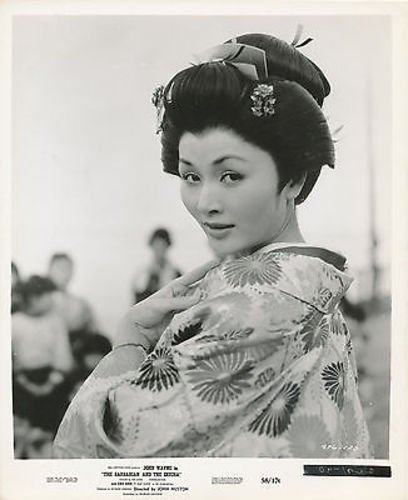
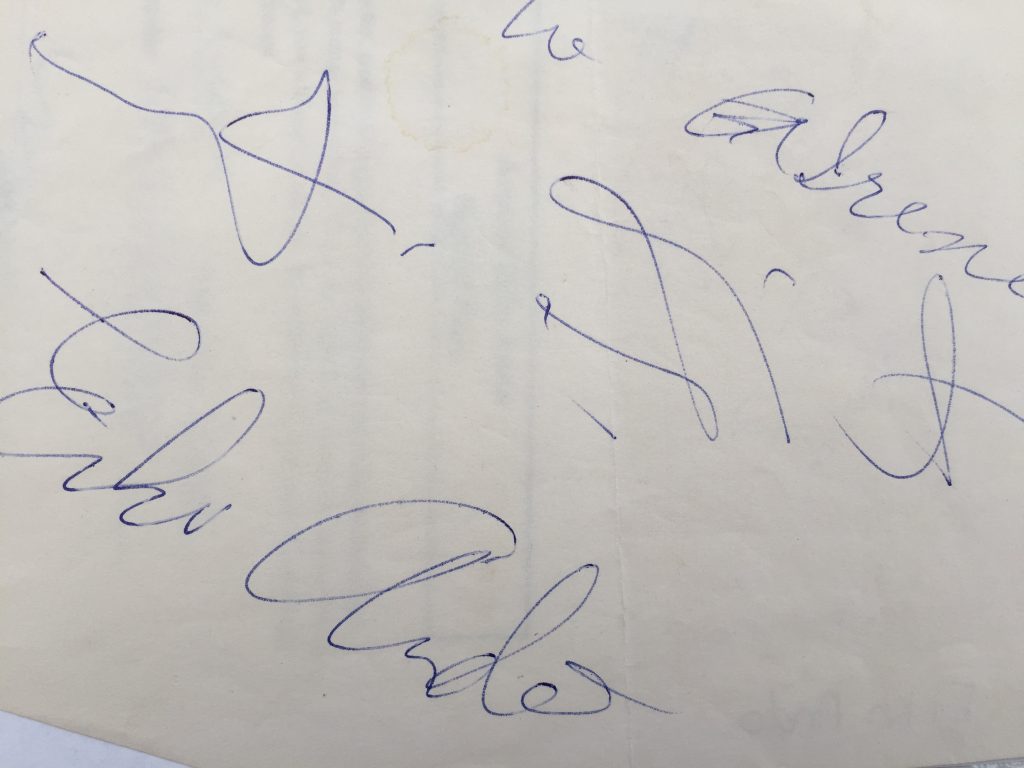
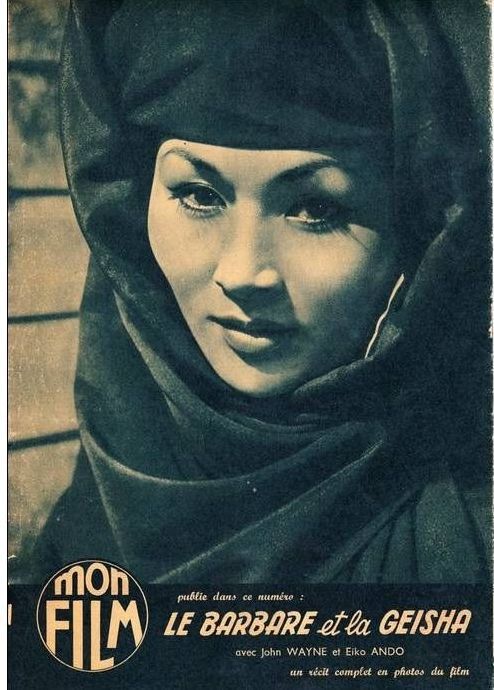
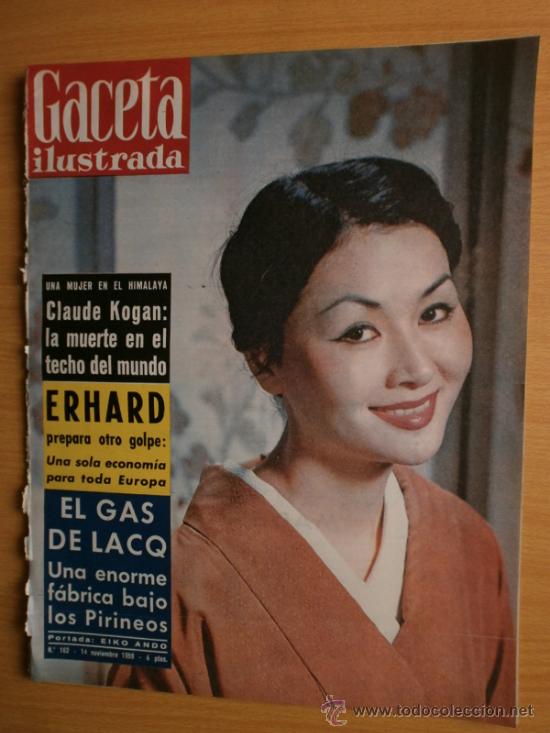
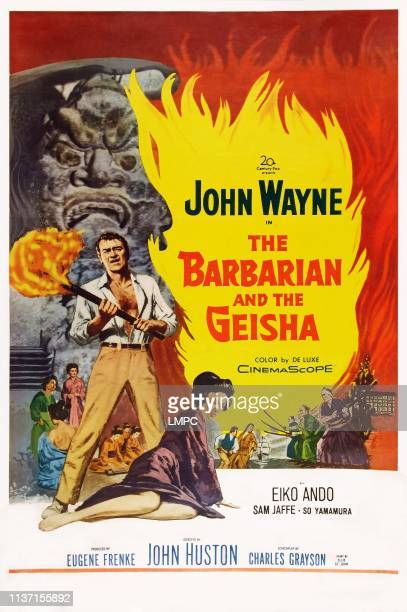
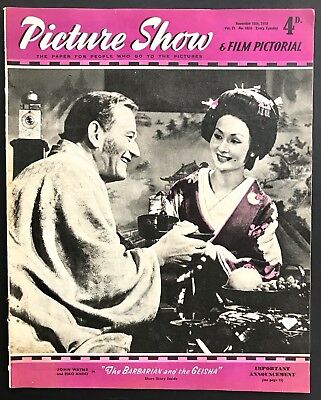
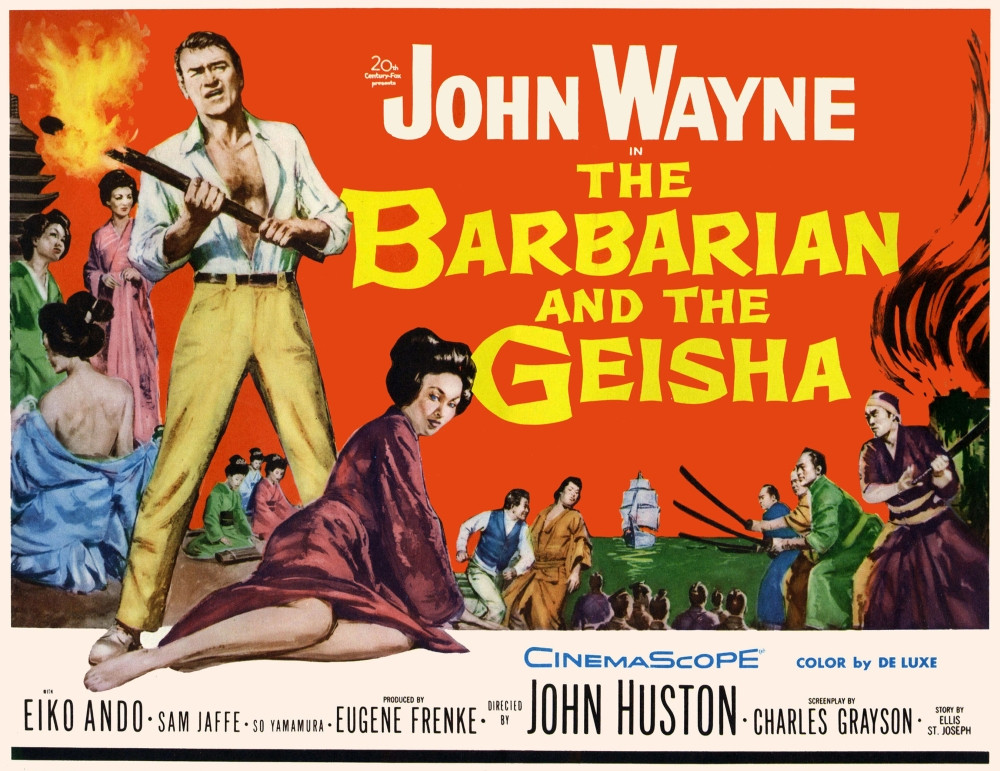
Eiko Ando (born 1934) occupies a singular, bittersweet place in cinema history. A former singer and performer from the Harajuku district of Tokyo, she was catapulted to international fame as the hand-picked leading lady for John Huston’s 1958 epic The Barbarian and the Geisha.
While her film career was brief, a critical analysis of her work reveals a performance that defied the “submissive” stereotypes of the era, offering a nuanced portrayal of cultural mediation during the opening of Japan to the West.
I. Career Overview: The “Huston” Discovery
The Harajuku Beginnings (Early 1950s)
Before Hollywood called, Ando was a professional singer and dancer. Standing at 5’7″, she was considered exceptionally tall for a Japanese woman of that era, which gave her a commanding physical presence that eventually caught the eye of director John Huston during his search for a “statuesque” lead.
The Barbarian and the Geisha (1958)
Ando was cast as Okichi, the geisha sent to serve (and spy on) Townsend Harris, the first American Consul General to Japan (played by John Wayne). This was her only major international film. Despite being a newcomer acting opposite the world’s biggest movie star, Ando’s performance was the element most praised by critics.
The Return to Japan and Retirement
Following the film’s release, Ando appeared in a few Japanese productions, such as The Sands of Kurobe(1968). However, she largely stepped away from the cinematic spotlight, leaving behind a “one-hit-wonder” legacy that remains a subject of fascination for film historians focusing on East-West representations.
II. Critical Analysis: Subverting the Geisha Trope
1. The Power of “Stillness” Against John Wayne
In The Barbarian and the Geisha, Ando faced the daunting task of sharing the frame with John Wayne at the height of his “macho” persona.
-
The Dynamic: Critics note that Ando did not attempt to match Wayne’s bravado. Instead, she utilized a sculptural stillness. By maintaining a rigid, dignified posture and using subtle eye movements, she forced the camera—and Wayne—to adjust to her pace.
-
Technical Precision: Her background in traditional Japanese performance allowed her to execute the highly stylized movements of a geisha with an authenticity that elevated the film above a mere “Hollywood Orientalist” fantasy.
2. Okichi as a Political Agent
Critically, Ando’s portrayal of Okichi is viewed as a study in burdened agency.
-
Beyond the Romance: While the script pushes a romantic subplot, Ando plays the role as a woman caught between two conflicting loyalties: her duty to her country (which views Harris as a barbarian) and her growing human empathy for the outsider.
-
The “Sacrifice” Narrative: Ando’s performance highlights the tragedy of the “comfort woman” archetype without stripping the character of her intelligence. She portrays Okichi as a diplomat in her own right, navigating the dangerous waters of 19th-century Shogunate politics.
3. The Height and the “Othering”
Film historians often discuss Ando’s height (5’7″) as a critical factor in her casting and performance.
-
Visual Symmetry: In 1950s Hollywood, Asian actresses were often cast to appear petite and fragile. Ando’s height allowed for a visual symmetry with John Wayne that suggested a more “equal” footing. This physical presence challenged the Western audience’s preconceived notions of Japanese femininity, presenting a woman who was physically and emotionally robust.
III. Major Credits and Cultural Context
| Work |
Role |
Context |
Significance |
| The Barbarian and the Geisha (1958) |
Okichi |
Directed by John Huston |
Her landmark Hollywood debut and most famous role. |
| The Sands of Kurobe (1968) |
Supporting Role |
Japanese Drama |
A rare return to the screen in a prestigious Japanese epic. |
Final Reflection
Eiko Ando’s career is a “what if” story of Hollywood history. She arrived at a time when the industry was beginning to look toward international co-productions but was still shackled by limited roles for Asian performers. Her legacy rests on her ability to bring dignity and psychological depth to a role that could have been a caricature. She remains a vital figure for those studying the evolution of Asian women in global cinema