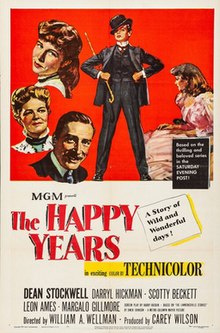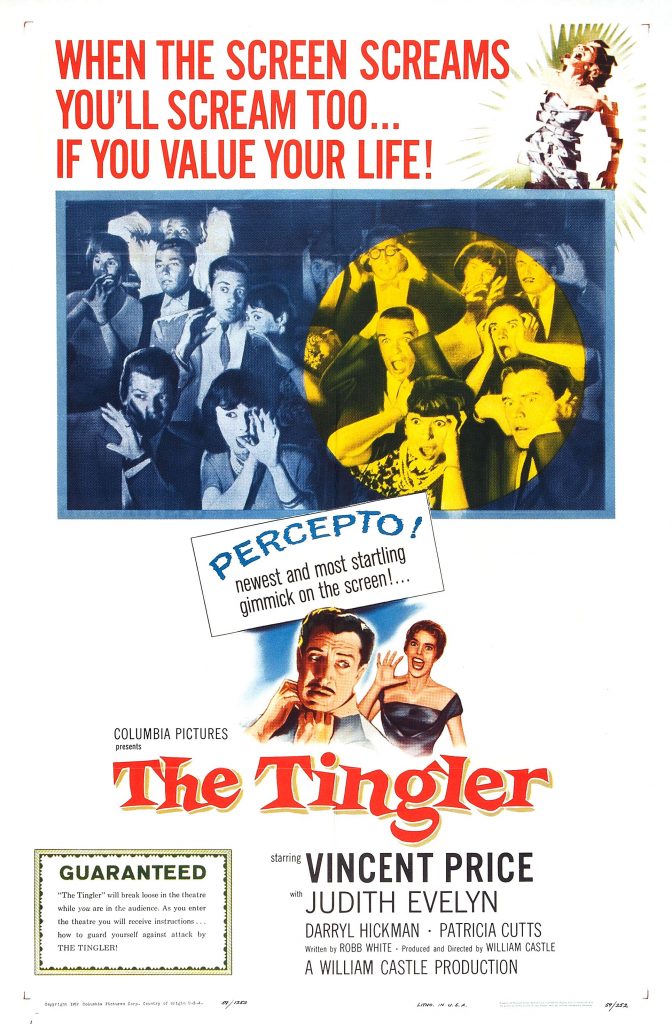

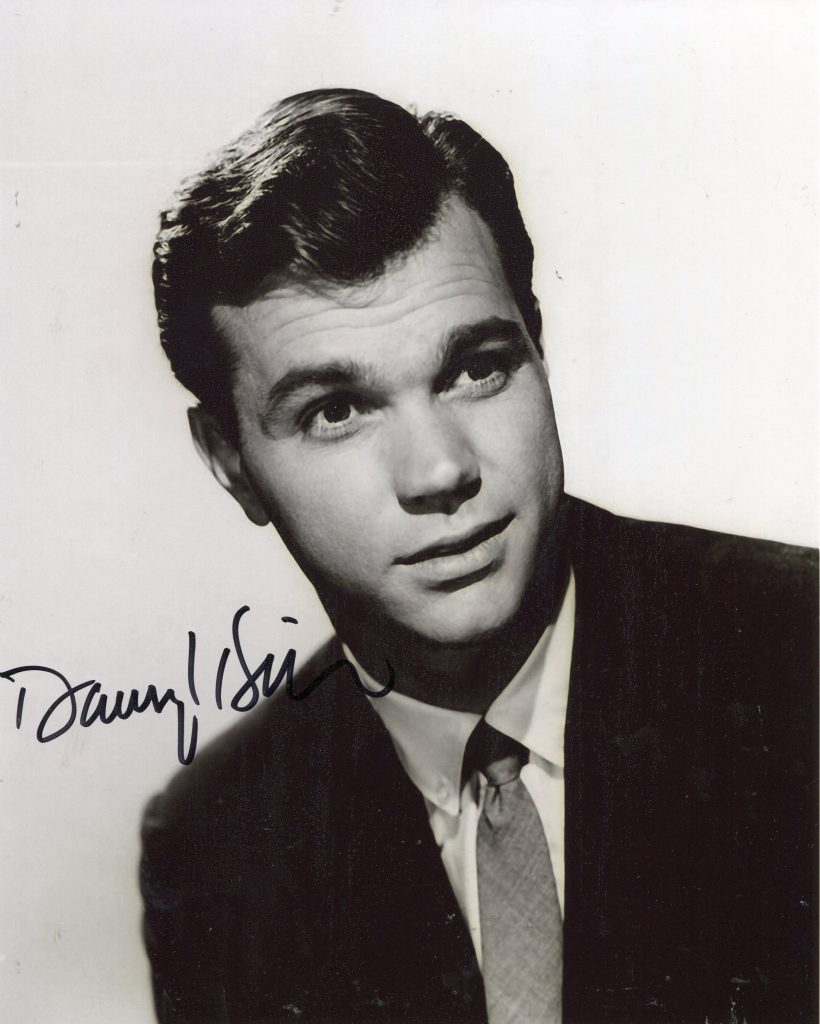
Darryl Hickman

Darryl Hickman
Darryl Hickman

“Wikipedia” entry:

Darryl  Hickman (born July 28, 1931) is an American film and television actor, former television executive, and child actor of the 1930s and 1940s.

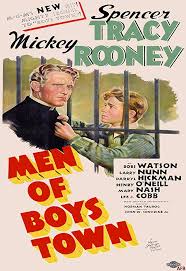
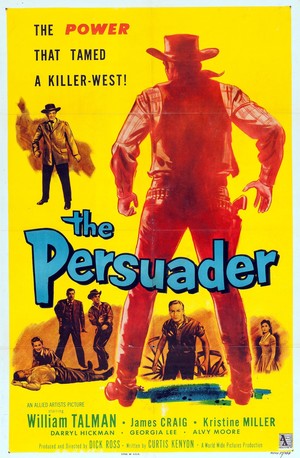
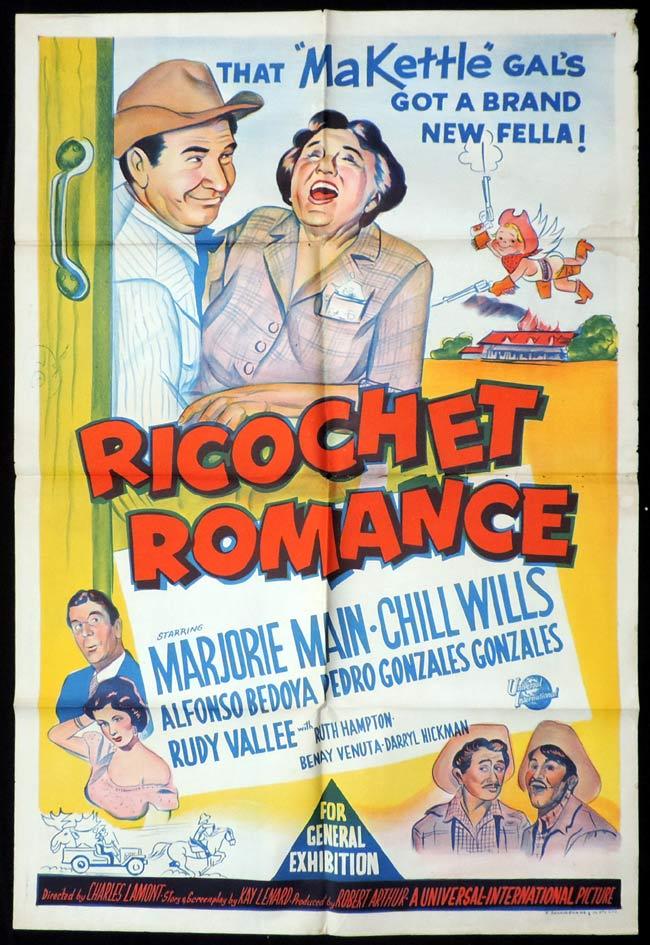
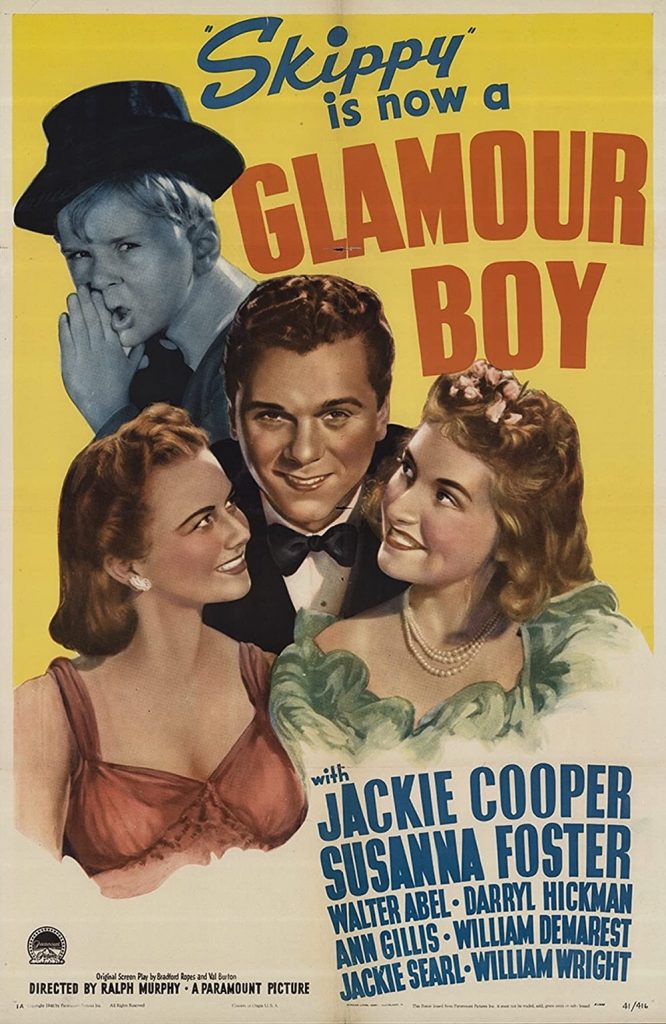
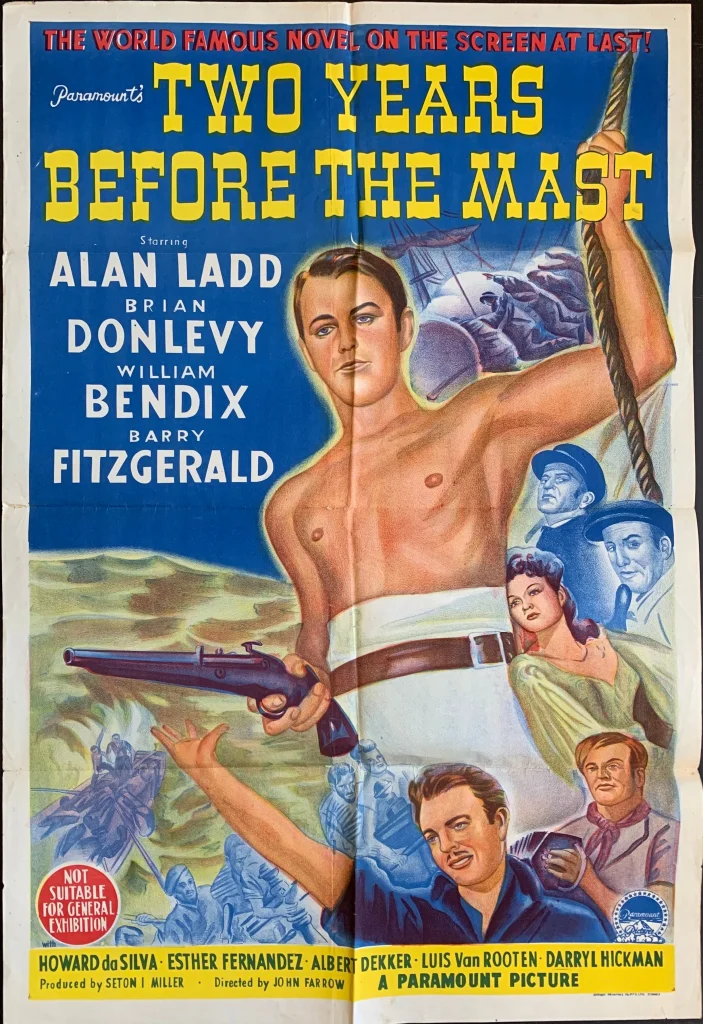
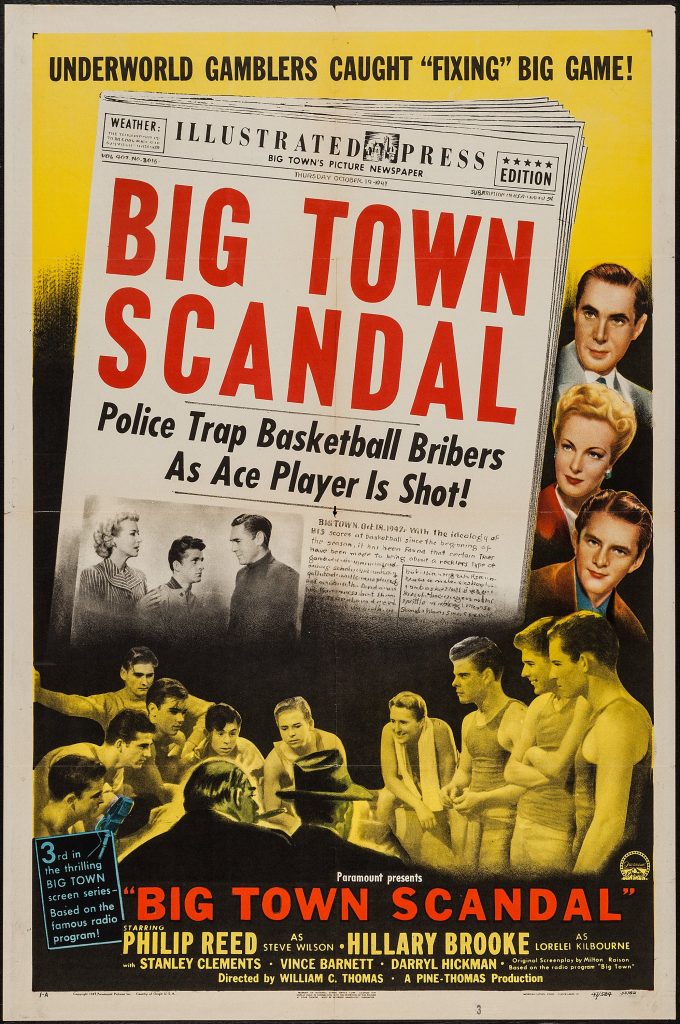
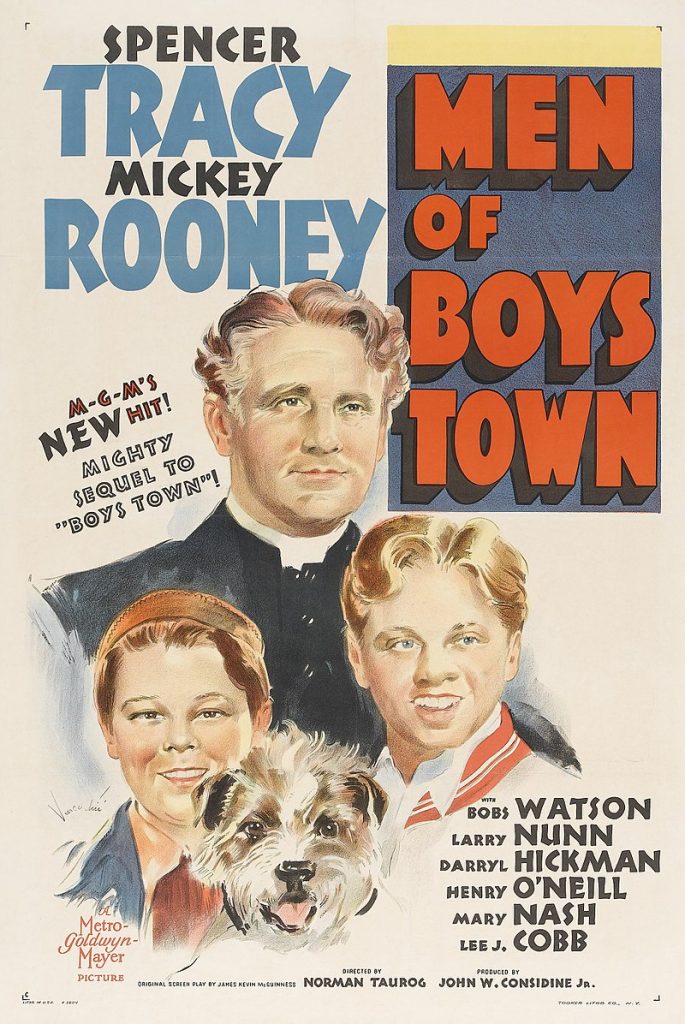
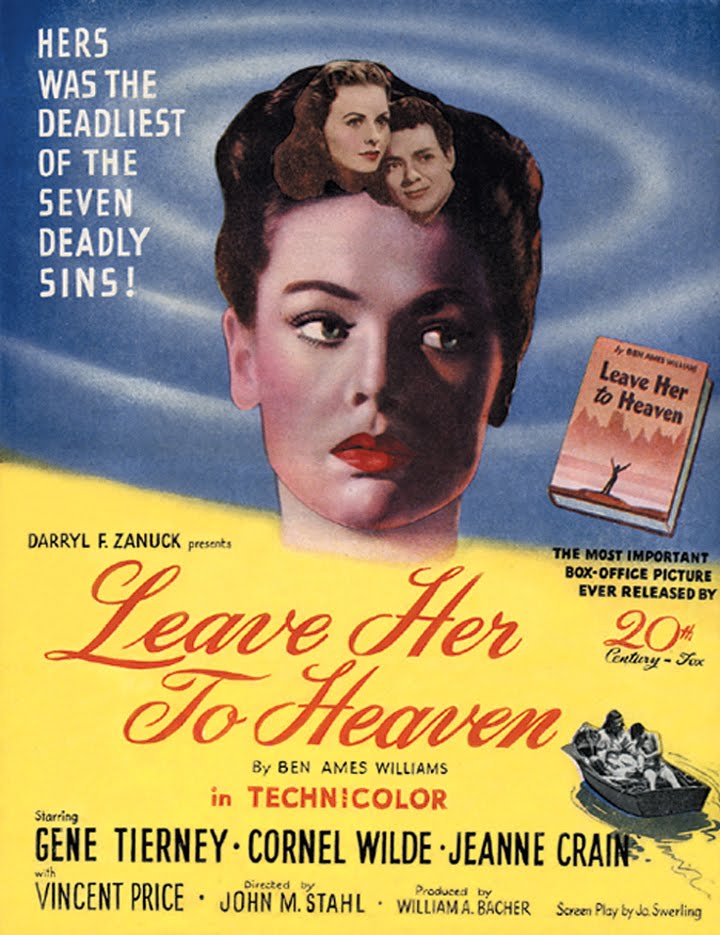
Hickman gained attention as a child actor during the late 1930s and 1940s, appearing in The Grapes of Wrath, Men of Boys Town, The Human Comedy and Leave Her to Heaven, among others. He made a featured appearance in the 1942 Our Gang comedy Going to Press. In 1944, he played the antagonist to Jimmy Lydon‘s Henry Aldrich character in the film Henry Aldrich, Boy Scout. In 1946, he played young Sam Masterson in The Strange Love of Martha Ivers. By age 21, he had appeared in more than one hundred motion pictures. Darryl Hickman graduated from Cathedral High

After spending his childhood as an actor, Hickman retired from entertainment to enter a monastery in 1951, returning to Hollywood just over a year later. He continued acting, but in fewer roles than in the peak of his career. He was cast in 1952 in the episode “Fight Town” of the syndicated western television series, The Range Rider.

In 1954, he appeared as Chet Sterling in the “Annie Gets Her Man” episode of syndicated western series, Annie Oakley, with Gail Davis. In 1957, Hickman appeared in the episode “Copper Wire” of the syndicated western-themed crime drama Sheriff of Cochise. Later that year he appeared as murderer Steve Harris in the second Perry Mason episode, “The Case of the Sleepwalker’s Niece.” Hickman appeared four times in the 1957-1958 syndicated drama series, Men of Annapolis, about midshipmen at the United States Naval Academy in Annapolis, Maryland. He also guest starred in Kenneth Tobey‘s adventure drama, Whirlybirds.

Hickman was cast as Dal Royal in the 1957 episode “Hang ’em High” (1957) of the ABC/Desilu series, The Life and Legend of Wyatt Earp. In the story line, Marshal Wyatt Earp (Hugh O’Brian) and Sheriff Bat Masterson (Mason Alan Dinehart) tangle with secreted vigilantes called the “White Caps” after a judge order’s Royal’s hanging when he refuses to defend himself in court for fear the gang will murder his girlfriend, the daughter of a prominent rancher. The story line includes a fake hanging and burial to smoke out the gang and a rush to obtain justice by Earp and Masterson.[1]

In 1959, Hickman appeared on younger brother Dwayne Hickman‘s CBS sitcom The Many Loves of Dobie Gillis, playing his older brother Davey in the episode “The Right Triangle.”[2] In 1959, Darryl Hickman appeared in an episode of Wanted: Dead or Alive with Steve McQueen, titled “Rope Law”; on May 9, 1959, he was a guest star on CBS’s Gunsmoke as Andy Hill. He also guest-starred in a 1959 first-season episode of another ABC/Desilu series, The Untouchables, entitled “You Can’t Pick The Number”.

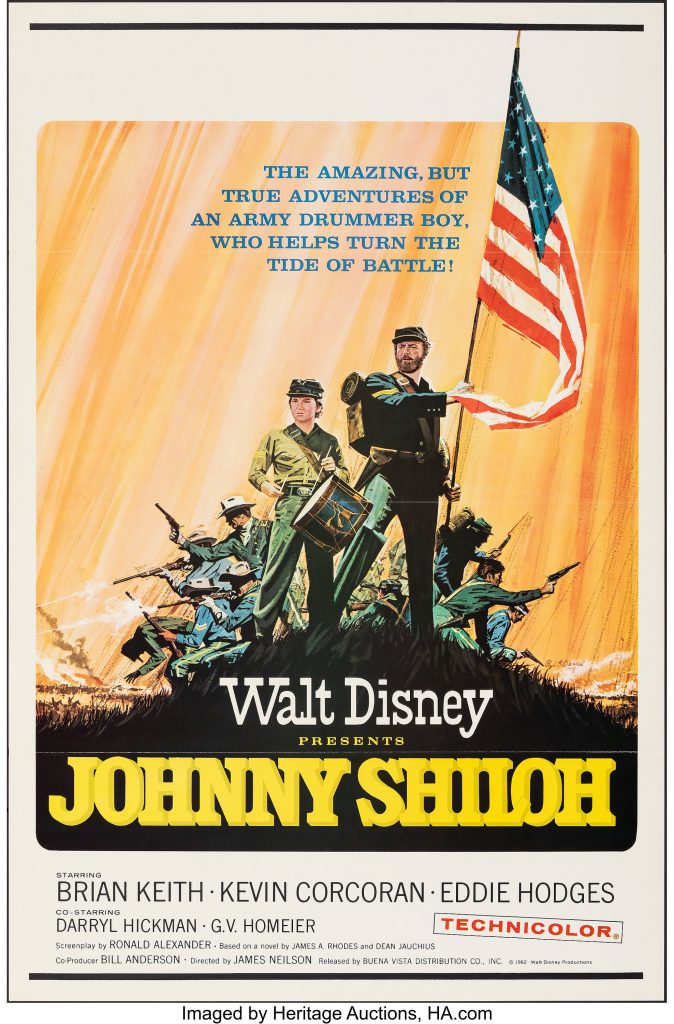
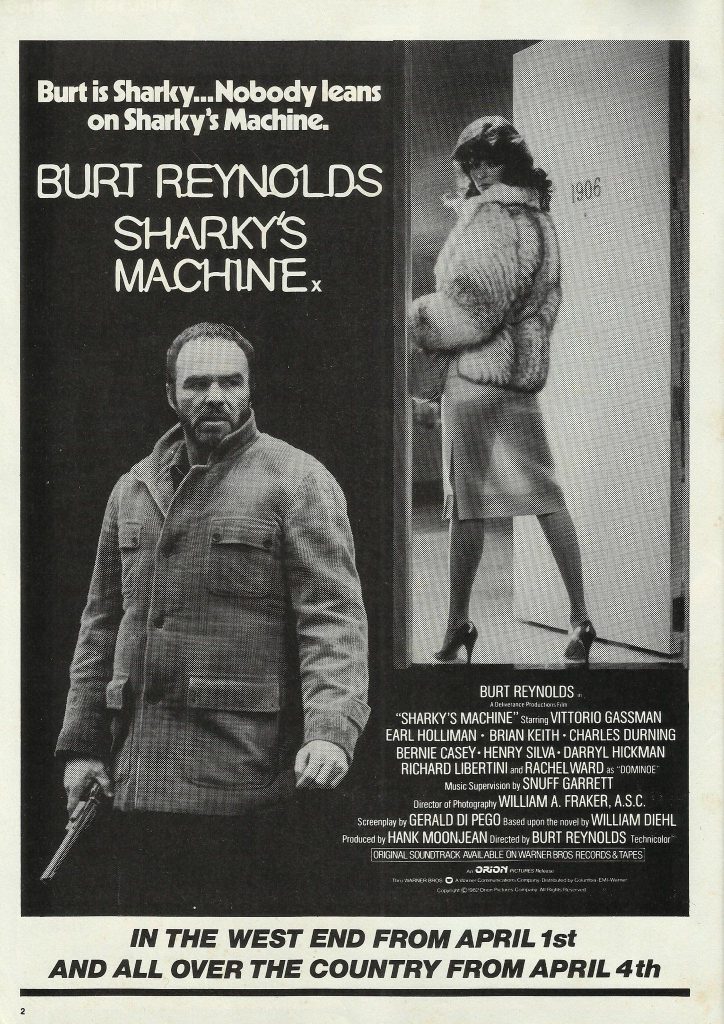
He guest-starred in the 1960 episode “Moment of Fear” of CBS’s The DuPont Show with June Allyson, also featuring Edgar Bergen. He appeared on NBC‘s science fiction series The Man and the Challenge. In 1962, he portrayed the part of Lt. Matthew Perry in the episode “The Reunion” on CBS’s Rawhide. During the American Civil War Centennial, Hickman played a young Union soldier in The Americans (1961), and as an officer in Walt Disney‘s Johnny Shiloh (1963). In 1966 he starred as Charley in the New York City Center revival of the Frank Loesser musical comedy Where’s Charley?.  He had a key role in the film Sharky’s Machine (1981).

Hickman eventually became a television executive and an acting coach, and a voice actor for Hanna-Barbera Productions toward the end of a five-decade career in the entertainment industry. Some notable voice overs include Wags in The Biskitts and Derek from The Greatest Adventure: Stories from the Bible. He played Roadie, one of the cars with A.I. in the 1984 animated series Pole Position
Darryl Hickman (born 1931) represents a rare and fascinating trajectory in Hollywood history: the child star who not only survived the transition to adulthood but reinvented himself as a sophisticated acting theorist, television executive, and voice artist. His career is a primary text for studying the evolution of American acting styles, from the “precocious” studio child to the “internal” Method actor.

Career Overview

Hickman’s professional life can be divided into three distinct acts: the child prodigy, the dramatic leading man, and the creative executive.

  • The Golden Age Child Star (1937–1946): Discovered by a dance teacher at age five, Hickman became one of the most prolific child actors of the 1940s. He appeared in over 40 films before he turned 15, most notably as Winfield Joad in the masterpiece The Grapes of Wrath (1940) and as the doomed Danny Saunders in Leave Her to Heaven (1945).


  • The Dramatic Transition (1947–1960s): Unlike many of his peers, Hickman successfully aged into “troubled youth” and “sensitive young man” roles. He starred in The Strange Love of Martha Ivers and delivered a haunting performance in the noir The Set-Up (1949). He also became a staple of the “Golden Age of Television,” appearing in live anthology dramas.


  • The Executive and The Theorist: In the 1970s, Hickman moved behind the scenes, becoming a high-level executive at CBS (overseeing daytime programming) and a legendary acting coach. He authored The Conscious Actor, a respected treatise on the mechanics of performance.


Detailed Critical Analysis

1. The “Anti-Shirley Temple” Naturalism

Critically, Hickman is praised for avoiding the “stagey” or overly cute affectations common in child actors of the 1930s.

  • The Joad Realism: In The Grapes of Wrath, director John Ford utilized Hickman’s ability to look genuinely “hollowed out” by the Dust Bowl. Critics note that he didn’t “act” poverty; he embodied the exhaustion and curiosity of a child forced to grow up too fast.

  • Subtle Vulnerability: His performance in Leave Her to Heaven is a masterclass in providing a foil to a villain. As the polio-stricken boy, he had to be sympathetic enough that his eventual fate (at the hands of Gene Tierney) felt like a visceral gut-punch to the audience.

2. The “Bridge” Actor

Hickman is a unique critical subject because he began in the “Old Hollywood” system of presentational acting but came of age just as the Actors Studio and The Method were taking over.

  • Adapting to the New Wave: In his late teens and early 20s, Hickman’s style shifted. He began to utilize a more “internalized” tension. In films like Tea and Sympathy (1956), critics observed a newfound complexity—a brooding, intellectual quality that allowed him to play characters struggling with mid-century social pressures.

  • The “Reliable” Lead: While he didn’t achieve the “rebel” icon status of a James Dean, he was critically regarded as a more versatile and technically proficient version of that archetype.

3. The Psychology of the Performance

Hickman’s most significant critical contribution arguably came after his peak acting years, through his work as a theorist.

  • Conscious vs. Unconscious: In his book The Conscious Actor, Hickman broke down acting into a psychological process. He argued against “blind” inspiration, advocating for a systematic approach to character creation.

  • The Executive’s Eye: His time as a CBS executive gave him a unique critical perspective on what “reads” on camera. He is often cited by historians as one of the few people who understood the industry from the perspective of both the “product” (the actor) and the “purchaser” (the network).

4. Voice and Character Versatility

In his later years, Hickman’s voice became his primary tool.

  • The Animated Shift: He provided voices for numerous iconic 1980s cartoons (notably The Get Along Gang and Pac-Man). Critics note that he brought a “pro’s pro” stability to voice acting, using his decades of dramatic experience to give even simple characters a sense of grounded personality.


Major Credits & Recognition

Project Role Significance
The Grapes of Wrath Winfield Joad A landmark performance in one of the greatest films of all time.
Leave Her to Heaven Danny Saunders His most famous and emotionally resonant role as a young performer.
The Set-Up Shanley A gritty, noir performance that proved his adult dramatic chops.
The Conscious Actor Author A seminal book on acting technique and psychological preparation.
Tea and Sympathy Al Showcased his ability to handle “prestige” theater-to-film adaptations

Leave a Reply

Your email address will not be published. Required fields are marked *