
Gertrude Lawrence

Gertrude Lawrence
Gertrude Lawrence

IMDB entry:

 
.

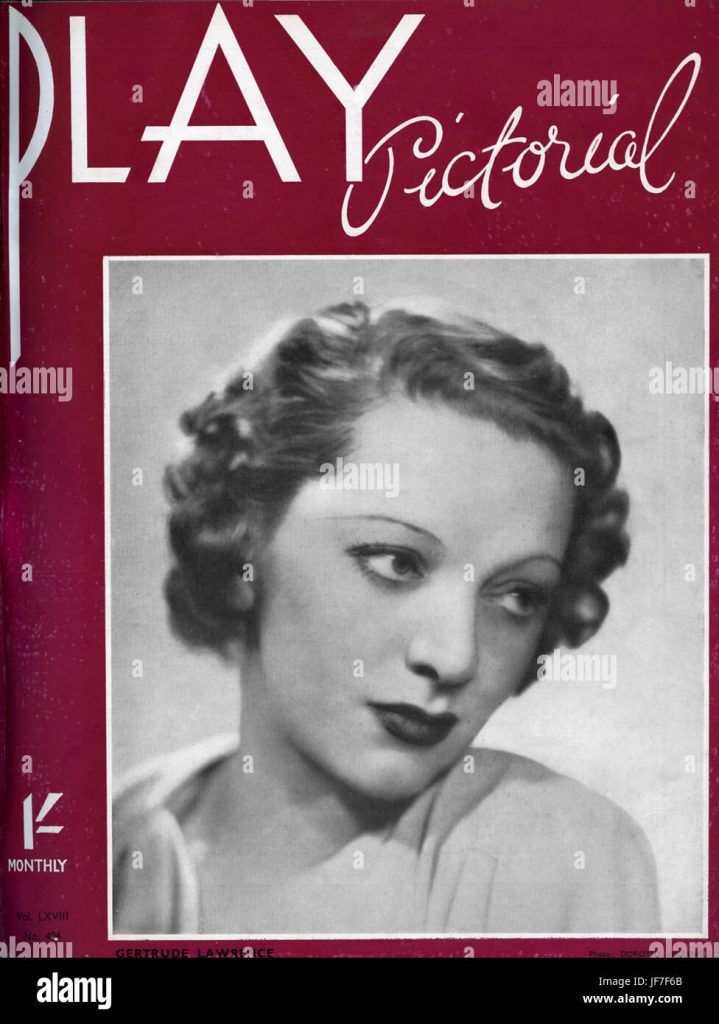
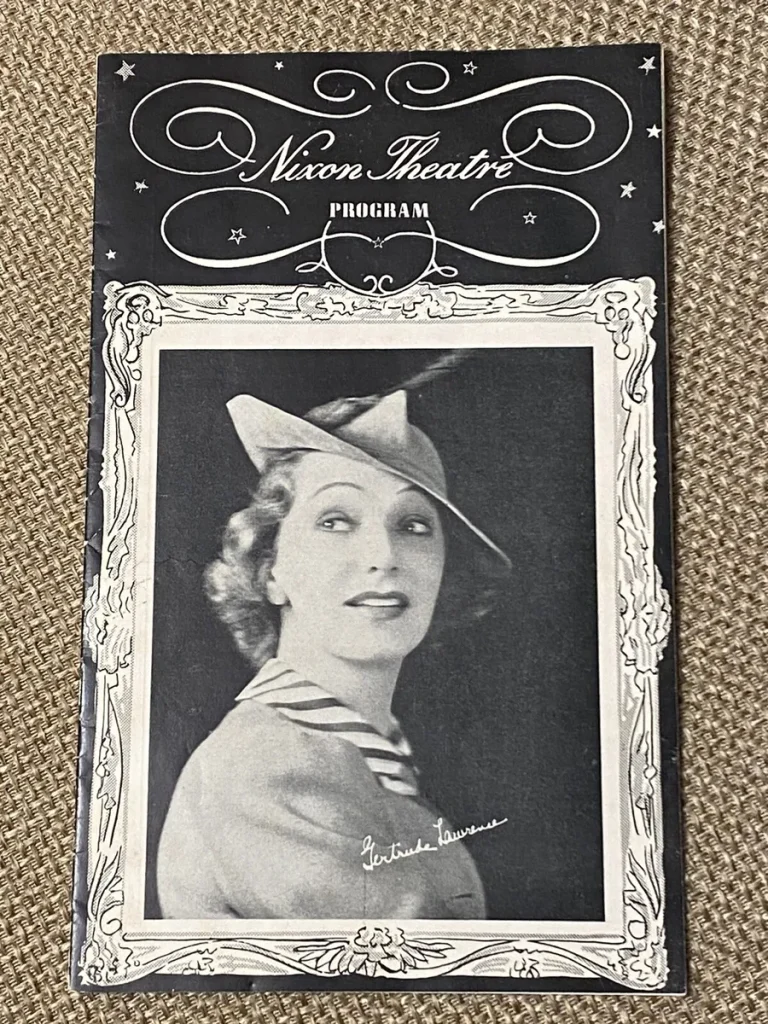
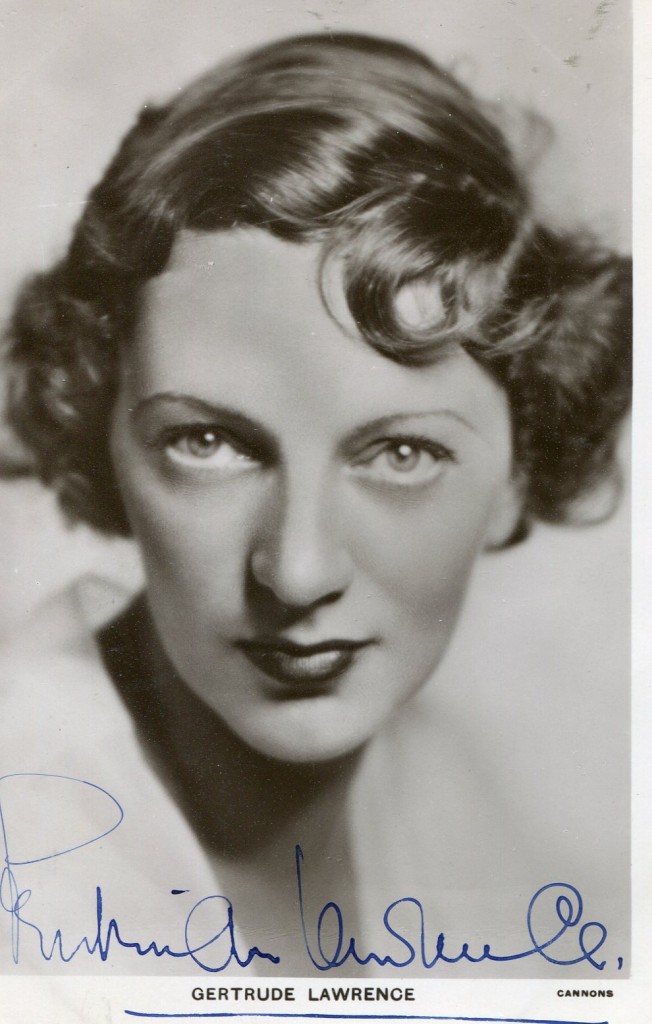
Gertrude Lawrence, original name Gertrud Alexandra Dagma Lawrence Klasen, (born July 4, 1898, London, Eng.—died Sept. 6, 1952, New York, N.Y., U.S.), English actress noted for her performances in Noël Coward’s sophisticated comedies and in musicals.
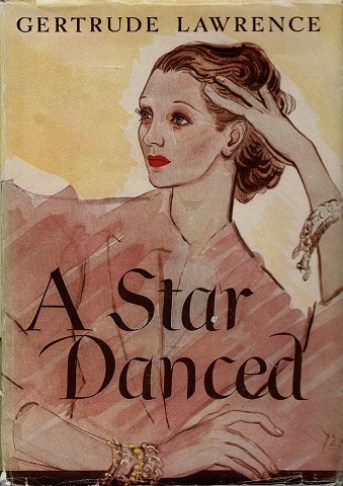
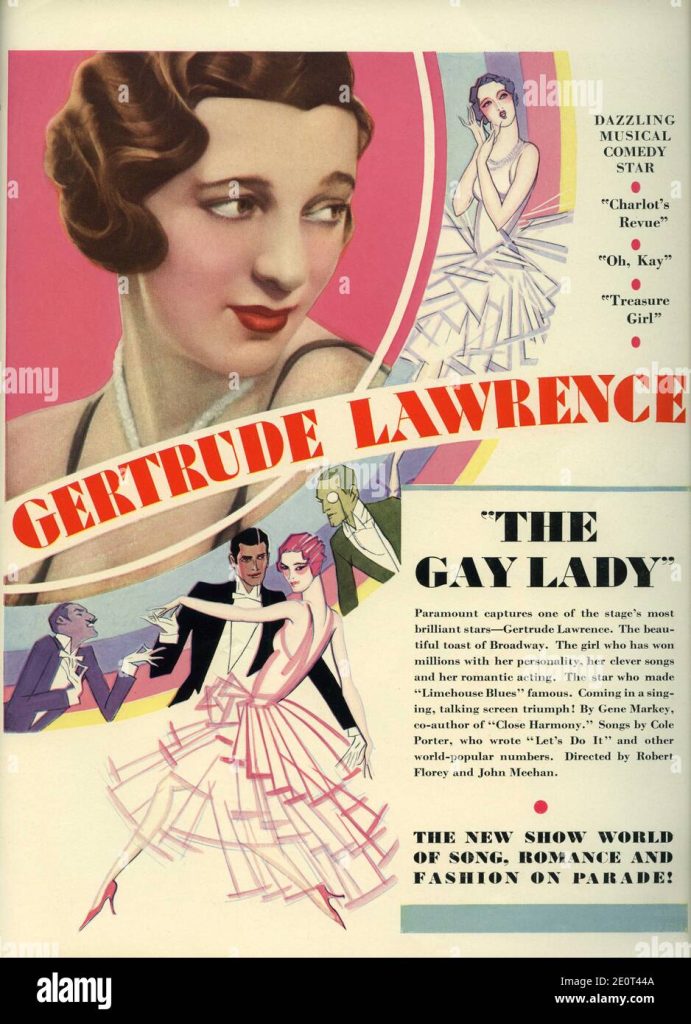
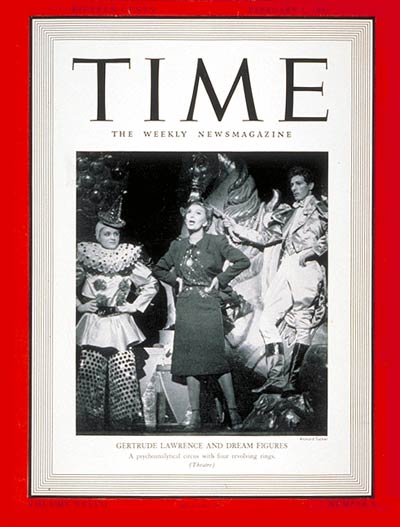
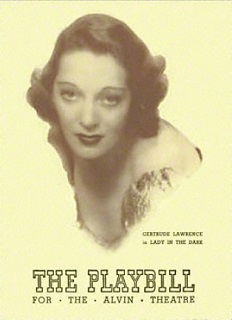
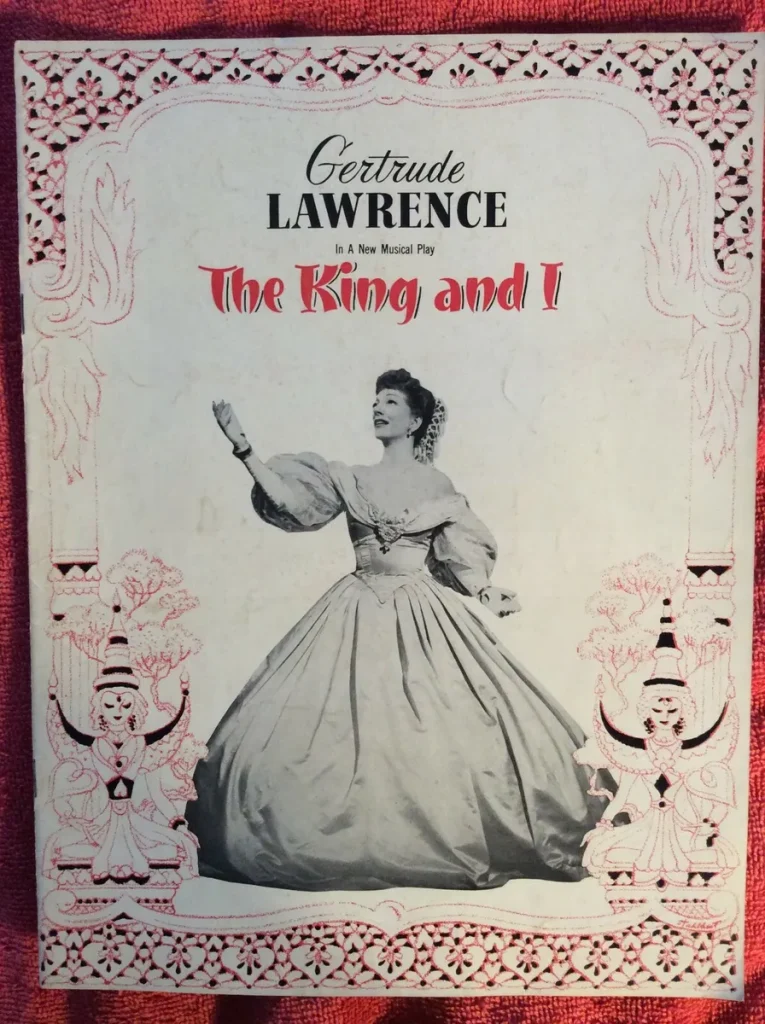
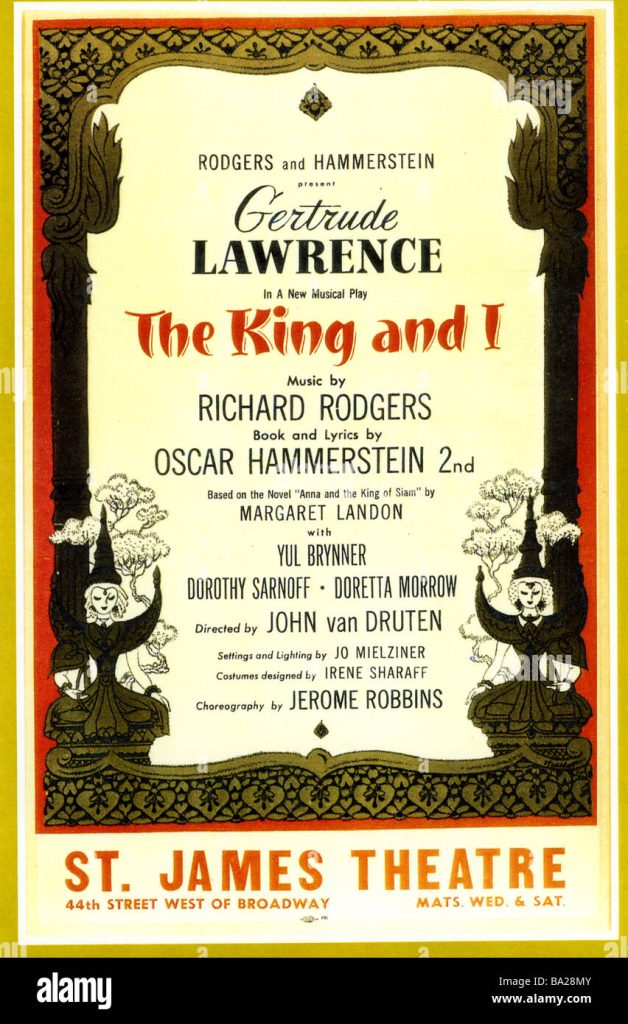
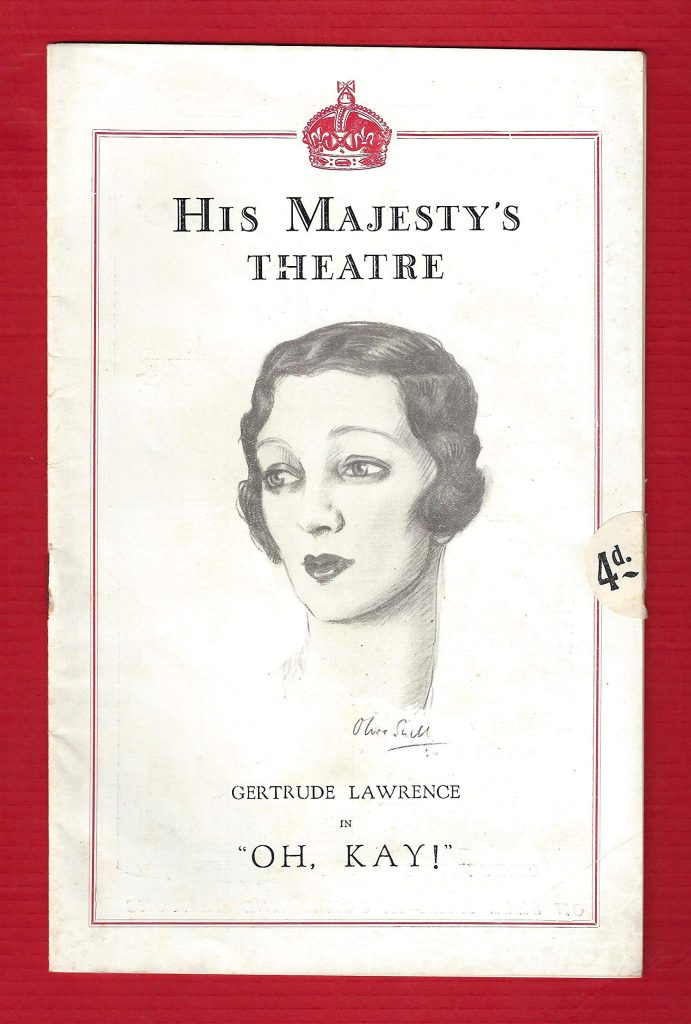
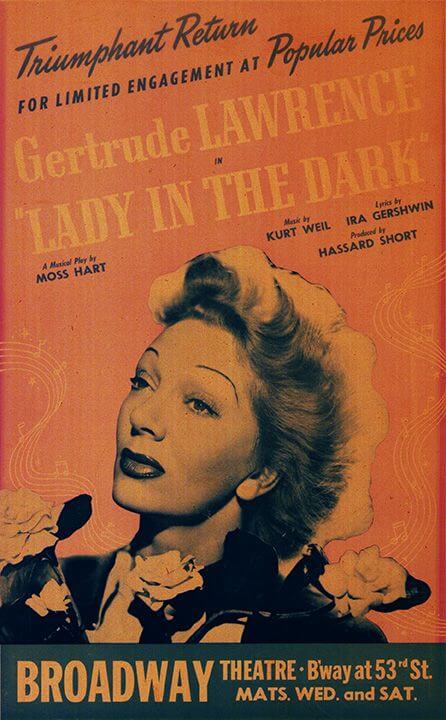
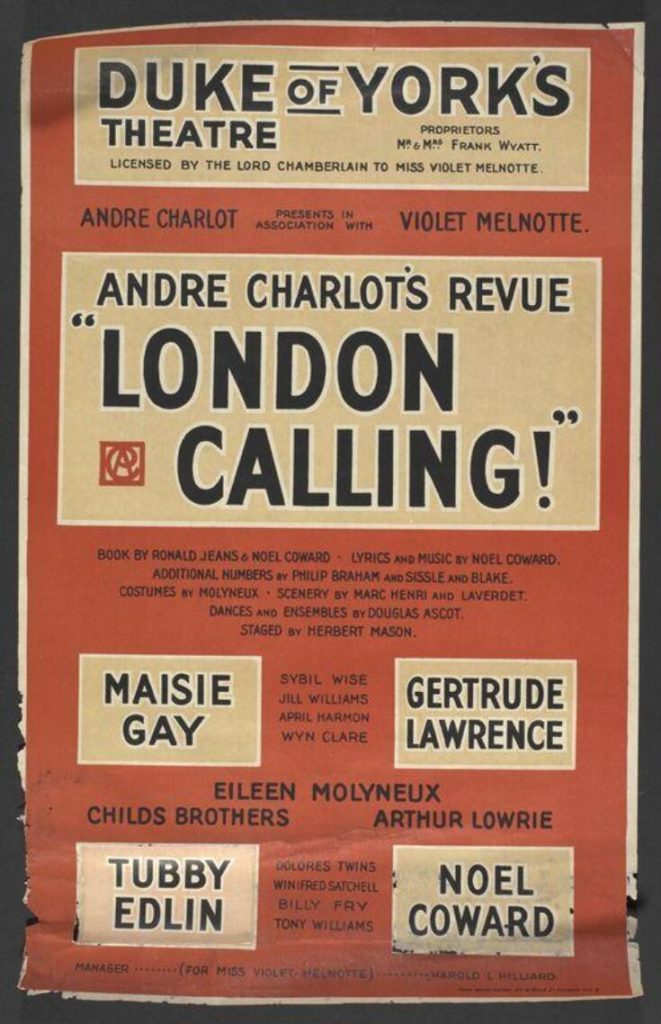
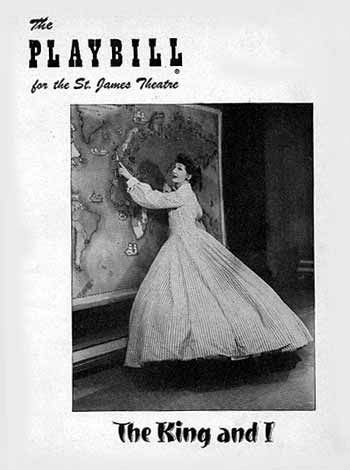
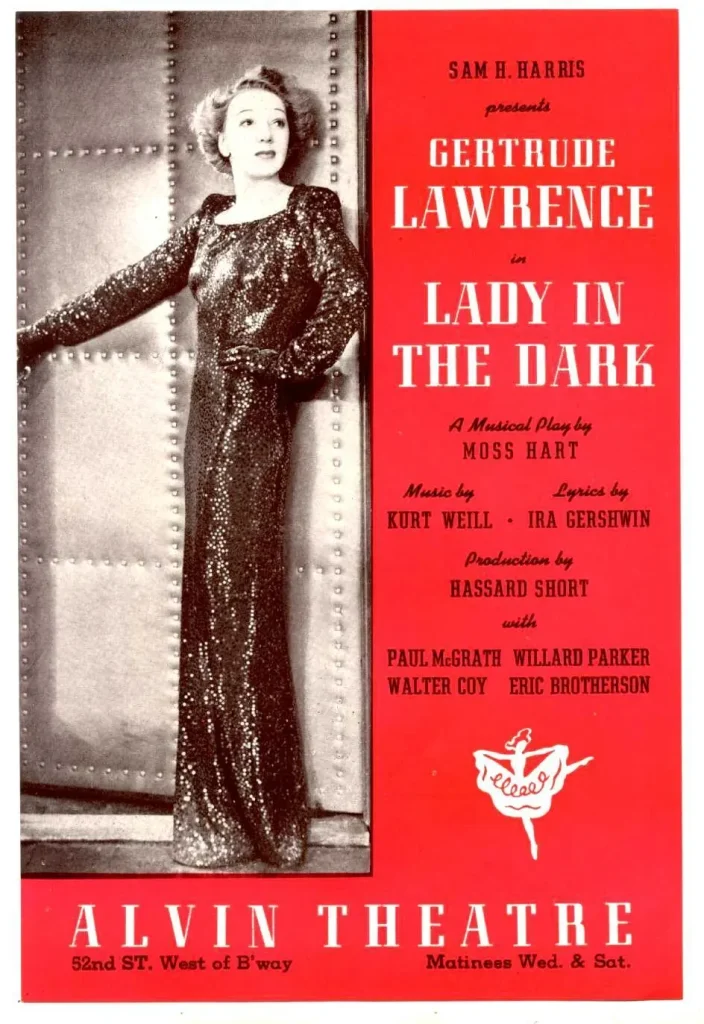
Lawrence was the daughter of music hall performers, and from an early age she was trained to follow their career. She made her stage debut in December 1908 in a pantomime Dick Whittington in Brixton. Subsequently she appeared in Babes in the Wood (1910) and other musicals and plays, and for a time she toured in minor revues. In 1916 she began appearing in André Charlot’s intimate revues in London, and two years later she stepped into the lead when Beatrice Lillie fell ill. She appeared with Coward, whom she had known for 10 years, in his London Calling (1923) and in January 1924 made her New York debut as one of the stars of Charlot’s Revue, with Lillie and Jack Buchanan. In 1926 she starred in George and Ira Gershwin’s Oh Kay!, which moved to London the next year, and in 1928 in their Treasure Girl. In the latter year she played her first straight dramatic role in Icebound in London. Lawrence’s greatest role was in Coward’s Private Lives, written with her in mind, in which she opened opposite the author at the Phoenix Theatre, London, in September 1930. Both the play and the stars set the tone that would characterize comedies of manners for a decade or more: sophistication, brittle wit, and chic. Perhaps Lawrence’s greatest triumph was as Liza Elliot in the Moss Hart–Kurt Weill musical Lady in the Dark (1941). Throughout her career, her singing and dancing, both accomplished but not exceptional, merely supported her compelling stage presence, what Coward called her “star quality.” On the strength of it she remained for a quarter-century one of the most popular stars on the American and British stages. She spent the years following her 1940 marriage to Richard Aldrich, an American producer, in the United States. In 1945 she published an autobiographyA Star Danced. In March 1951 she opened on Broadway in Rodgers and Hammerstein’s The King and I, during the run of which she died
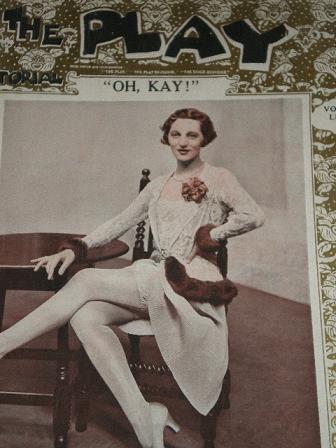
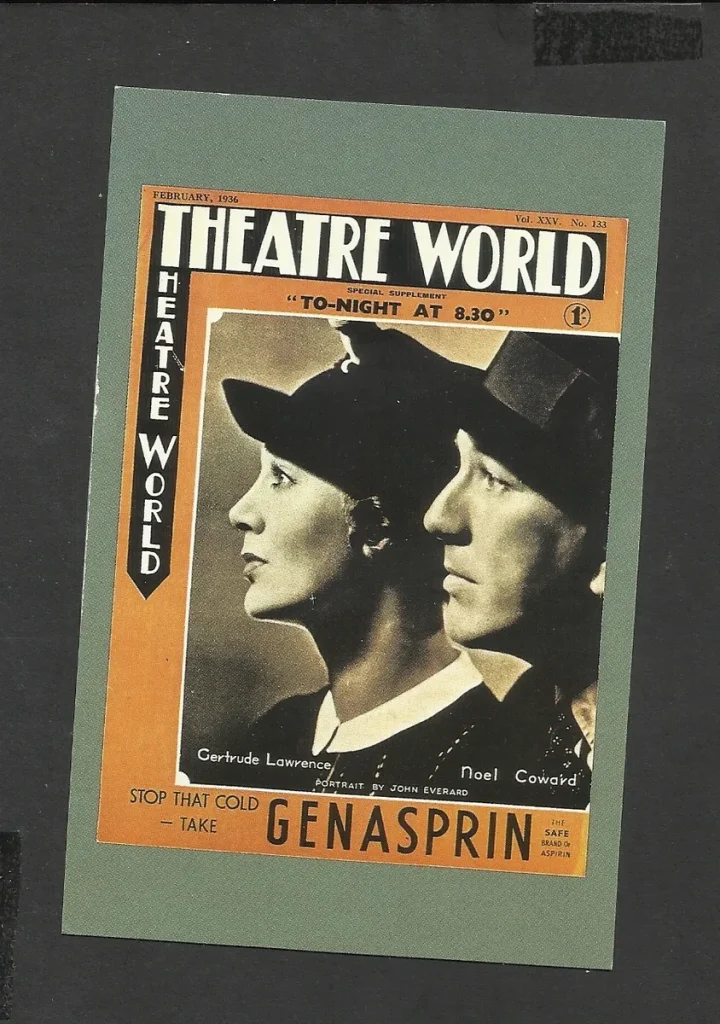
She discovered she had cancer during the early part of the stage run, and died the year after the show opened. One of her last requests was that Yul Brynner, her leading man in the show, be upgraded in the posters and playbills from below to above-the title billing, sharing star billing with whomever would play Anna in other performances.Frequently appeared on stage opposite childhood friend, Sir Noel Coward.

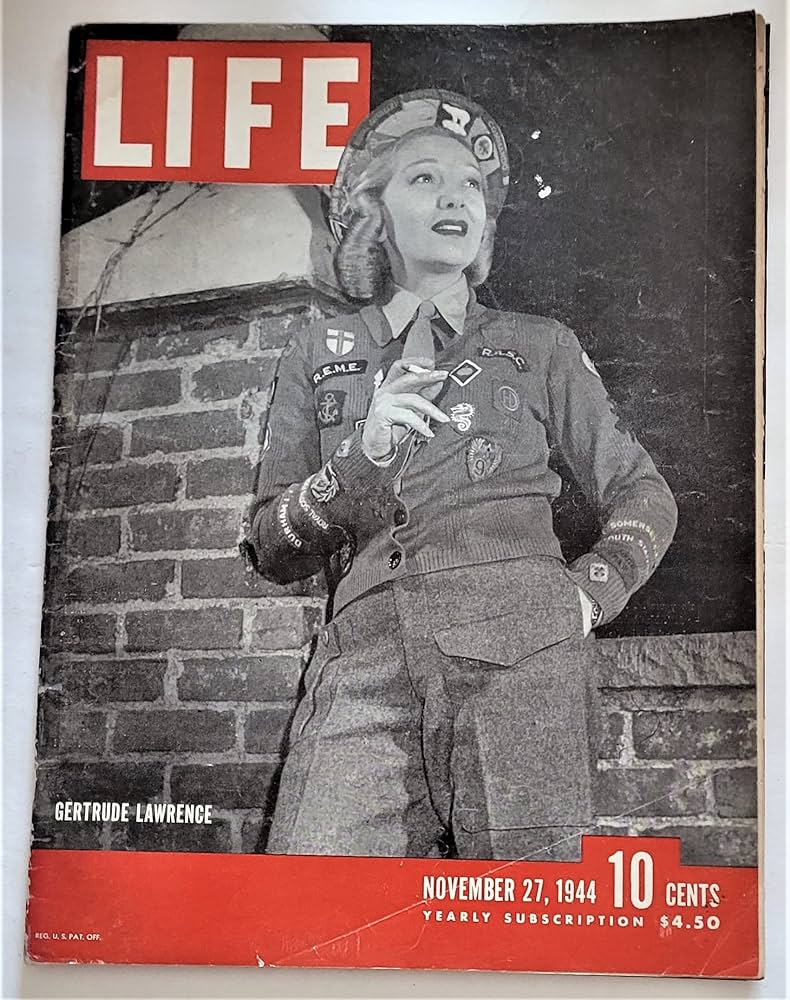
Entertained allied troops in Europe as part of ENSA during World War II.

Is buried in the pink satin hooped ball gown that she sang “Shall We Dance?” in from the Broadway production of “The King and I”.

Child from first marriage: daughter Pamela

Won Broadway’s 1952 Tony Award as Best Actress (Musical) for “The King and I.”

Biography in: “American National Biography”. Supplement 1, pp. 347-348. New York: Oxford University Press, 2002.

The character of Lorraine Sheldon in the Moss Hart / George S. Kaufman play “The Man Who Came to Dinner” (later filmed as The Man Who Came to Dinner (1942), was based on Lawrence.

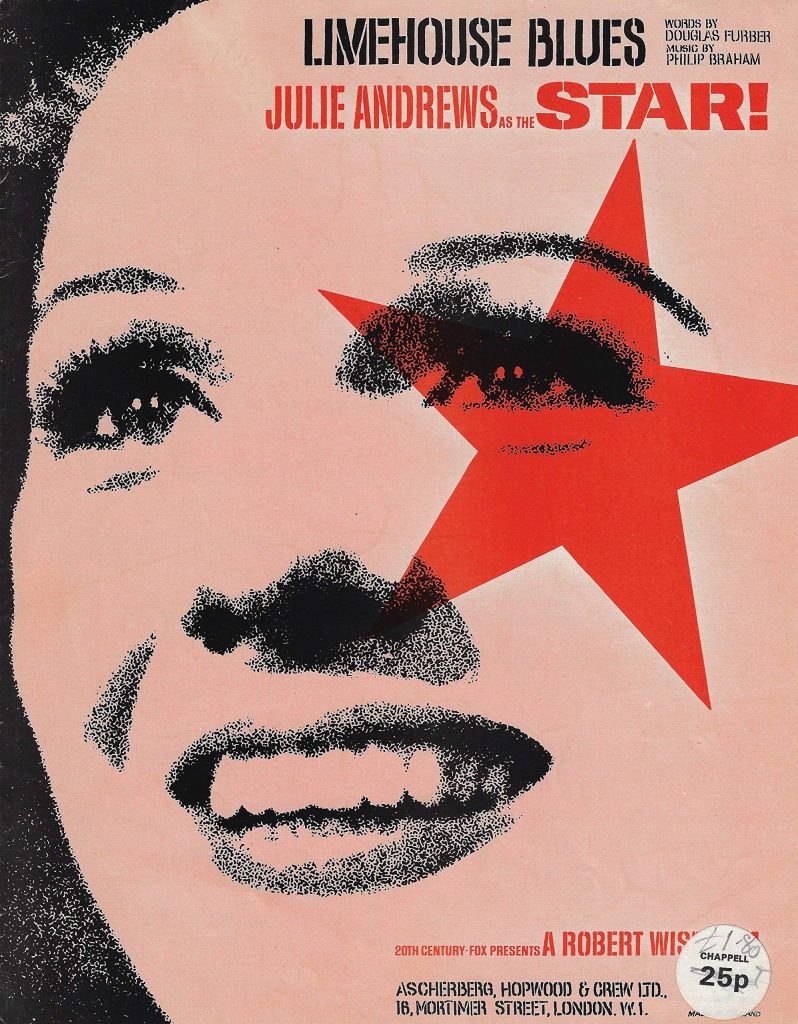
Portrayed by Julie Andrews in the 1968 biopic, Star! (1968).

Was considered for the role of Margo Channing in All About Eve (1950) after Claudette Colbert was forced to pull out of the project due to back injury. However the part was given to Bette Davis, who went on to receive a Best Actress Oscar nomination for her performance.

Of Danish-Irish ancestry, she started as a child dancer in the pantomime ‘Dick Whittington’ at the age of ten. Her first major success was in Andre Charlot’s Revue at the Times Square Theatre (1924-1925), co-starring Beatrice Lillie and Jack Buchanan
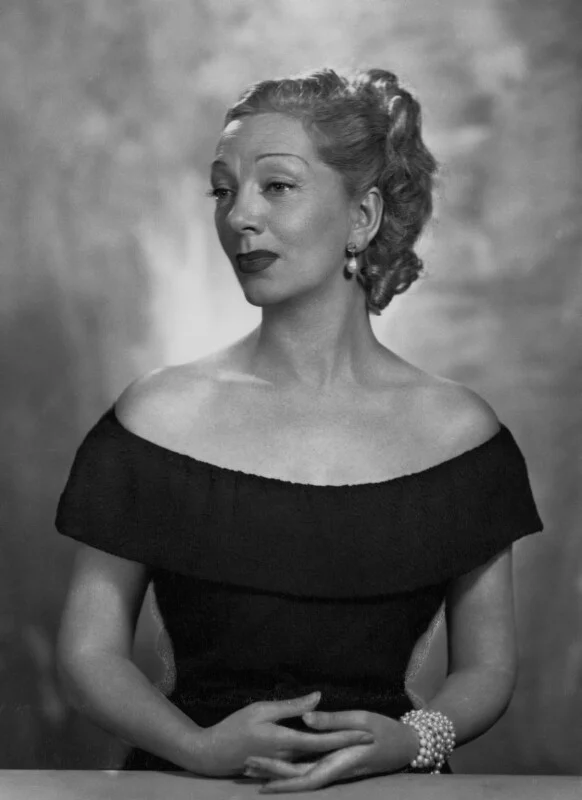
Gertrude Lawrence (1898–1952) was the definitive “star” of the interwar years—a performer of such luminous magnetism that she often transcended the material she was given. While she lacked the disciplined vocal range of an opera singer or the brooding gravity of a tragedienne, she possessed a “star quality” that defined the sophisticated, brittle, and sparkling world of Noël Coward’s London and Broadway.


Career Overview

Lawrence’s trajectory was a “rags-to-riches” saga, moving from the rough-and-tumble world of British music halls to the pinnacle of international glamour.

  • The Charlot Revues (1910s–1920s): After a childhood in suburban London and touring in “juvenile” troupes, she became the darling of André Charlot’s sophisticated revues. Alongside Beatrice Lillie and Jack Buchanan, she introduced a new, intimate style of musical comedy to London and New York.

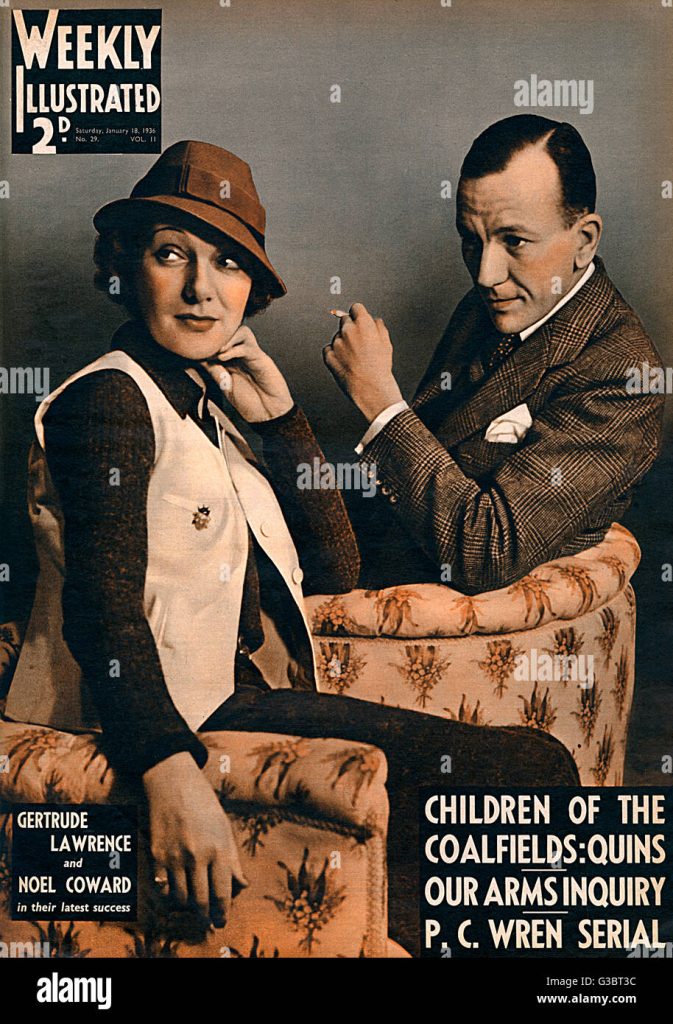
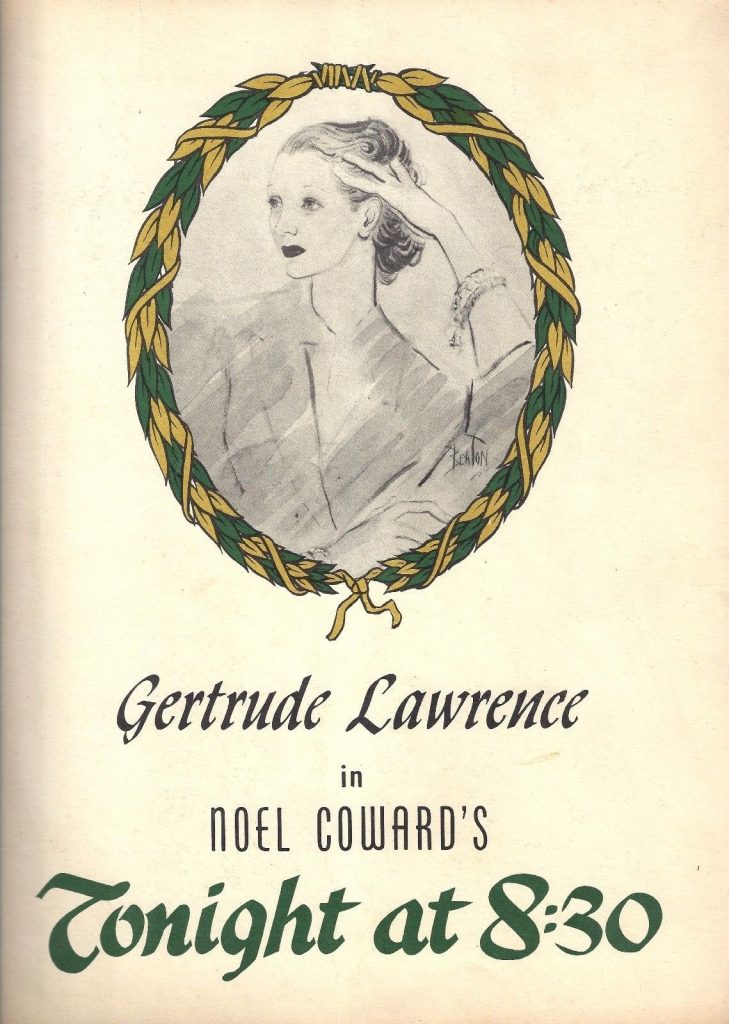
  • The Coward Partnership: Her creative soulmate was Noël Coward. Together, they defined an era of “clipped” British wit. Most famously, they starred in Private Lives (1930), a play Coward wrote specifically for her while traveling in Asia.

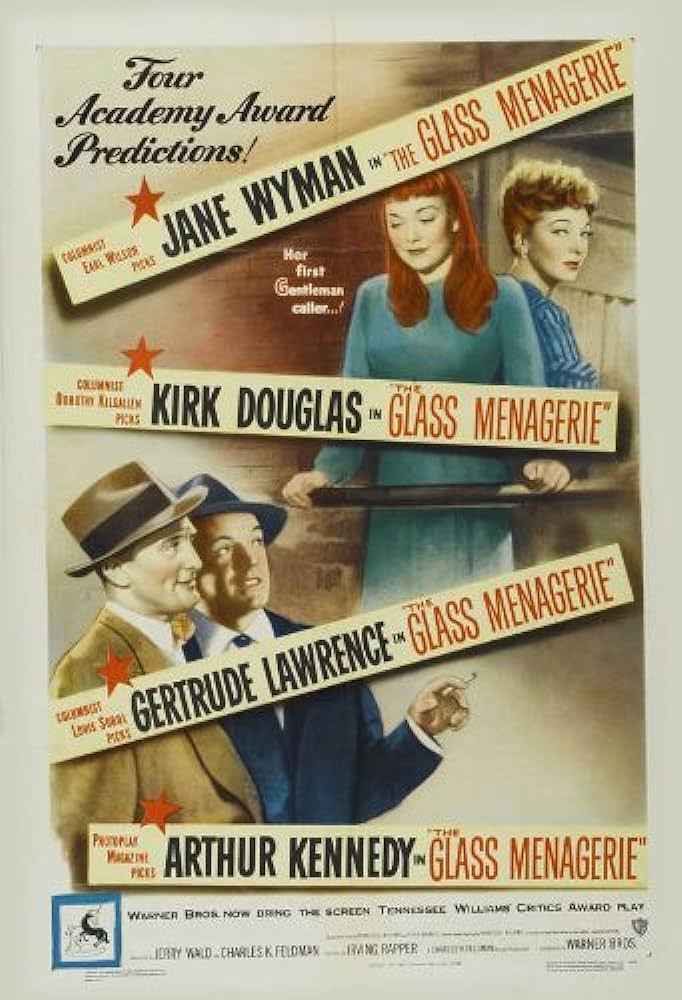
  • The Dramatic Shift: In the late 1930s and 40s, Lawrence proved she was more than a “revue girl.” She starred in Lady in the Dark (1941), a groundbreaking psychoanalytic musical by Moss Hart and Kurt Weill, and played Amanda Wingfield in the film version of The Glass Menagerie (1950).


  • The King and I (1951–1952): Her final triumph was originating the role of Anna Leonowens in Rodgers and Hammerstein’s The King and I. She won a Tony Award for the role but tragically died of liver cancer during the run, at the height of her powers.


Detailed Critical Analysis

1. The “Non-Singer” Who Reigned in Musicals

Critically, Lawrence is a fascinating study in personality over technique.

  • Vocal Character: Technically, Lawrence often sang “flat” or struggled with pitch. However, critics noted that she “sang with her heart.” She used her voice as an extension of her acting, imbuing lyrics with a conversational intimacy that made songs like “Someone to Watch Over Me” or “Someday I’ll Find You” iconic.


  • The Art of the “Sell”: She understood that in musical theater, the feeling of the song was more important than the notes. Her phrasing was jazz-like and unpredictable, making her a favorite of George Gershwin and Cole Porter.

2. The Coward “Chaff” and Brittle Sophistication

In the 1930s, Lawrence became the face of “The Bright Young Things.”

  • The Minimalist Comedienne: In Private Lives, she and Coward perfected a style of acting that relied on “the unspoken.” Their chemistry was built on shared rhythms, sharp silences, and a sense of weary, aristocratic boredom that masked deep passion.

  • Physicality of Grace: She was noted for her “line”—the way she wore clothes and moved across a stage. Critics often described her as “mercurial,” able to shift from a high-fashion pose to a moment of ribald clowning in a single beat.

3. The Vulnerability of the Legend

While she was the queen of sophisticated comedy, her later dramatic work revealed a surprising, almost raw vulnerability.

  • Lady in the Dark: Playing a fashion editor undergoing psychoanalysis, Lawrence had to navigate dream sequences that moved from glamorous to nightmarish. Critics praised her for showing the “cracks in the porcelain”—the anxiety and indecision beneath the high-powered exterior.


  • The Glass Menagerie Controversy: Her film turn as Amanda Wingfield remains polarizing. Some critics felt she was too glamorous for the role of a faded Southern belle, while others found her “theatricality” perfectly suited to Amanda’s delusions. It remains a rare, vital record of her dramatic range.

4. The “Working Class” Work Ethic

Despite her “Lady” persona, Lawrence was critically respected for her sheer professional stamina.

  • Institution of the Star: She understood the business of being Gertrude Lawrence. During WWII, she toured tirelessly for the troops, performing in muddy fields with the same “couture” energy she brought to the West End.


  • The “Anna” Legacy: Her performance in The King and I was a masterclass in aging gracefully on stage. She brought a Victorian starchiness to the role that provided the perfect friction for Yul Brynner’s raw King.


Major Awards & Notable Credits

Project Role Significance
Private Lives Amanda Prynne The definitive performance of 1930s “sophisticated” comedy.
Lady in the Dark Liza Elliott A landmark in the “psychological musical” genre.
The King and I Anna Leonowens Her final role; won the Tony Award for Best Actress in a Musical.
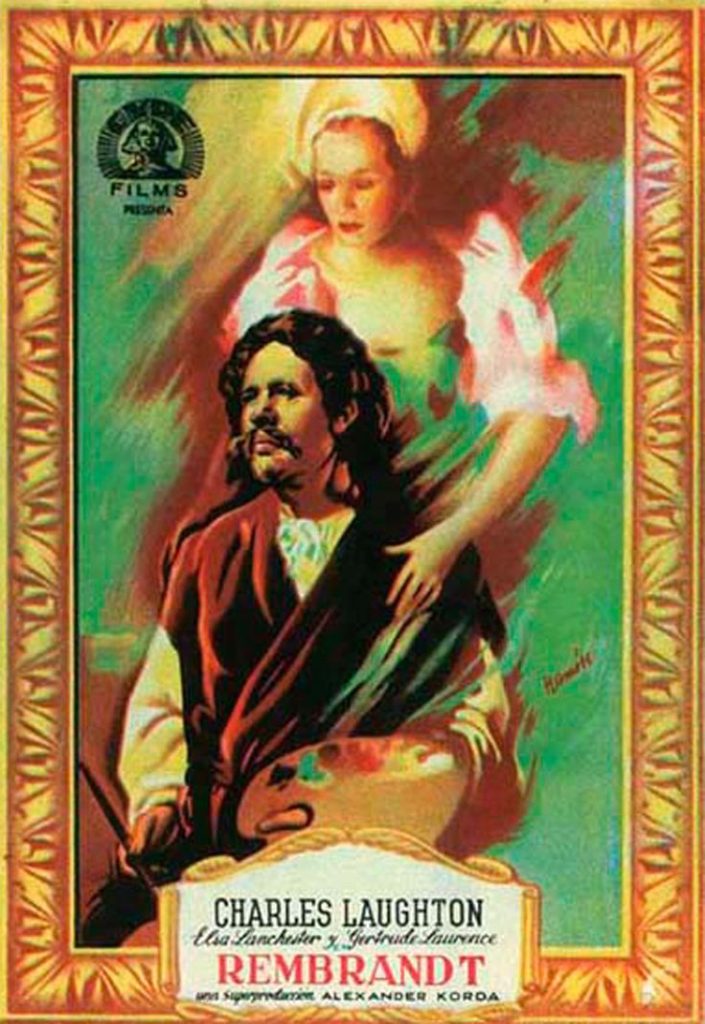
Rembrandt (1936) Geertje Dircx A rare, gritty dramatic film role opposite Charles Laughton.

Leave a Reply

Your email address will not be published. Required fields are marked *