

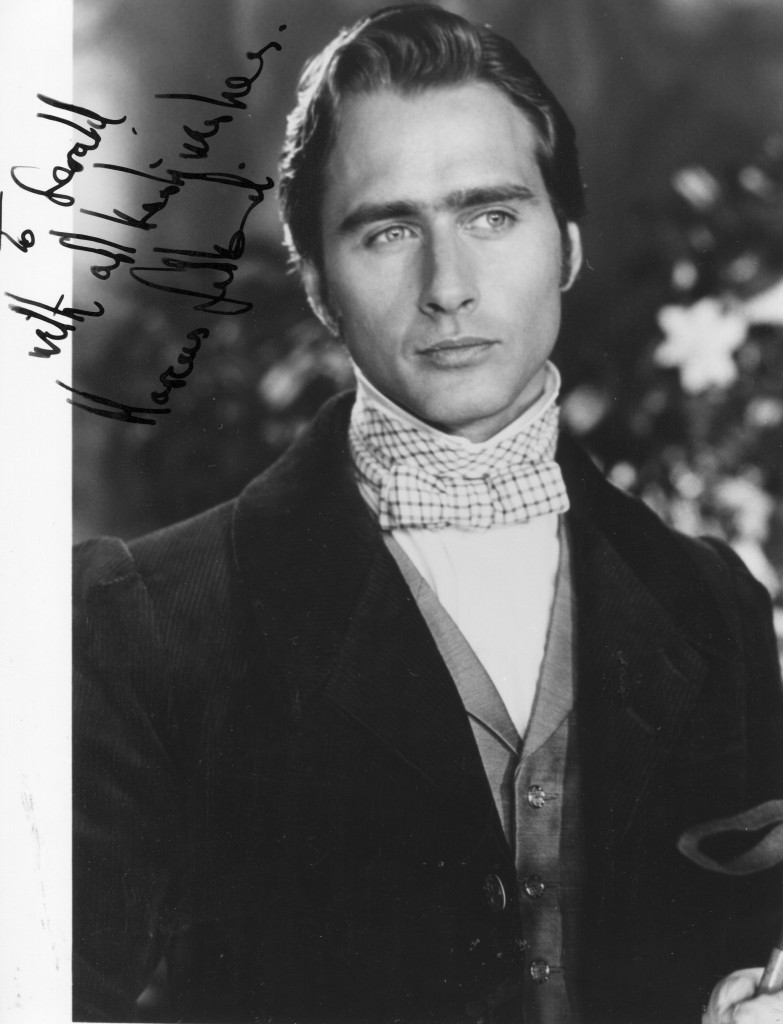
Marcus Gilbert was born in 1958 in London. he starred in “Riders” with Michael Praed and “A Ghost in Monte Carlo” in 1990. He died in 2026.
IMDB entry:
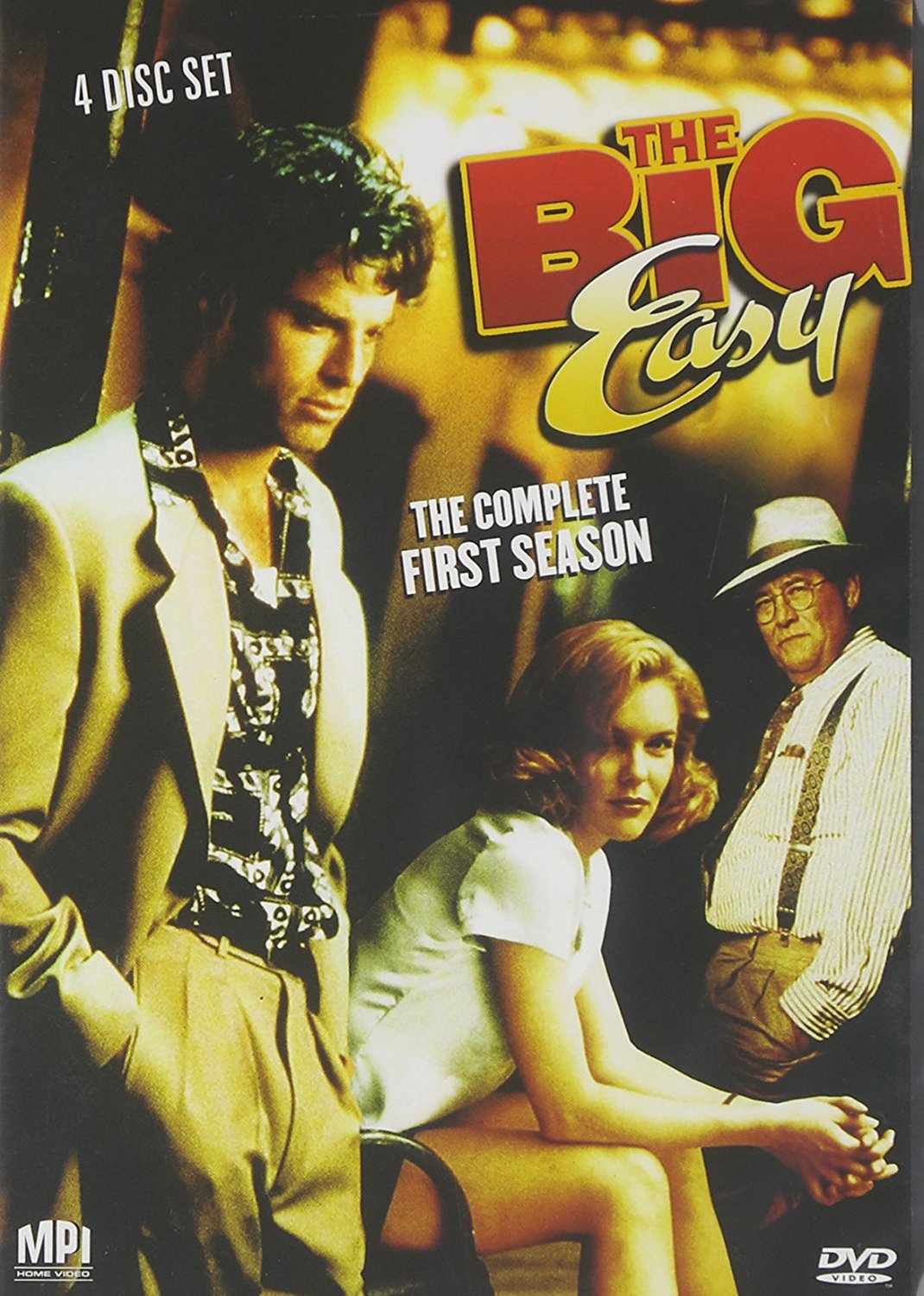
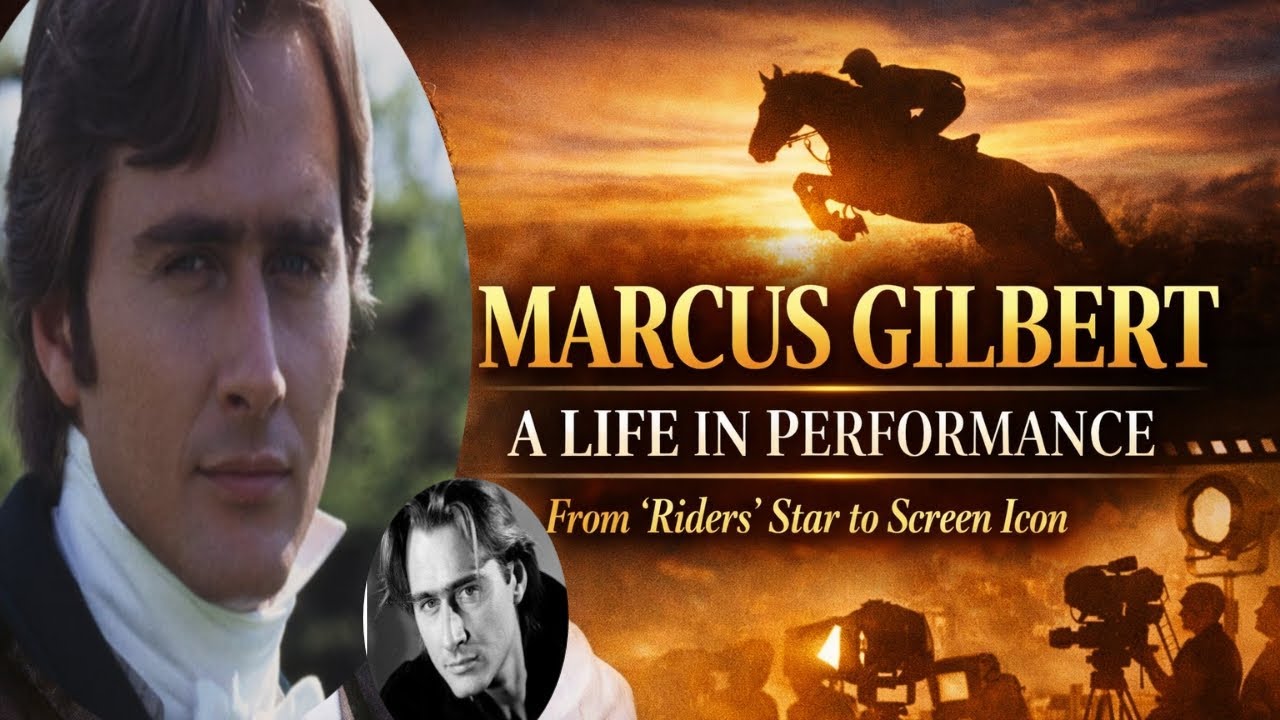
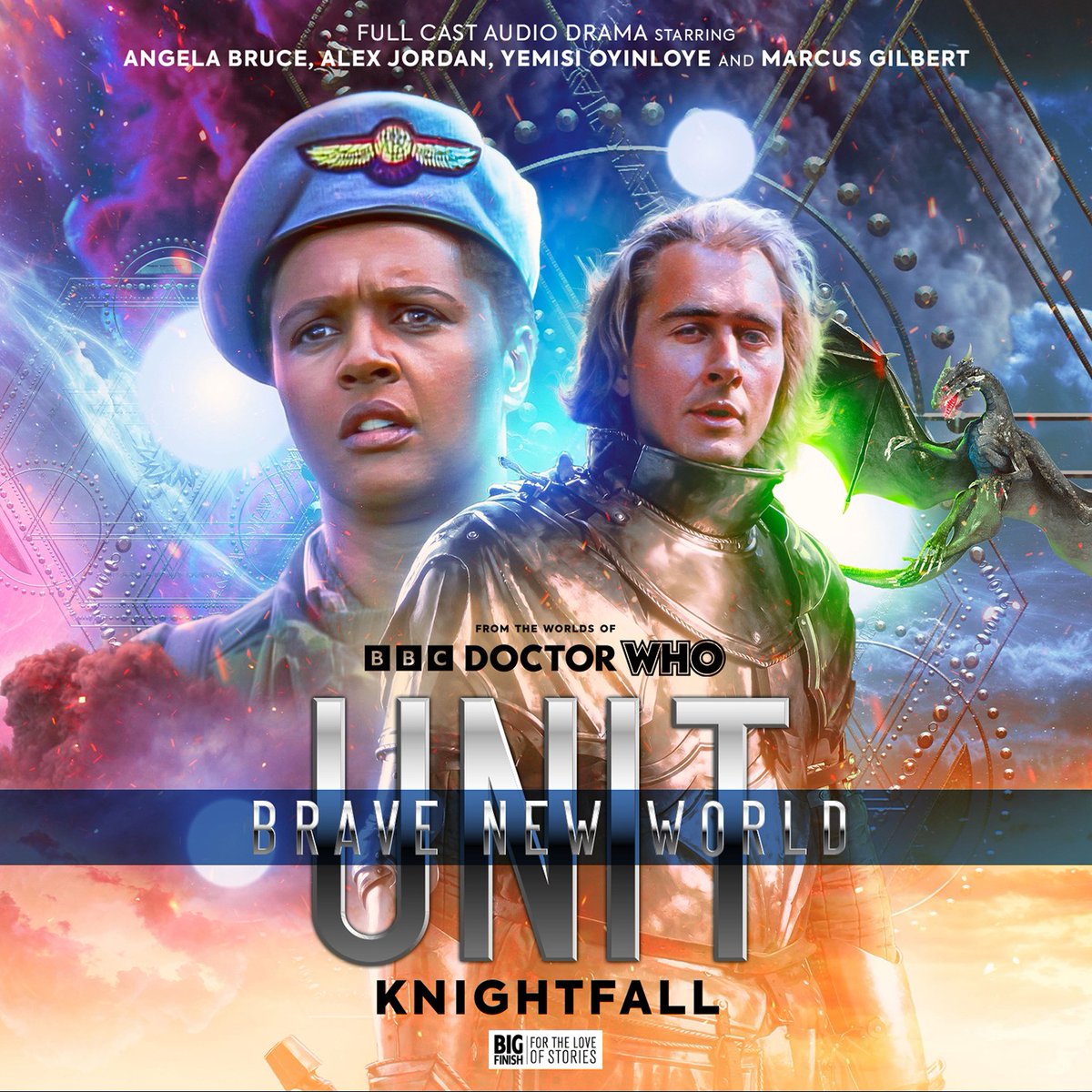
The guardian obituary in 2026
The actor Marcus Gilbert, who has died of throat cancer aged 67, attained sex-symbol status in two television adaptations of Barbara Cartland novels, and then the raunchy drama Riders, based on Jilly Cooper’s Rutshire Chronicles series of books.
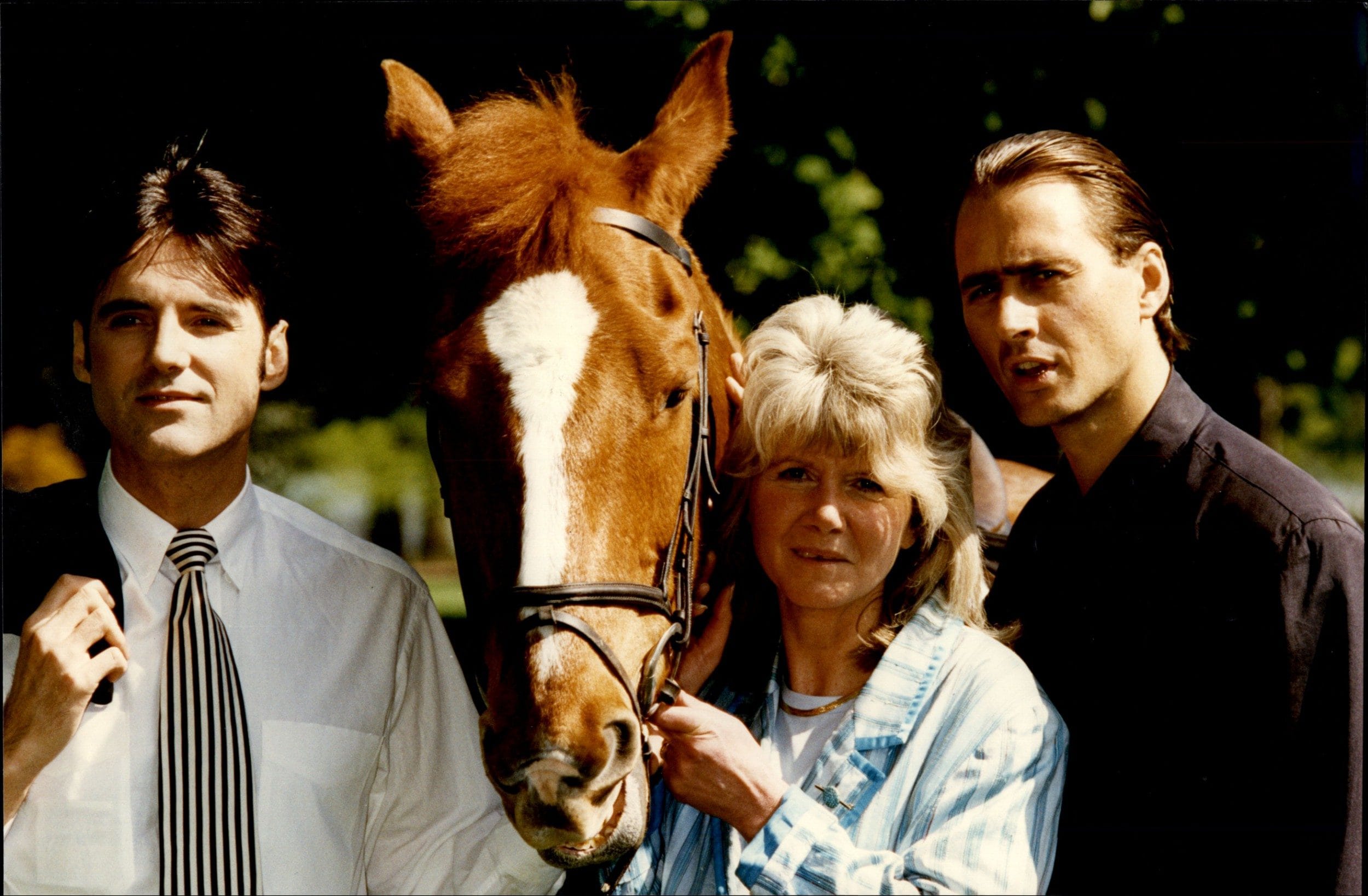
As the bed-hopping Rupert Campbell-Black in Riders (1993), and featuring in around 20 candid sex scenes in the mini-series, Gilbert was portraying a cad very different from the dashing heroes of Cartland’s hearts-and-flowers stories. The character was a ruthless rival in both the equestrian and romantic stakes to Jake Lovell (played by Michael Praed), Rupert’s fellow showjumper and the boarding school contemporary he bullied.
Rupert Campbell-Black came right out of the county set encountered by Cooper following her move to the Cotswolds. She said he was a mixture of Andrew Parker Bowles, the fashion designer Rupert Lycett Green, Michael Howard (the 21st Earl of Suffolk), and David Somerset (the 11th Duke of Beaufort) – but stressed that “his shittiness was entirely my invention”.
To prepare for the part, Gilbert lost half a stone, dyed his hair blond and, with Praed, was taught to ride a horse at Knightsbridge barracks by the Household Cavalry instructor Richard Waygood. His performance brought him fame that included a lucrative four-year contract in 1993 for Nescafé commercials, when he and Louise Hunt appeared in Gold Blend ads, taking over from Anthony Head and Sharon Maughan
But Cooper later described the Riders production as “dreadful” and regarded Rupert as portrayed by Gilbert as a “total wimp”. It also failed to bring Gilbert long-lasting stardom and he increasingly spent time making corporate travel and adventure documentaries with his own production company.
He was born in Bristol to Sheila (nee Lucas), a mezzo soprano opera singer, and George, a business executive, and grew up in Shoreham, West Sussex. When Marcus was 12, his father and maternal grandparents died in a car crash on the way to see his mother performing. Marcus, the only one in the vehicle to survive the accident, was admitted to intensive care with a cracked skull and broken ribs. “I was lost and didn’t really know what to do,” he said in a 2016 interview with the actor-writer Toby Hadoke. After leaving Steyning grammar school with A-levels, he passed an HND course in business studies “for my father”. Not enjoying it, he decided to perform, like his mother, and trained as an actor at Mountview Academy of Theatre Arts in London.
On graduating in 1981, he toured schools with the Odyssey theatre company before gaining repertory experience in Dundee with productions such as Cabaret, For King and Country and What the Butler Saw (all 1982).
Television brought him small roles in Diana (1984), Andrew Davies’s adaptation of the RF Delderfield novel about a class-mismatch romance; the US drama Master of the Game (1984), based on Sidney Sheldon’s novel; and Robin of Sherwood (also in 1984), alongside Praed, as Lucifer.
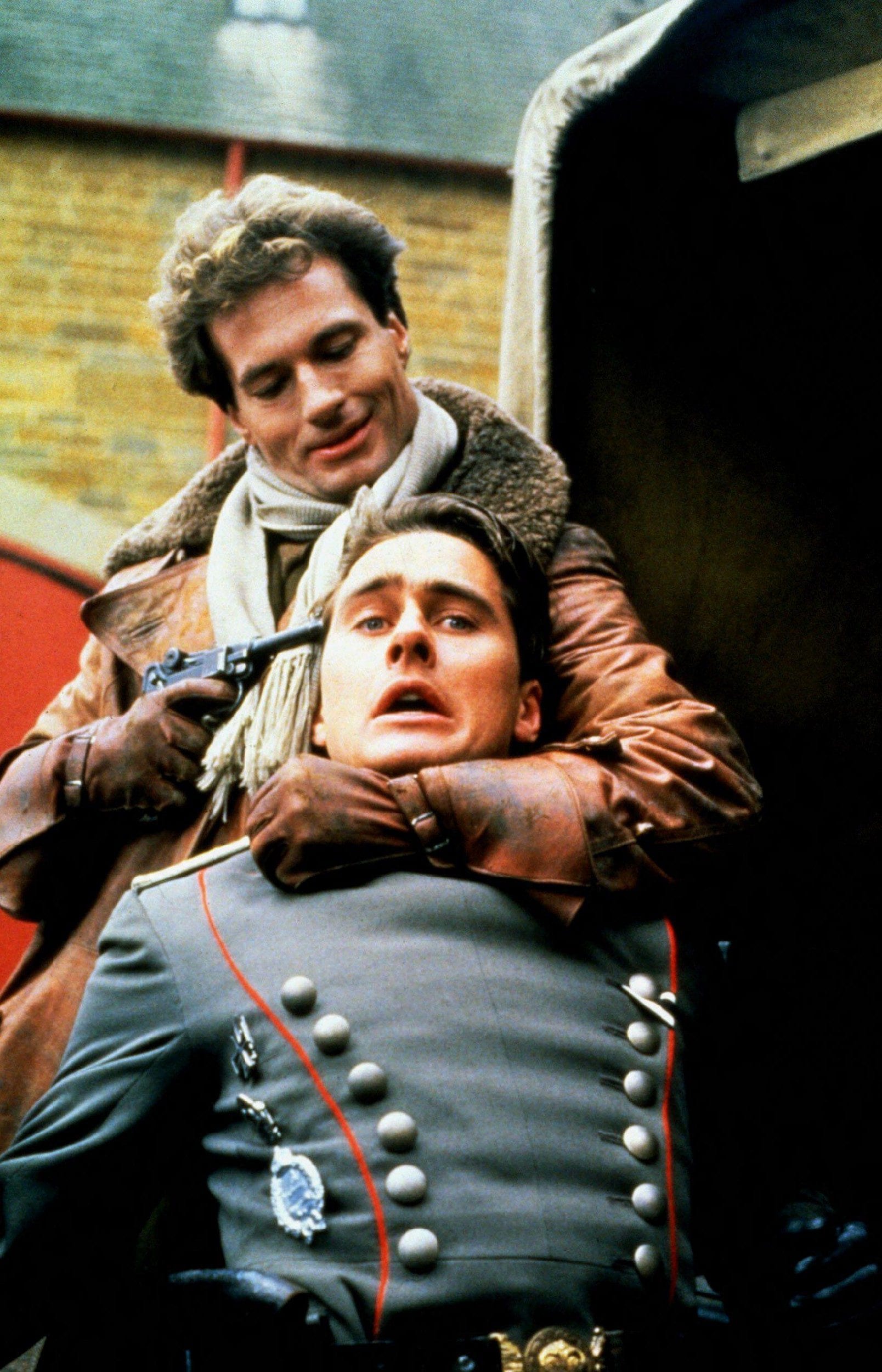
He worked his way up the cast lists to play the German diplomat Anton von Felseck in the Sherlock Holmes story The Masks of Death (1984) and Eric von Stalhein, the arch enemy of WE Johns’s flying hero, in Biggles (1986).
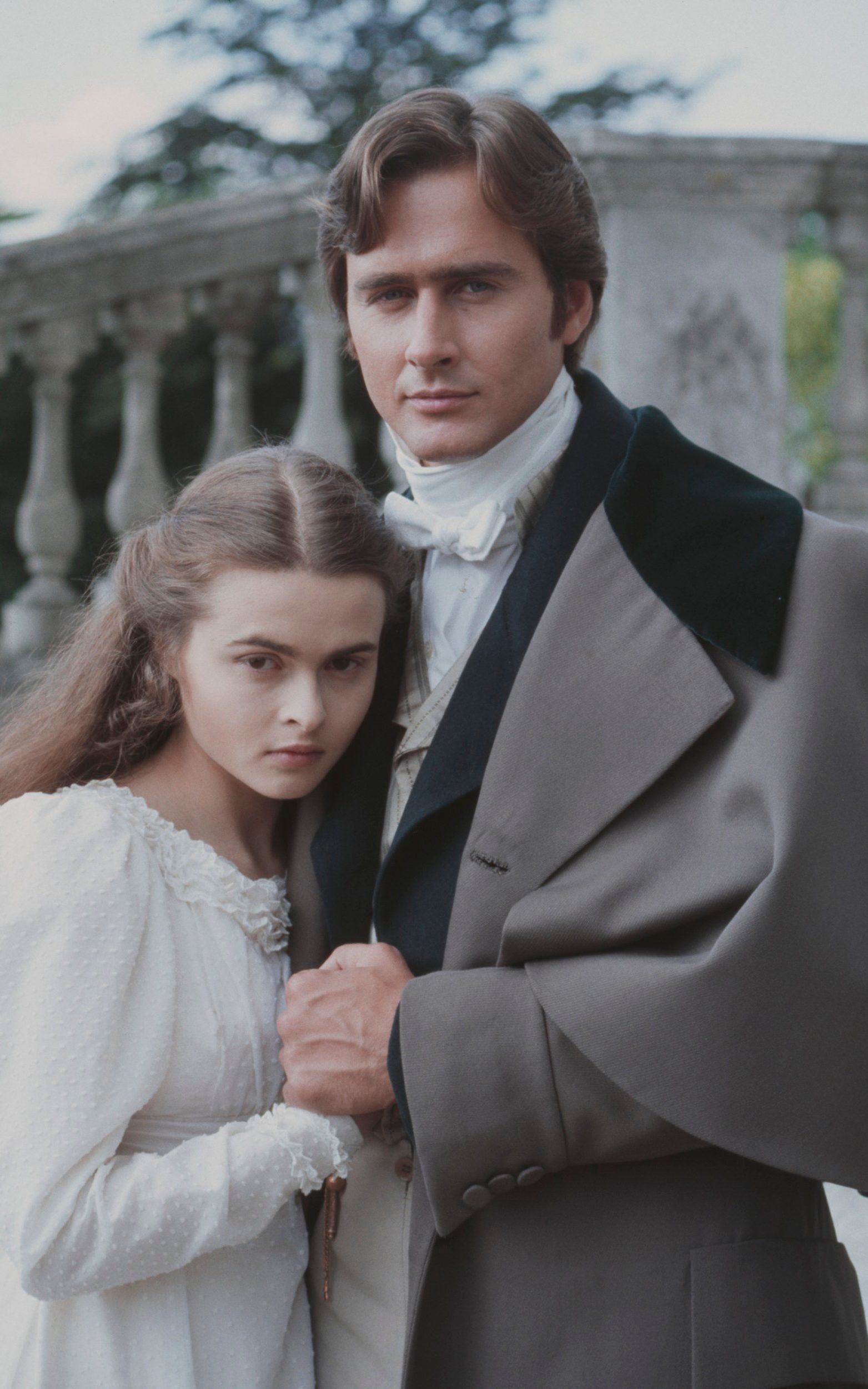
At the same time, Gilbert said, he was “in the frame” to play James Bond on screen, but lost out to Timothy Dalton in 1986. Nevertheless he was being noticed, and landed a starring role in A Hazard of Hearts, a 1987 television film adaptation of a Cartland novel. He acted the ruthless Lord Justin Vulcan, who sets his sights on the aristocratic Serena (played by Helena Bonham Carter) after her father gambles away the family fortune, forfeiting her dowry. “The sexiest thing that happens in this is a kiss, although a Barbara Cartland kiss is incredibly suggestive,” he said
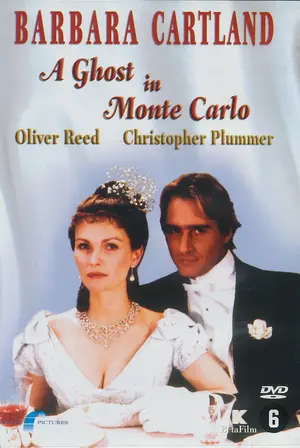
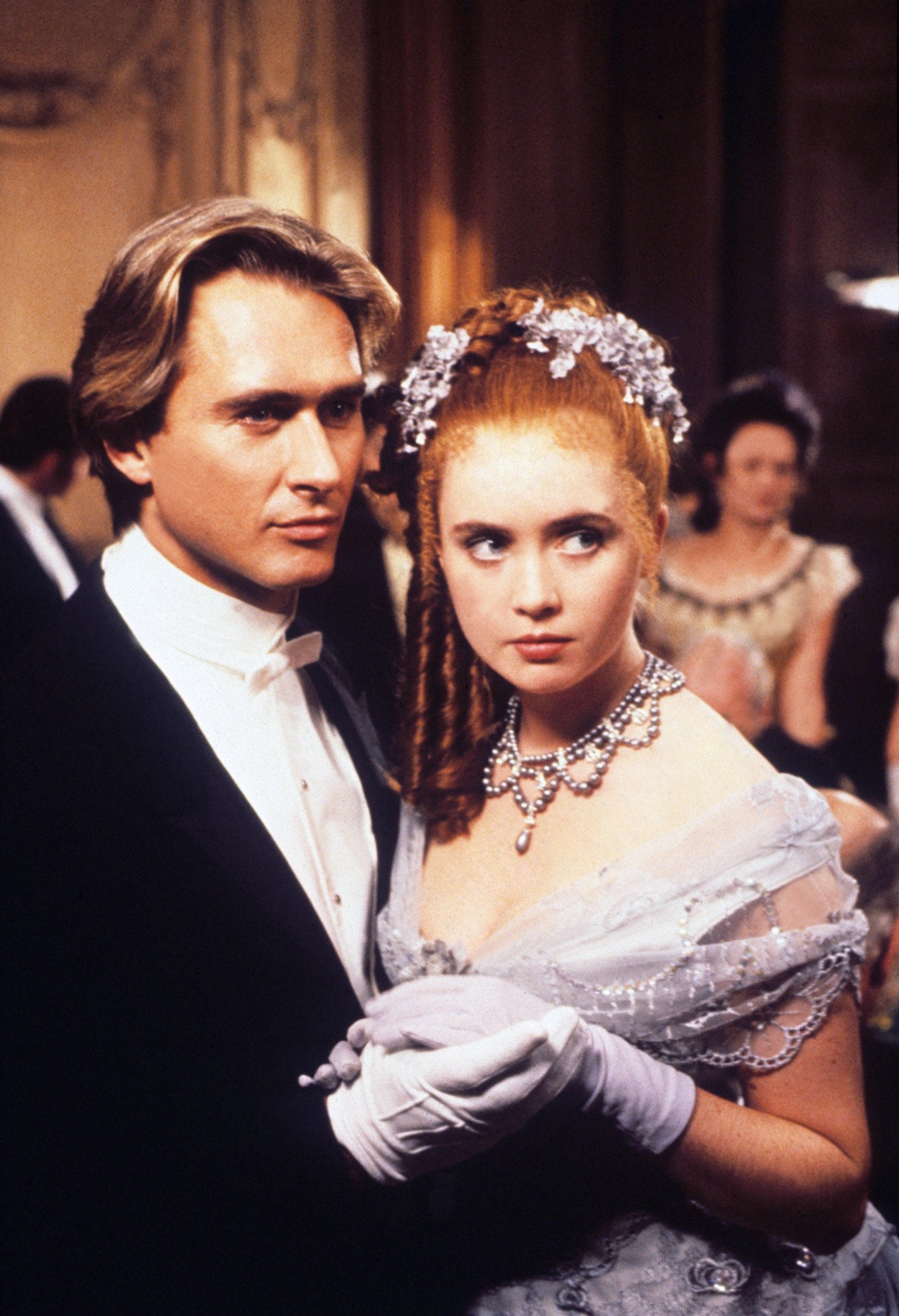
There was also a kiss with Lysette Anthony – playing an 18-year-old orphan launched into high society – when Gilbert starred as Lord Robert Stanford in A Ghost in Monte Carlo (1990), adapted from another Cartland novel. The pair had a brief off-screen relationship before Gilbert’s marriage to Homaa Khan in 1992. In 2023, three years after his wife’s death from pancreatic cancer, he renewed his relationship with Anthony.
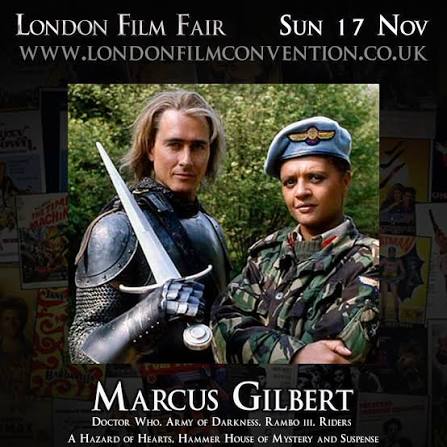
Gilbert’s career in films included acting baddies in Rambo III (1988), alongside Sylvester Stallone, and Army of Darkness (1992), the third in the Evil Dead series, and on TV he played Ancelyn, knight commander of the late King Arthur’s forces, in the 1989 Doctor Who adventure Battlefield.
After Riders brought him fame, Gilbert landed only guest roles on television, in the US in Murder, She Wrote (1994) and The Lazarus Man (1996), and in the UK in Jonathan Creek (1998) and Doctors (2001). He also played the young Viscount Goring in the Oscar Wilde play An Ideal Husband on a theatre tour in 2000, but parts soon dried up.
As a result he formed Touch the Sky Productions to make corporate documentaries and travelogues such as Kilimanjaro: Six Days (2005), after his ascent of Africa’s highest mountain; Two Men & a Map (2007), about Peru; and Kathmandu: Transitions & Traditions (2018).
Anthony survives him, along with a son, Maxi, and daughter, Aaliya, from his marriage.
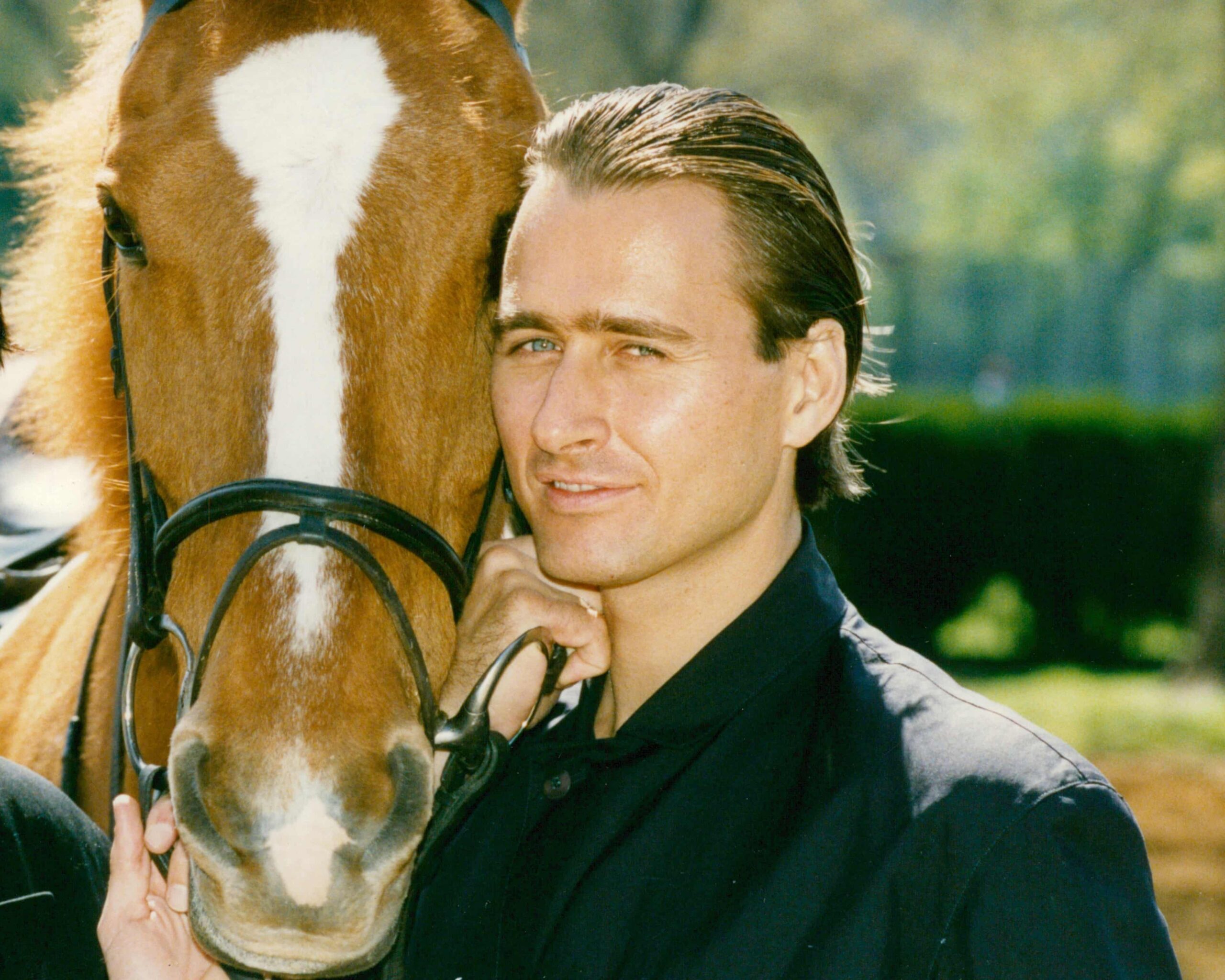
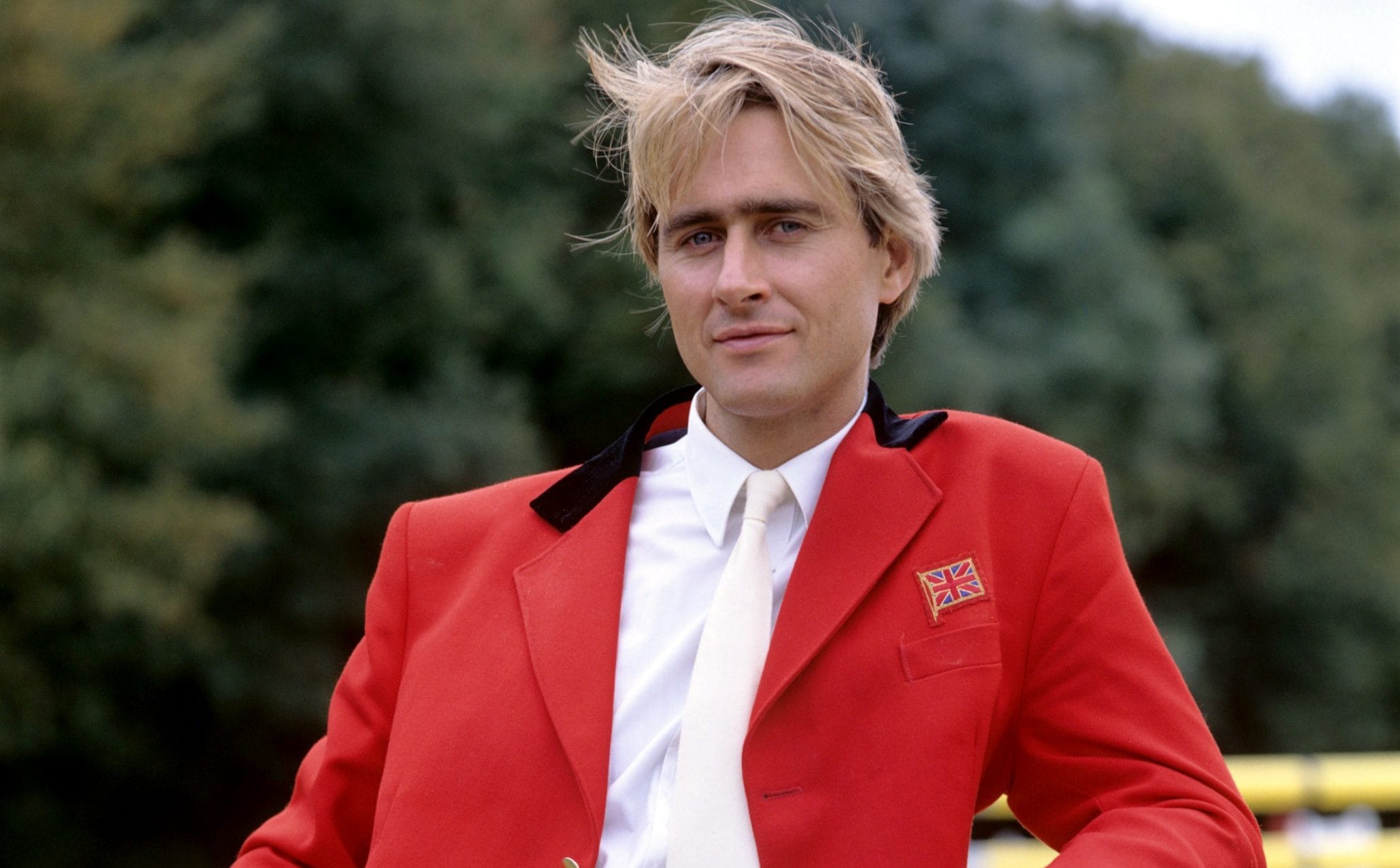
Marcus Gilbert (born 1958 and died in 2026) is a British actor whose career represents the peak of the “Romantic Hero” archetype in 1980s and 1990s television and film. Often cast for his classical good looks and athletic prowess, Gilbert’s work is a study in how an actor can navigate the transition from “period piece” heartthrob to a versatile character actor in both mainstream Hollywood and international theater.
Career Overview: The Classical Leading Man
1. The Breakthrough: Romanticism and Royalty (1980s)
After training at the Mountview Academy of Theatre Arts, Gilbert quickly became a favorite of director Barbara Cartland and the “period drama” circuit.
-
The Barbara Cartland Films: He starred in high-profile adaptations like A Hazard of Hearts (1987) as Lord Nicholas Vane and A Ghost in Monte Carlo (1990). In these roles, he defined the “brooding but soulful” aristocrat for a global audience.
-
The Big Screen Debut: He made a significant impact in Biggles: Adventures in Time (1986) as the iconic WWI pilot James “Biggles” Bigglesworth. The film combined contemporary sci-fi with period war drama, showcasing Gilbert’s ability to anchor a franchise-style lead.
2. Hollywood and the “Villainous” Turn (1990s)
In the 1990s, Gilbert moved toward more complex and sometimes antagonistic roles in major Hollywood productions.
-
Army of Darkness (1992): In Sam Raimi’s cult classic, Gilbert played Lord Arthur. He provided the perfect “straight man” foil to Bruce Campbell’s manic Ash, playing the medieval knight with a rigid, deadpan sincerity that heightened the film’s comedy.
-
Rambo III (1988): As Tomask, he participated in one of the decade’s biggest action spectacles, proving his capability in high-octane, physical roles alongside Sylvester Stallone.
3. The Documentary and Stage Era (2000s–Present)
Gilbert’s later career has seen him diversify into documentary filmmaking and a return to his roots in the theater. He founded his own production company, Touch the Sky Productions, through which he filmed his ascent of Mount Kilimanjaro. He remains a respected figure in the UK acting community, often taking on roles that subvert his earlier “pretty boy” image.
Detailed Critical Analysis
1. The Architecture of the “Stiff Upper Lip”
Critically, Marcus Gilbert was the 1980s answer to the classical British leading man.
-
The Stoic Romantic: Unlike the more emotive romantic leads of today, Gilbert’s style was built on restraint. In his period roles, he used a “stony exterior” to suggest deep internal conflict. Critics often noted that he could convey more with a deliberate silence or a steady gaze than with a page of dialogue.
-
Physicality: Because of his background as a horseman and athlete, his performances in Biggles and The Lazarus Child felt grounded. He didn’t just “wear” a uniform; he moved with the posture of a man trained in the era he was portraying.
2. The Comedy of the “Straight Man”
His performance in Army of Darkness is a masterclass in understated comedic timing.
-
The Foil: By playing Lord Arthur with absolute, Shakespearean gravity, he allowed the absurdity of Ash’s “chainsaw-arm” antics to land. Critics have since identified Gilbert as an essential ingredient in that film’s cult success; without his believable, gritty portrayal of a medieval warlord, the fantasy elements would have lacked a necessary anchor.
3. Navigating the “Heartthrob” Trap
The critical challenge of Gilbert’s career was the risk of being permanently “boxed in” by his aesthetics.
-
Subverting the Image: In his television guest spots (such as Doctor Who “Ghost Light” or The Master Builder), he often chose characters with a darker edge or a hidden instability. This allowed him to bridge the gap between being a “poster boy” for romantic novels and a serious dramatic actor.
-
Auteur Appeal: He was frequently sought out by directors who needed “instant authority”—an actor who could step onto a set and immediately command the room as a king, a pilot, or a high-ranking officer.
Iconic Role Comparison
| Character | Work | Genre | Key Critical Element |
| Lord Nicholas Vane | A Hazard of Hearts | Romantic Drama | The definitive “Byronic Hero” performance. |
| Lord Arthur | Army of Darkness | Horror/Comedy | Proved his skill as a deadpan comedic foil. |
| James Bigglesworth | Biggles | Adventure | Successfully modernized a classic literary hero. |
| Anselm | Doctor Who | Sci-Fi | Showed his ability to play “elevated” genre fiction. |