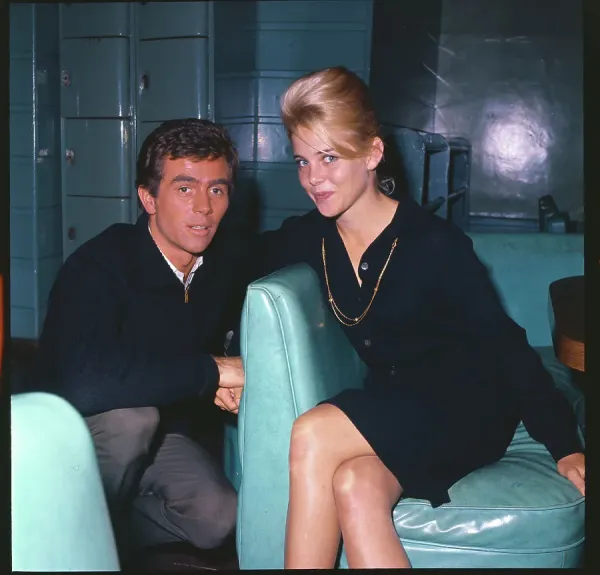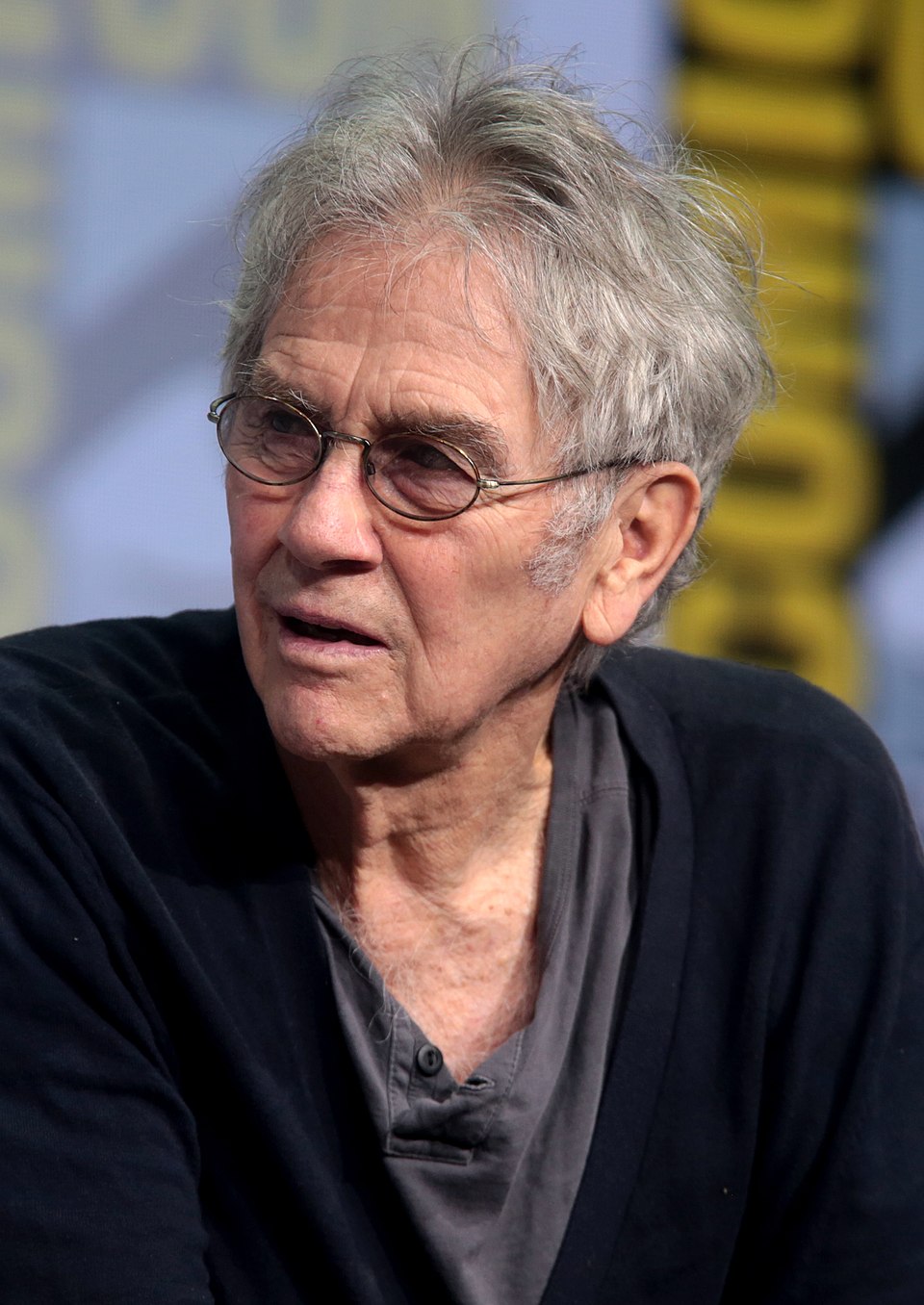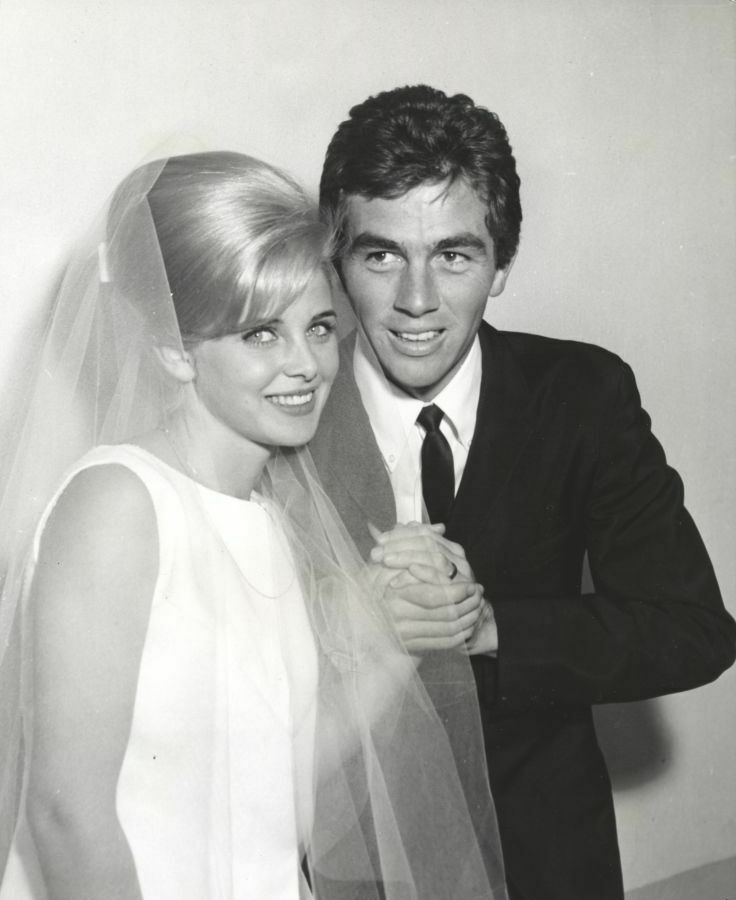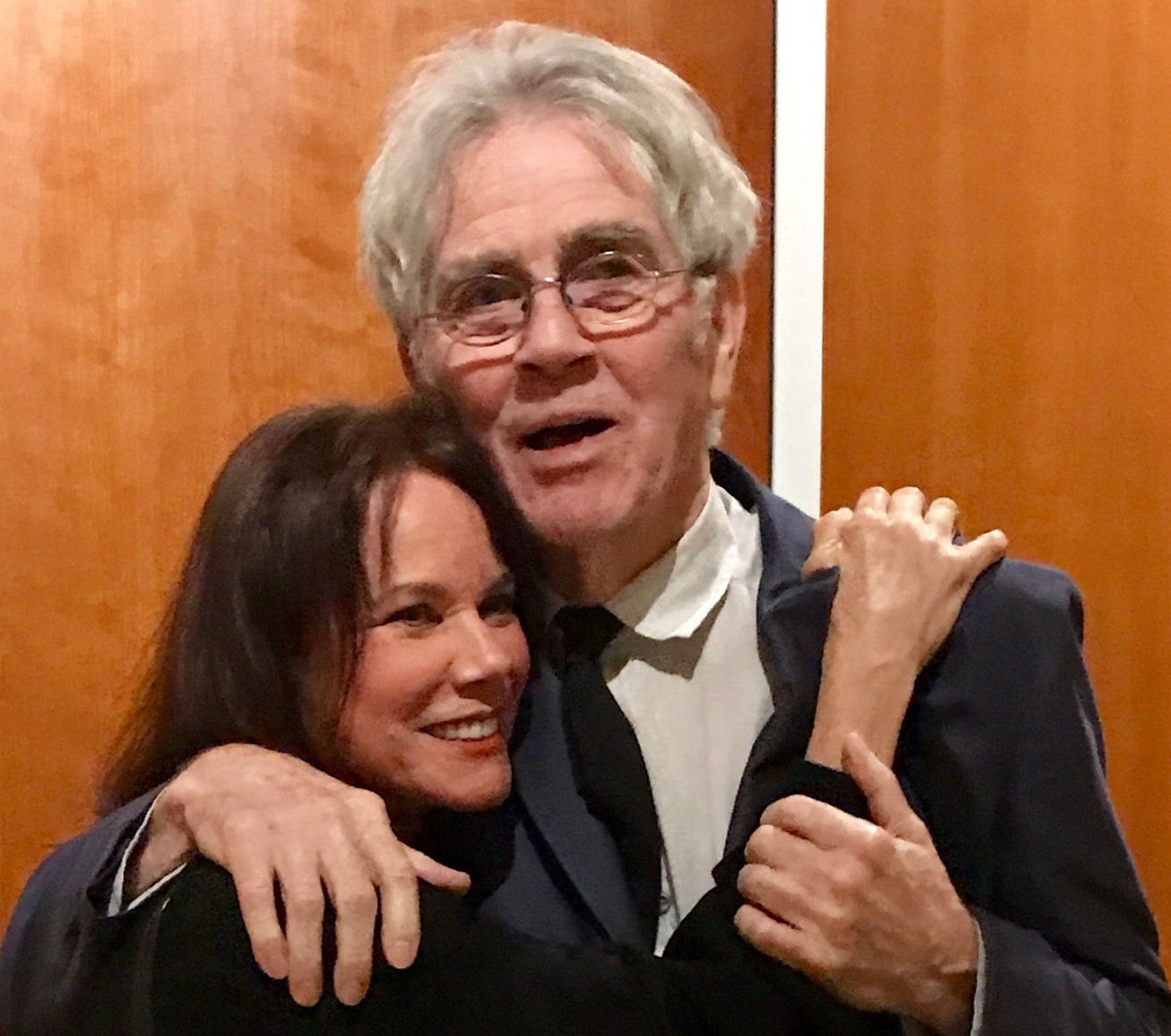

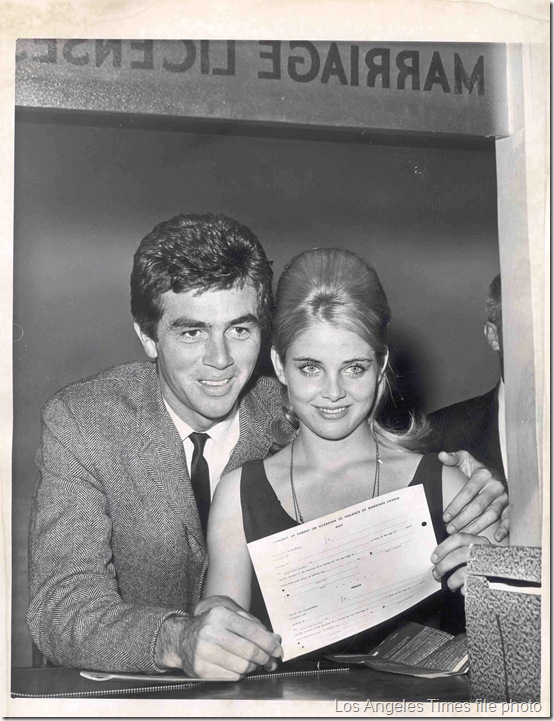
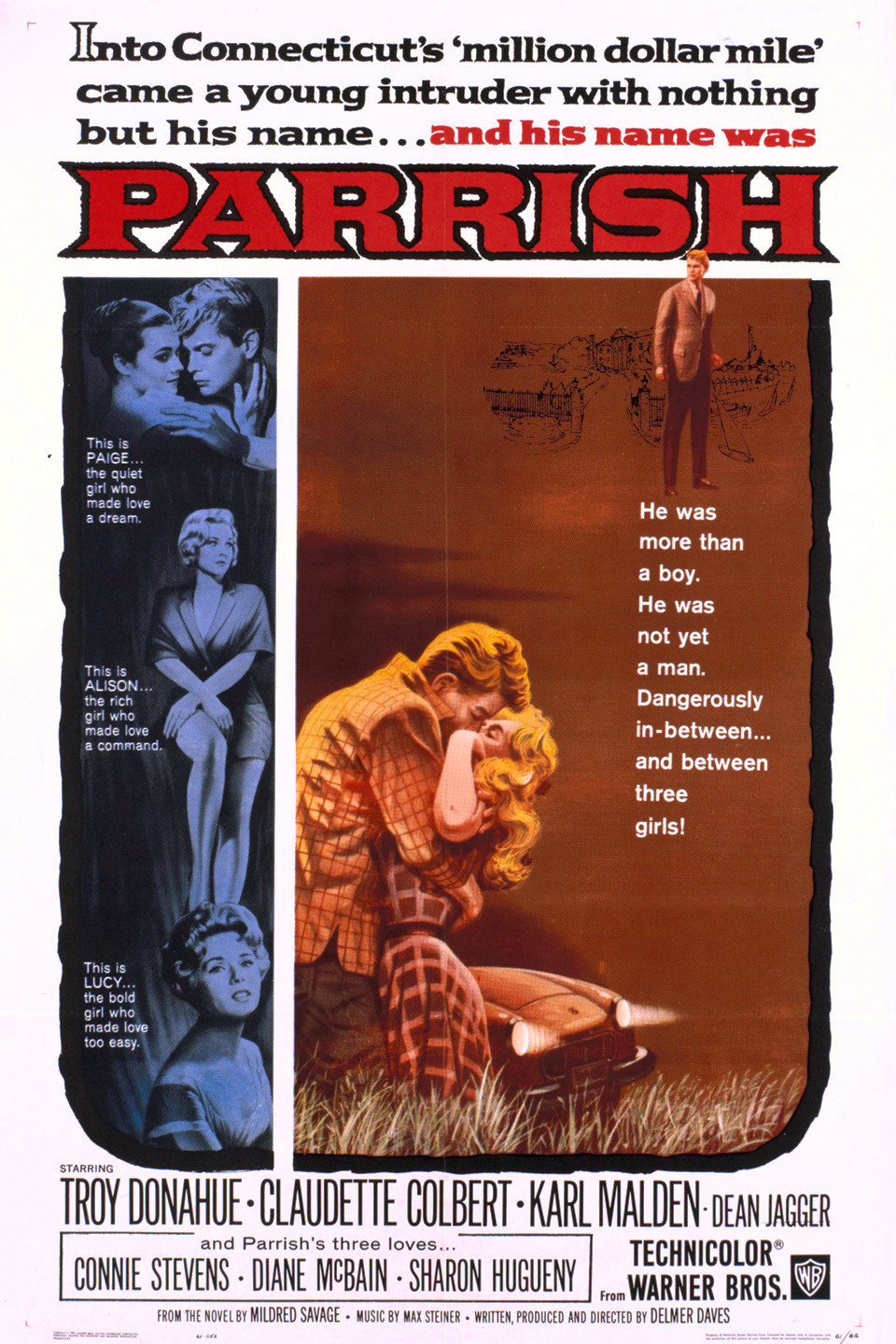
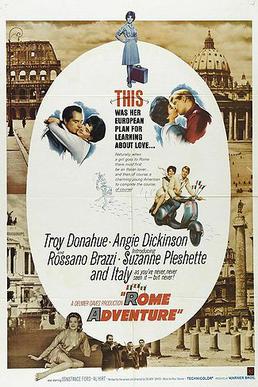
Hampton Fancher is a Hollywood producer and screenwriter who had a brief career as an actor mainly in the early 1960’s. He was born in 1938 in Los Angeles. Among his screen credits are “Parrish” with Troy Donahue in 1961 and “Rome Adventure” with Donahue again, Suzanne Pleshette and Angie Dickinson.
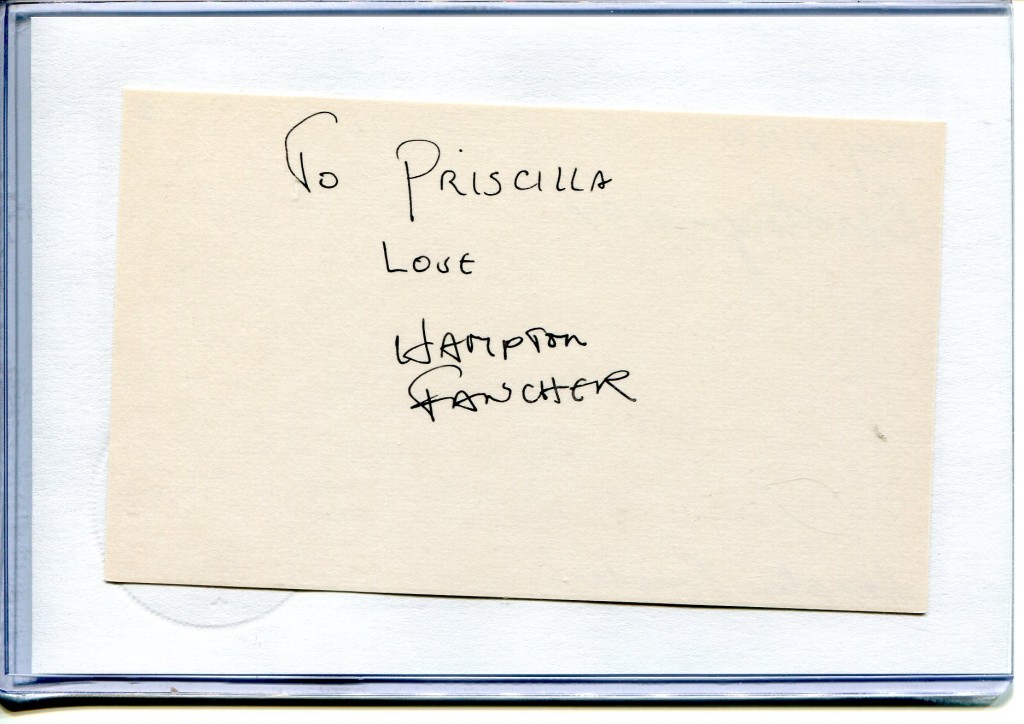
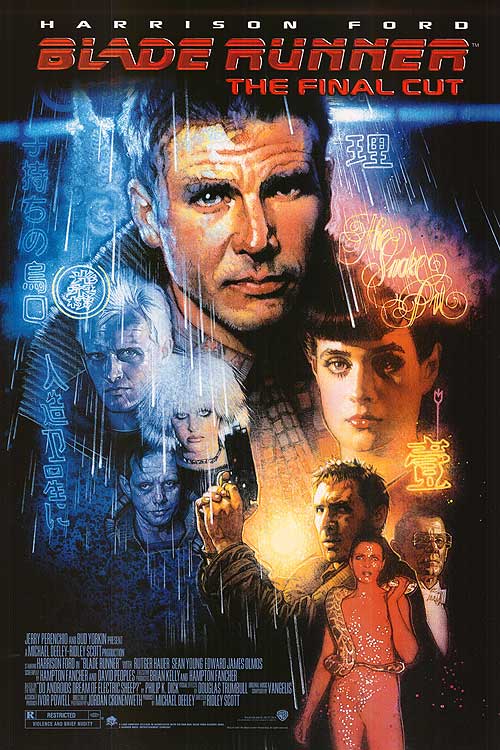
Hampton Fancher (born 1938) is one of the most singular figures in American cinema—a man whose career trajectory resembles a slow-burn noir novel. While he began as a journeyman actor in the 1950s and 60s, he achieved immortality as the visionary screenwriter who first recognized the cinematic potential of Philip K. Dick’s Do Androids Dream of Electric Sheep?, ultimately birthing the world of Blade Runner.
His work is characterized by a “literary grit”—a fascination with the intersection of high philosophy and low-life desperation.
Career Overview: From Flamenco to Future-Noir
1. The Wandering Youth and Actor (1950s–1970s)
Fancher’s early life was as eclectic as his scripts. He ran away to Spain at 15 to become a flamenco dancer (under the name “Mario Montejo”) before returning to the U.S. to pursue acting.
-
The “Cool” Supporting Player: He became a staple of 1960s television, appearing in Bonanza, Gunsmoke, and The Fugitive. His acting style was marked by a lean, laconic intensity—he often played the outsider or the “heavy” with a brooding, intellectual edge.
2. The Genesis of Blade Runner (1975–1982)
Fancher’s greatest contribution to culture began when he optioned Dick’s novel. He wrote the initial drafts of what would become Blade Runner, focusing heavily on the environmental and internal domesticity of the characters rather than just the sci-fi spectacle. Though David Peoples was brought in to “harden” the script, the soul of Deckard’s world belongs to Fancher.
3. The “Theatrical” Screenwriter (1980s–2010s)
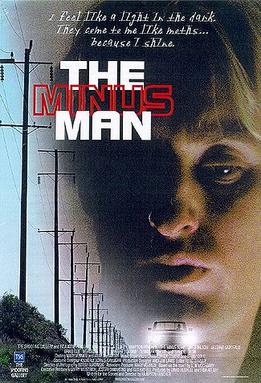
Fancher did not become a prolific “Hollywood hack.” He chose his projects with a poet’s pickiness. He wrote and directed the cult classic “The Minus Man” (1999) and returned to his most famous world to co-write “Blade Runner 2049”(2017), proving that his grasp on the “Replicant” psyche had only deepened with age.
Detailed Critical Analysis: The “Humanist” Cyberpunk
1. The “Smallness” of the Future
In an era of sci-fi defined by Star Wars (grand spectacle), Fancher’s writing was revolutionary because it was intimate and claustrophobic.
-
Analysis: Fancher’s original vision for Blade Runner was almost entirely “interior.” He was less interested in flying cars and more interested in how a man makes tea in a lonely apartment. Critics note that Fancher’s dialogue has a “Raymond Chandler-esque” rhythm—it’s about the things characters don’t say. He brought a “Middle-European” gloom to the American sci-fi genre.
2. The Moral Ambiguity of the “Hero”
Fancher’s Deckard was never meant to be a traditional action star.
-
Critical Insight: Fancher envisioned Deckard as a “tired man doing a dirty job.” He leaned into the existential exhaustion of the character. Critics have argued that Fancher’s script was the first to successfully merge the “Hard-boiled” detective with “Existentialist” philosophy. He forced the audience to ask: What is the difference between a programmed memory and a real one?
3. The Minus Man (1999): The Quiet Psychopath
In his directorial debut, Fancher subverted the “serial killer” genre entirely.
-
Technical Analysis: Starring Owen Wilson, the film is eerily polite and devoid of gore. Fancher used deadpan pacing and a muted color palette to explore the “banality of evil.” Critics praised his ability to make a monster seem “nice,” focusing on the psychological “minus” (the void) within the protagonist. It was a film that felt like a play—deliberate, wordy, and unsettling.
4. The Return: Blade Runner 2049
Returning to the franchise 35 years later, Fancher’s contribution was described as the “heart” of the sequel.
-
Critical View: While the sequel had massive scale, Fancher’s influence was felt in the melancholy romancebetween K and his holographic AI, Joi. Critics noted that Fancher remains the master of the “longing for the impossible.” He moved the conversation from “What is human?” to “What does it mean to love