
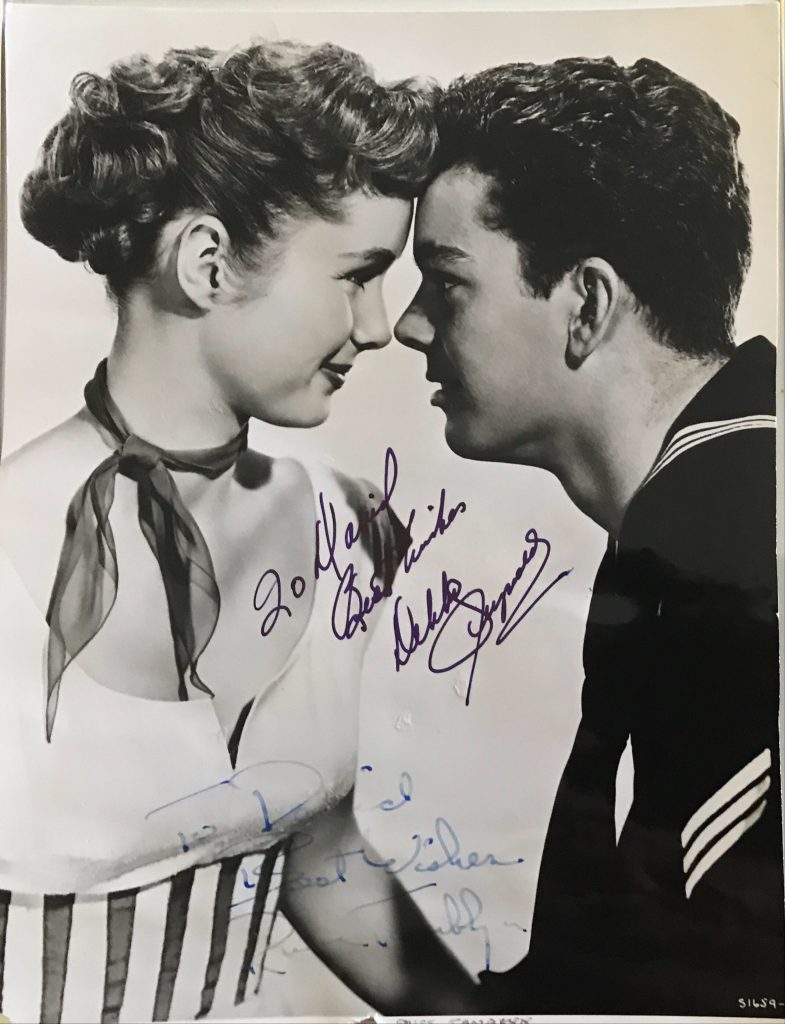
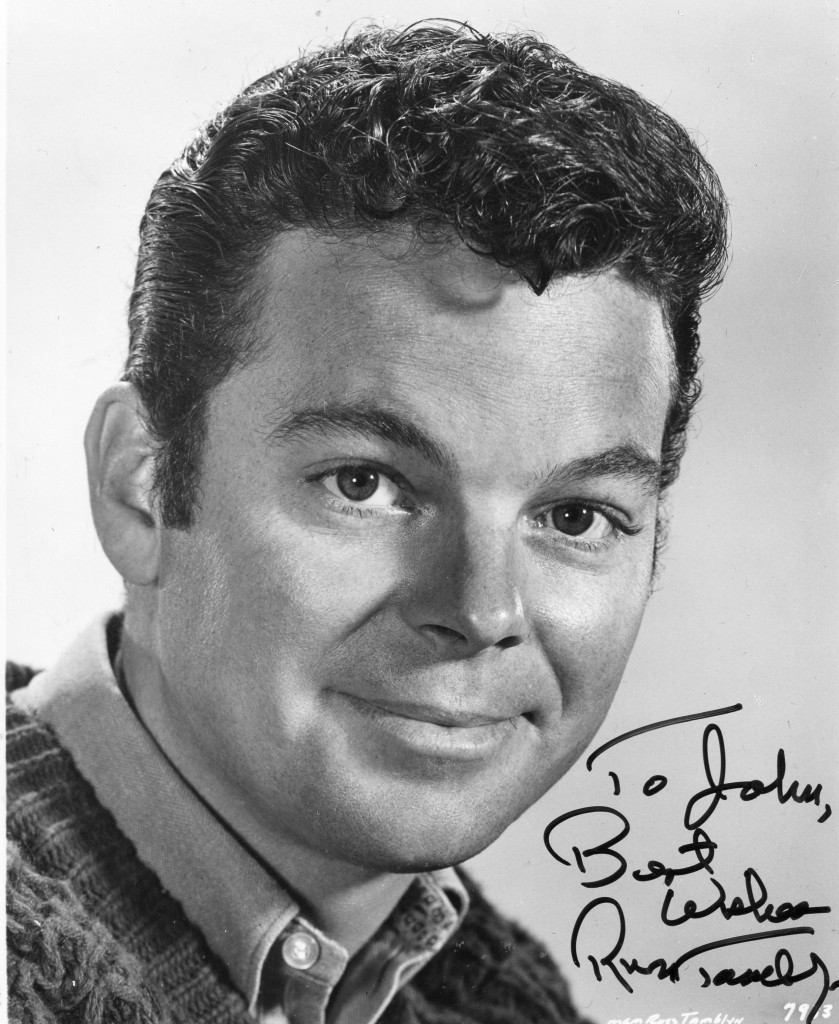
Russ Tamblyn

Russ Tamblyn
Russ Tamblyn

Russ Tamblyn. IMDB

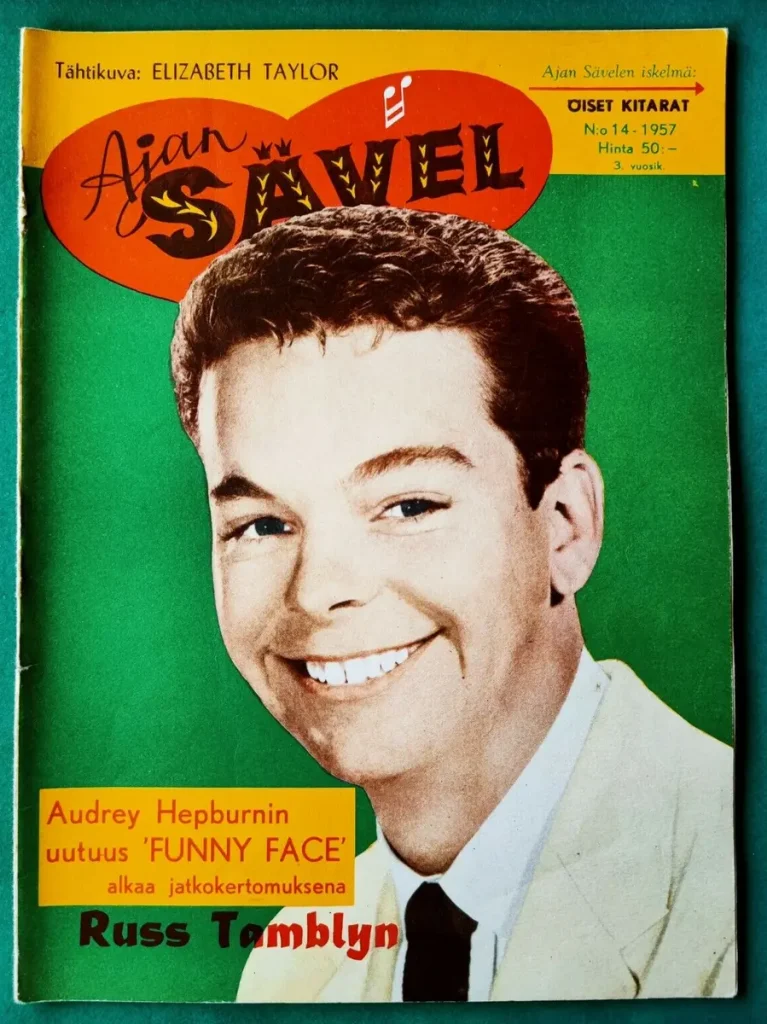
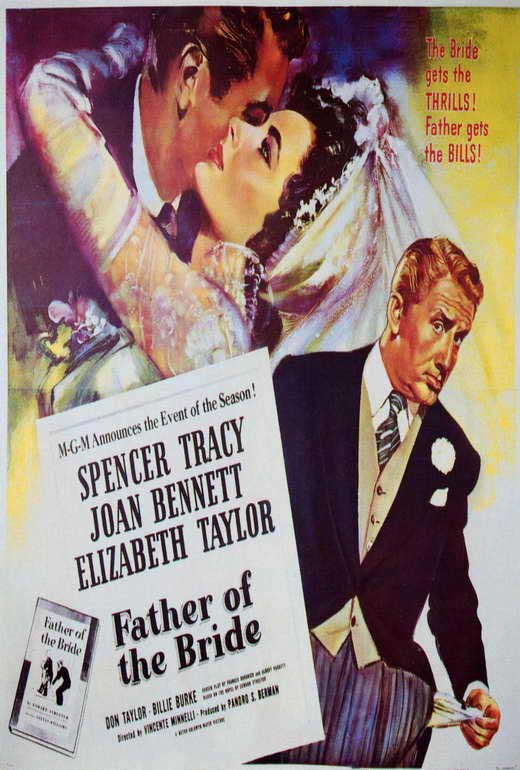
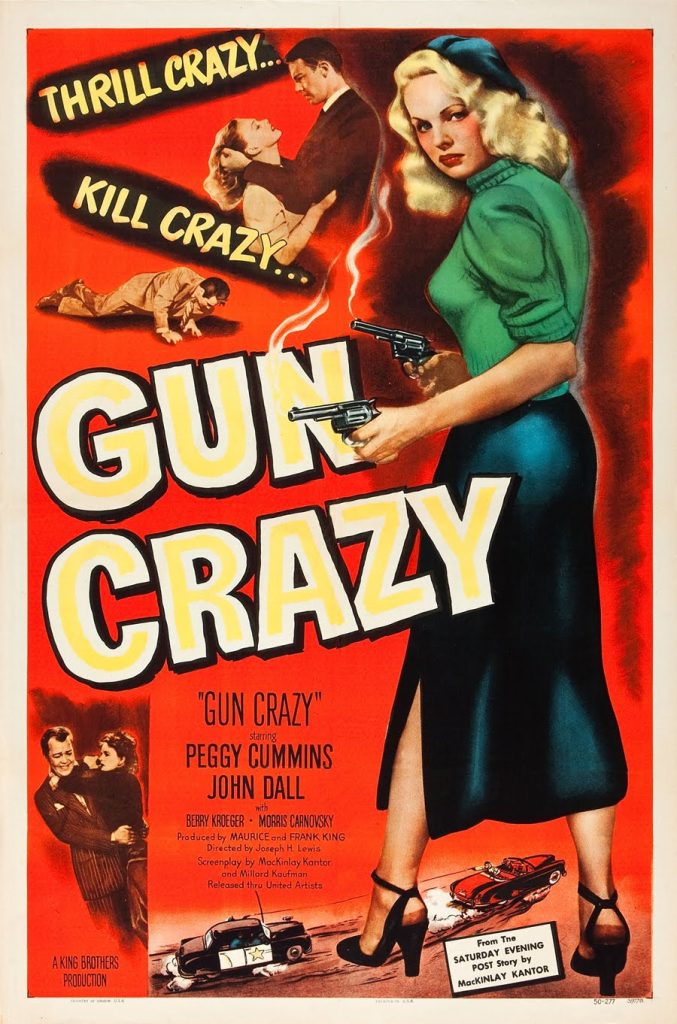
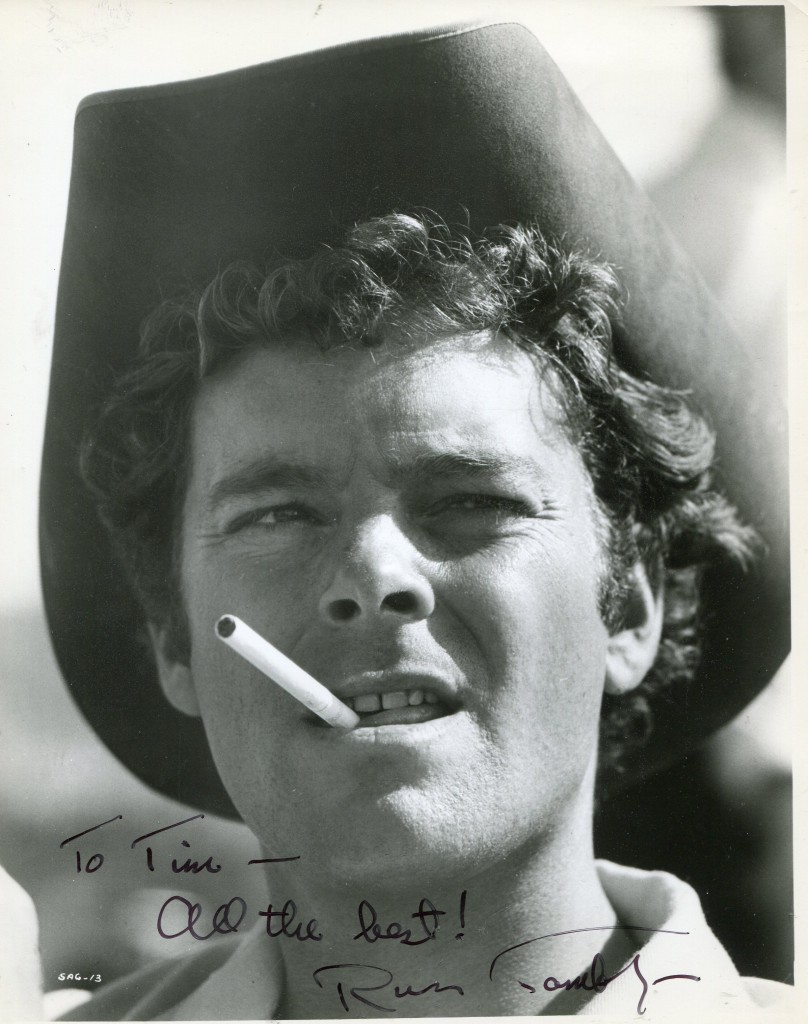
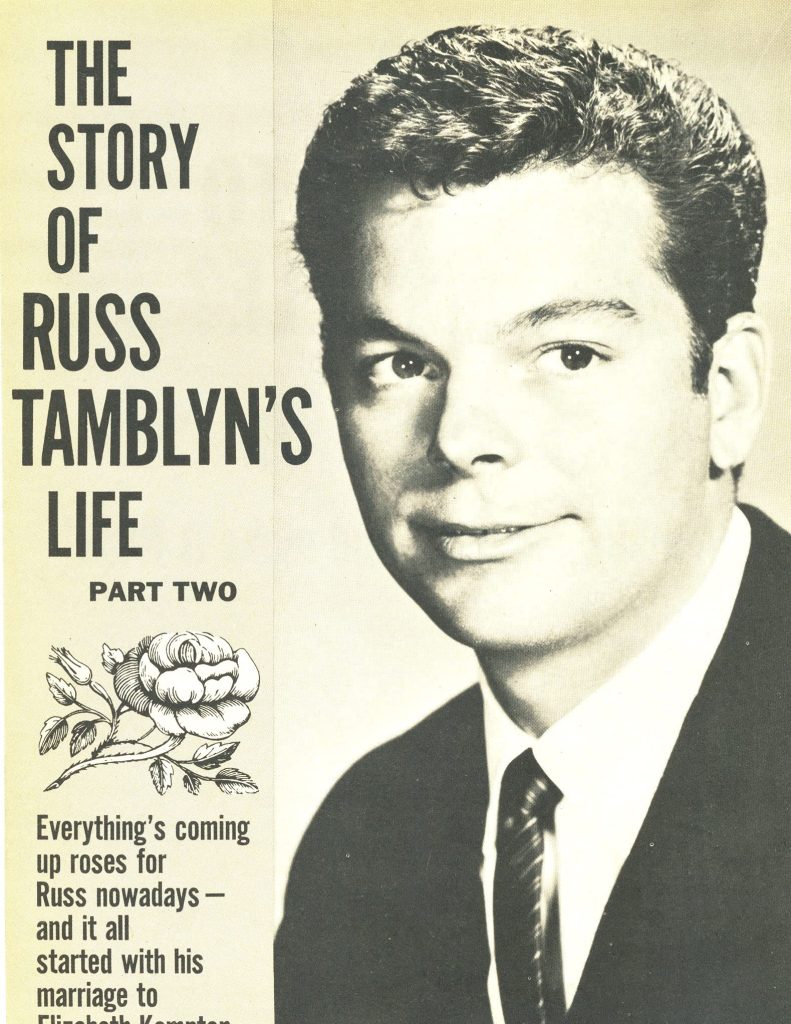
Russ Tamblyn was born in 1934 in Los Angeles. He began his career as a child actor and can be seen in the 1949 cult classic “Gun Crazy”. In 1950 he was the brother of Elizabeth Taylor in the very popular “Father of the Bride”.

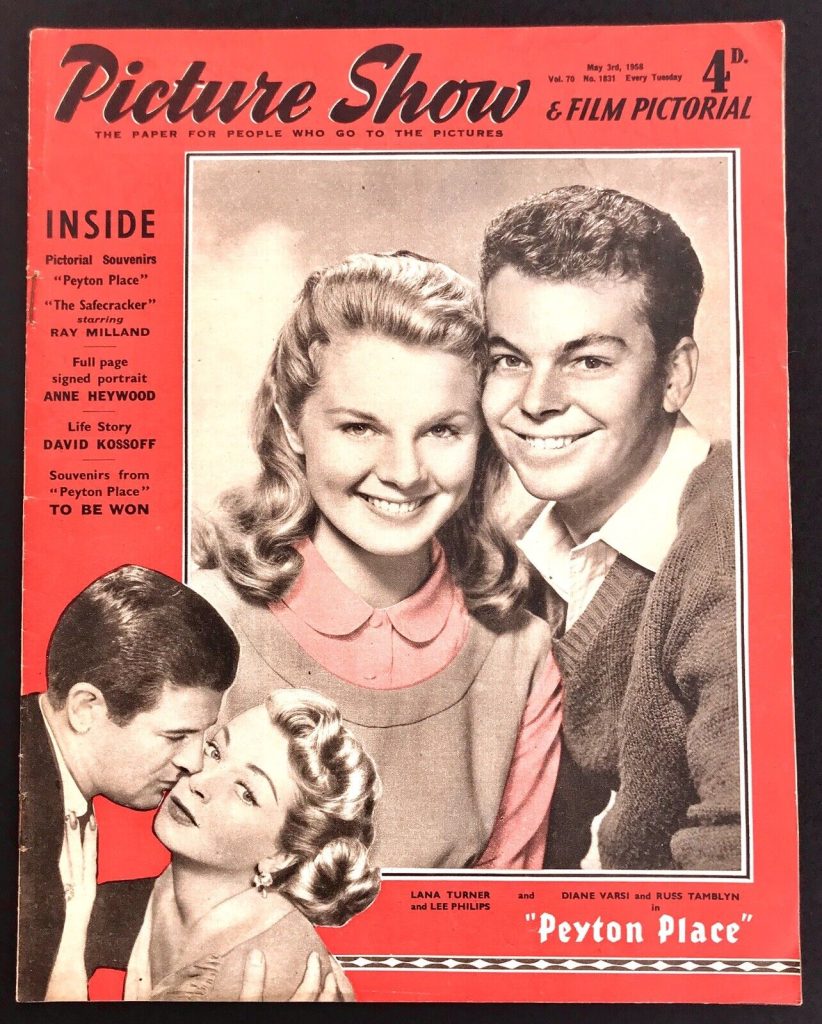
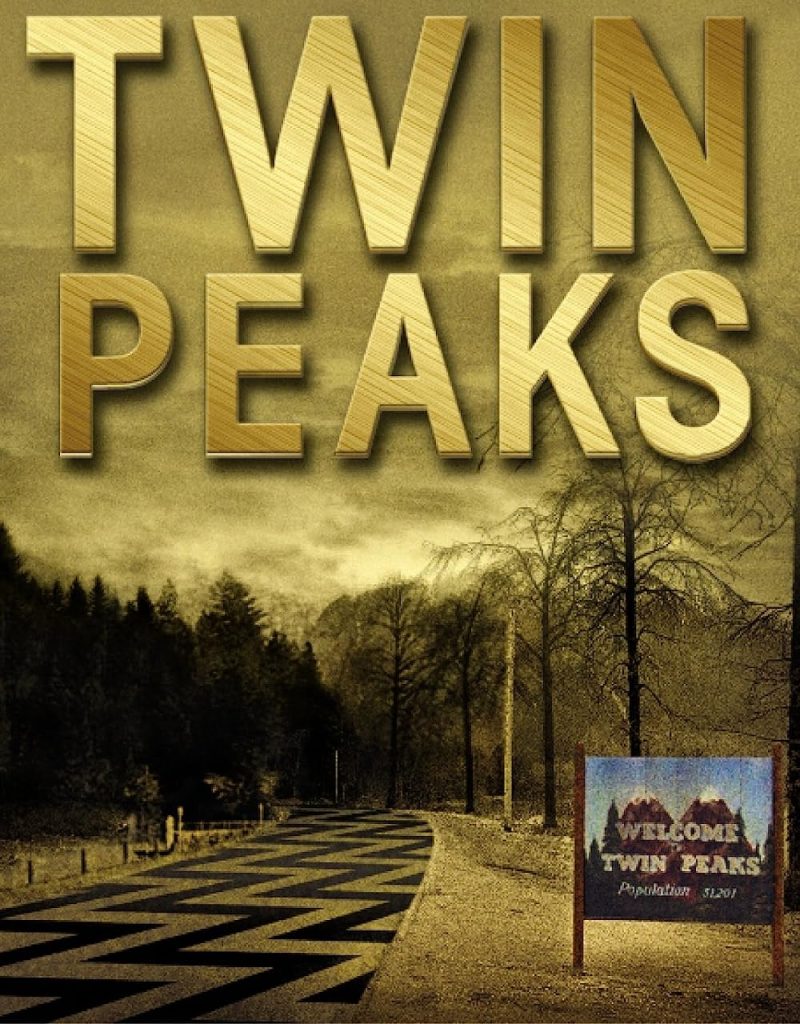
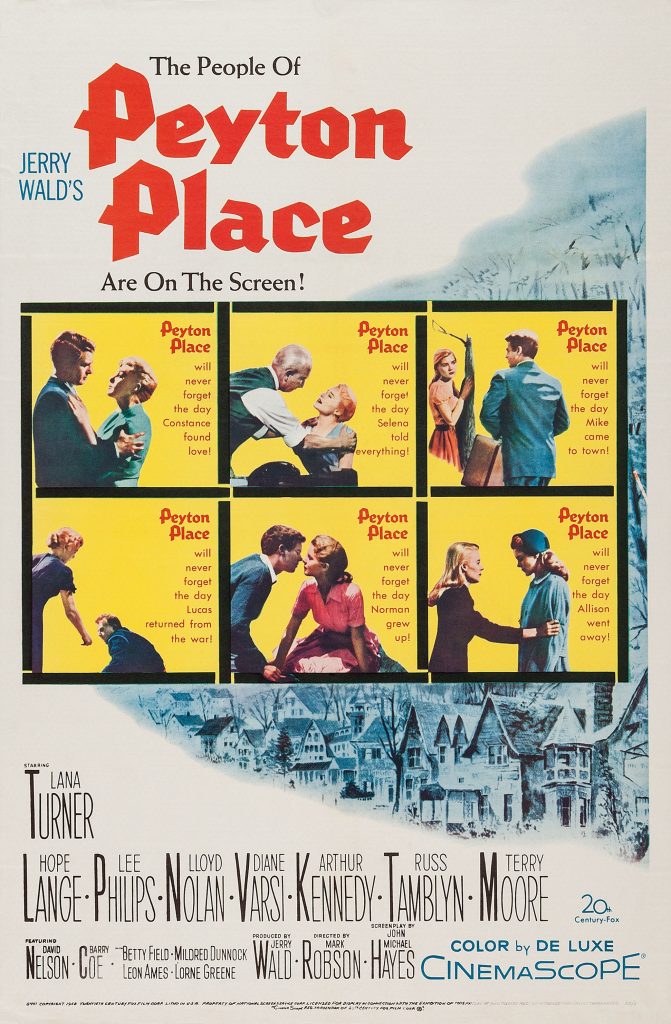
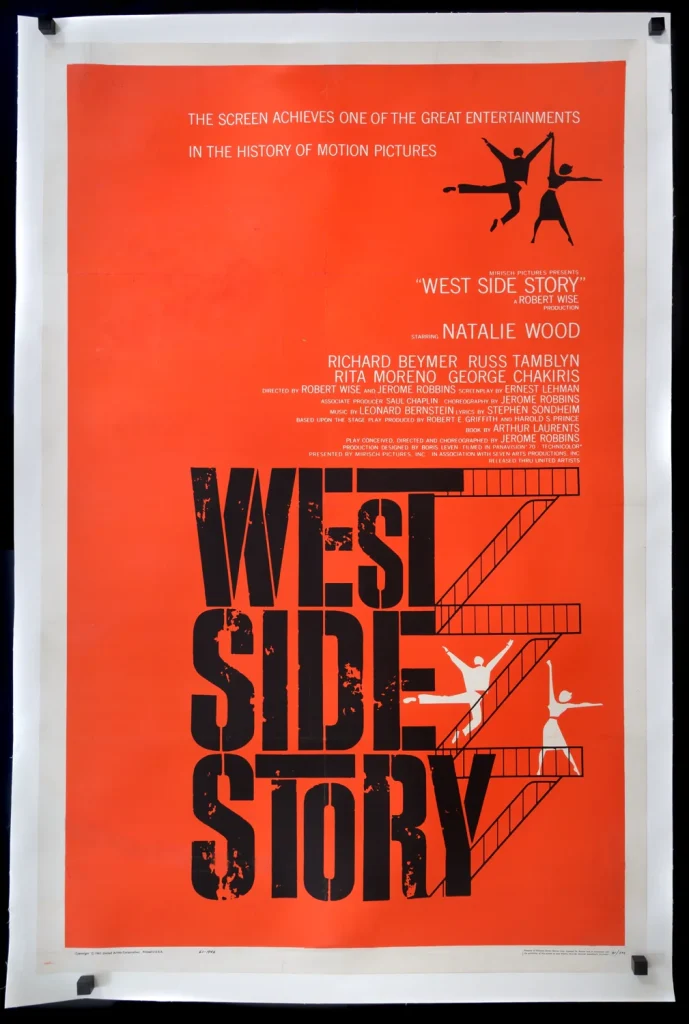
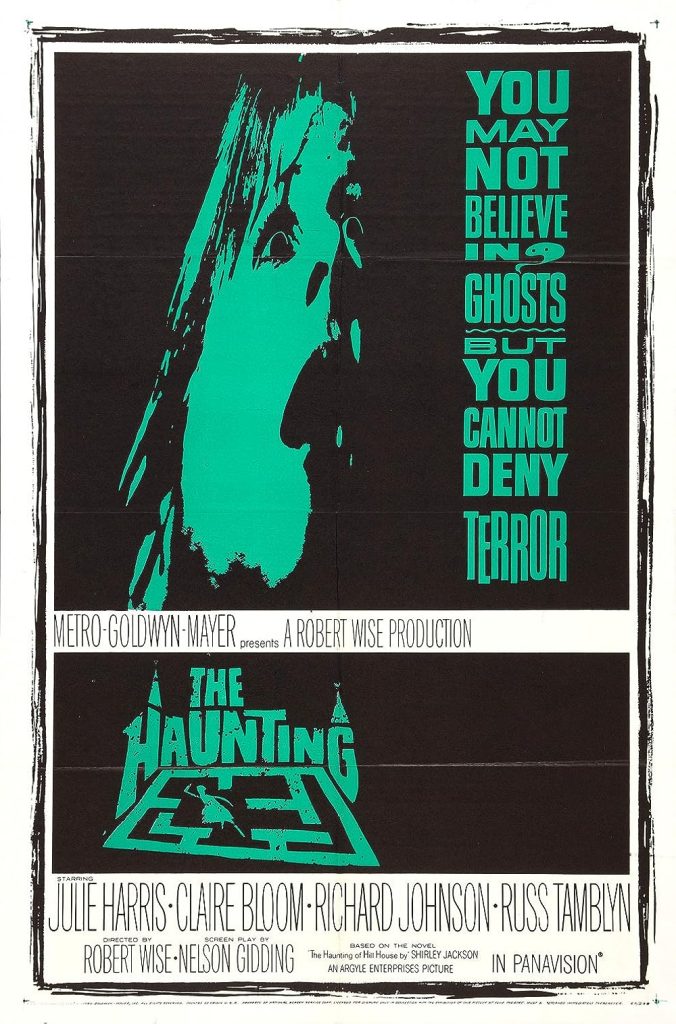
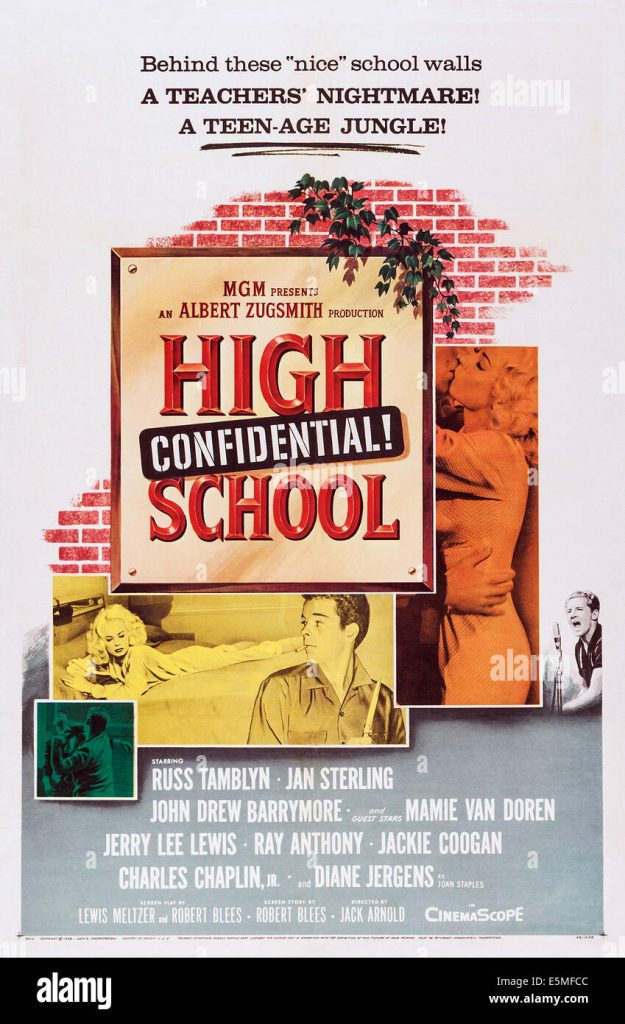
His other credits on film include “Peyton Place” in 1957, “High School Confidential” where he was the nephew of Mamie Van Doren??? and of course “West Side Story”. In 1963 he came to England to make for director Robert Wise “The Haunting”. In 1991 he starred in the cult TV classic “Twin Peaks”.

Gary Brumbrugh’s entry:
Russ Tamblyn might as well face it…he will be a Jet “till his last dying day.” Indelibly linked to the “womb to tomb” role of Riff, the knife-wielding, rocket-tempered, Baryshnikov-styled gang leader of the streetwise Jets in the musical film masterpieceWest Side Story (1961), it’s not a bad way to be remembered! Russ was actually 27 when he portrayed the teenage troublemaker who became the ’50s equivalent of the Mercutio character in the Romeo and Juliet-inspired adaptation.

To describe Tamblyn as talented and extremely agile is a huge understatement. This awesome musical performer was born in Los Angeles, California on December 30, 1934, and groomed early for stardom. Discovered at age ten by actor Lloyd Bridges for the play “Stone Jungle”, Russ was soon performing on radio and in L.A.-based musical revues.
Billed as “Rusty Tamblyn” then, the tousle-haired scrapper played a student extra in his first film The Boy with Green Hair (1948) starring another child actor, Dean Stockwell. Having taken up dancing and acrobatics from the age of 6, Tamblyn marked his abilities with his very first TV appearance on the “The Ed Sullivan Show.” Eventually handed a starring role in the “B” film The Kid from Cleveland (1949), he was signed by an eager MGM who saw his potential as a juvenile actor.

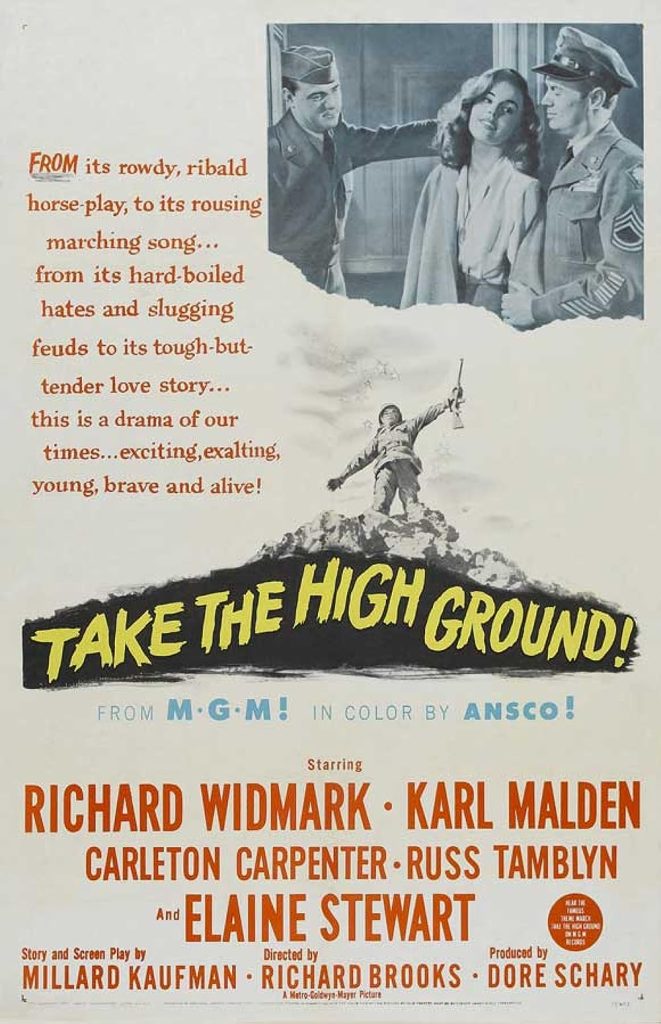
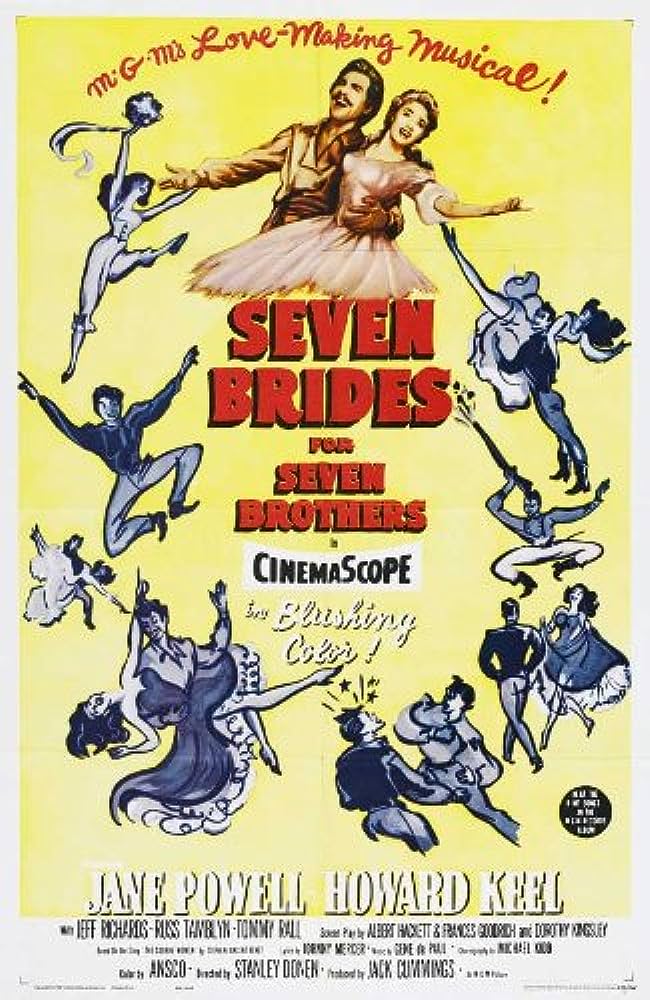
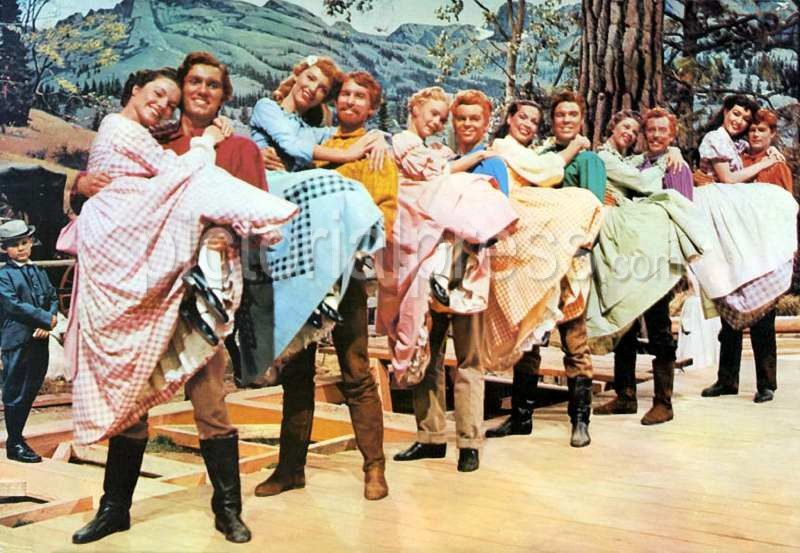
Featured in the popular family-oriented comedy Father of the Bride (1950), and its sequel Father’s Little Dividend (1951), Tamblyn also had a prime role in the war drama Take the High Ground! (1953) before taking off in musical films. Demonstrating exceptional athleticism in one of MGM’s best,Seven Brides for Seven Brothers (1954), Tamblyn’s timing was regrettably off as musicals were quickly on the wane.

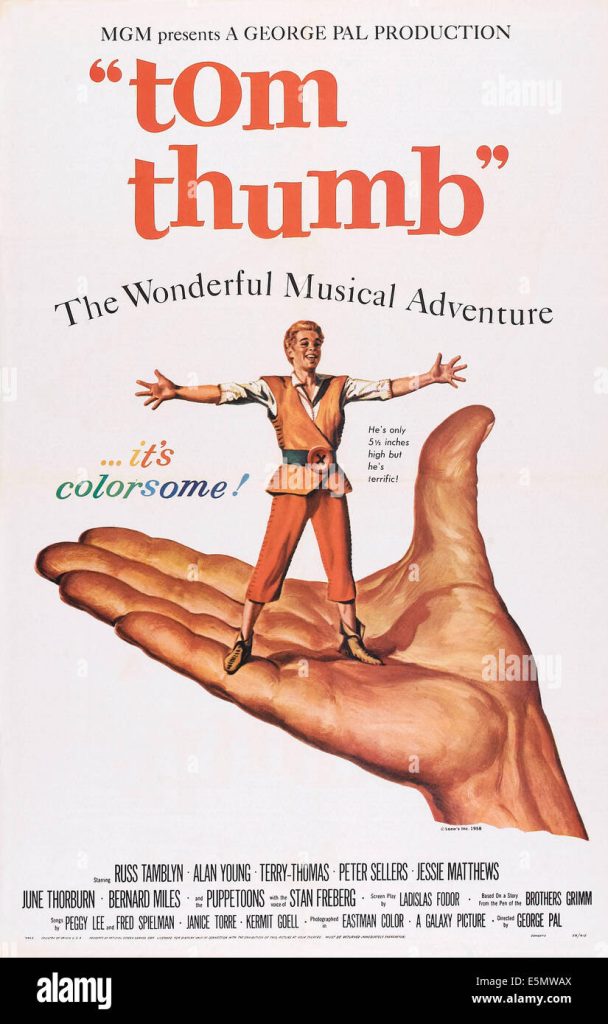
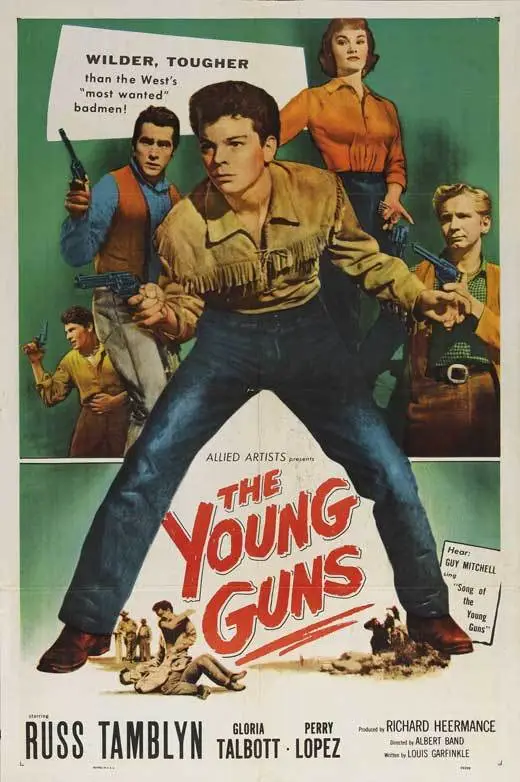
He adjusted, however. A starring role in the low-budget The Young Guns (1956) led to excellent reviews in the ensemble box-office soaper Peyton Place (1957). Tamblyn, along with Lana TurnerArthur KennedyHope Lange and Diane Varsi, all received Oscar nominations for their participation. Russ scored quite well in the title role of tom thumb (1958), which became a large stepping stone in his being cast as Riff in 1961. Following this achievement, however, the offers started dwindling.

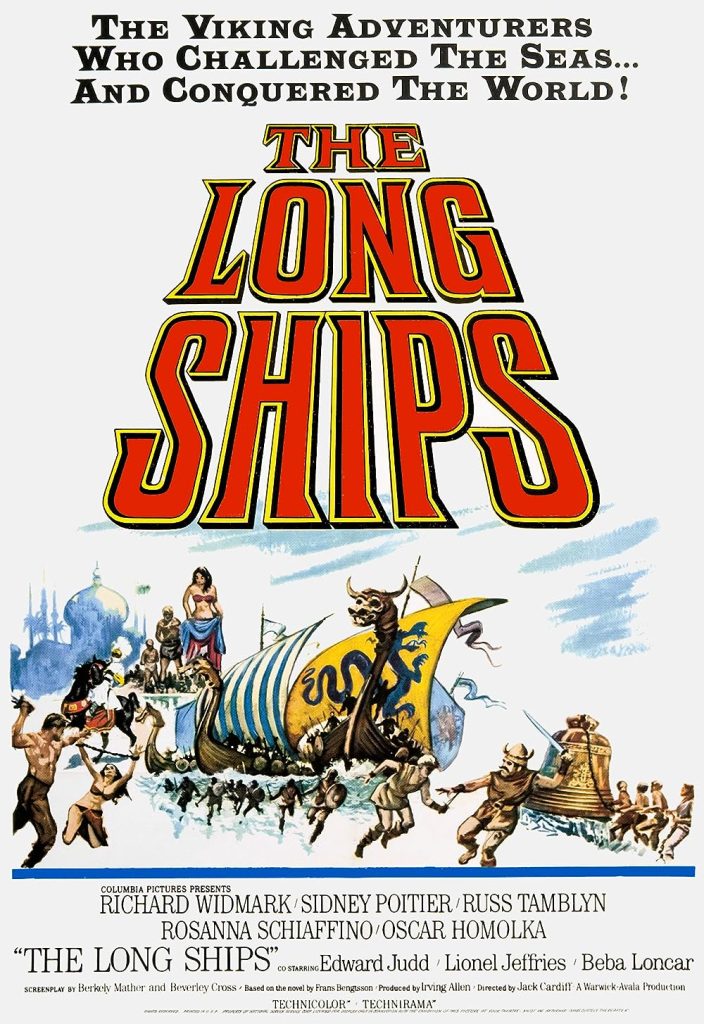
Tamblyn’s last co-starring roles in quality films were shot overseas with the British-produced chiller The Haunting (1963) with Julie Harris and Claire Bloom, and the British-Yugoslavian Viking costumer The Long Ships (1964) starring Richard Widmark and Sidney Poitier.

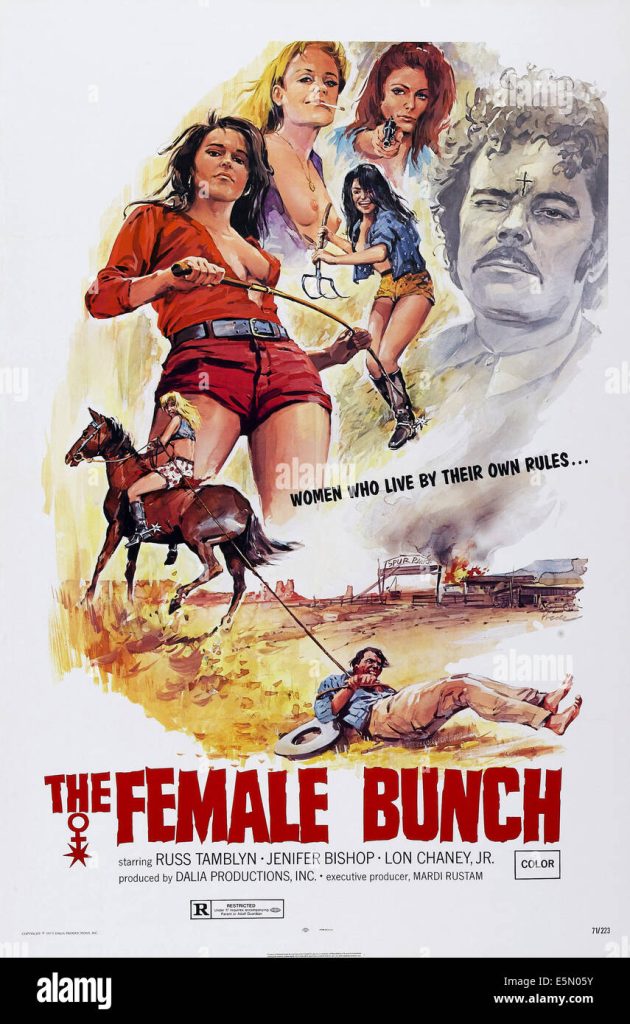
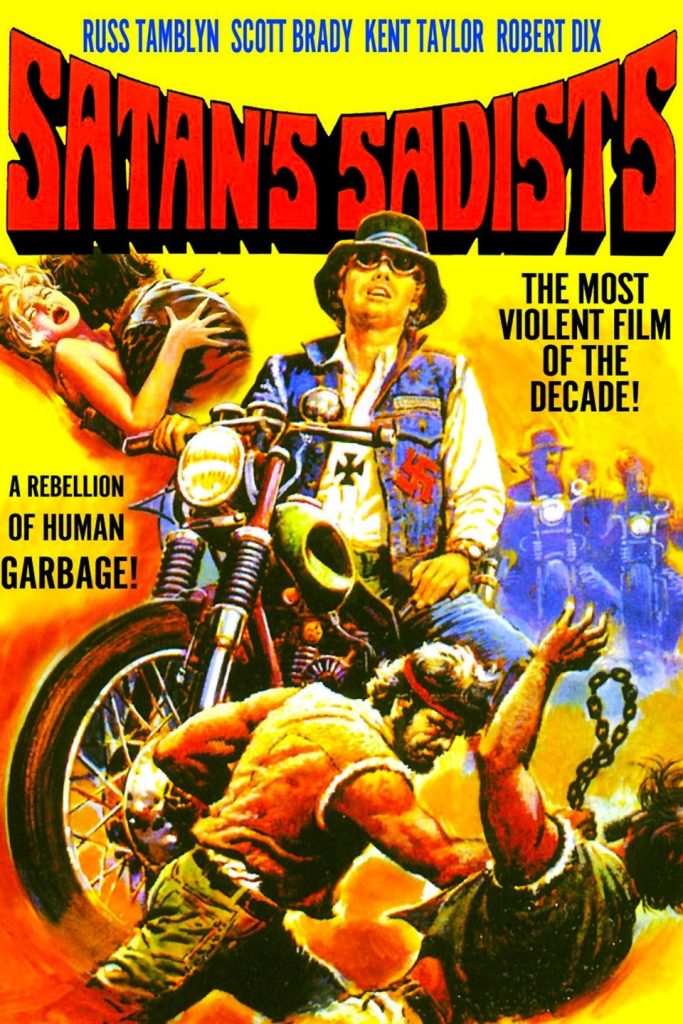
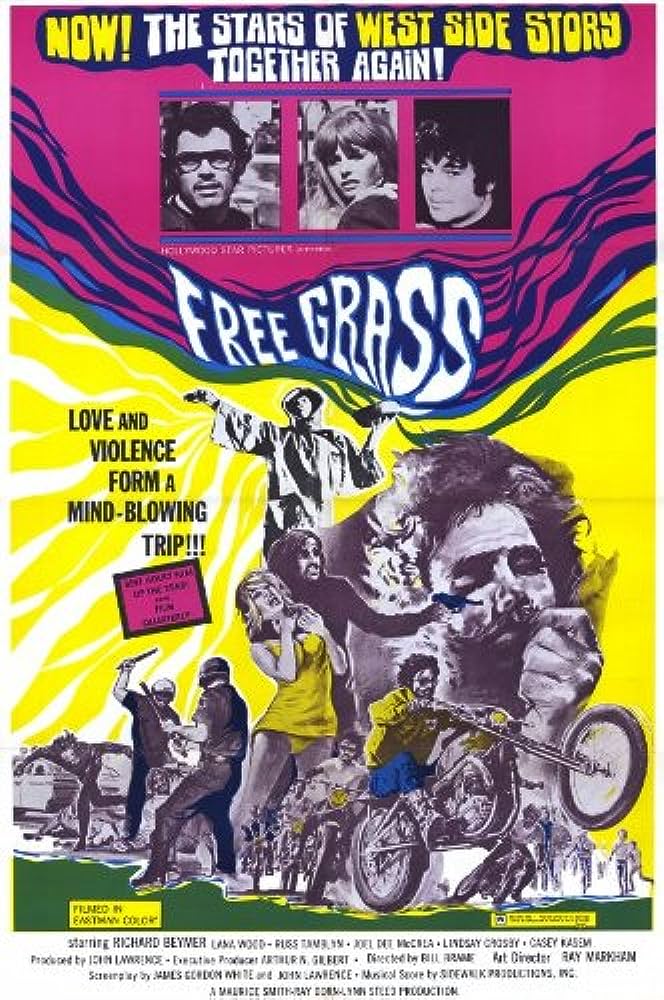
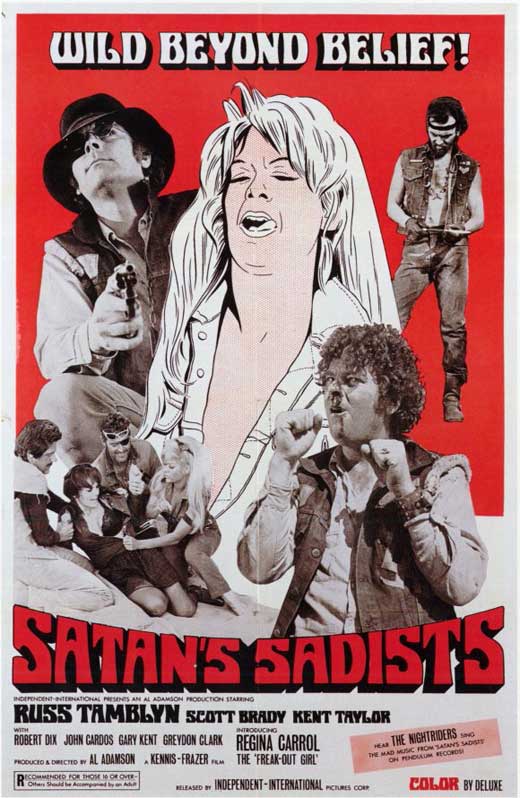
After that, his career grew quite dismal. Titles such as The Female Bunch (1971),Satan’s Sadists (1969), Scream Free! (1969), Dracula vs. Frankenstein (1971) and The Bloody Monks (1990) pretty much tells the story. On the road in the lean years with minor stage productions here and there, including the musical “Cabaret,” Russ all but disappeared from the viewing audience. When he finally nabbed the role of the overtly weird (and who wasn’t on that show?) psychiatrist Dr. Lawrence Jacoby in the popular TV cult series Twin Peaks (1990), it was the first time Tamblyn had generated interest in over two decades.
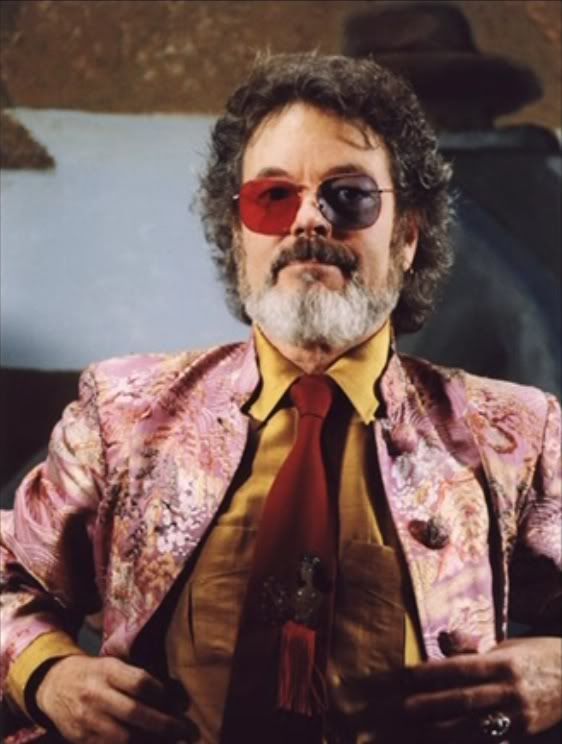
Barely recognizable with his wild-eyed look, mangy hair and frizzy beard, he has since gained employment off this eccentric image. Married three times, Tamblyn has lately taken on choreographic duties and the managing of actress/daughterAmber Tamblyn‘s career, she of Joan of Arcadia (2003) fame.

– IMDb Mini Biography By: Gary Brumburgh / gr-home@pacbell.net

Tamblyn is one of the more unusual American screen performers of the post-war era. His career spans over seven decades and crosses several distinct cultural phases: the MGM musical period of the 1950s, the youth-culture cinema of the 1960s, countercultural experimentation in the 1970s, and cult television revival in the 1990s and beyond.

Unlike many actors whose careers follow a single trajectory, Tamblyn’s work reflects a continual reinvention of persona, moving from athletic juvenile roles to eccentric character parts.


1. Early Life and Entry into Hollywood

Tamblyn was born in Los Angeles in 1934 into a show-business family; his father was the actor Eddie Tamblyn.

His entry into film came through MGM during the late studio era. Initially he appeared in small roles, including:

  • The Boy with Green Hair
  • Father of the Bride

Even in these early appearances, he stood out for his highly kinetic physical presence, a quality that soon became central to his career.

Critical note

Tamblyn’s training as a gymnast and dancer made him particularly suited to MGM’s production style, which emphasized physical performance and choreography.


2. Breakthrough: Youth Roles and the MGM Musical Era

Tamblyn gained recognition with supporting parts in films such as:

  • Seven Brides for Seven Brothers

In this musical he played one of the acrobatic brothers and performed demanding dance sequences.

Critical evaluation

His performance demonstrated three characteristics that would define his early career:

  1. Explosive physicality
  2. Comic exuberance
  3. Boyish charisma

However, he was still treated largely as a talented ensemble performer rather than a star.


3. Dramatic Recognition: Peyton Place (1957)

Tamblyn’s major dramatic breakthrough came with:

  • Peyton Place

He played Norman Page, the shy son of a violent alcoholic father.

The performance earned him:

  • an Academy Award nomination for Best Supporting Actor

Critical analysis

The role is striking because it contrasts sharply with his earlier energetic persona.

Tamblyn portrayed Norman as:

  • emotionally fragile
  • socially awkward
  • deeply sensitive

Critics praised the unexpected emotional depth he brought to the role. His performance helped ground the film’s melodrama in genuine vulnerability.

Yet the industry struggled to reconcile this dramatic ability with his athletic, youthful image.


4. Iconic Role: West Side Story (1961)

Tamblyn’s most famous performance is undoubtedly:

  • West Side Story

where he played Riff, the charismatic leader of the Jets.

Artistic significance

Riff is a crucial character because he embodies the film’s themes of:

  • restless youth
  • tribal identity
  • urban aggression.

Tamblyn’s dance training allowed him to deliver one of the most athletic performances in the film.

Critical interpretation

His portrayal stands out for its combination of grace and menace:

  • physically light and agile
  • emotionally volatile.

This balance made Riff one of the film’s most memorable characters.

However, the role also reinforced Tamblyn’s association with hyper-energetic youth, which complicated his transition to mature leading roles.


5. Countercultural Cinema and Career Instability (1960s–1970s)

After West Side Story, Tamblyn struggled to find roles that matched his abilities.

He appeared in notable but uneven projects such as:

  • The Haunting
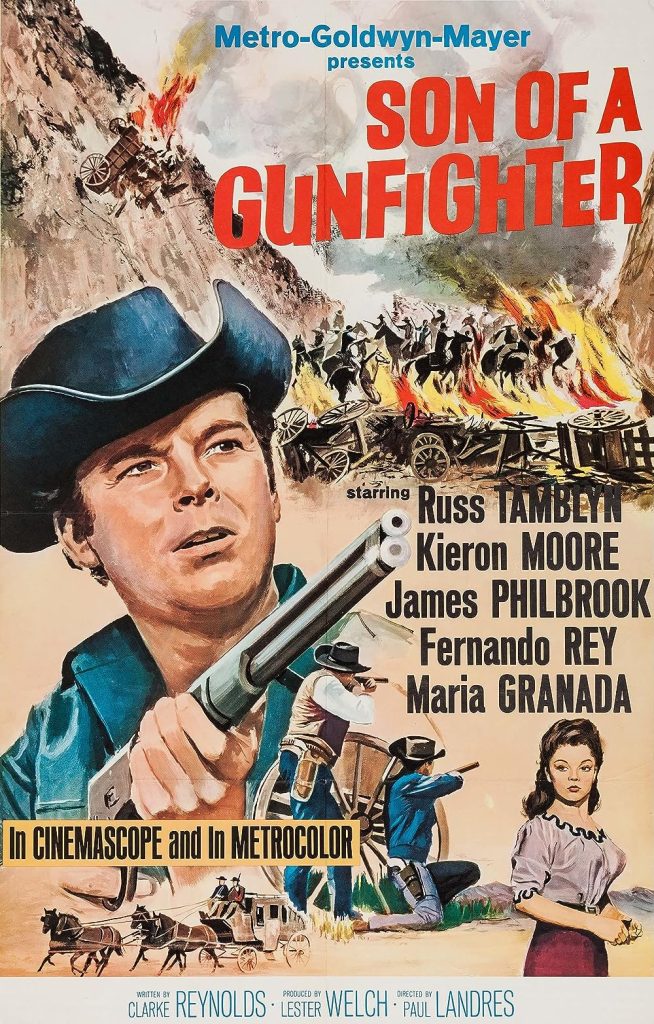
  • Son of a Gunfighter

In The Haunting, directed by Robert Wise, he played the skeptical investigator Luke Sanderson.

Critical perspective

This role revealed a different side of his talent:

  • ironic humor
  • sardonic charm
  • intellectual playfulness.

Yet Hollywood rarely cast him in such parts.

By the late 1960s and 1970s he became involved in experimental filmmaking and art projects, reflecting the era’s countercultural spirit.

This period saw fewer mainstream roles but increased creative experimentation.


6. Cult Revival: Twin Peaks (1990–2017)

Tamblyn’s career experienced a remarkable revival when he was cast by David Lynch in:

  • Twin Peaks

He played Dr. Lawrence Jacoby, an eccentric psychiatrist.

Critical significance

The role perfectly matched Tamblyn’s unique persona:

  • quirky
  • unpredictable
  • slightly surreal.

In the revival series:

  • Twin Peaks: The Return

his character evolved into a conspiracy-theorist radio personality, reflecting contemporary cultural anxieties.

Critics widely praised this late-career reinvention.


7. Acting Style

Tamblyn’s work is distinctive because of his physical expressiveness.

Key characteristics include:

1. Kinetic Performance

Few actors of his generation used their bodies so dynamically. His dance training gave him:

  • extraordinary agility
  • expressive movement.

2. Youthful Energy

Even in dramatic roles, he projected restless vitality, which made him ideal for characters representing youth culture.

3. Eccentric Humor

In later roles he developed a quirky, offbeat comedic style.


8. Career Challenges

Despite his talent, Tamblyn never became a consistent leading man.

Several factors contributed:

1. Typecasting

His athletic persona limited casting options once he aged out of youthful roles.

2. Industry change

The collapse of the studio system disrupted career development for many actors of his generation.

3. Unconventional personality

Tamblyn often gravitated toward artistic and experimental projects rather than mainstream Hollywood roles.


9. Legacy

Today, Tamblyn’s reputation rests on several iconic contributions:

  • Norman Page in Peyton Place
  • Riff in West Side Story
  • Dr. Jacoby in Twin Peaks

Together these roles demonstrate an actor capable of:

  • dramatic vulnerability
  • explosive musical performance
  • eccentric character acting.

✅ Critical conclusion

Russ Tamblyn’s career is best understood not as a conventional Hollywood success story but as a long artistic journey across changing cultural eras.

While he never achieved the sustained leading-man status of some contemporaries, his performances—especially in Peyton PlaceWest Side Story, and Twin Peaks—reveal a uniquely versatile performer whose work continues to influence both film and television.


Leave a Reply

Your email address will not be published. Required fields are marked *