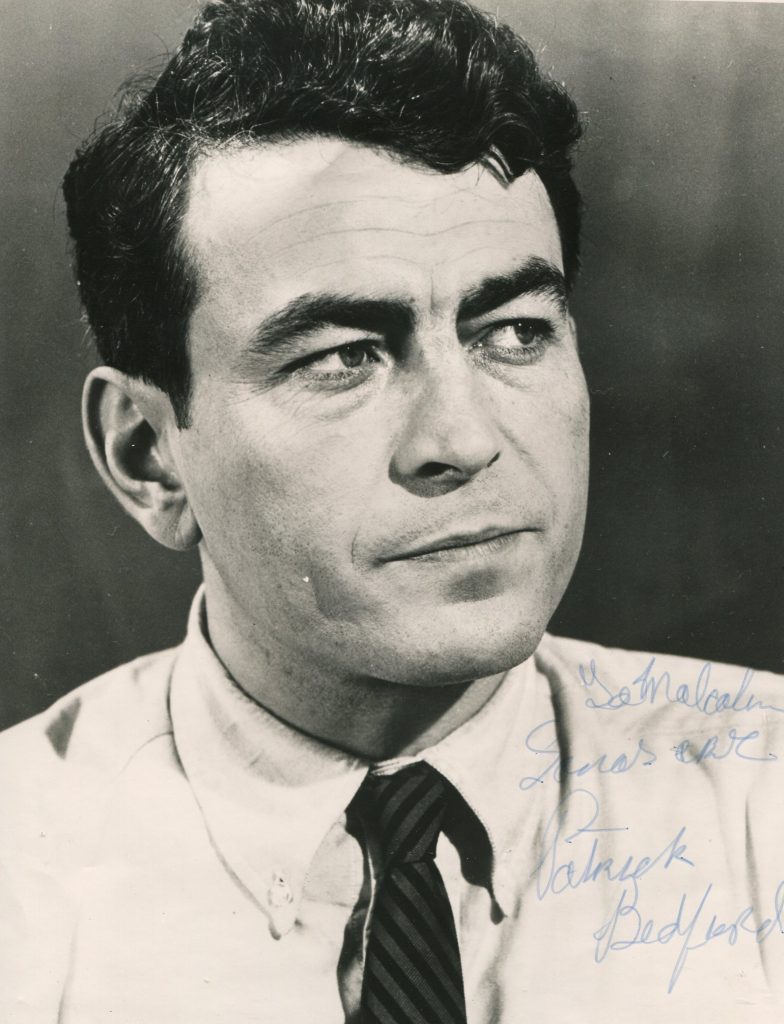
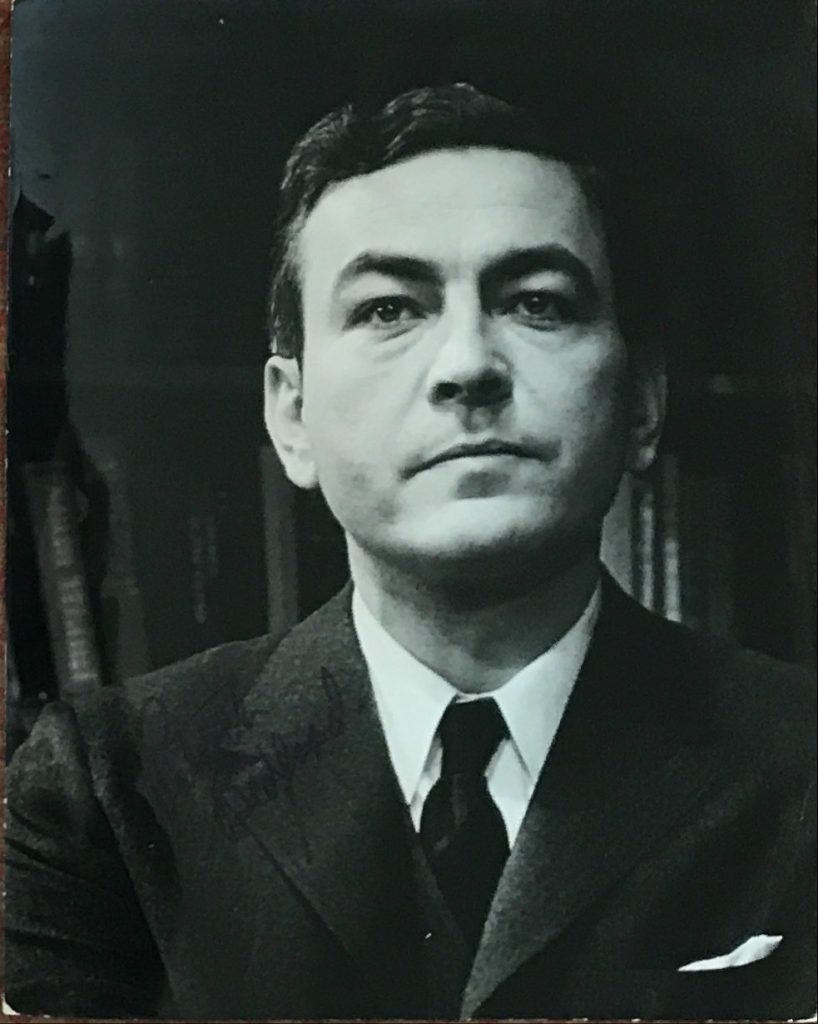
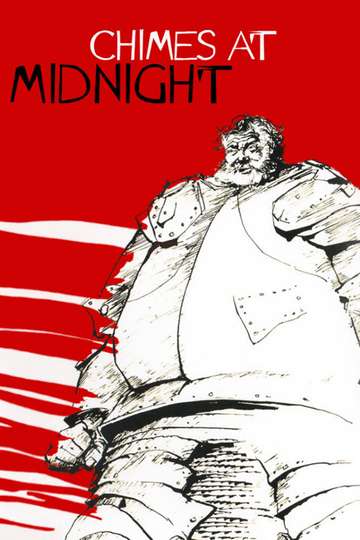
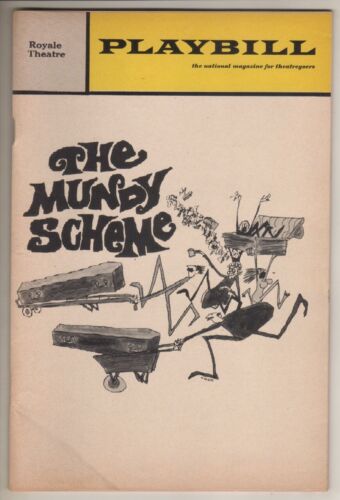
Patrick Bedford (1932–1999) was an Irish actor who represented a specific, sophisticated bridge between the classic Irish theatrical tradition and the burgeoning “New York Irish” scene of the 1960s. While his film career was relatively brief, he is immortalized in the annals of theater history as the co-lead of the original Broadway production of Brian Friel’s masterpiece, Philadelphia, Here I Come!.
A critical analysis of his work reveals an actor of immense technical “doubleness”—a performer who could inhabit a character’s external joviality while simultaneously projecting an internal, silent grief.
I. Career Overview: From Dublin to Broadway
Act 1: The Gate Theatre Years (1950s)
Bedford began his career at the legendary Gate Theatre in Dublin under the mentorship of Micheál Mac Liammóir and Hilton Edwards. He was a versatile company member, appearing in everything from Shakespeare to modern Irish comedies. This period was essential in developing his “continental” Irish style—refined, articulate, and less reliant on the “stage Irishman” tropes of the era.
Act 2: The Friel Breakthrough (1964–1966)
The defining moment of Bedford’s career came when he was cast as “Gar Public” in Brian Friel’s Philadelphia, Here I Come!.
-
The Concept: The play used two actors to play one man: Gar Public (the man the world sees) and Gar Private (his inner thoughts).
-
The Success: After a hit run at the Dublin Theatre Festival, the play moved to Broadway in 1966. Bedford received a Tony Award nomination for Best Actor, catapulting him into the elite circle of international Irish stars.
Act 3: The American Transition (1967–1980s)
Following his Broadway success, Bedford stayed in the United States. He became a staple of high-end television and film, notably starring in the film adaptation of Up the Down Staircase (1967) opposite Sandy Dennis and appearing in cult favorites like the horror-comedy The Last of the Mobile Hot Shots (1970).
II. Critical Analysis: The Master of the “Split Self”
1. The Technical Challenge of “Gar Public”
Bedford’s work in Philadelphia, Here I Come! is a case study in reactive acting.
-
The Performance: Because he played the “Public” version of the character, Bedford had to remain stoic and emotionally repressed while his “Private” self (played by Donal Donnelly) danced and ranted around him.
-
Critical View: Critics praised Bedford for his ability to convey “the agony of the unsaid.” He managed to make the audience feel the weight of Gar’s silence. His performance was the anchor of the play; without his grounded, melancholic presence, the comedic antics of the “Private” half would have felt untethered.
2. The Romantic Lead with an Edge
In Up the Down Staircase, Bedford played Paul Barringer, a cynical, aspiring novelist working as a teacher.
-
Analysis: He utilized his natural “Gate Theatre” polish to play a man who felt superior to his surroundings. Critics noted that he brought a “cold, intellectual charm” to the role. He avoided the clichés of the romantic lead, instead portraying a man whose ambition had curdled into a subtle, weary arrogance.
-
Contrast: Opposite Sandy Dennis’s vibrating energy, Bedford was a “cool glass of water”—smooth, controlled, and emotionally distant.
3. The “Expatriate” Archetype
Throughout the 1970s, Bedford was often cast as the “refined Irishman” or the “intellectual outsider.”
-
Legacy of the Voice: His voice was his greatest instrument—crisp, melodic, yet capable of sudden, sharp cynicism. Critically, he is seen as an actor who helped move the image of the Irish actor away from the “rural peasant” and toward the “urban professional.”
III. Major Credits and Comparative Roles
| Work |
Medium |
Role |
Significance |
| Philadelphia, Here I Come! (1966) |
Broadway |
Gar Public |
Tony Nomination; his most influential role. |
| Up the Down Staircase (1967) |
Film |
Paul Barringer |
His major Hollywood breakthrough. |
| The Last of the Mobile Hot Shots(1970) |
Film |
Various |
Collaboration with Sidney Lumet and James Coburn. |
| The Importance of Being Earnest |
Stage |
Algernon |
Showcased his mastery of Wildean wit. |