
Jean Anderson

Jean Anderson
Jean Anderson

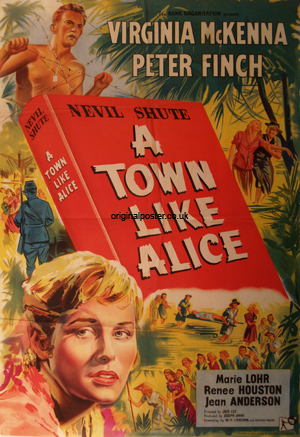
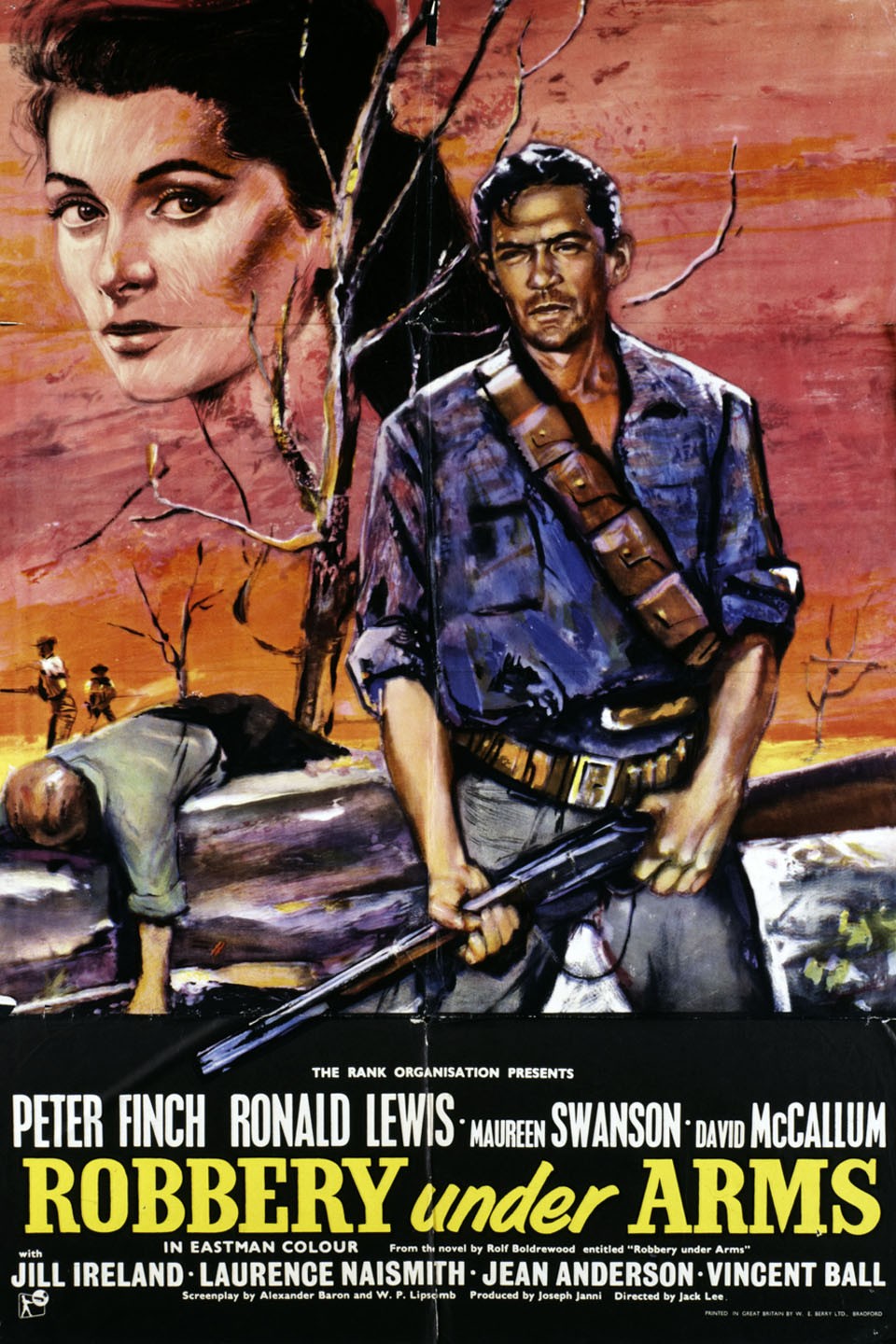
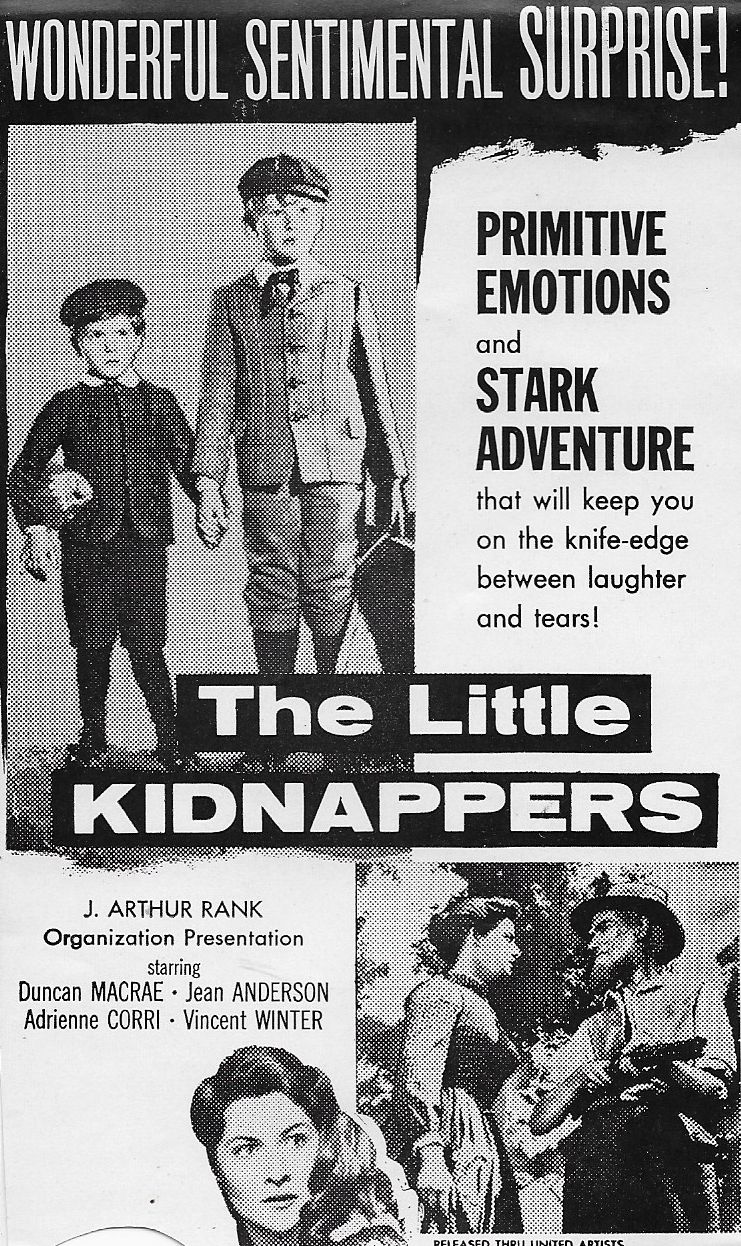
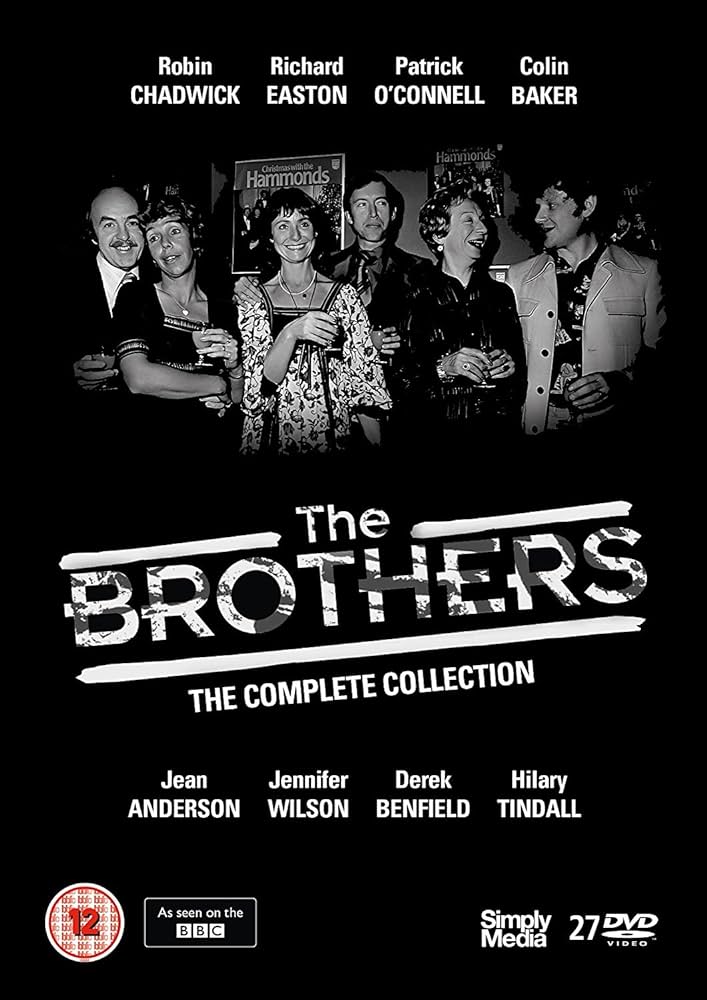
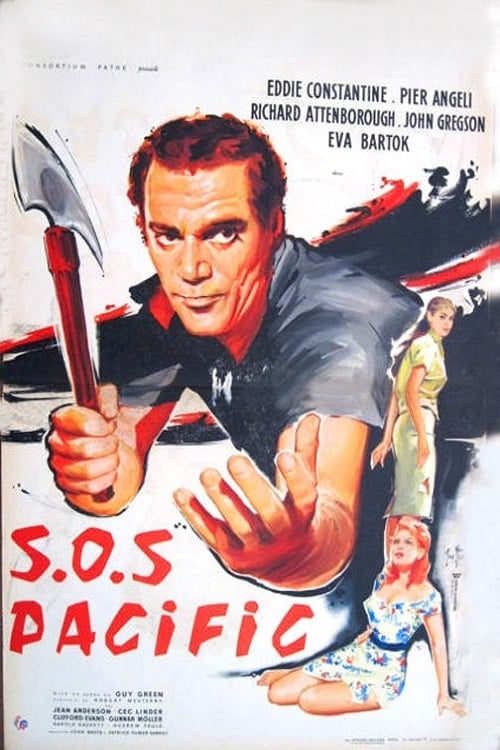
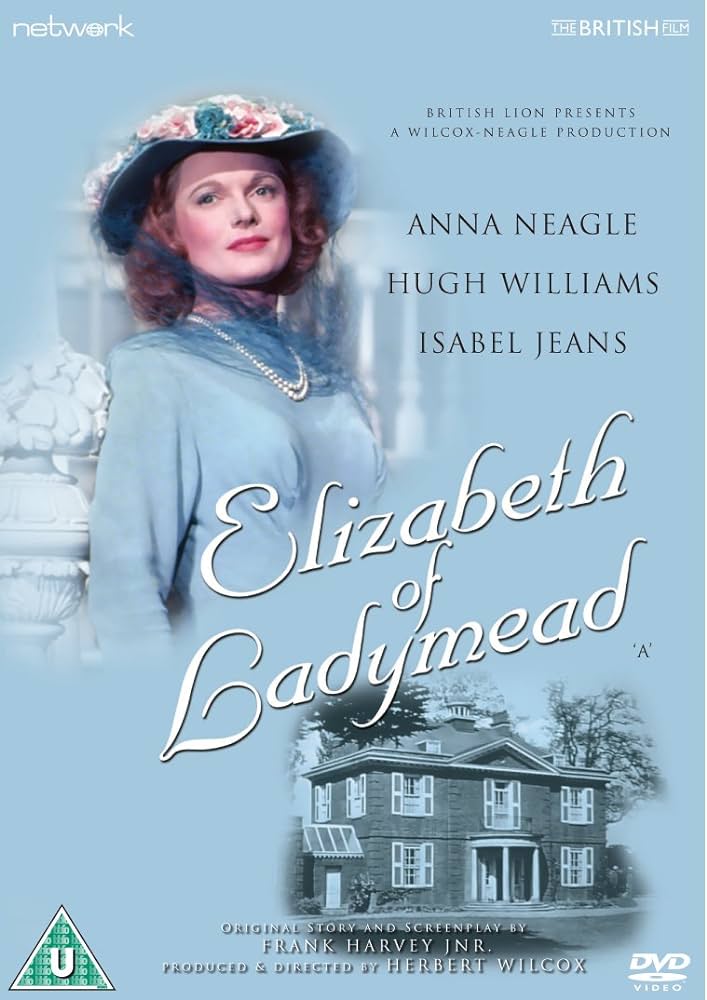
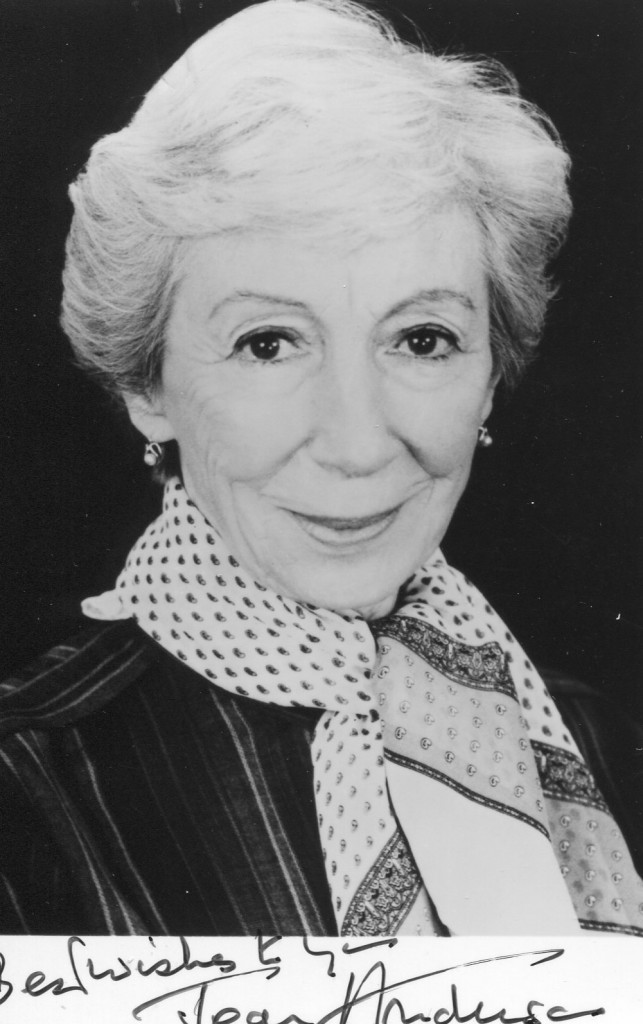
Jean Anderson was born in 1907 in Eastbourne.   Her films include “Bond Street” in 1948, “White Corridors”, “The |Kidnappers” and “Robbery Under Arms”.   She had two very successful television series “The Brothers” and “Tenko”.   She died in 2001 at the age of 93.

“The Guardian” obituary:

Tipsy aunts, querulous matrons, fearsome matriarchs, plucky parents, condescending aristocrats, taciturn chaperones, tight-lipped nannies, crusty aunts, gossipy grandmas, suspicious wives, elderly gamblers, theatrical dames, snooty dowagers, nosy spinsters and rural snobs – Jean Anderson, who has died aged 93, had a way of giving to each a singular presence, vitality, dignity and truth.

Yet, as a character actress of her quality, she had had far fewer opportunities than a star or leading performer to establish herself in our imagination, especially in the kind of depth which the musically trained Anderson liked to plumb. In the late 1920s, it was hard for a serious-minded young actress who was not arrestingly pretty to get a training in the classics, which was the only way to get on without backstage influence.

Born in Eastbourne of a Scottish family, she grew up in Guildford. After training at the Royal Academy of Dramatic Art, her first professional role was on a 50-week tour of Many Waters, alongside a fellow RADA student, Robert Morley. After a stint in rep at Cambridge, where the director was Peter Powell, whom she later married, she landed the part of the mother in an Irish revival by the Gate Theatre Company, Dublin, of Eugene O’Neill’s Ah, Wilderness! which visited the West End in 1936. When the company returned to Dublin, Anderson joined it for three years as leading lady.

In the 1940s, Anderson found herself working at London’s Players Theatre Club, then in King Street, Covent Garden, now under Charing Cross Station, where so many other theatrical luminaries (notably Peter Ustinov) first got their footing in the theatre. Anderson enjoyed the atmosphere, camaraderie and hard work of the so-called Late Joys and had a gift for the kind of satirical, nostalgic material which continues to be sung in tribute to the Victorian music hall. She became so popular that during the absence of Leonard Sachs, the legendary founder and co-director with Peter Godfrey of the Players, she proved a most stirring substitute.

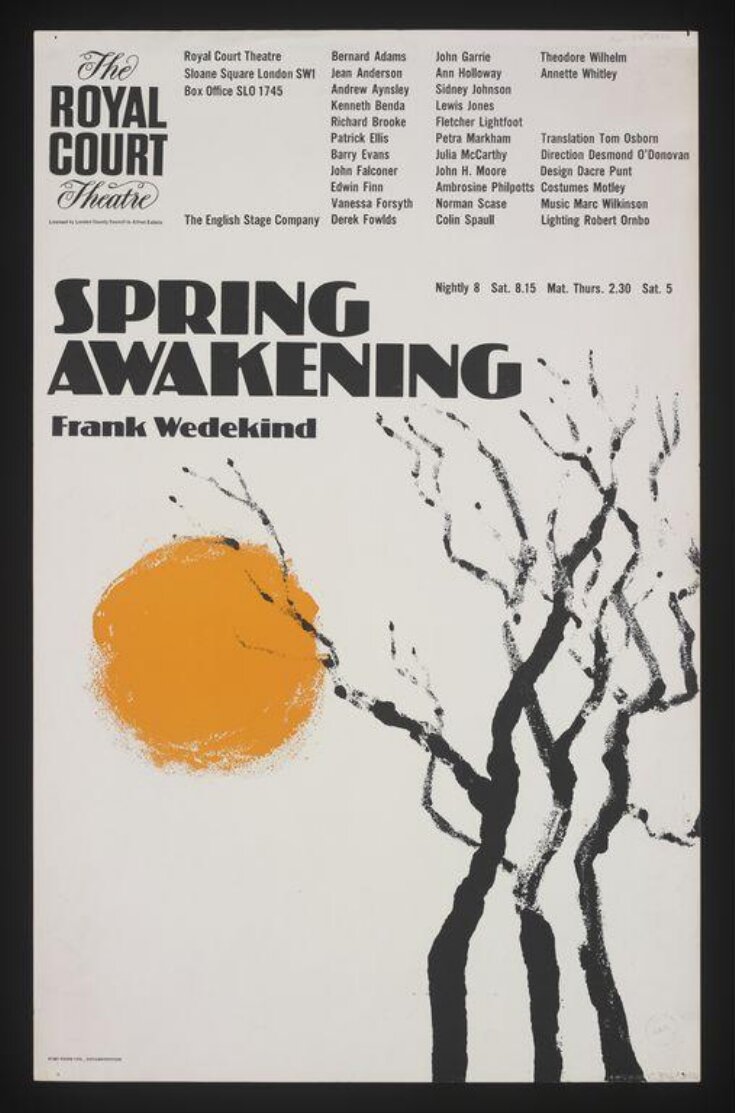
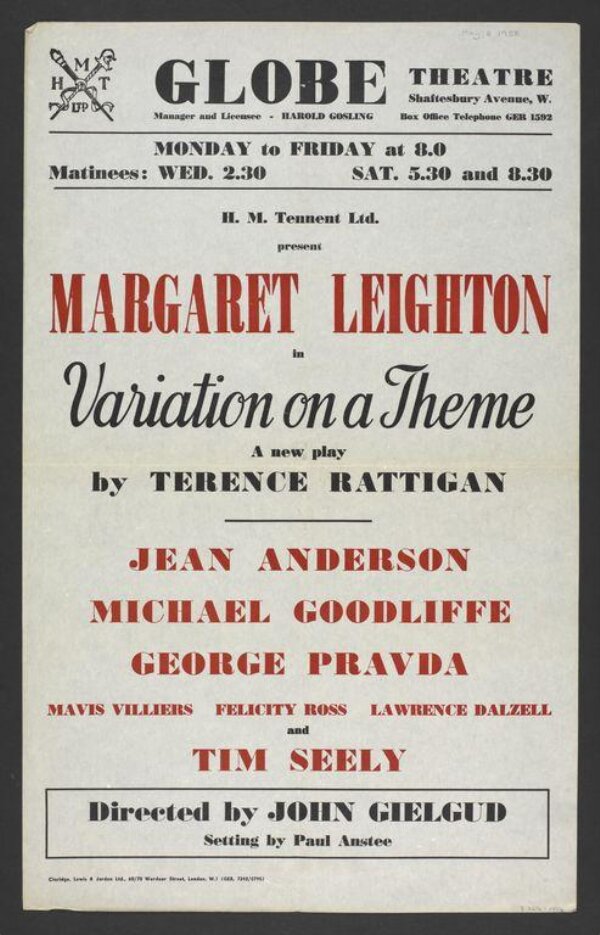
Whether in the West End or provinces, or with the newly subsidised National Theatre or Royal Shakespeare Company, she made her mark, however briefly, in plays by Rattigan or Fry, Chekhov or Ibsen, Ben Travers or EM Forster, Somerset Maugham or William Douglas Home, Jean-Jacques Bernard or Frank Wedekind – and in particular as Mme Rosamunde in Les Liaisons Dangereuses for the RSC, in which she went to Broadway (1986).

Was there a likelier Charley’s Aunt (for the same company) or a haughtier dowager in Travers’ Corkers End (at Guildford) or a funnier Dame Maud Gosport (looming but listing squiffily) in Rattigan’s send-up of actor-managers, Harlequinade? They were typical examples of her familiar character work.

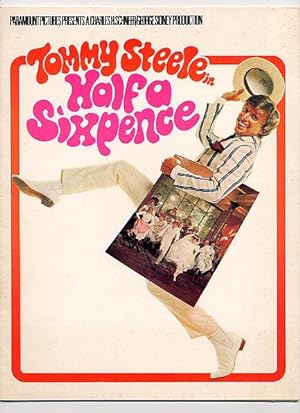
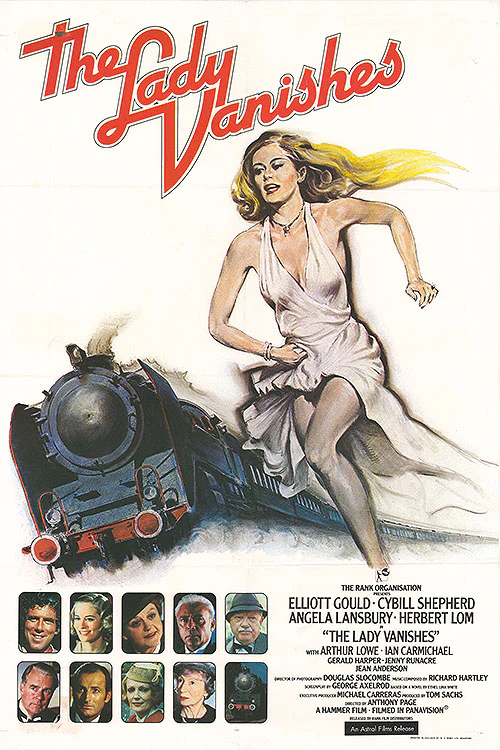
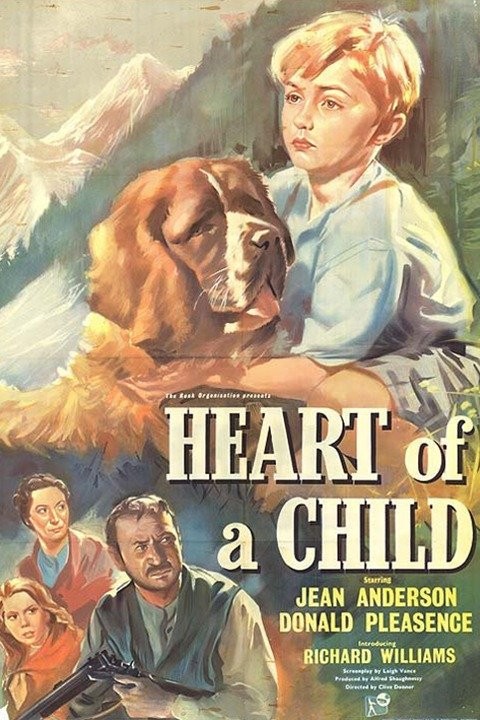
Anderson’s quiet authority, vocal poise and invisible technique saw her safely through countless parts on stage, screen and television. In the 1950s and 1960s she juggled with all three mediums simultaneously, lending her dependably distinctive gallery of cousins, aunts, mothers, nurses, policewomen, social workers, teachers and officials to the big screen in A Town Like Alice, Heart of a Child, Lucky Jim, The Barretts of Wimpole Street, Spare the Rod, The Inspector, Half a Sixpence, Country Dance and The Lady Van ishes, as well as to the theatre and television.

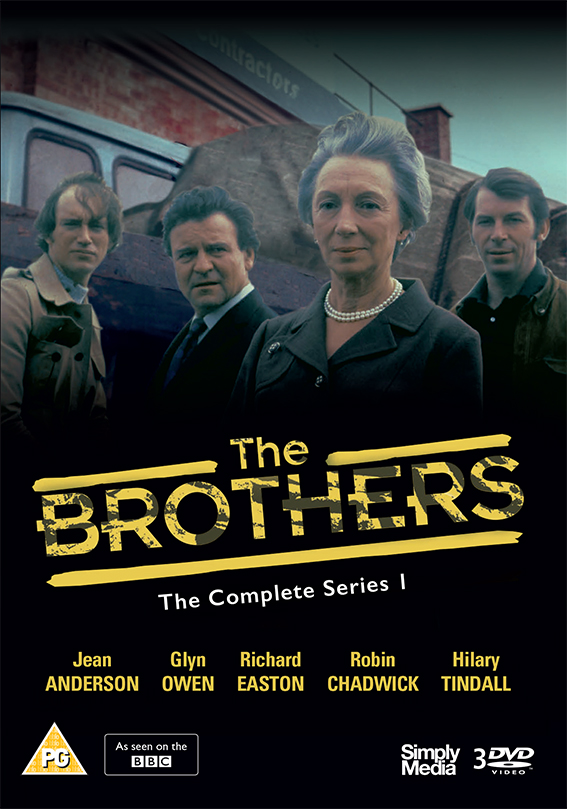
It was the small screen, however, which seemed to bring out the best in her art; perhaps because it had more scope for the kind of kindly if sometimes curt characterisation to which Anderson brought such a compelling restraint. My favourites are still the stoic Mum in The Railway Children, the awful matriarch in The Brothers, the series about a road haulage company, and the eccentric old gambler in Trainer.

In its elegance, observation, timing and emotional insight, another gem was Molly Cowper, the ageing English social snob in Julian Mitchell’s Survival of the Fittest. Herself as old as the 80-year-old character, Anderson brought out all the private suffering, loneliness, intransigence and maternal possessiveness of an old lady who refused to acknowledge reality.

Among scores of other “types” which she turned into individuals for the small screen were Jocelyn Holbrook in Tenko, the series about the experiences of European women interned by Japanese militia, Mrs Fortescue in Keeping Up Appearances, Mrs Spencer Ewell in House of Elliot, Dr Goldrup in GBH, Lady Anne in Do Not Disturb, the Dowager in Circles of Deceit, Belle in Campion, Great Aunt Anne in Evelyn Waugh’s Scoop, Jo March in Little Women, and Frau Buddenbrook in Buddenbrooks. Her final television role came last year in Samuel Beckett’s Endgame, back at the Gate Theatre, Dublin.

Her marriage to Peter Powell ended in divorce. They had one daughter, Aude Powell, a theatre agent.

• Mary Jean Heriot Anderson, actress, born December 12 1907; died April 1 2001.

The above “Guardian” obituary can also be accessed online here.
Career Overview and Critical Analysis of the Work of Jean Anderson

Jean Anderson (1907–2001) was a distinguished British character actress whose career spanned stage, film, and television from the 1930s through the late 1990s. She was especially valued for her refined diction, emotional intelligence, and ability to portray authoritative or socially complex women. While never a conventional film “star,” she became a highly respected figure in British dramatic television and theatre, contributing significantly to mid- and late-20th-century screen acting.


Early Life and Stage Career

Jean Anderson was born in Eastbourne, England, and trained for the stage at a time when British theatre still placed strong emphasis on classical technique, vocal control, and textual precision.

She began her career in repertory theatre in the 1930s and 1940s, performing in a wide range of classical and contemporary plays. This period shaped her disciplined acting style, particularly her emphasis on:

  • precise articulation
  • controlled emotional expression
  • strong interpretive reading of text

Her stage work established her as a reliable and intelligent performer in serious dramatic roles.


Transition to Film and Early Screen Work

Anderson’s early screen appearances were modest, as was typical for many stage actors of her generation. British cinema in the mid-20th century often relied on character actors to provide gravitas in supporting roles.

Her film work included appearances in historical dramas and literary adaptations, where she frequently played:

  • aristocratic women
  • maternal figures
  • professionals or authority figures

Critical assessment of early screen acting

In film, Anderson’s acting is characterized by:

1. Theatrical precision adapted for camera

She maintained stage-trained clarity but moderated it for film realism.

2. Emotional restraint

Rather than expressive outbursts, she conveyed emotion through controlled vocal shifts and subtle facial movement.

3. Authority in presence

Even in supporting roles, she often projected a sense of command or social confidence.

These traits made her particularly effective in British prestige drama.


Television Career and Major Recognition

Jean Anderson became widely recognized through British television, especially in long-form dramatic series.

Her most notable role was in:

  • The Brothers

In this popular BBC drama she played Lady Bracknell-like business matriarch Mary Hammond, a powerful figure within a family-run engineering company.

Critical analysis of The Brothers

This role represents Anderson at her most fully developed screen persona.

1. Authority and control

Anderson’s character embodies corporate and familial authority. She projects dominance not through aggression, but through:

  • calm speech
  • unwavering posture
  • strategic silence

2. Emotional suppression

A key aspect of her performance is the suggestion of emotion beneath control. Rather than openly displaying vulnerability, she hints at it through pauses and tonal modulation.

3. Moral ambiguity

Her character is neither purely villainous nor purely sympathetic. Anderson plays her as a figure shaped by responsibility and tradition, raising questions about power and gender in mid-20th-century British society.

Critics often viewed her performance as a strong example of television realism rooted in theatrical discipline.


Other Television and Film Work

Anderson appeared in numerous British television productions across decades, including drama anthologies, adaptations, and guest roles in popular series.

She also featured in historical and literary adaptations, often cast as:

  • upper-class women
  • mothers or guardians
  • institutional authority figures (e.g., school heads, aristocrats, administrators)

These recurring roles reflect both her strengths and the casting conventions of British television at the time.


Acting Style

1. Classical vocal technique

Anderson’s voice was one of her defining instruments:

  • precise enunciation
  • controlled pacing
  • subtle modulation of emphasis

Her delivery reflects classical British stage training, where clarity of speech was central.


2. Emotional economy

She rarely relied on overt emotional display. Instead, she specialized in:

  • restrained reactions
  • subtle shifts in expression
  • controlled gestures

This created a sense of internal complexity beneath a composed exterior.


3. Authority and poise

A hallmark of Anderson’s screen presence is her ability to embody authority without theatrical exaggeration. She frequently played women who held:

  • social power
  • professional responsibility
  • moral influence over others

Her performances often explore the tension between authority and emotional cost.


Recurring Character Types

Across her career, Jean Anderson was frequently cast as:

  • matriarchs or senior family figures
  • upper-class or aristocratic women
  • institutional authority figures
  • morally complex professionals

These roles reflect both her personal strengths and the limited range of prominent older female roles in British screen media of the time.


Critical Legacy

Jean Anderson is often regarded as a consummate character actress rather than a leading star. Her importance lies in her consistency and the intelligence she brought to supporting roles.

Key critical contributions:

  • helped sustain the tradition of classically trained acting in British television
  • brought psychological depth to roles that might otherwise have been conventional
  • contributed to the realism and credibility of ensemble drama

Her performance style exemplifies a generation of British actors who bridged stage traditions and modern television naturalism.


Cultural Significance

Anderson’s career reflects broader patterns in 20th-century British acting:

  • the dominance of theatre-trained performers in early television
  • the importance of ensemble storytelling in BBC drama
  • evolving representations of powerful women in media

Her roles in particular highlight how British television increasingly explored female authority figures in professional and domestic contexts.


Summary

Jean Anderson built a long and respected career defined by intelligence, restraint, and classical technique. From her stage beginnings to her television prominence in The Brothers, she consistently portrayed authoritative women with psychological depth and emotional nuance. While she rarely occupied leading roles in film, her contribution to British television drama is significant, particularly in shaping believable portrayals of mature, powerful women in 20th-century storytelling.

Leave a Reply

Your email address will not be published. Required fields are marked *