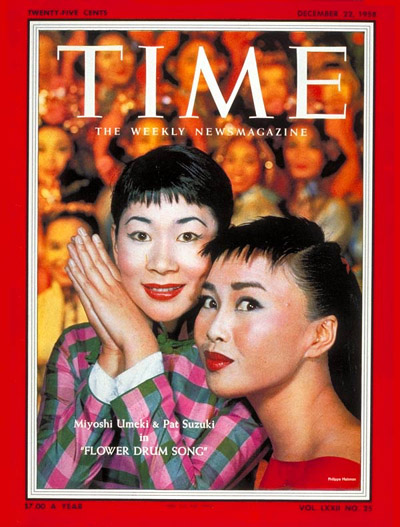
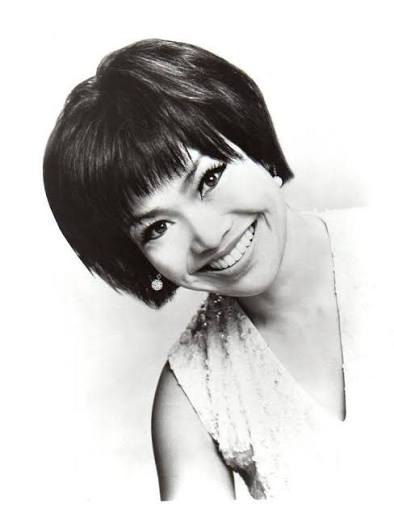
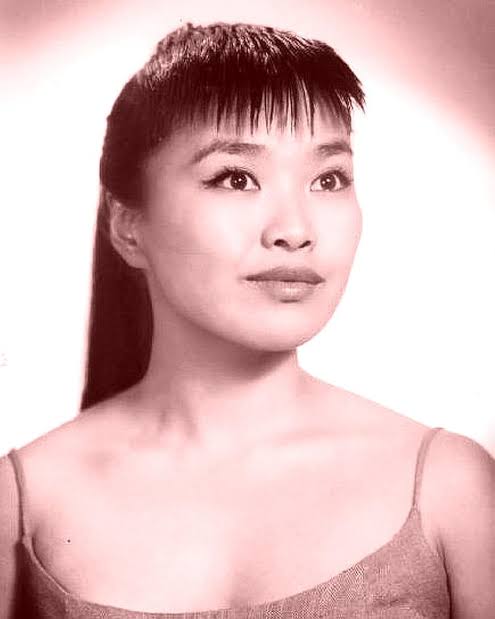
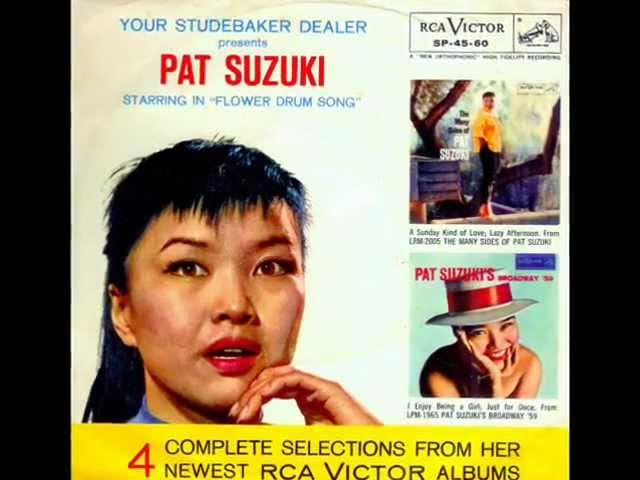
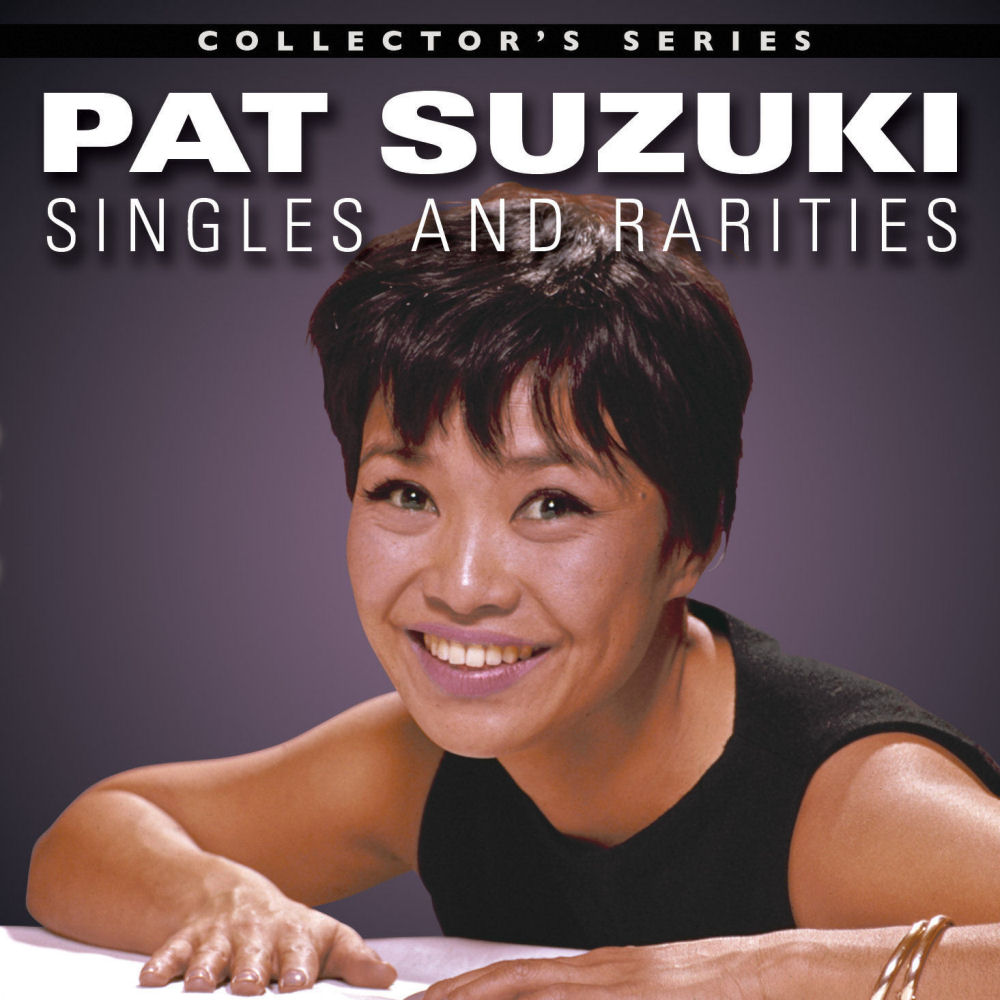
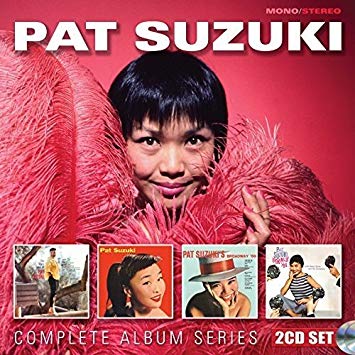
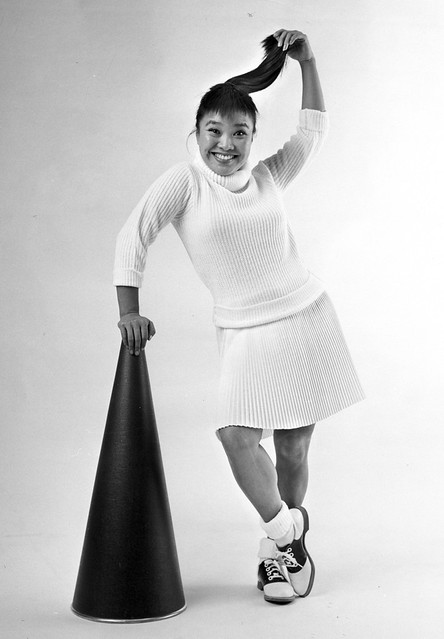
Pat Suzuki is an American singer and actress whose career occupies a vital—if too often underacknowledged—place in mid‑20th‑century American entertainment history. Born Chiyoko Suzuki in Cressey, California, in 1930, she rose from modest beginnings and the profound social injustices of wartime Japanese American internment to become one of Broadway’s first prominent Asian American leading ladies. Her warm charisma, distinctive vocal timbre, and trailblazing presence across stage, recording, and television reflect both exceptional artistry and the complex racial dynamics of her era.
Career Overview
Early Life and Entry into Performing
Suzuki’s family was forcibly relocated during World War II to the Amache internment camp in Colorado—an experience that shaped her later sense of cultural identity and resilience. After graduating from San Jose State College, she gravitated toward music, performing in clubs on the West Coast. Her early nightclub act featured a sophisticated blend of jazz phrasing, comic timing, and audience rapport, marking her as a natural cabaret storyteller rather than merely a singer.
Discovered by Bing Crosby in the mid‑1950s, she soon began performing in Los Angeles and New York venues such as the Mocambo and the Blue Angel. These performances led to her first record deal with RCA Victor, positioning her in the same scene as jazz‑inflected pop vocalists like Julie London and Peggy Lee, though distinct for her interpretive understatement and modern phrasing.
Recording Career
Suzuki’s debut album, The Many Sides of Pat Suzuki (1957), earned widespread critical acclaim for its vocal control, intimacy, and rhythmic ease. Her style balanced jazz idiom with theatrical clarity—a combination that mirrored the fluid genre boundaries of postwar American music. She conveyed irony and warmth with equal ease, and critics praised her as a “small‑club singer who sounds as if she’s confiding secrets.”
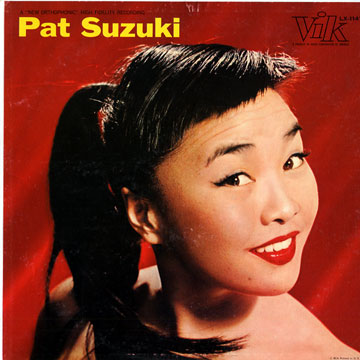
Follow‑up albums such as Pat Suzuki (1958) and Miss Pony Tail (1959) consolidated her image as a sleek, modern interpreter of both standards and contemporary material. These recordings stand today as significant documents of mid‑century lounge and theatrical crossover styles: subtle, urbane, and emotionally contained.
From a critical standpoint, her recorded work illuminates the tension between authenticity and stylization in American popular singing of the period. Suzuki’s tone—light but textured—brought emotional truth to highly polished arrangements. That contrast made her interpretations unusually sophisticated, particularly given the racialized exotification that often surrounded Asian American performers of the time.
Breakthrough: Flower Drum Song (1958–1960)
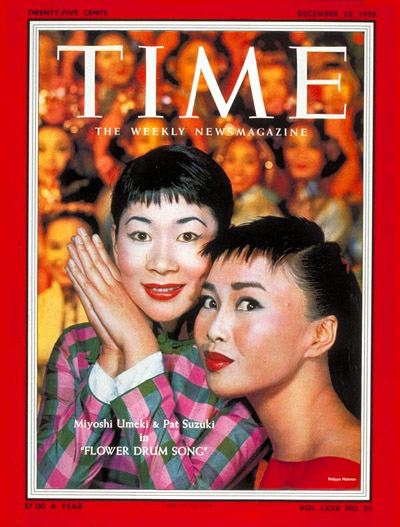
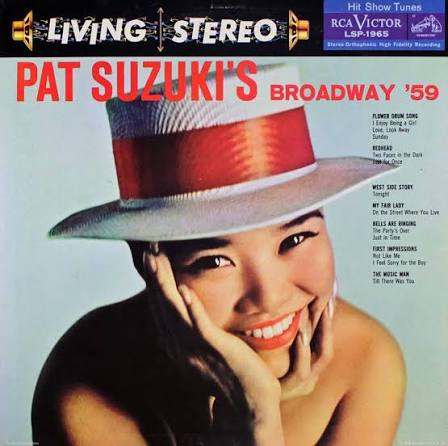
Suzuki’s most iconic role was Linda Low in the original Broadway production of Rodgers and Hammerstein’s Flower Drum Song. The show, one of Broadway’s first mainstream musicals to center an Asian American milieu, was both a career peak and a representational paradox.
Her standout number, “I Enjoy Being a Girl,” became emblematic of the character’s self‑parodic glamour—a performance simultaneously reinforcing and subverting 1950s gender and racial stereotypes. Suzuki infused Linda Low with modern irony and agency, using vocal nuance and comic precision to turn what could have been a caricature into an assertive, self‑aware persona. Critics praised her stage command and the joy she radiated, calling her a “magnet of smart energy.”
From a critical lens, this role illustrates how Suzuki reframed visibility itself as performance: appearing within structures of Orientalism yet bending them through wit, rhythm, and gesture. Her version of feminine allure was self‑possessed rather than submissive—arguably a quietly radical depiction for mid‑century Broadway.
Television and Beyond
In the 1960s and 1970s, Suzuki expanded into television and continued recording. She appeared on variety programs such as The Ed Sullivan Show, The Tonight Show, and The Pat Suzuki Show (a short‑lived local series). She also made guest appearances on dramas like Hell Town and Jake and the Fatman later in her career.
Her television work, often constrained by limited opportunities for Asian American performers, nonetheless demonstrated resilience through performance adaptability. Suzuki projected ease, humor, and professionalism, helping normalize Asian presence within mainstream media long before representation was a cultural talking point.
Later Career and Recognition
Although the shifting entertainment landscape of the 1970s offered fewer high‑profile roles, Suzuki remained active on stage and in cabaret revival circuits. She was later celebrated by Asian American arts organizations for her pioneering role as a Broadway lead and recording star at a time when systemic barriers were immense.
In recent decades, her recordings have been reissued and reevaluated by historians and jazz critics, who now recognize her phrasing, sophistication, and interpretive restraint as key contributions to mid‑century American vocal performance.
Critical Analysis
Artistic Strengths
- Vocal Intelligence: Suzuki mastered micro‑phrasing—the ability to shift emotion within a single line through tonal shading.
- Interpretive Subtlety: Rather than melodrama, she used understatement, making her storytelling feel modern and cinematic.
- Stage Presence: On Broadway, her command came not from amplitude but poise; she negotiated space and audience attention through confidence and timing.
Thematic and Cultural Significance
Suzuki’s career sits at the intersection of performance art and cultural politics. She was both a beneficiary and a critic of the assimilationist narratives prevalent in 1950s entertainment. Flower Drum Song, while progressive for its time, trafficked in stereotypes, and Suzuki’s nuanced portrayal worked quietly against those limits—demonstrating representation not as visibility alone but as tonal resistance.
Her artistry exemplifies what scholar Josephine Lee identifies as “counter‑visibility”—the act of inhabiting mainstream roles while subtly rewriting the audience’s expectations. In later retrospectives, critics have come to read Suzuki’s performances as early forms of Asian American self‑definition within a restrictive system.
Limitations and Constraints
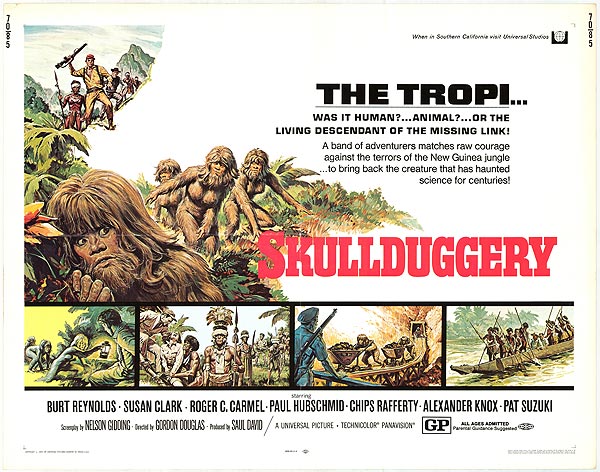
Suzuki’s film career was minimal, reflecting both personal choices and structural biases in casting. The entertainment industry seldom knew how to situate an Asian American woman who was neither a novelty act nor an ethnic stereotype. Consequently, her visibility was paradoxically both historic and fragile. Yet this very precarity underscores the pioneering aspect of her work.
Legacy
Pat Suzuki’s legacy extends beyond her hit roles or recordings. She paved the way for generations of Asian American performers—from Lea Salonga to Ruthie Ann Miles—by demonstrating that professionalism, technique, and wit could transcend tokenization.
In aesthetic terms, she bridged jazz phrasing and theatrical storytelling, creating a hybrid style that remains strikingly contemporary. In cultural terms, she transformed what mid‑century Broadway expected an “Asian woman onstage” to be.
Her career is thus best understood not as marginal but foundational to Asian American performance history: a study in grace under constraint, artistry as quiet activism, and the power of style to negotiate identity.
Summary:
Pat Suzuki stands as one of the most distinctive and culturally significant performers of the postwar American stage. Through her recordings and Broadway work, she fused elegance, humor, and technical mastery, challenging racial and gender stereotypes by embodying them on her own terms. Her influence can be traced in contemporary musical theatre’s growing diversity and in the enduring recognition that representation, when endowed with intelligence and artistry, is itself an act of creative resistance