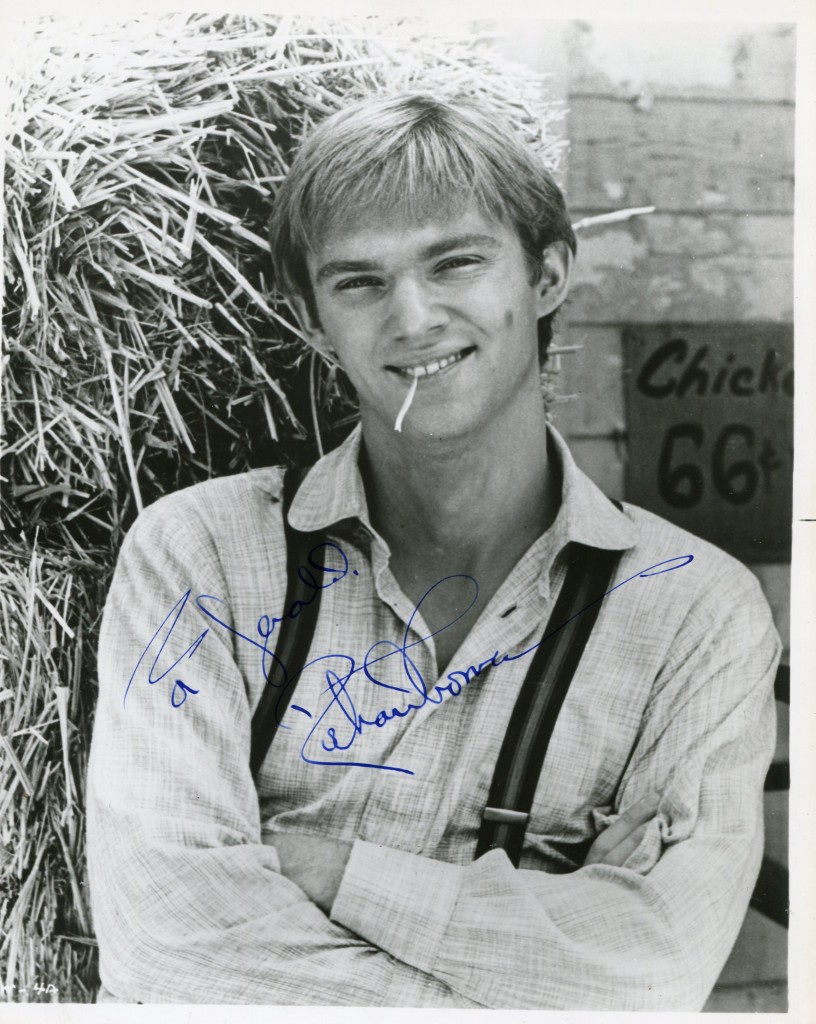
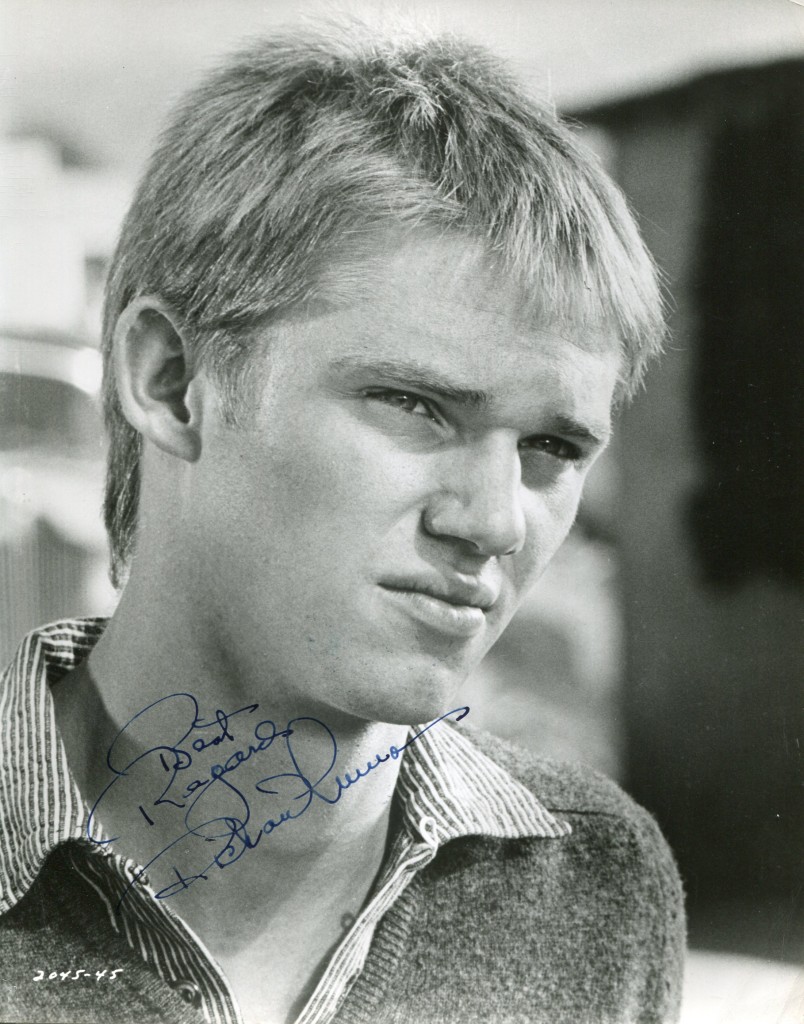
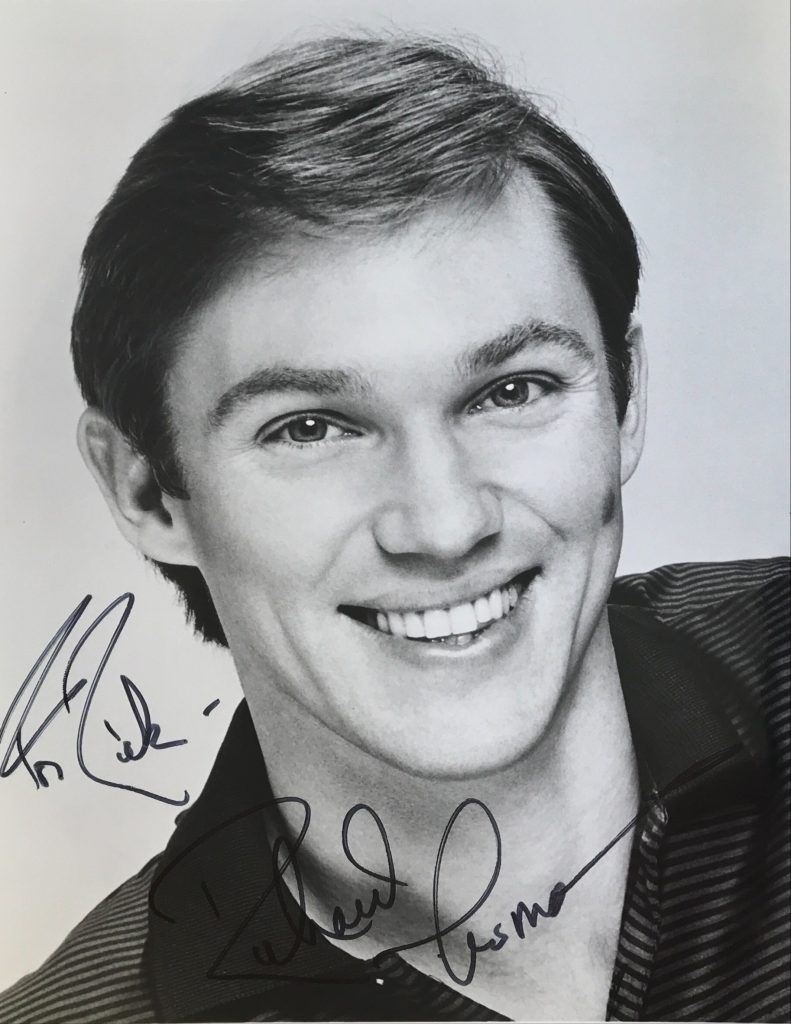
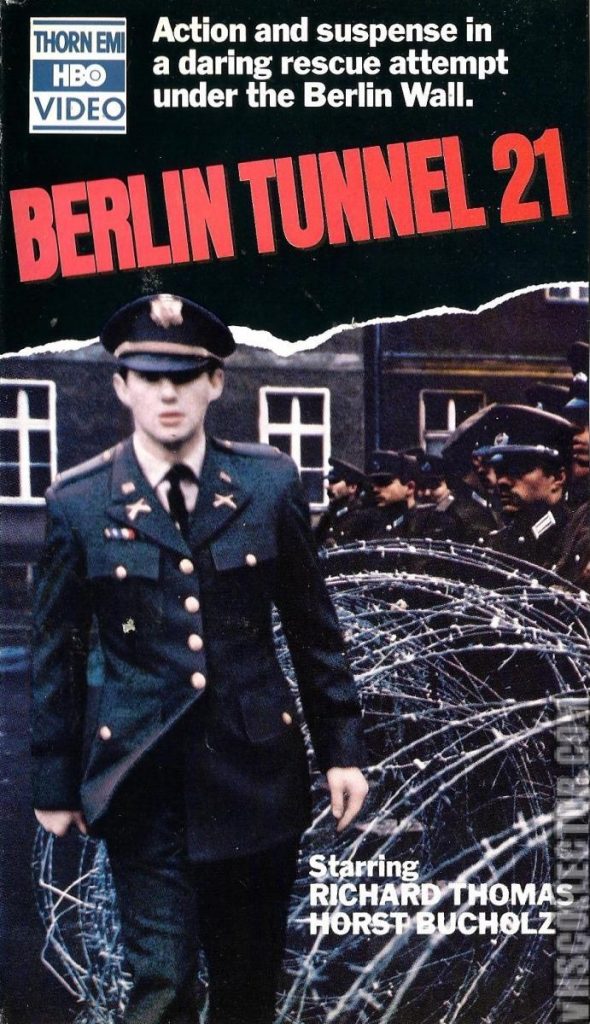
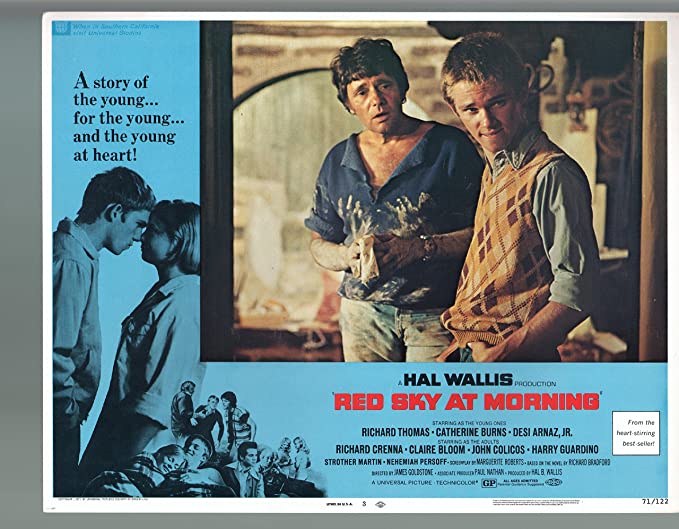
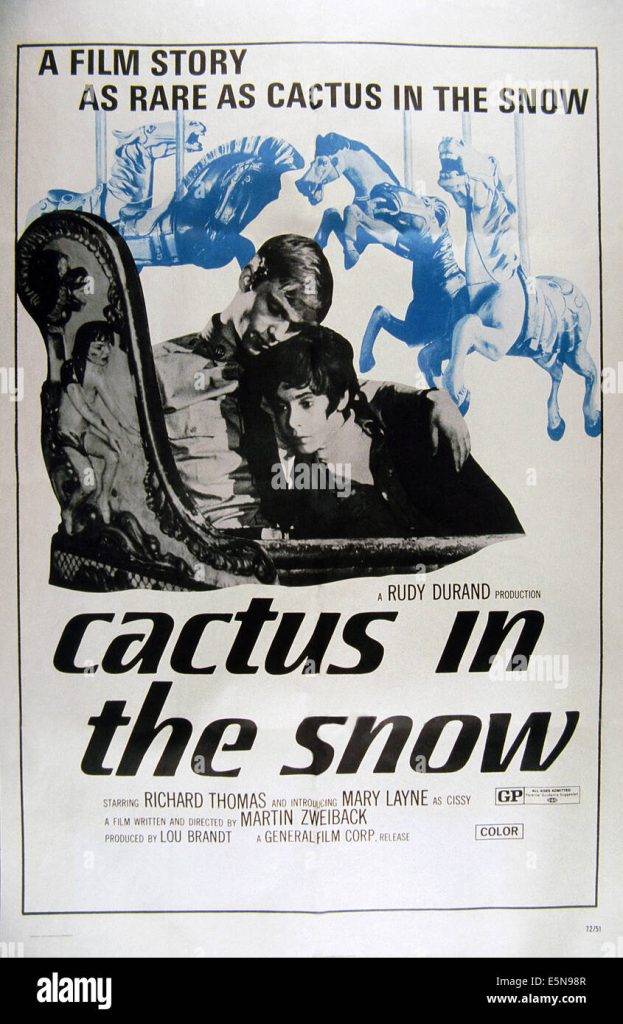
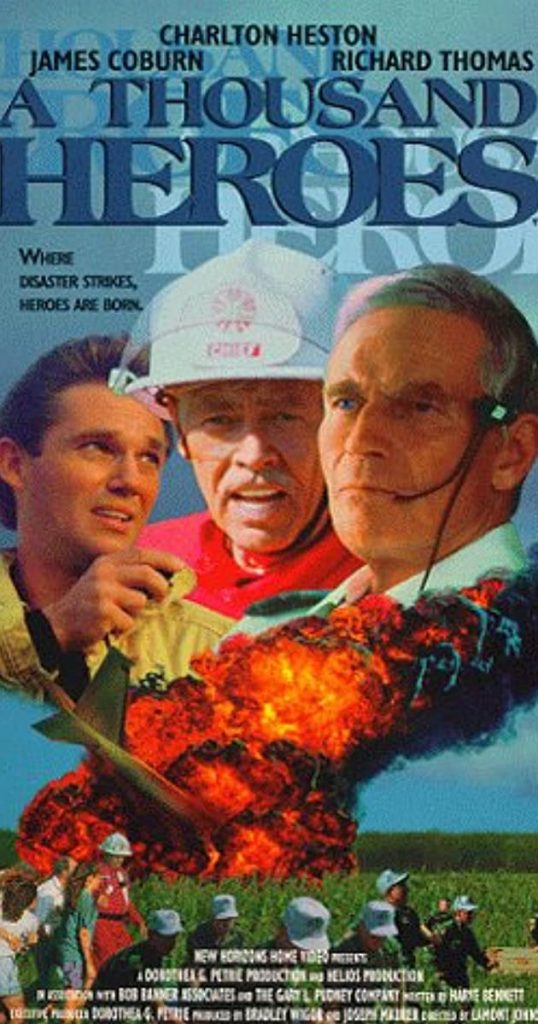
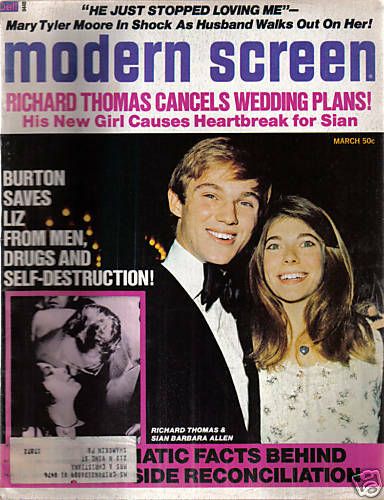
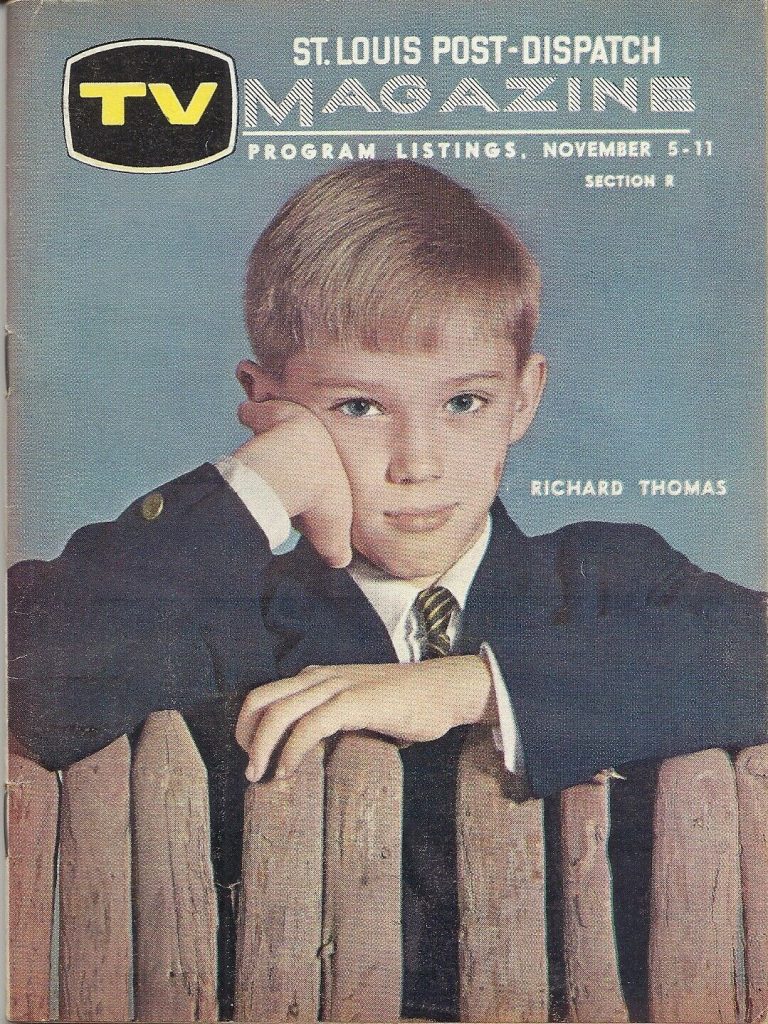
Richard Thomas (b. 1951, New York City) has sustained one of the most wide‑ranging and continually evolving American acting careers of the past half‑century. Emerging as a child performer in the early 1960s, he became a fixture of U.S. television through The Waltons (1972–81), then parlayed that early fame into a versatile adult career encompassing Broadway and national‑tour theatre, feature films, television movies, and voice work. Across all media, critics have noted the intelligence, emotional transparency, and craft discipline that have made his longevity possible.
Career Overview
Early training and first roles
Born to performing‑arts parents—his father a Broadway actor, his mother a dance teacher—Thomas began acting at seven, making his stage debut in the 1958 Broadway play Sunrise at Campobello
. Television soon followed: commercials, anthology dramas, and the soap As the World Turns (1962) introduced his technical steadiness in live‑TV environments
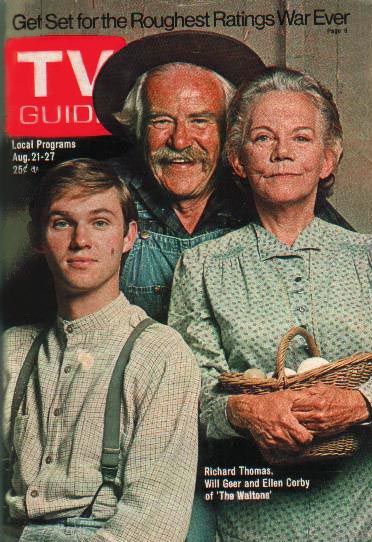
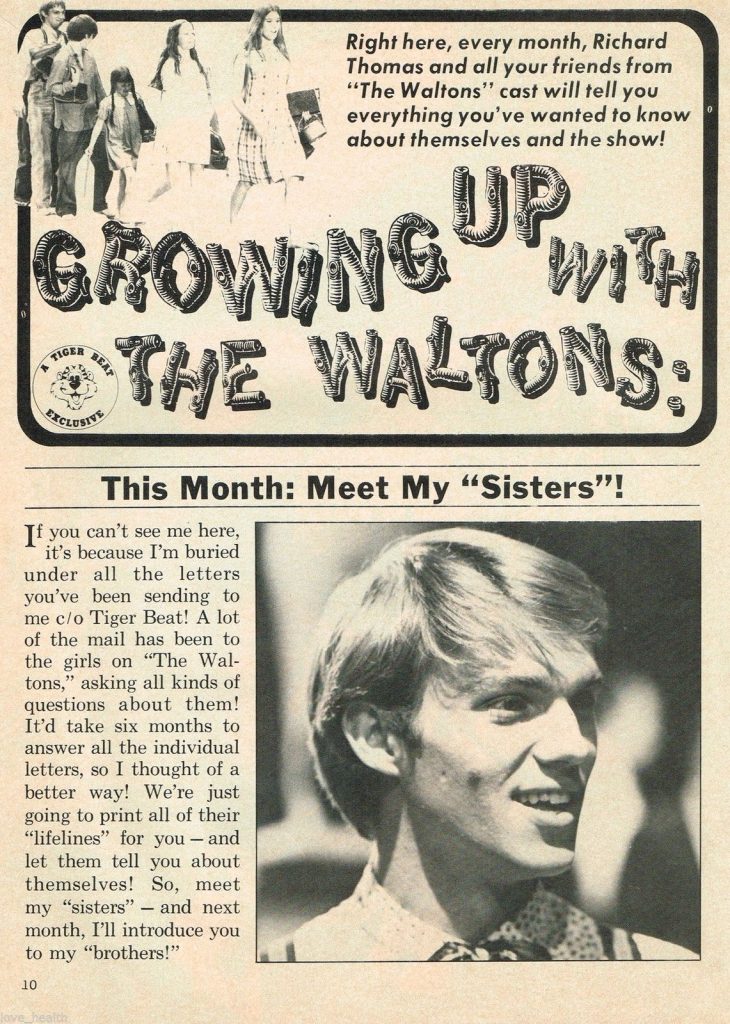
Breakthrough – The Waltons
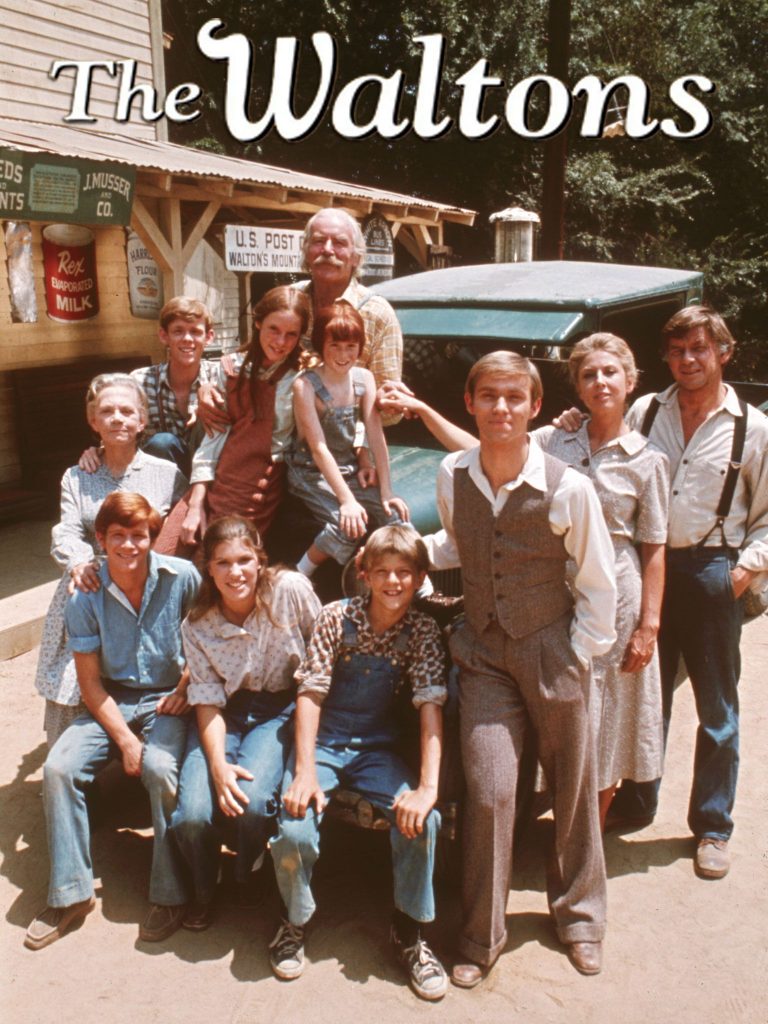
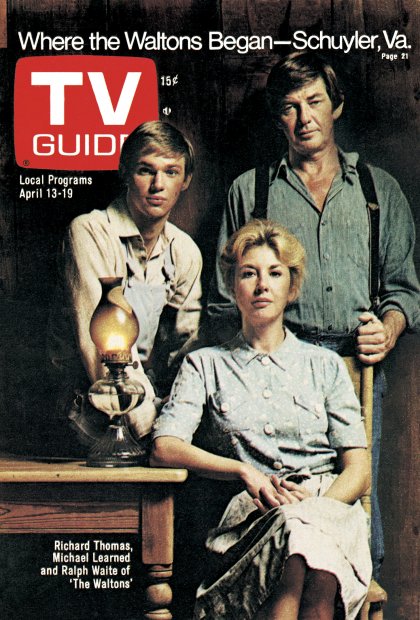
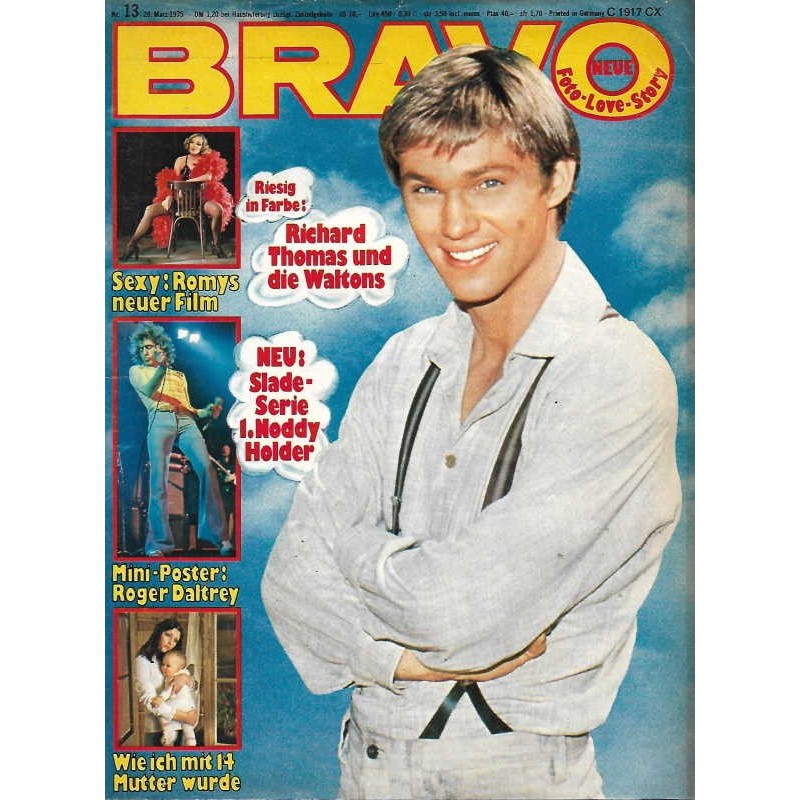
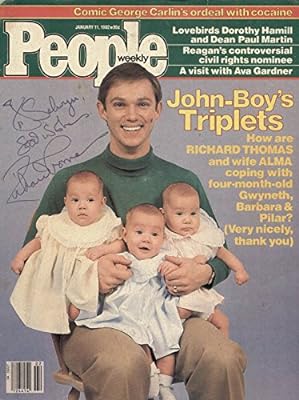
In 1972 Thomas became a household name as John‑Boy Walton, the aspiring writer‑son in CBS’s Depression‑era drama The Waltons. The role earned him an Emmy and two Golden Globes, defining the series’ moral and emotional core
. His portrayal balanced youthful earnestness with intellectual curiosity, giving television one of its most enduring depictions of coming‑of‑age integrity. Contract fatigue and a wish for broader challenges led to his 1977 departure
Transition and reinvention
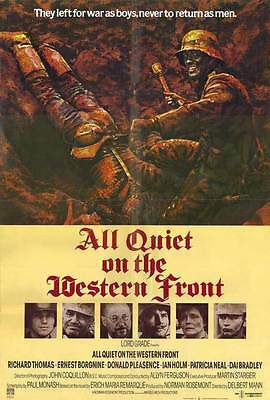
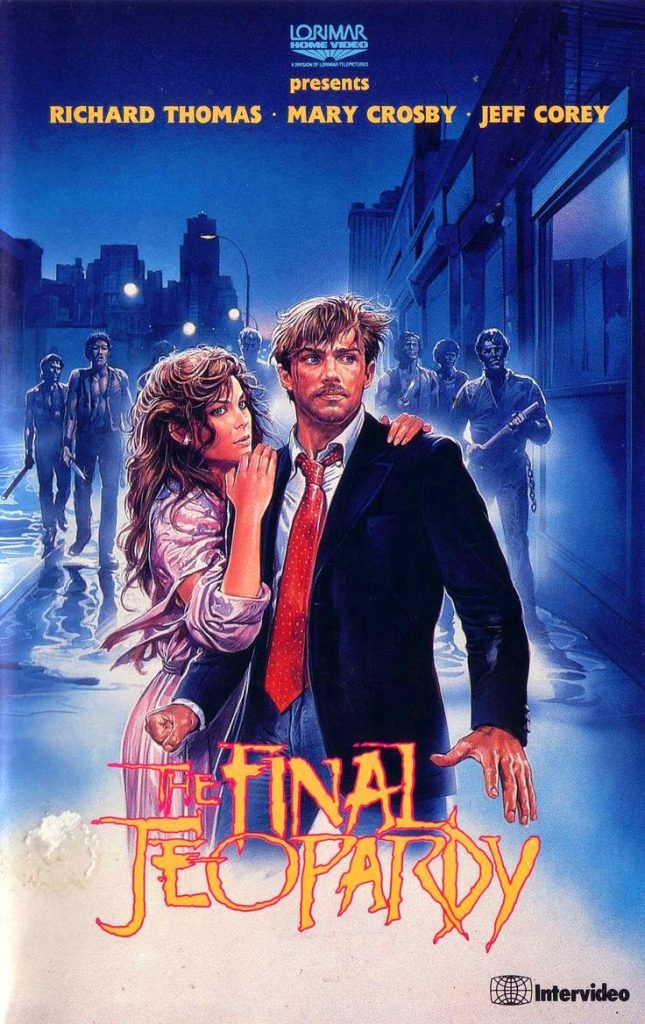
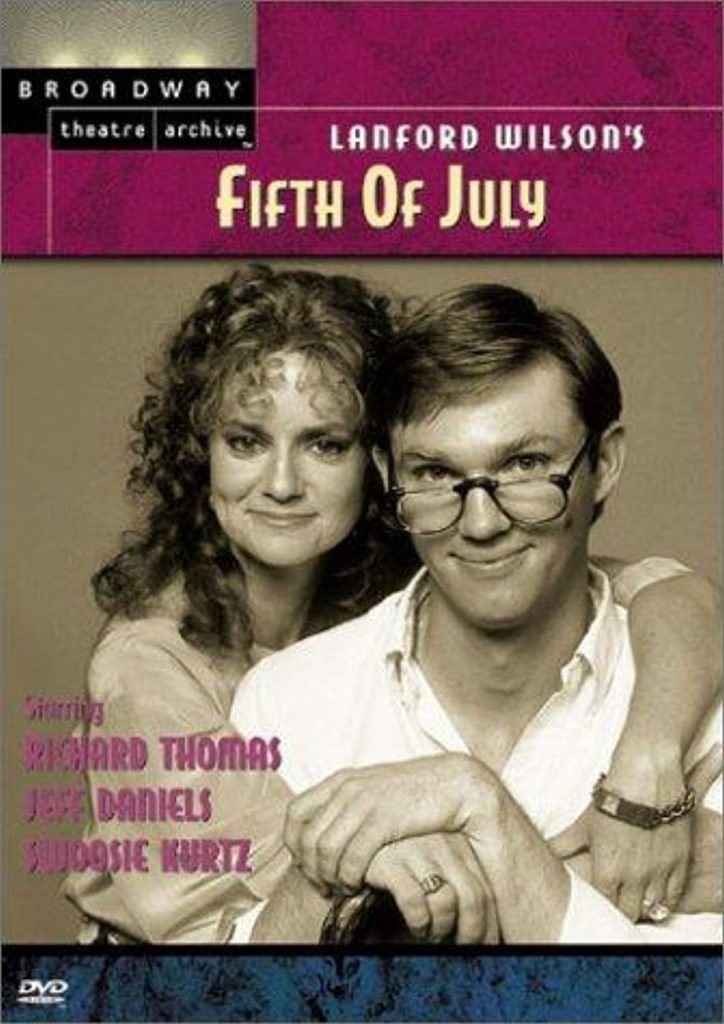
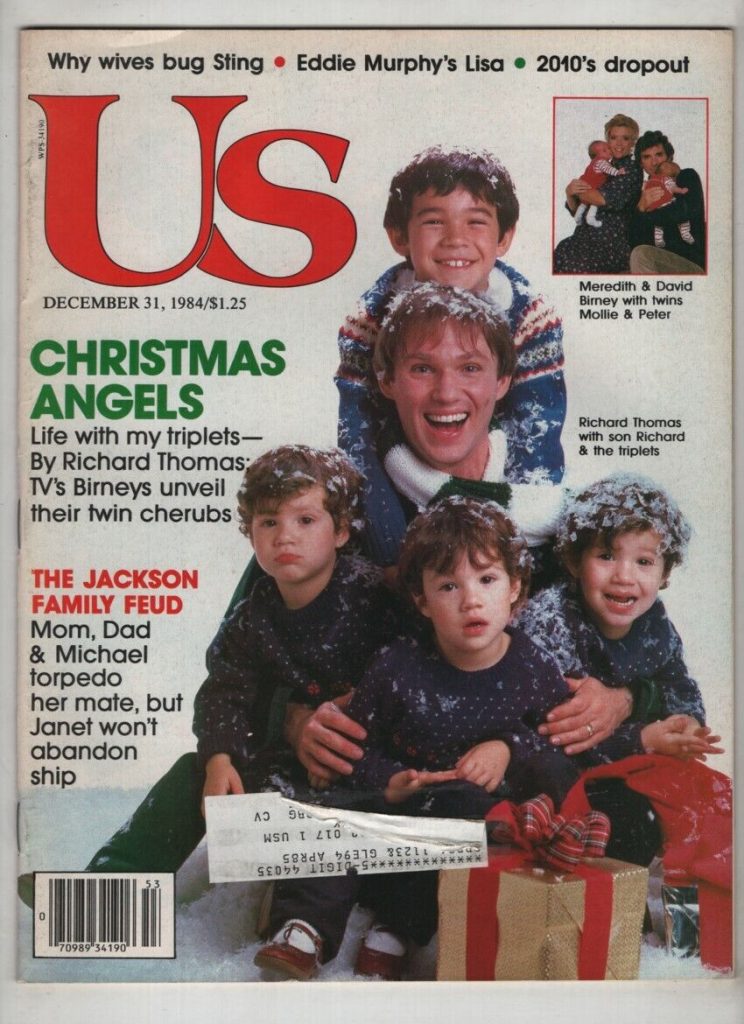
Rather than replicate John‑Boy, Thomas sought range. During the 1980s and 1990s he worked continuously in prestige TV movies and miniseries—Roots: The Next Generations, All Quiet on the Western Front (1979), Hobson’s Choice (1983), It (1990)—and began directing television episodes. He also built an extensive stage résumé: Shakespearean leads (Hamlet, Richard III, Peer Gynt) at Hartford Stage and major Broadway revivals such as The Little Foxes (2017, Tony nomination)
In the 2000s–2020s Thomas re‑emerged as a respected character actor on high‑profile television, from The Americans to The Good Wife, NCIS, Rizzoli & Isles.
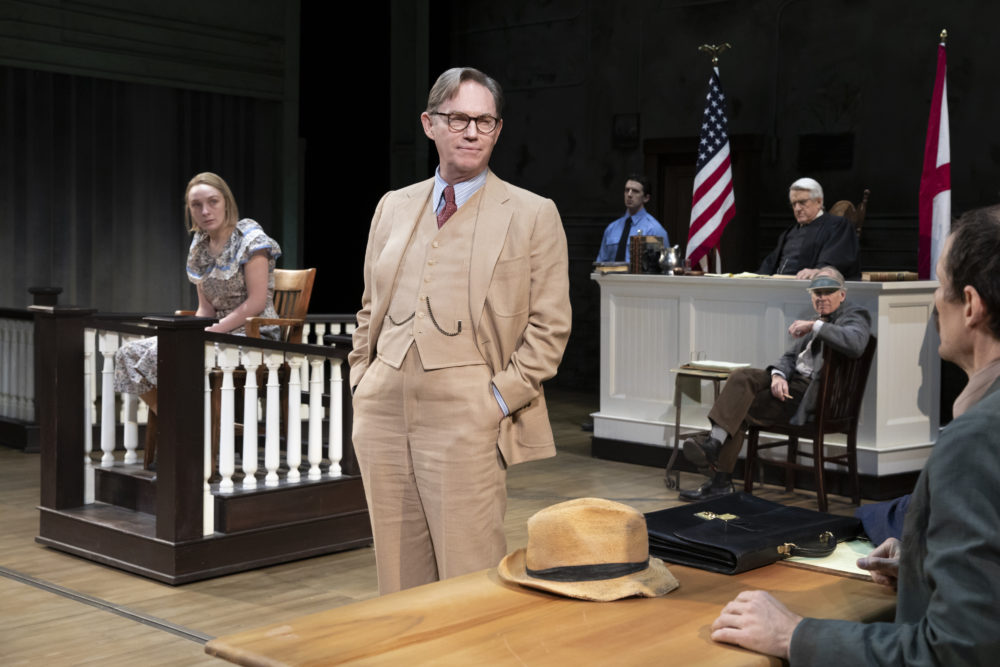
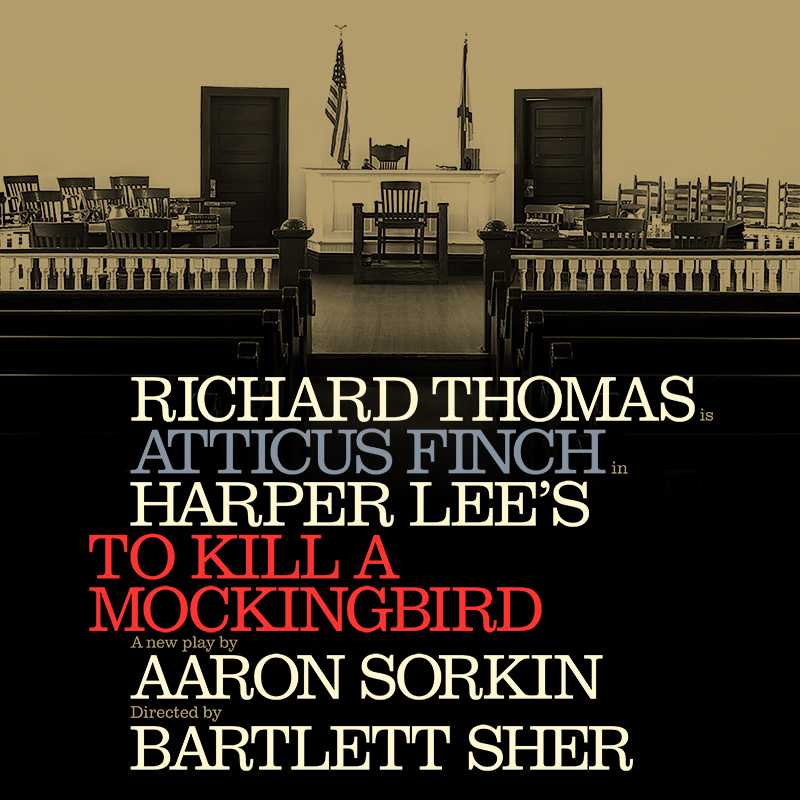
. Onstage he earned critical praise touring as Atticus Finch in Aaron Sorkin’s To Kill a Mockingbird (2023–24), bringing seasoned empathy to an American moral archetype
. Parallel work as an audiobook narrator—over 340 titles—has made his measured, articulate voice one of the most recognizable in contemporary narration.
Critical Analysis
Performance style and strengths
- Honesty and restraint: Thomas’s hallmark is emotional precision; he externalizes inner conflict without melodrama, sustaining credibility across idealistic and flawed characters alike.
- Technical assurance: Years of live television and theatre produced meticulous diction, timing, and adaptability, allowing him to shift fluidly between classic verse and naturalistic dialogue.
- Intellectual intelligence: Even when playing ordinary men, he reads as reflective and morally curious, qualities that anchor both heroes (John‑Boy, Atticus Finch) and quietly unsettling figures (his bureaucrat in The Americans).
- Longevity through range: He turned early fame into a foundation for varied work rather than a nostalgic burden, embracing ensemble roles, villains, and mentors with equal commitment.
Evolution of persona
His signature as the earnest idealist gradually matured into portraits of flawed fathers, professionals, and seekers—a natural aging of “John‑Boy’s conscience” into nuanced middle‑aged decency. Later roles often interrogate that virtue: Thomas plays mentors with shadowed pasts or moral fatigue, revealing depth beneath his wholesome image.
Limitations
Some critics have noted a certain gentleness that can undercut menace in darker roles. His intellectual clarity occasionally reads cerebral rather than visceral; he excels in empathy more than volatility. Yet that consistency of truthfulness is central to his appeal.
Artistic and cultural significance
- Television naturalism: Alongside peers like Michael Landon, Thomas helped shift U.S. family drama from idealized melodrama toward behavioral realism, proving that sincerity could be dramatically compelling.
- Stage contribution: His leadership roles at Hartford Stage and Broadway revivals reaffirmed his stature as a classical actor rooted in rigorous craft.
- Model of durability: Thomas’s seamless navigation among theatre, television, film, and narration demonstrates how a performer can build an entire life in acting without dependency on stardom.
Overall Assessment
Richard Thomas’s career reflects continual reinvention grounded in craftsmanship rather than celebrity. From the moral clarity of The Waltons to the introspective complexity of The Americans and the humane authority of To Kill a Mockingbird, he has traced an arc of American acting that prizes empathy, literacy, and integrity over flash. His longevity and adaptability make him a rare figure whose artistry connects generations